Italy stands as Europe's second-largest manufacturing power, with regions like Lombardy, Veneto, and Emilia-Romagna hosting some of the world's most advanced electrical equipment and automation manufacturers. Driven by the European Union’s ambitious green policies, including Regulation (EU) No 548/2014 (and its subsequent Tier 2 amendments regulating eco-design requirements for small, medium, and large power transformers), the Italian market is experiencing a profound technological transformation.
Italian grid operator Terna, alongside distribution giants like Enel, are heavily investing in grid modernization, necessitating transformers with ultra-low no-load losses and lower noise emissions. The demand has shifted aggressively toward 3D wound cores (tri-dimensional wound cores) and amorphous alloy cores. Standard stacked cores are increasingly failing to meet the tight economic and environmental thresholds without significant material cost increases. Achieving these targets requires Italian transformer factories to transition to advanced core manufacturing machinery that can process silicon steel and amorphous metals with unprecedented precision.
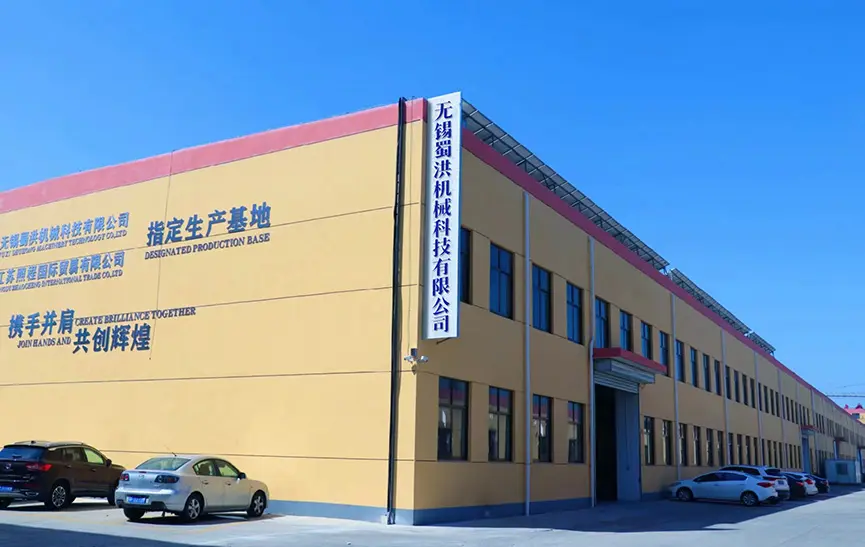
Strategically situated near Wuxi's Taihu Lake—a major industrial manufacturing belt in China—Wuxi Shuhong Machinery Technology Co., Ltd. has established itself as an engineering pioneer in electrical and plastic machinery since 2018. Over the past decade, our founder has watched the global machinery landscape progress from copying standard designs to leading state-of-the-art technological iterations. We recognized early that standard grid systems suffered from poor thermal management, short operational lifespans, and significant energy losses.
In response, Shuhong Machinery committed to intense R&D, designing advanced core production systems that enable transformer manufacturers to achieve a 30% reduction in temperature rise and ensure a 15-year operational lifespan on their equipment. This engineering prowess has successfully empowered over 2,000 substations worldwide, offering Chinese engineering precision customized to meet European standards.
"Our objective is not just to sell machinery, but to provide Italian fabricators with the technical foundation needed to challenge conventional grid losses and successfully transition to high-efficiency distributed energy systems."
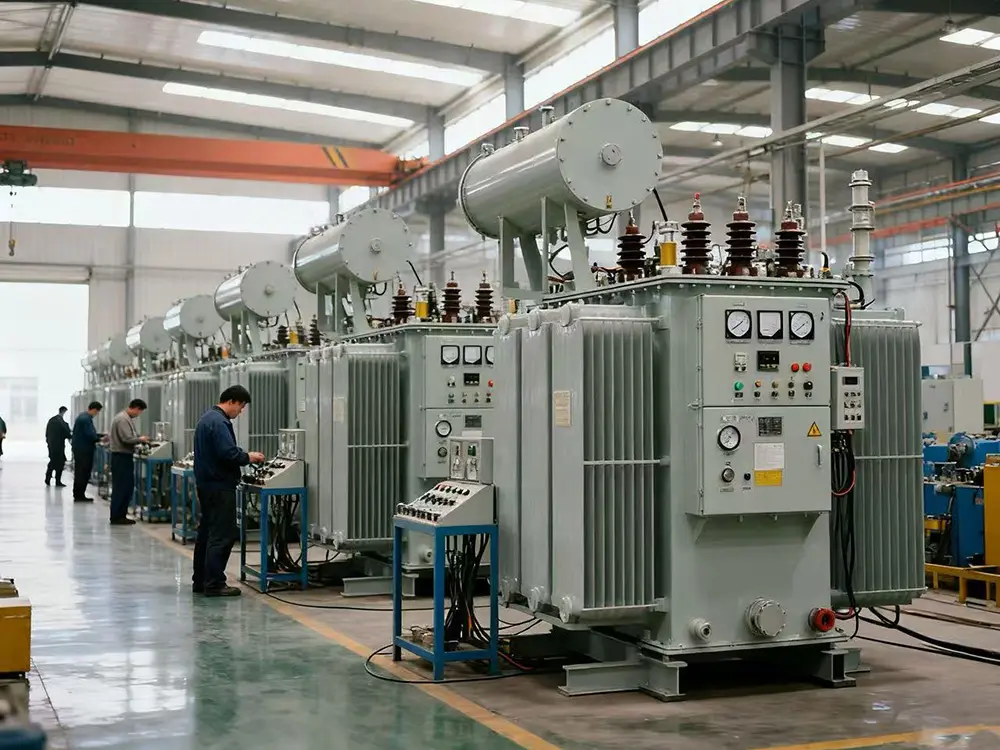
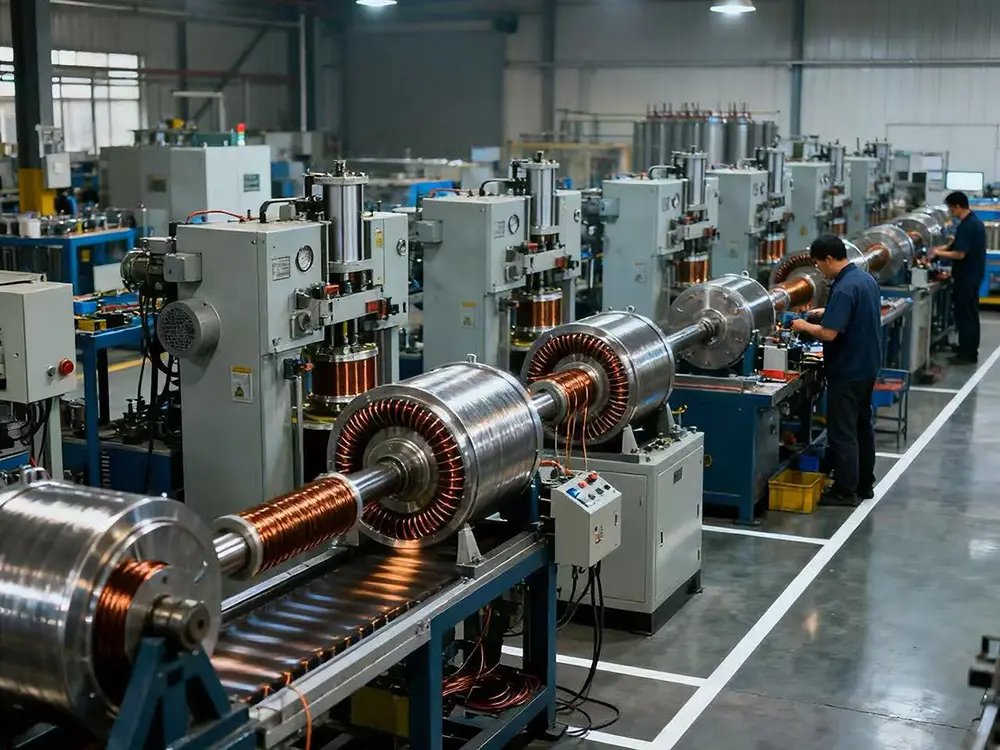
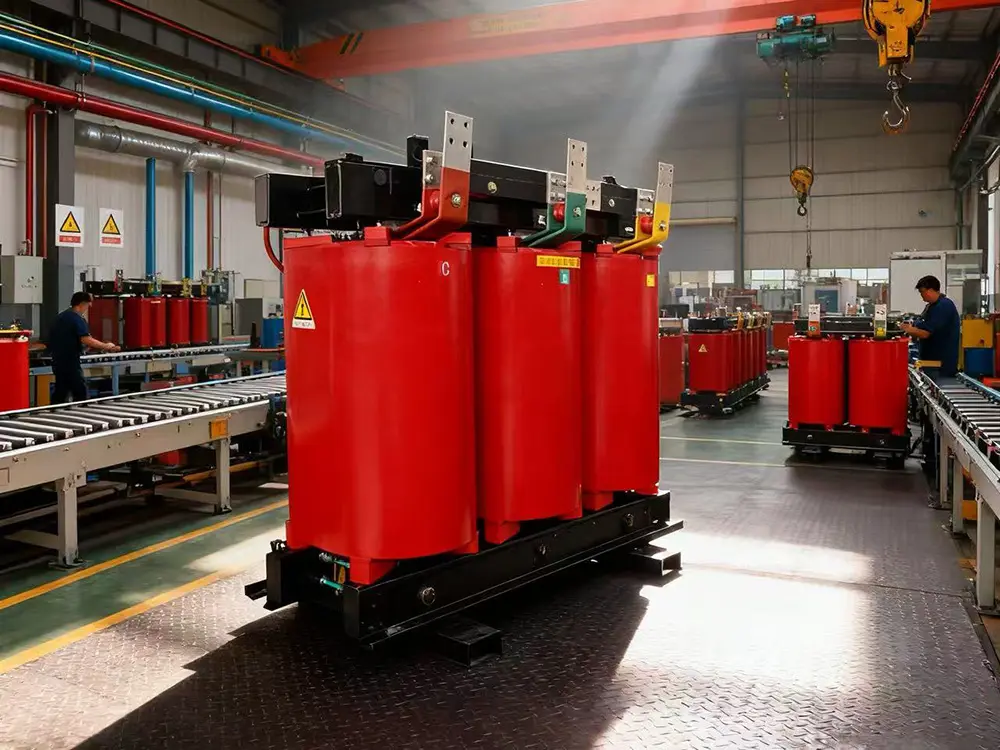
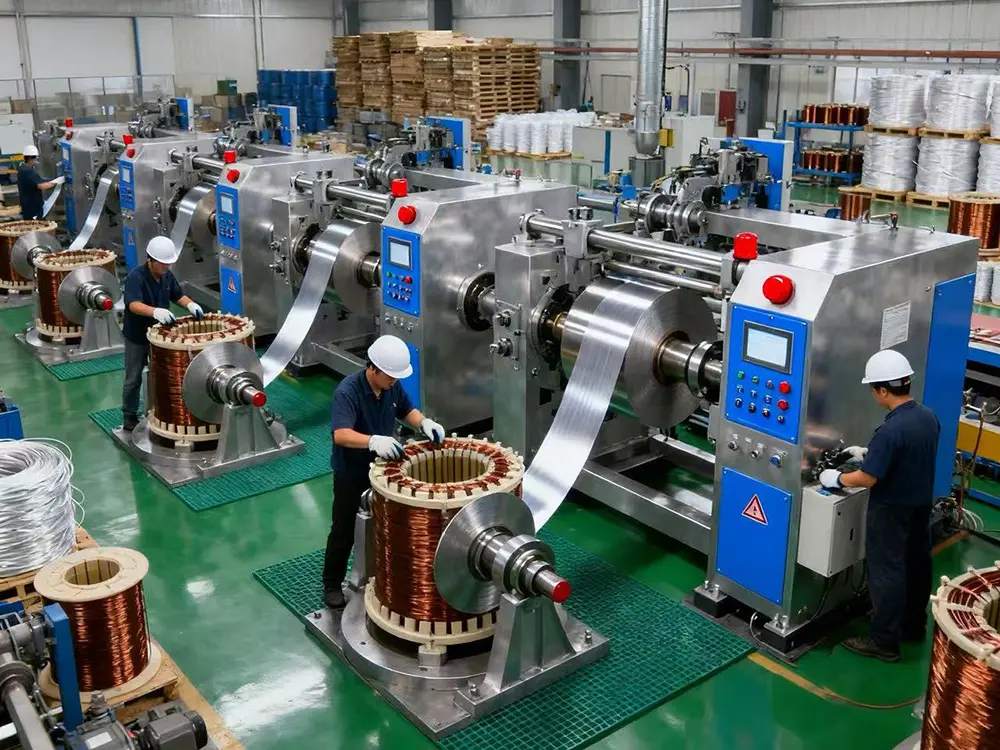
For decades, transformer manufacturing relied heavily on planar stacked cores (using M5, M4, or high-permeability domain-refined silicon steel). However, planar configurations introduce significant structural challenges: 90-degree magnetic path joints, air gaps at overlap corners, and high assembly stress. These factors increase both excitation currents and magnetic noise levels.
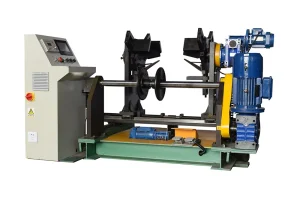
A 3D wound core is comprised of three identical closed rings configured in a triangular structure. Each ring is wound continuously from high-quality cold-rolled grain-oriented (CRGO) silicon steel strip. This eliminates the joints that act as magnetic bottlenecks. Key advantages include:
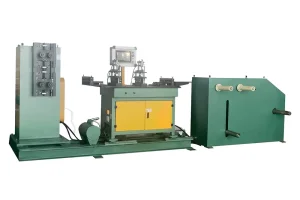
In applications where grid operators demand the absolute minimum standby losses, amorphous alloy cores are the ideal choice. The randomized atomic structure of amorphous ribbon gives it extremely low coercivity and high electrical resistivity, cutting eddy current losses to a fraction of traditional silicon steel. Wuxi Shuhong's dedicated amorphous alloy shearing lines are designed to handle this delicate, ultra-thin material (typically 20-30 microns thick) with minimal mechanical stress, ensuring no degradation of magnetic properties during shearing and assembly.
Deploying heavy industrial machinery in Italy demands strict adherence to local regulatory and safety standards. At Wuxi Shuhong, we ensure that every machine exported to the European market is fully compliant with the Machinery Directive 2006/42/EC, the Low Voltage Directive 2014/35/EU, and is marked with the CE Certification.
To bridge geographical gaps, we offer localized integration services including:
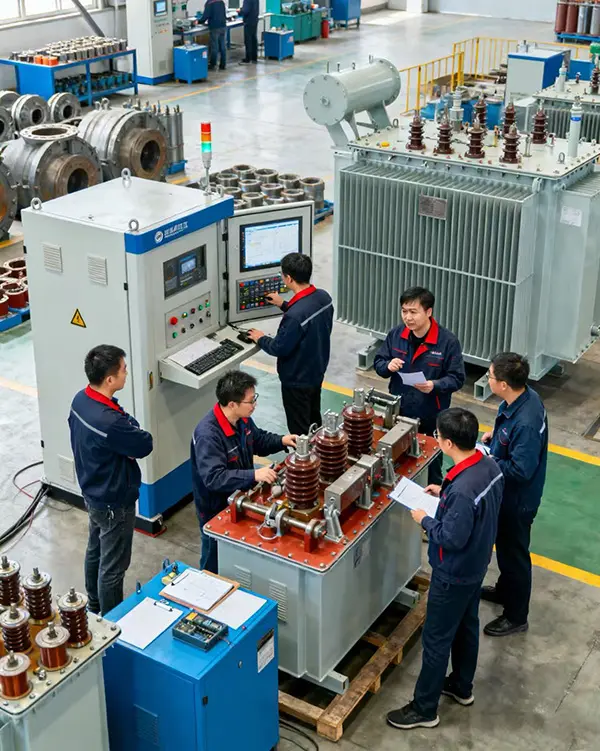
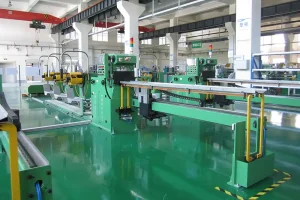
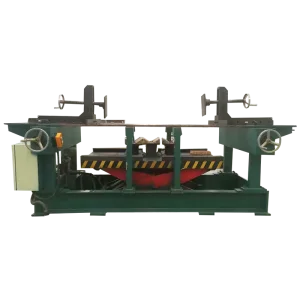
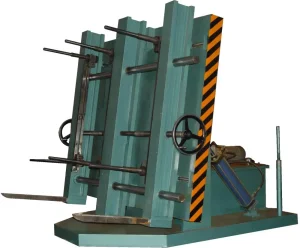
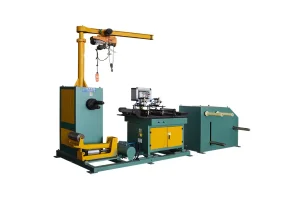
Building an efficient transformer requires a highly structured, repeatable process. Each piece of Shuhong machinery is built to integrate seamlessly into this step-by-step production flow, maximizing throughput and minimizing human error.
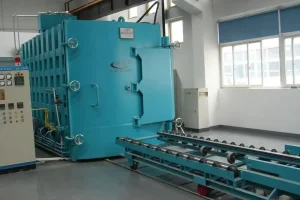
When silicon steel is bent or cut, mechanical stress deforms the internal grain alignment, reducing its magnetic permeability. Our high-vacuum annealing furnaces operate under nitrogen or argon atmospheres to restore these magnetic properties, maintaining temperatures up to 800°C with precision control curves. This ensures that the final 3D wound core achieves the exact loss metrics guaranteed by your design team.
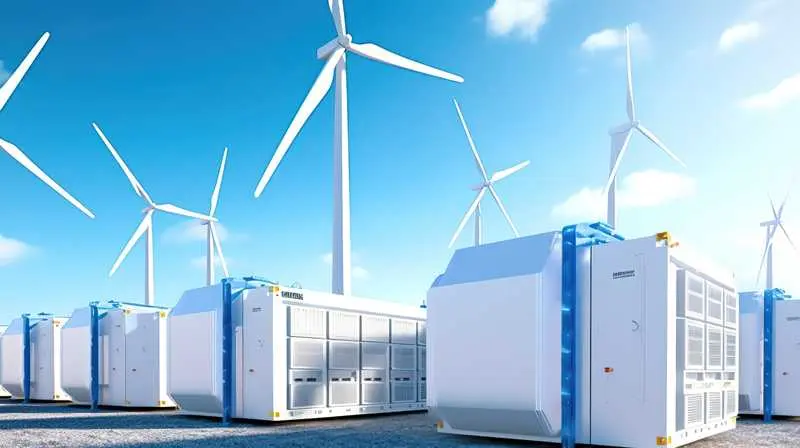
By 2030, the European Green Deal expects all industrial sectors to dramatically reduce carbon footprints. Power grid component factories in Italy must adopt zero-waste manufacturing concepts. Our R&D team is currently developing the next generation of smart slitting lines equipped with real-time laser thickness profiling and automatic burr detection systems. These updates will ensure that edge deviations remain under 0.01 mm, further reducing the inter-laminar losses in high-frequency power electronics cores.
Additionally, we are expanding our collaborations with local European raw material suppliers to optimize our winding algorithms for next-generation silicon-iron (Si-Fe) and nanocrystalline alloys, ensuring our machinery remains future-proof for the next decade of grid innovations.

Contact our technical engineering team today for a tailored machinery quotation matching your output requirements and European efficiency benchmarks.
Send Inquiry Now