1 / 1

Made of high thermal-conductivity materials (aluminum: ≥200 W/m·K; copper: ≥400 W/m·K), they quickly transfer heat from components (e.g., CPUs, IGBTs). Optimized structures (fins, microchannels) boost heat exchange, while passive models handle 30–65W loads and active (fan-equipped) ones support ≥100W with low thermal resistance (down to 0.3 K/W).
Passive heat sinks have no moving parts, avoiding wear and needing little maintenance (service life ≥10 years). Active models use durable PWM fans (MTBF ≥50,000 hours) and tolerate extreme conditions (-40°C to +125°C, vibration, dust) without performance drops.
Passive designs produce 0 dB noise, ideal for quiet spaces (e.g., bedrooms). Active ones adjust fan speed via PWM: 30–40 dBA at low loads (web browsing) and only ramp up when needed.
Aluminum heat sinks use low-cost extrusion; copper-aluminum composites cut material costs. No coolant refills or frequent part replacements reduce long-term TCO (30–50% lower than liquid cooling over 5 years).
Available in sizes from 50×50×15mm (IoT modules) to 300×200×80mm (industrial units). Compatible with screws, adhesive, or standard sockets (e.g., Intel LGA1700), fitting diverse device designs.
Aluminum (95% recyclable) and copper (100% recyclable) reduce waste; many use 5–10% post-consumer recycled material. Meets RoHS/REACH standards, with low CO₂ emissions during production.
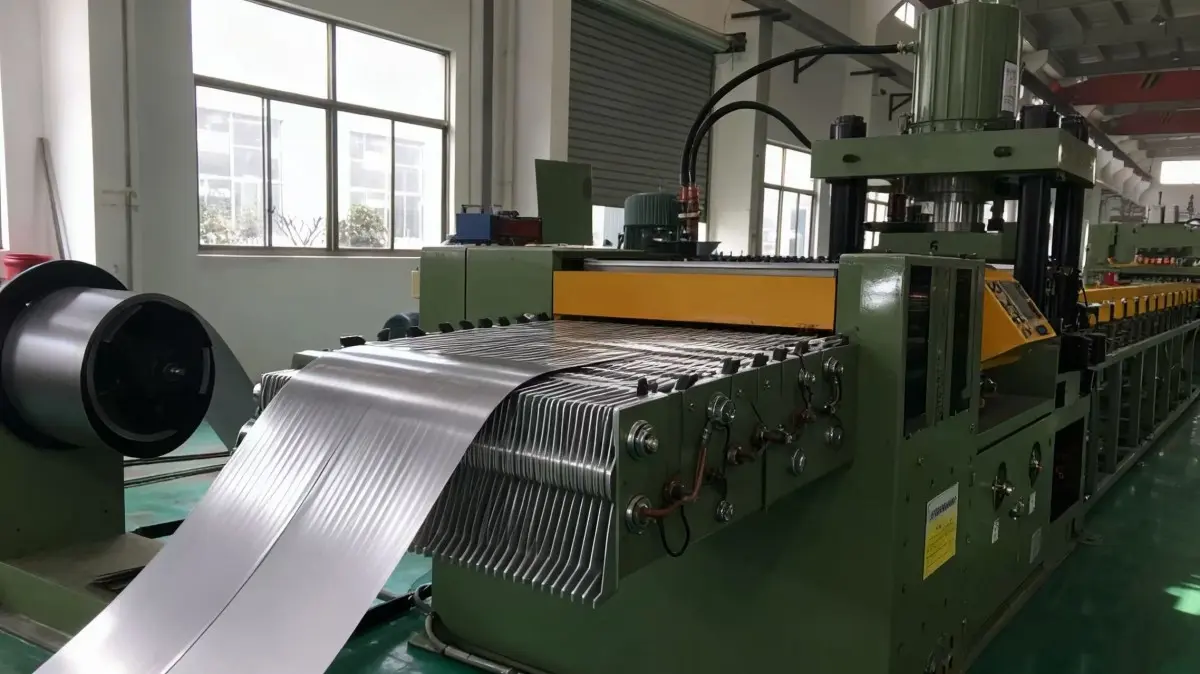
Heat sinks are widely used in consumer electronics, industrial control, automotive, new energy, telecoms, and medical fields to cool heat-generating components/equipment—preventing overheating-related performance issues or damage. Below are their key, simplified applications, tailored to different scenario needs:
Needs: Small size, low noise, and fit for compact spaces (handles 30–150W heat loads).
Needs: Tolerate harsh conditions (wide temps: -40°C to +85°C, vibration, dust) and long reliability.
A1: The heat sinks are manufactured using high thermal-conductivity materials like aluminum (≥200 W/m·K) and copper (≥400 W/m·K) to ensure rapid heat transfer from components.
A2: Passive heat sinks have no moving parts and feature a service life of 10 years or more with very low maintenance. Active models utilize durable PWM fans with a Mean Time Between Failures (MTBF) of 50,000 hours or more.
A3: No. While passive designs run at 0 dB, active models dynamically adjust fan speeds via PWM, generating only 30–40 dBA at low loads and scaling up performance only when thermal demands increase.
A4: Because they do not require coolant refills or complex part replacements, these heat sinks reduce the long-term Total Cost of Ownership (TCO) by 30% to 50% over a 5-year period compared to liquid cooling.
A5: Yes, they are available in highly flexible sizes starting from 50×50×15mm for IoT modules and compact setups, up to 300×200×80mm for demanding industrial applications.
A6: Yes. The aluminum is 95% recyclable and the copper is 100% recyclable. Additionally, the products comply with RoHS/REACH environmental standards and integrate 5–10% post-consumer recycled materials.