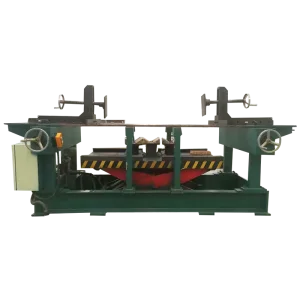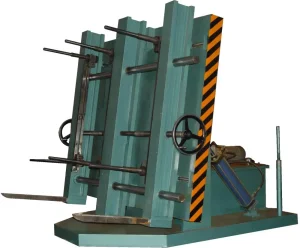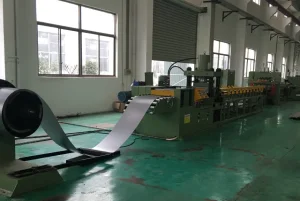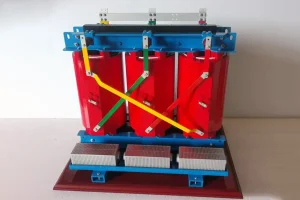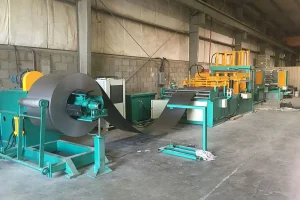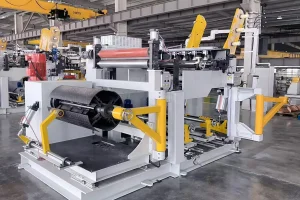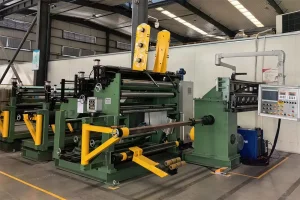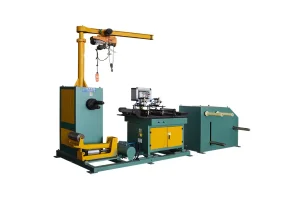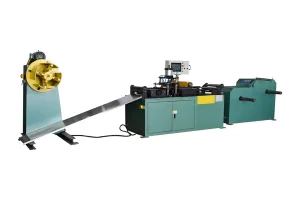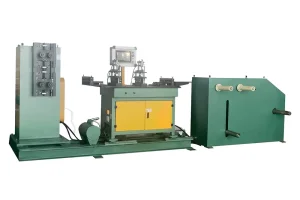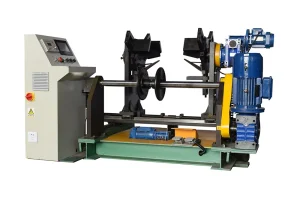
Precision-engineered automated systems for cutting, winding, and assembling transformers.
An in-depth analysis of semantic requirements, engineering standards, and efficiency benchmarks.
The global power grid is experiencing a seismic shift toward carbon neutrality, demanding next-generation electrical distribution equipment. At the heart of this grid infrastructure is the electrical transformer, whose efficiency is fundamentally dictated by its magnetic core. Modern core machines—spanning high-precision CNC shearing units, automatic winding assemblies, and vacuum annealing systems—represent the engineering baseline required to reduce no-load losses and eliminate structural hot spots. This whitepaper details how specialized machinery manufacturers deliver the tooling required to construct 3D wound cores, amorphous alloy laminations, and high-efficiency dry-type structures.
Historically, traditional stacked and mitred cores defined transformer construction. However, the manual intensive processes and inherent air gaps at joints created significant flux density degradation and structural noise. The rise of 3D wound core architectures and amorphous ribbon shearing has addressed these bottlenecks, but these modern methodologies mandate tight machinery tolerances. Even a sub-millimeter deviation in strip alignment during cutting or winding can trigger local saturation, scaling up hysteresis losses and reducing the equipment's lifespan.
"Integrating advanced automation in the slitting, shearing, and winding phases is no longer a luxury—it is a critical necessity to satisfy the stringent energy conservation regulations dictated by the European Ecodesign directives and IEEE C57 standards."
Global utilities and heavy industrial developers require transformer manufacturing machinery that balances operational speed with micro-level precision. When sourcing specialized longitudinal CNC slitting equipment or high-speed foil winding machines, engineering teams prioritize variables such as mechanical tension consistency, material compatibility, and automated error-correction loops.
For instance, amorphous alloys, while displaying exceptional magnetic performance, are notoriously brittle and thin (typically ~25 microns). Processing these ribbons demands dedicated CNC shearing machines equipped with carbide blade configurations and precise anti-burr controls. High burr heights can penetrate the interlaminar insulation, creating parasitic short-circuits that dramatically elevate temperature profiles. Sourcing standard industrial machinery without customized tension damping is a primary driver of factory failure rates in high-efficiency transformer production.
The transition to decentralized grids and wind/solar harvesting operations places unique stresses on grid components. Wind and solar power stations exhibit highly variable electrical loads, demanding transformers with superior heat dissipation and robust mechanical strength. Custom foil winding machines and corrugated sheet forming systems enable manufacturers to construct dry-type and oil-immersed units capable of weathering severe thermal cycling.
By utilizing automated dual-layer foil winding systems, factories can ensure optimal winding density, minimizing internal air gaps and boosting short-circuit resistance. Concurrently, high-precision corrugated sheet machines build the highly conductive cooling fins required for distribution transformer tanks. Together, these mechanical elements improve heat transfer, allowing units to operate coolly under continuous overload conditions.
On the shores of the picturesque Taihu Lake lies Wuxi, known as the "Land of Fish and Rice." This beautiful land has nurtured countless enterprising enterprises, with Wuxi Shuhong Machinery Technology Co., Ltd. standing out among them. Since its establishment in 2018, Shuhong Machinery has consistently prioritized technological innovation and quality service, steadily advancing in the fields of electrical and plastic machinery, becoming a high-tech enterprise with both strength and reputation.
Shuhong Machinery originated from its founder’s insight into machinery manufacturing. With over a decade in the industry (from front-line technical roles to management), the founder witnessed domestic machinery shift from "following" to "running alongside" global peers, and sensed the need for energy-efficient, intelligent upgrades.
During a State Grid project exchange, the founder found traditional transformers flawed in temperature control and service life (harming power stability, raising costs) and noted new energy’s higher equipment demands—thus focusing on R&D and manufacturing of high-efficiency, energy-saving transformers.
Overcoming funding and technical hurdles, the team worked day and night in labs and workshops on demos and optimizations, finally developing a transformer with a 30% lower temperature rise and 15-year lifespan, winning high client recognition.
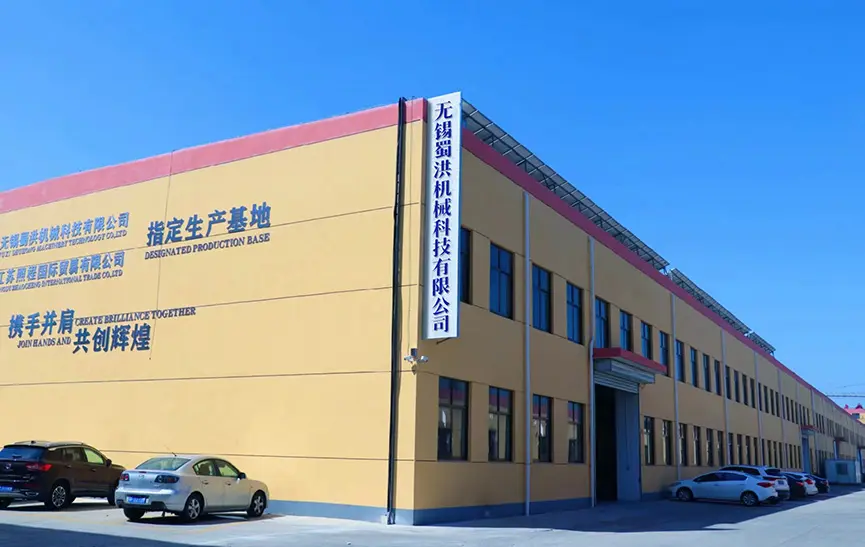
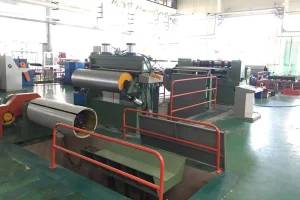
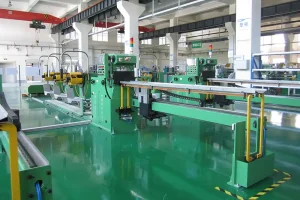
A look inside our integrated manufacturing divisions and technology deployment.
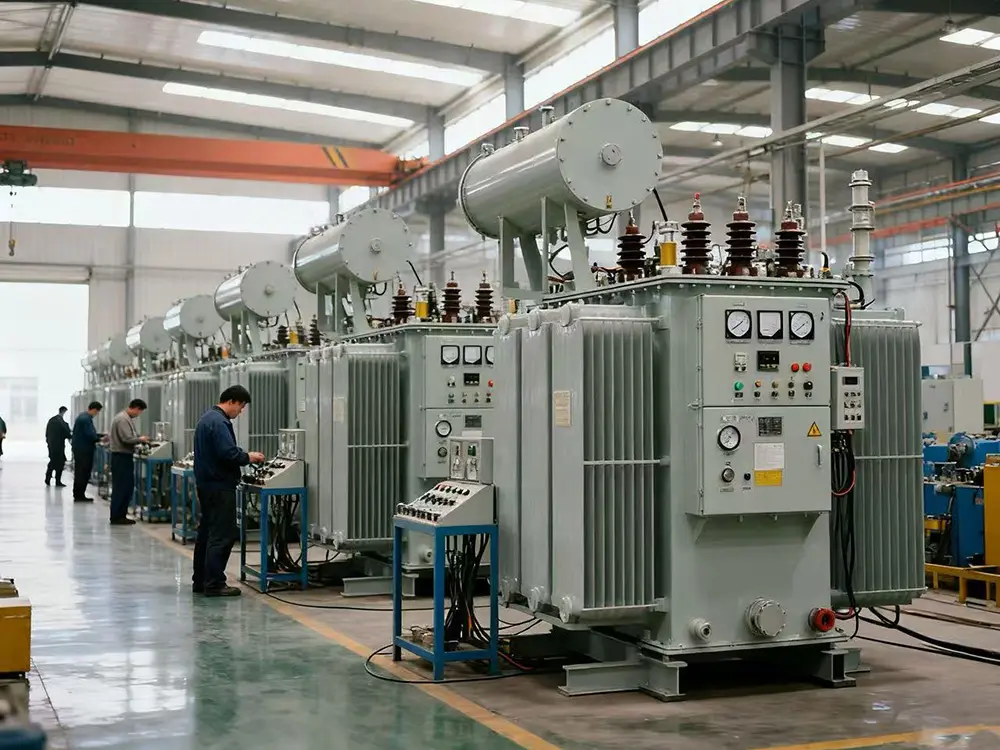
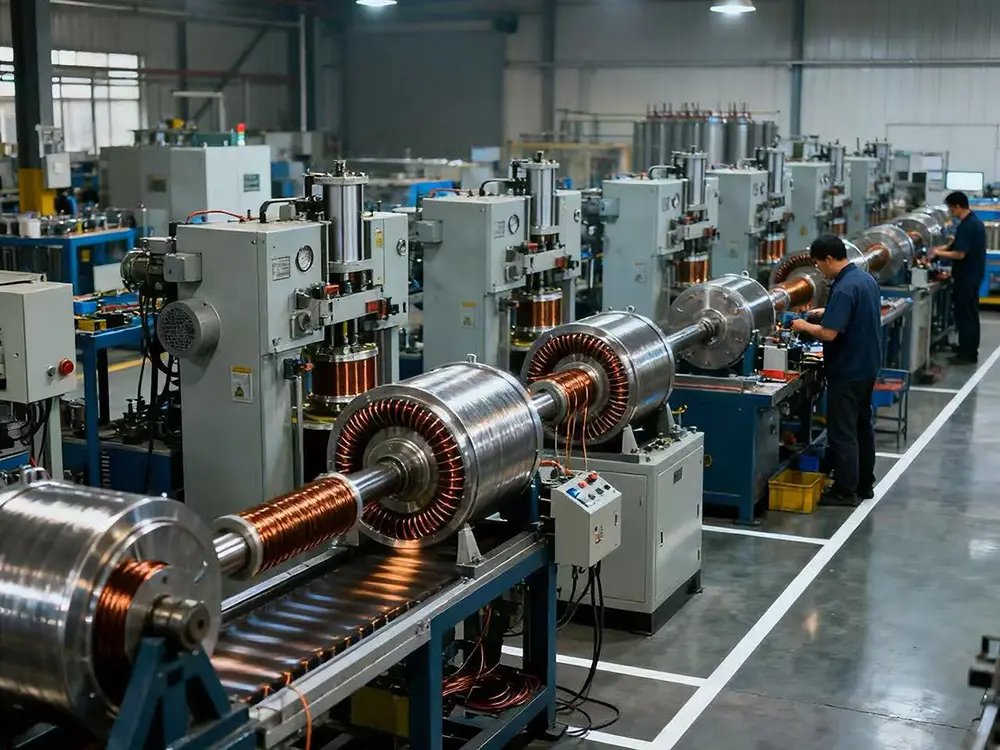
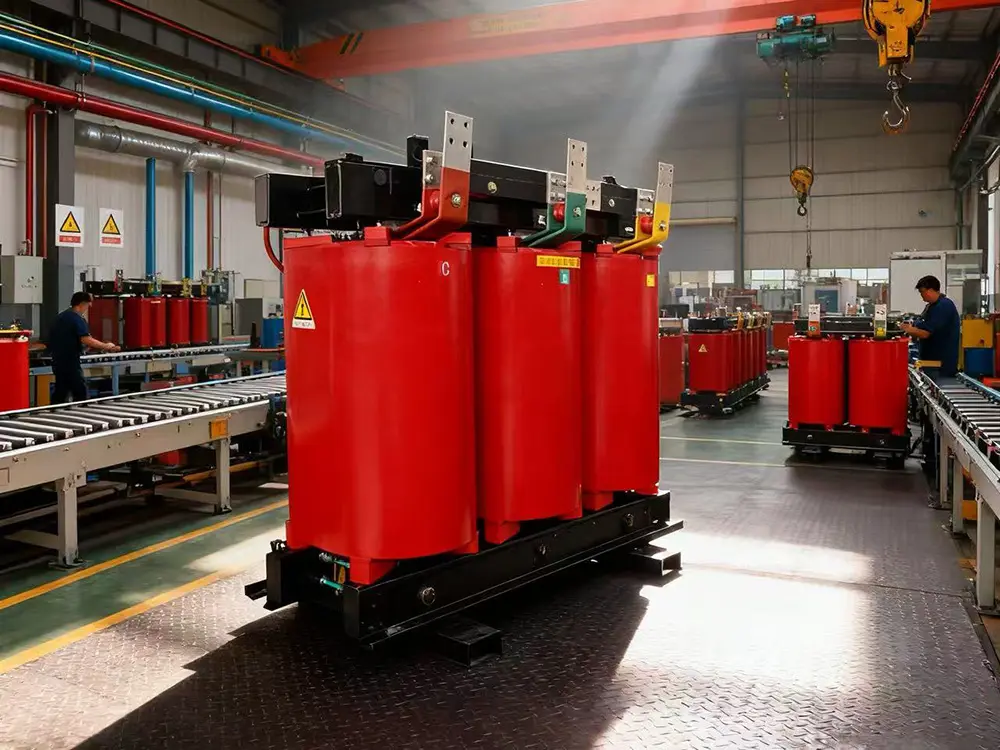
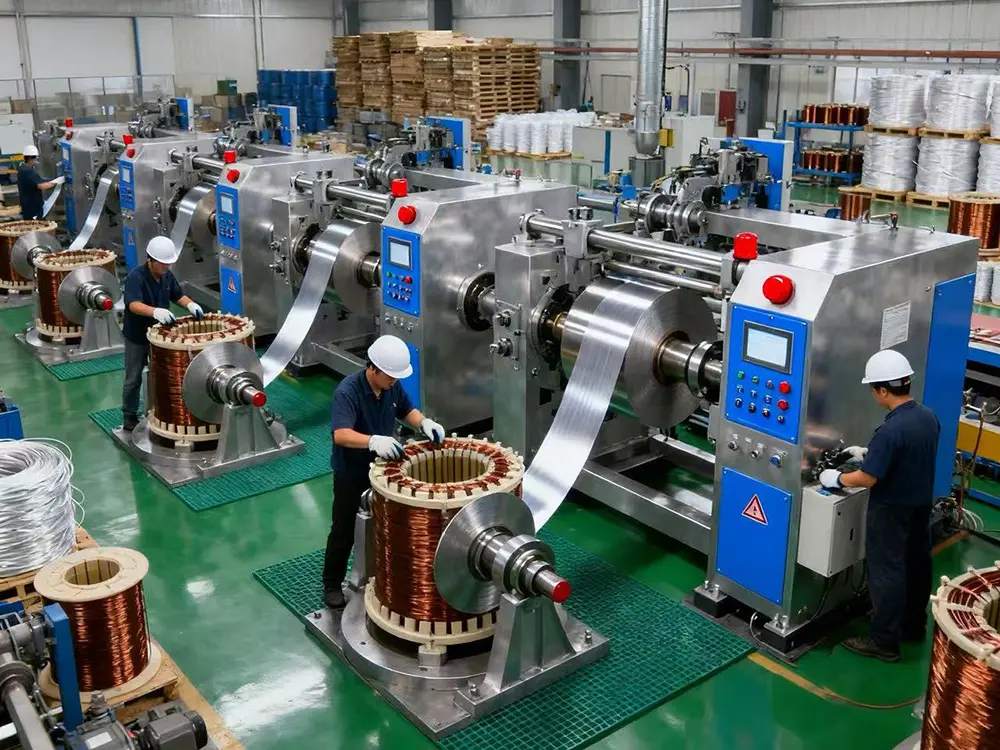
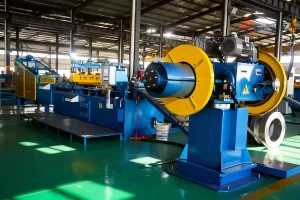
After years of development, Shuhong Machinery has built a complete R&D-design-production-sales-service industrial chain, with a professional R&D team and modern factories ensuring product quality. Focused on tech innovation, Wuxi Shuhong Machinery leads in insulation and temperature control; its products have passed State Grid and international certifications. It has supplied over 2,000 substations, boosting China's power and new energy industries.
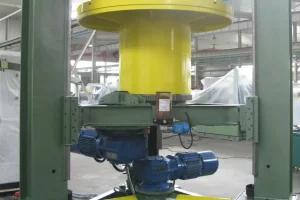
By maintaining complete control over both raw material verification and sub-assembly manufacturing, Shuhong Machinery limits component failures. Our vertical integration extends to mechanical component machining, control system programming, and test-bench calibrations. This comprehensive control allows us to deploy custom features on foil winding machinery and cutting lines, providing tailored solutions that standard equipment cannot match.
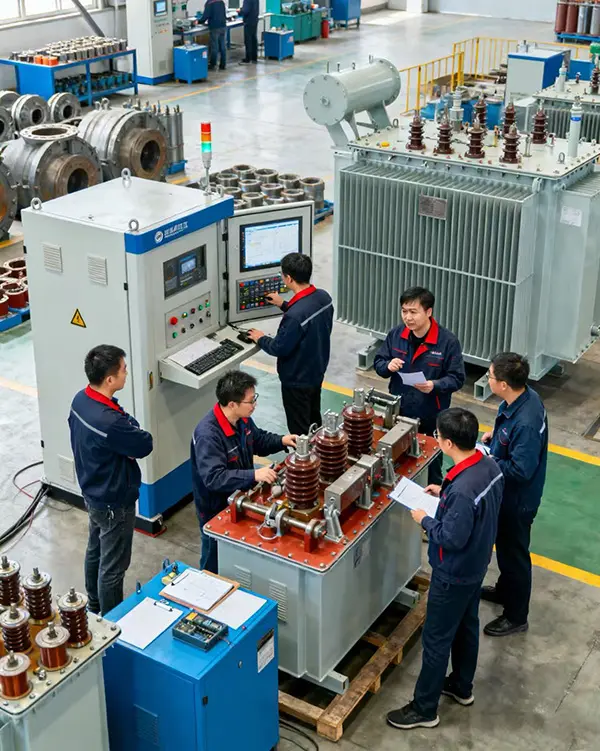
Shuhong Machinery adheres to the team management philosophy of "People-Oriented, Collaborative Innovation", taking an excellent team as its success foundation.
1. Talent Development: The company features a comprehensive training system tailored for different roles and technical tracks, actively encouraging employees to participate in international industry technical exchanges.
2. Teamwork: We actively break down departmental barriers with cross-departmental collaboration, using an advanced project management system and organizing regular team-building activities.
3. Incentives: Following the principle of "more work, better performance, better rewards," we implement a scientific performance appraisal system and offer benefits like equity incentives to motivate employees' enthusiasm.
A systematic trace of our core manufacturing phases ensuring performance and structural integrity.
Precision longitudinal slitting of raw silicon steel coils or shearing of amorphous metal strips with minimal edge burrs.
Continuous wrapping of core loops on high-performance winding machines to form the base magnetic structure.
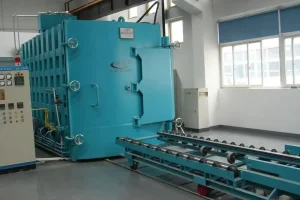
Vacuum annealing process to relieve internal mechanical stress and restore optimal electromagnetic properties.
High-precision wrapping of copper/aluminum foils or wires around the insulated magnetic core columns.
Structural integration of cores, coils, clamps, and auxiliary components into a cohesive transformer body.
Thermal evacuation phase to remove residual moisture from insulation layers, avoiding dielectric failures.
Vacuum oil filling for liquid-immersed transformers, providing essential dielectric strength and cooling.
Rigorous electrical, thermal, and mechanical diagnostic testing to confirm compliance with international grid standards.
Looking forward, Shuhong Machinery will uphold its business philosophy of "People-oriented, Integrity-driven, Collaborative Innovation, and Quality First." It will deepen focus on electrical and plastics machinery, boost R&D investment to strengthen core technologies, and launch more efficient, energy-saving and intelligent products.
The company will also expand domestic and international markets, cooperate with industry leaders, strive to build an internationally competitive machinery brand, and further contribute to China’s machinery manufacturing and energy sector development.
By designing smart diagnostic systems directly into our machines, we aim to offer real-time telemetry solutions. This will allow grid engineers to remotely monitor cutting alignment, winding stresses, and annealing temperatures, preventing downtime and maintaining production quality.
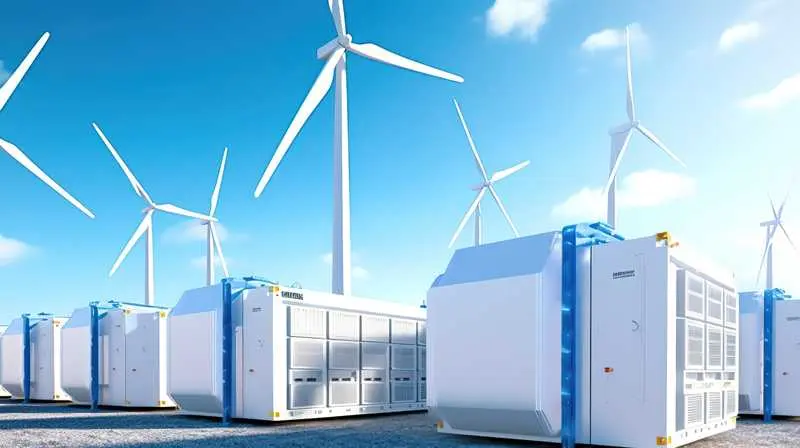

Since its establishment, Shuhong Machinery has prioritized "meeting customer needs," winning wide acclaim with cutting-edge technology, timely service and full compliance.
Our dedication to quality has allowed us to partner with national grid operators, multi-national distribution plant manufacturers, and engineering firms across Asia, Europe, and Latin America. We resolve complex winding bottlenecks, configure automated slitting tolerances, and ensure compliance with strict environmental regulations.
Resolving key technical queries for sourcing and plant management professionals.
Explore our complete product portfolio for electrical assemblies, heat sinks, and forming machinery.