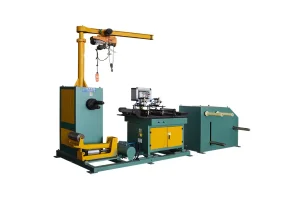
Explore our state-of-the-art transformers and core fabrication machines engineered for high efficiency, thermal resilience, and maximum longevity.
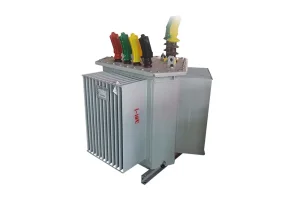
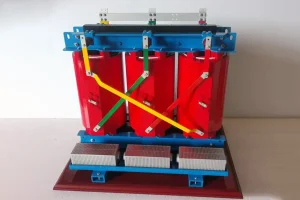
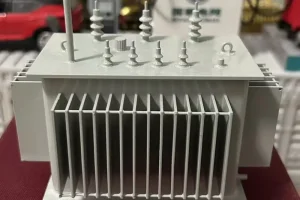
An authoritative whitepaper analyzing market trends, efficiency demands, and modern carbon neutrality goals.
As the global community shifts toward high-voltage green networks, the electrical infrastructure sector is experiencing a monumental transformation. Traditional distribution grids are under extreme stress from volatile renewable inputs and high-intensity industrial automation. Consequently, demand for robust electrical conversion architectures—particularly factories equipped to build low-loss distribution equipment—is surging. Organizations worldwide are shifting capital expenditure toward high-voltage substations and efficient local distribution matrices to maintain system integrity under dynamic load swings.
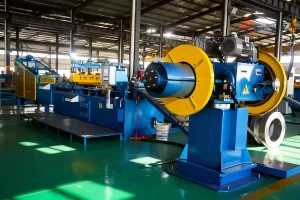
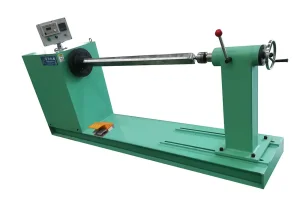
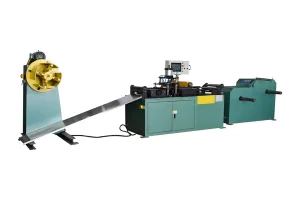
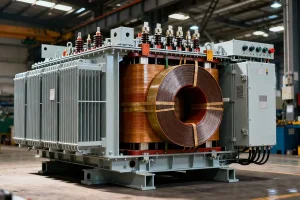
This evolution requires state-of-the-art transformer manufacturing processes that minimize no-load losses and optimize thermal profiles. Traditional stacked core assemblies are increasingly replaced by amorphous alloys and 3D rolled triangular cores. This modern shift relies on precision automation equipment, including high-speed horizontal and vertical winding structures and advanced silicon steel cutting systems, to produce standard-compliant machinery with a high return on investment.
Decarbonization drives a continuous demand for energy-efficient, dry-type, and amorphous alloy transformers. Grid authorities now enforce strict minimum efficiency standards, making old, high-loss infrastructure obsolete. Innovations focus on lowering core-loss coefficients, reducing copper consumption, and using bio-degradable, fire-resistant insulating fluids. This minimizes environmental impact while maximizing operating safety in densely populated urban and sensitive ecological zones.
At the same time, the rise of smart grids requires integrating digital monitoring arrays directly into transformer cores. Modern oil-filled and dry-type units come equipped with real-time temperature, gas, and load sensors. This allows operators to run predictive maintenance and prevent catastrophic failures. As a result, transformer factories must evolve into smart manufacturing ecosystems, merging heavy mechanical engineering with advanced IoT development.
Reliability is the foundation of high-voltage operations. A single grid failure can cause millions of dollars in secondary damages and long-term network instability. Establishing deep engineering authority requires absolute transparency in raw material selection, heat-run testing processes, and short-circuit capacity validations.
Wuxi Shuhong Machinery ensures high engineering standards by managing the complete design-to-assembly workflow. Using premium cold-rolled grain-oriented (CRGO) silicon steels, advanced vacuum annealing processes, and automated foil winding machinery, our systems are built to withstand high harmonic distortions and sudden thermal expansion stresses. This focus on craftsmanship ensures that every distribution transformer operates reliably for at least 15 years in tough industrial environments.
Modern electrical performance relies on both core metallurgy and precision mechanical winding technology. Our comprehensive technical roadmap bridges the gap between advanced material science and high-speed automated production machinery.
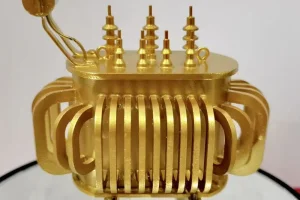
Unlike traditional rectangular stacked structures, 3D triangular rolled cores feature a continuous, gap-free circular path for magnetic flux. This design eliminates orthogonal joint resistance, reducing no-load losses by up to 25% and cutting operating noise levels. This layout ensures even thermal distribution and reduces hot-spot formation under heavy load conditions.
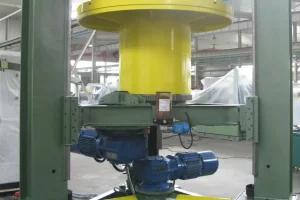
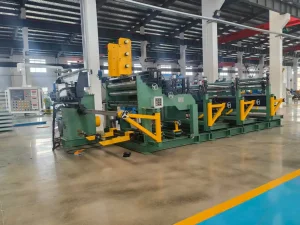
Precise coil winding is essential for short-circuit mechanical strength. By using automated vertical and three-layer foil winding machines, our facility maintains uniform tension control across all copper and aluminum layers. This prevents micro-gaps and physical displacement during severe fault overcurrent events, preserving insulation integrity.
To restore magnetic domain alignment after mechanical cutting, silicon steel cores undergo a controlled protective-atmosphere vacuum annealing process. This thermal treatment relieves internal stresses induced during core winding, optimizing permeability and minimizing eddy current losses in high-frequency applications.
Tailoring advanced electromagnetic structures to meet diverse global operating demands, from remote renewable energy zones to dense urban grids.
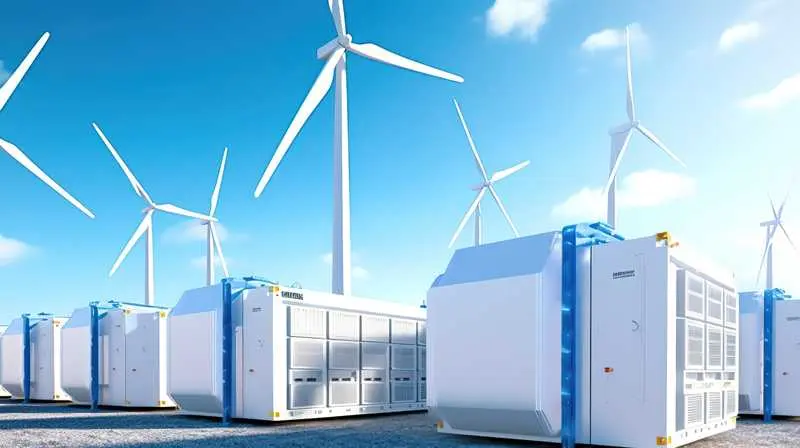
Large-scale photovoltaic plants require step-up systems that can handle rapid load changes and high harmonic content. Our custom planar wound core transformers offer low impedance fluctuation and high thermal stability, keeping operations stable even under intense solar output cycles.
For high-rise commercial complexes and underground substations, safety is the primary requirement. Our eco-friendly, dry-type transformers feature leakage-free epoxy cast resin insulation, eliminating fire hazards and oil contamination risks while providing excellent structural strength.
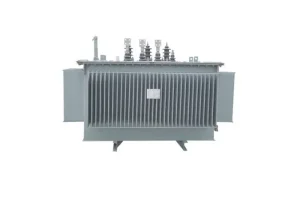
Arc furnaces, rolling mills, and chemical processing plants require transformers that can handle high currents and frequent overload conditions. Our heavy-duty oil-immersed cooling systems provide optimal thermal dissipation, ensuring continuous operations and long-term service life.
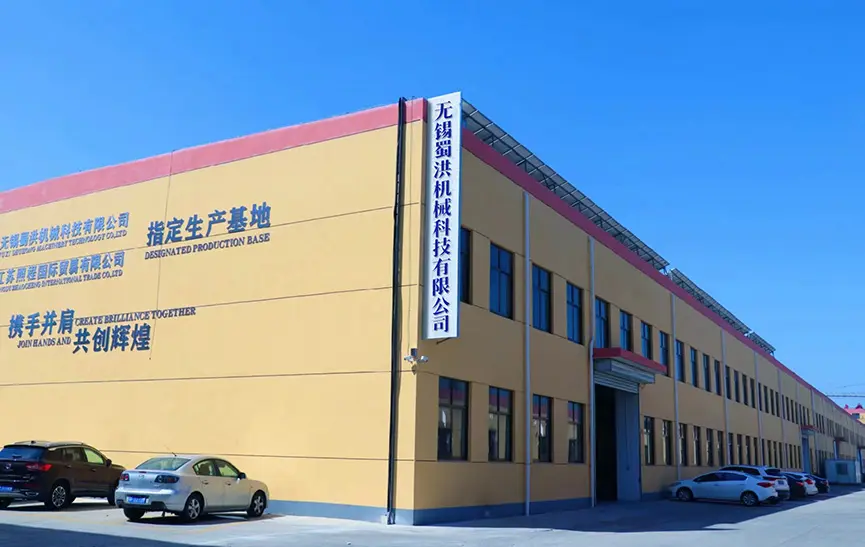
Located on the shores of Taihu Lake in Wuxi, Wuxi Shuhong Machinery Technology Co., Ltd. has been at the forefront of electrical and plastic machinery innovation since 2018. Over years of development, we have built a comprehensive industrial chain integrating R&D, design, production, sales, and technical service.
Our focus on technology leads the industry in coil insulation and temperature control. Through structured investments in high-precision processing equipment, our products have passed strict State Grid and international quality certifications. Today, we supply over 2,000 substations, supporting energy transition and industrial efficiency around the world.
Our growth is driven by our team management philosophy: "People-Oriented, Collaborative Innovation." By investing in regular technical training, breaking down departmental silos with integrated project tools, and aligning performance with equity incentives, we ensure our engineers remain focused on quality and manufacturing precision.
Our company originated from the founder's hands-on experience in machinery manufacturing. Having spent over a decade working from front-line technical roles to senior executive management, the founder witnessed the manufacturing industry shift from basic replication to advanced global design. This experience highlighted the need for energy-efficient, intelligent grid systems.
During a State Grid project exchange, the founder identified a common failure point in traditional transformers: poor temperature control and limited insulation lifespans, which increased operating costs. Recognizing the strict demands of renewable energy integration, the founder gathered a team of engineers to focus on R&D for high-efficiency, energy-saving systems.
Overcoming early funding and design challenges, the engineering team spent months testing prototypes in the laboratory. Their efforts led to a transformer design that reduced temperature rise by 30% and extended operational life to 15 years, earning recognition from grid operators and industrial clients.
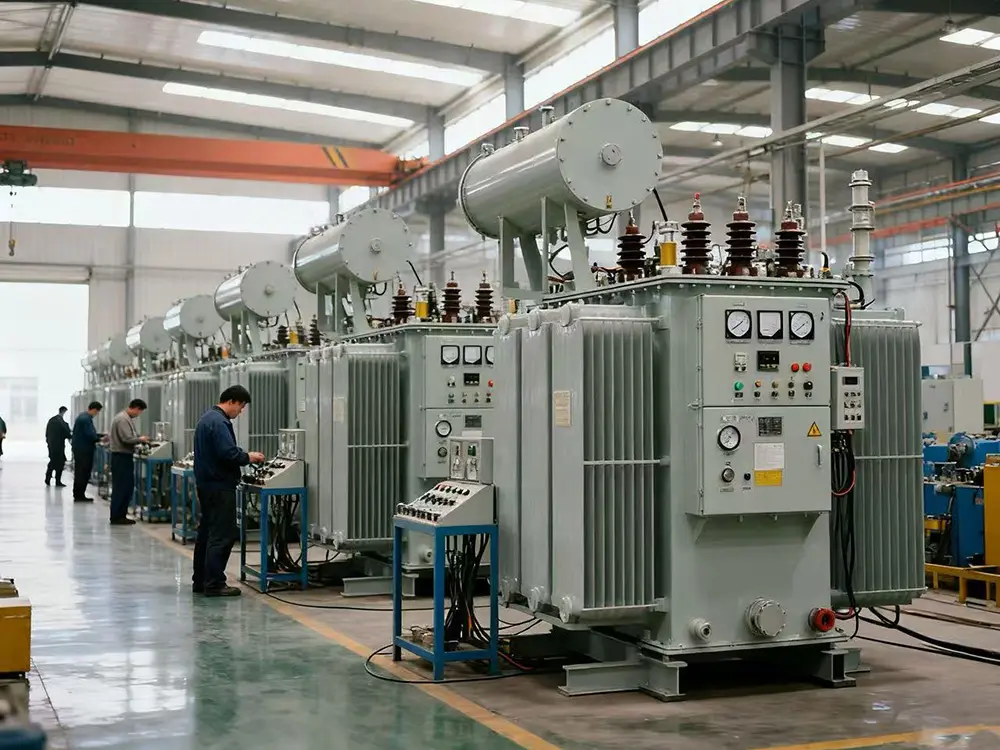
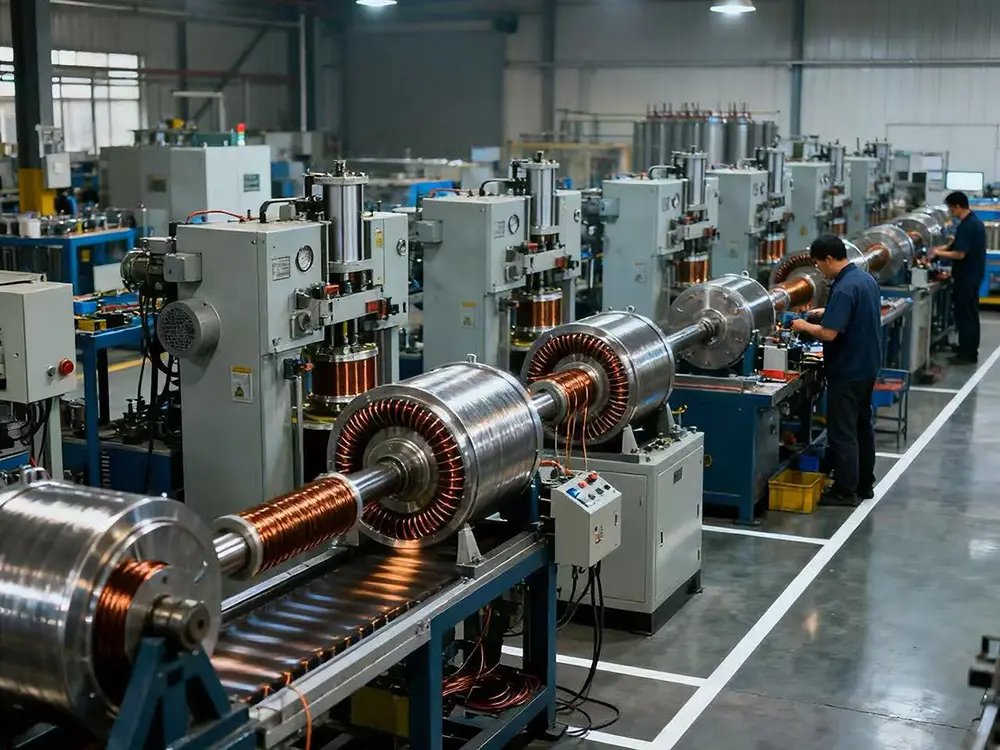
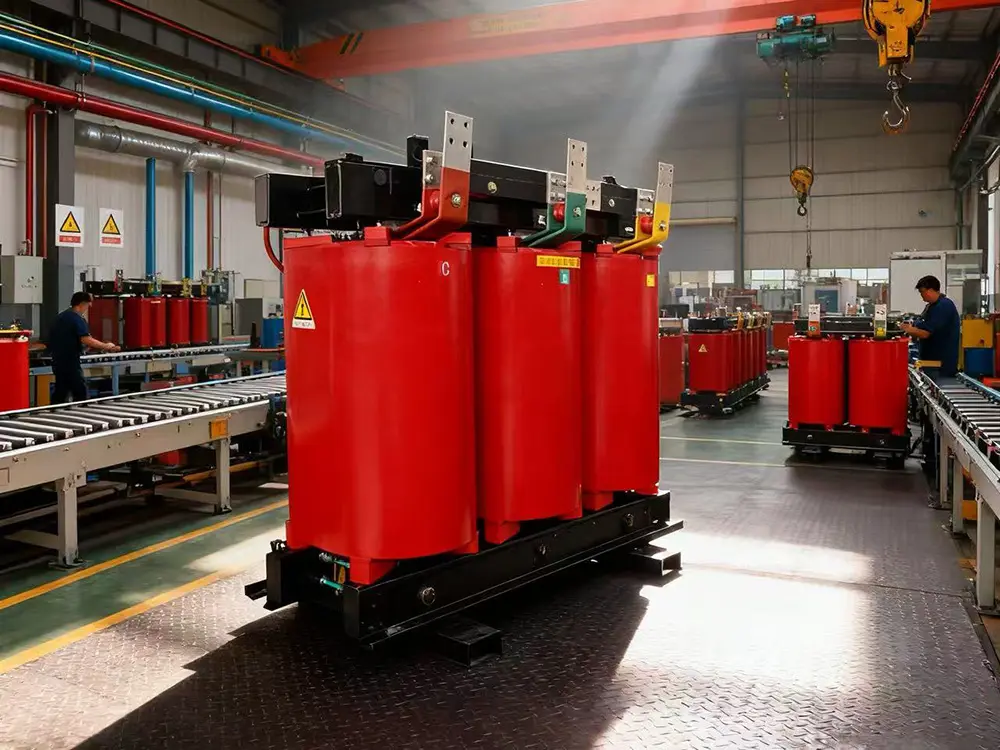
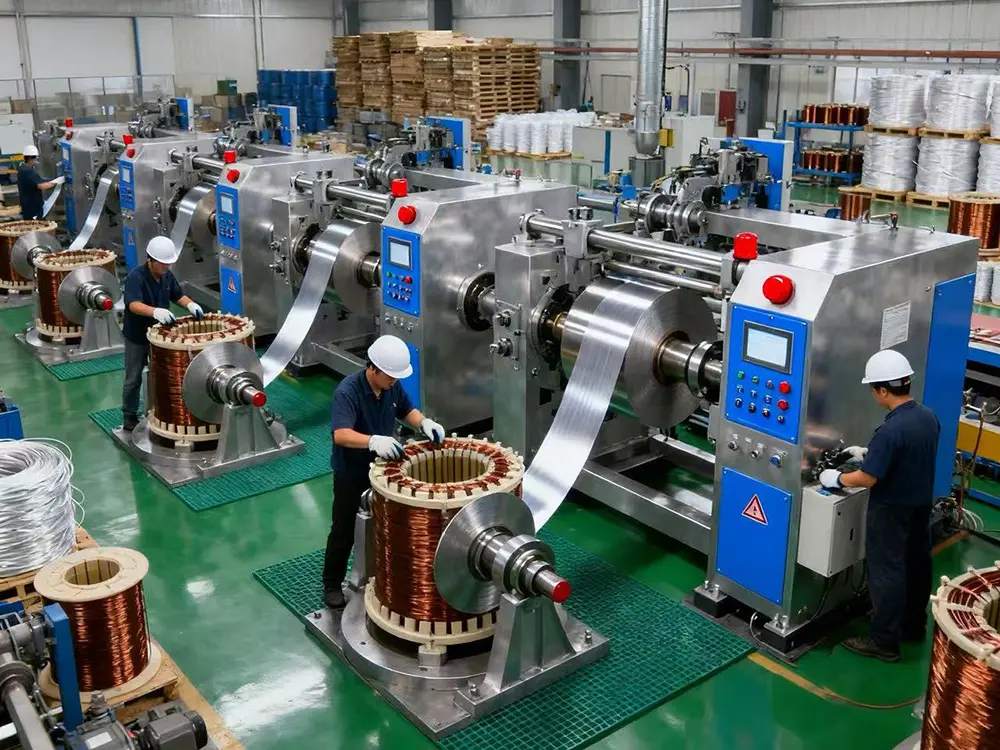
Every step in our production is carefully controlled to guarantee long-term mechanical strength and excellent electrical performance.
High-precision CNC cutting of low-loss silicon steel sheets.
Automated precision winding to ensure optimal electromagnetic efficiency.
Stress-relief heating in a vacuum furnace to restore magnetic permeability.
Precise foil or wire winding for high structural integrity.
Core-and-coil assembly with heavy-duty structural bracing.
Vacuum thermal extraction to remove all trace moisture from insulation.
Degassed insulating fluid injection under high vacuum.
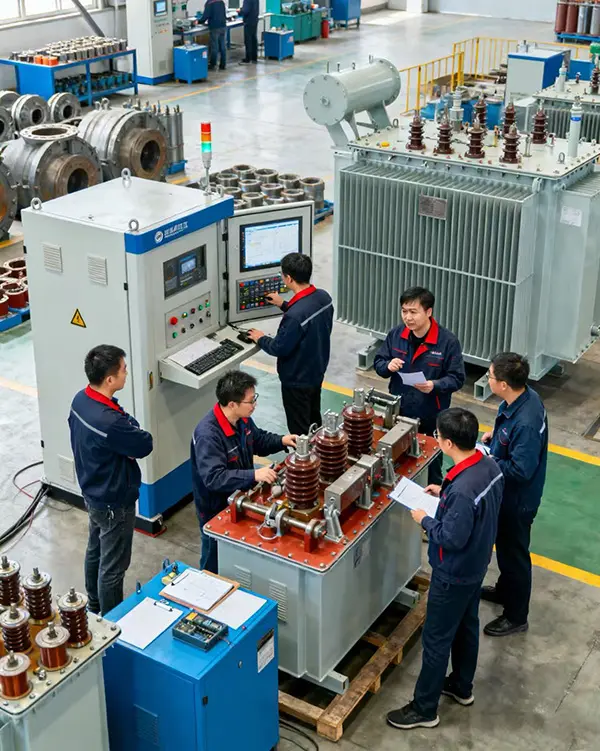
Full testing including impulse voltage, heat run, and loss measurements.
Our quality control protocols cover every step from raw material inspection to final product verification. We test all incoming copper wire and silicon steel coils to ensure they meet electrical purity and dimension specifications.
During production, laser alignment systems monitor winding accuracy to prevent tension changes. Completed core and coil units undergo vacuum chamber drying to eliminate moisture and prevent partial discharge issues during operations.
Before shipment, every transformer undergoes testing in our high-voltage laboratory. We verify load losses, winding resistance, and dielectric strength under conditions that simulate extreme grid conditions, ensuring reliable field operation.
“Shuhong Machinery's high-efficiency transformers have lowered our substation losses by 28% and maintained reliable performance through seasonal load changes. Their technical support team provided excellent assistance from design through installation.”
Detailed technical answers to common queries regarding core designs, winding styles, and operating efficiency.
A 3D triangular rolled core features a continuous, gap-free circular path for magnetic flux, eliminating the air gaps and orthogonal joints found in traditional rectangular stacked cores. This structural design reduces no-load losses by up to 25% and lowers excitation currents. The continuous winding layout also improves heat distribution and reduces magnetostriction-induced noise, resulting in quiet operation and a longer service life.
Dry-type transformers use solid dielectric materials, such as epoxy cast resin, instead of insulating liquids. The high-voltage windings are encapsulated in vacuum cast resin, preventing moisture absorption and contamination. This configuration eliminates the risk of oil leaks and fire hazards, making dry-type transformers suitable for indoor installations, hospitals, high-density residential structures, and locations with strict environmental regulations.
Amorphous alloy core transformers feature a core made of rapidly solidified metallic glass ribbon. The lack of a crystalline structure gives the core low magnetic hysteresis loss and high permeability. This allows amorphous core units to reduce no-load losses (core losses) by up to 70% to 80% compared to standard silicon steel cores, making them ideal for wind farms, solar arrays, and rural grids characterized by low average loading.
Mechanical cutting, slitting, and bending generate mechanical stress in silicon steel ribbons, which can disrupt magnetic domain boundaries and increase excitation losses. Subjecting the wound cores to a protective-atmosphere vacuum annealing process at temperatures between 750°C and 820°C relieves these internal stresses. This thermal cycle restores the core's magnetic properties, ensuring it meets its nominal efficiency ratings.
Foil winding uses wide metal sheets (copper or aluminum) instead of individual wires to carry current, distributing the electrical current evenly over the width of the coil. This design reduces skin effects and eddy-current losses caused by high frequency harmonics. It also provides high axial mechanical strength, preventing axial movement and deformation during short-circuit fault conditions.
Wuxi Shuhong Machinery remains committed to our core philosophy: "People-oriented, Integrity-driven, Collaborative Innovation, and Quality First." Looking ahead, we plan to increase our investment in R&D to develop smarter, more efficient products.
We aim to expand our presence in both domestic and international markets, partnering with global industry leaders to design equipment for high-voltage and renewable energy grids. Through continuous engineering improvements, we support the transition to more sustainable global power networks.
By integrating IoT sensors and advanced thermal management materials into our transformer models, we continue to improve grid reliability and efficiency, supporting modern industrial growth.

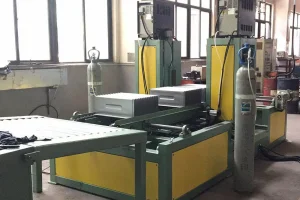
High-precision core cutting, sheet welding, and automated winding equipment designed to optimize factory operations.