
Cheap Vacuum Annealing Furnace for Metals & Silicon Steel - Leading China Suppliers & Factory Solution Manufacturer, Products

,

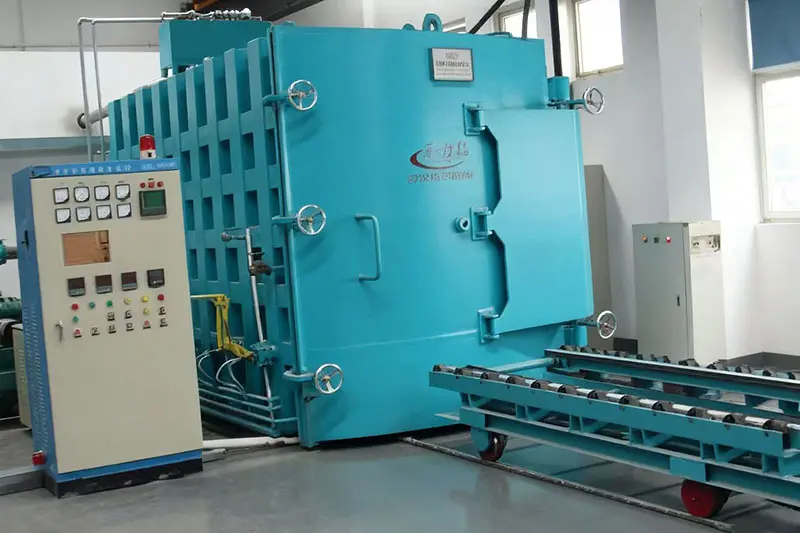
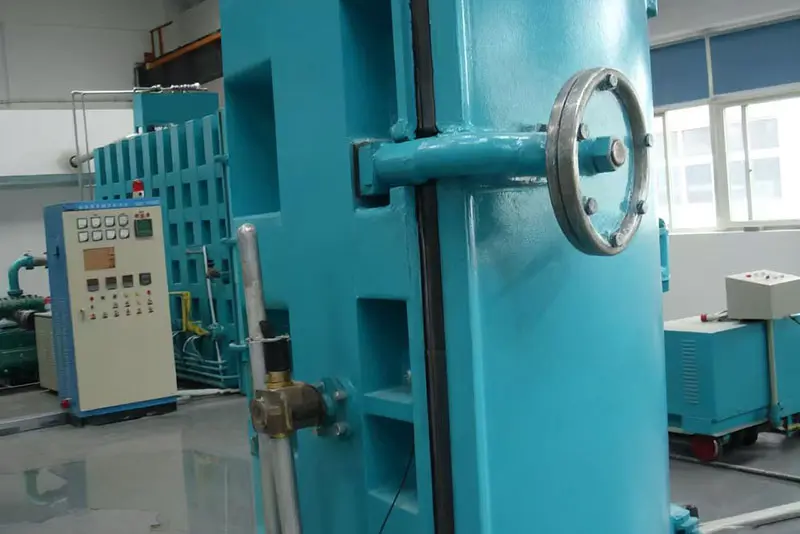
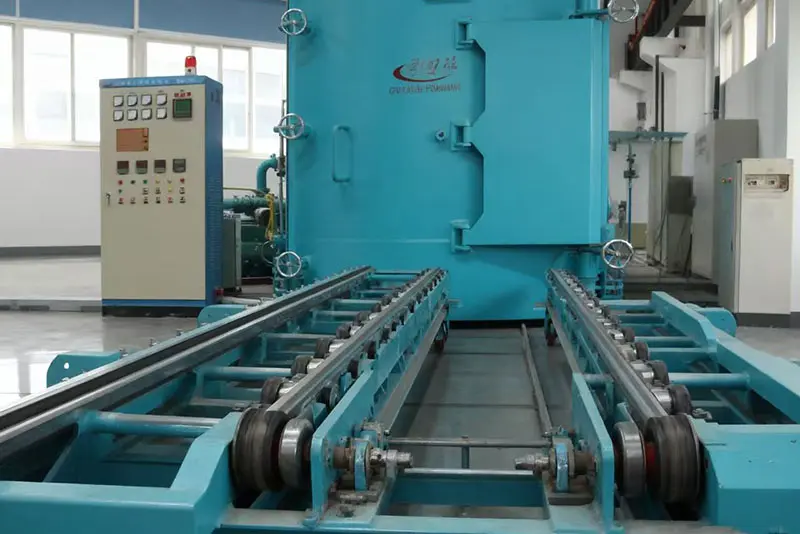
Introducing our Vacuum Annealing Furnace, a cutting-edge solution designed specifically for the heat treatment of metals, including silicon steel and stainless steel, as well as amorphous alloys and magnetic materials. Manufactured in China, our furnace operates under a vacuum atmosphere to effectively prevent oxidation and contamination, ensuring the highest material purity throughout the annealing process.

,

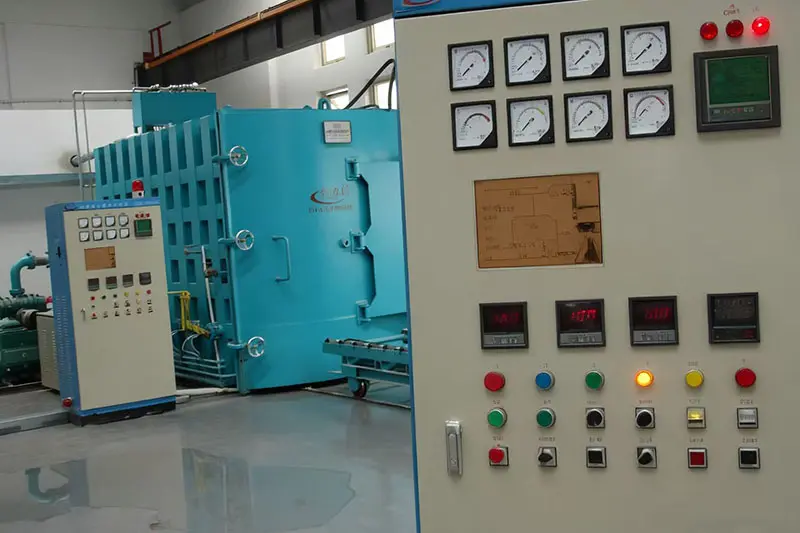
With a remarkable temperature range of RT-1200℃ and a control accuracy of ±5℃, this furnace allows for precise tuning of processes to alleviate internal stress, enhance toughness, and optimize magnetic properties, which are crucial for silicon steel cores. As a trusted supplier from a leading factory, we guarantee intelligent control features that support batch processing, reduce cycle times, and adhere to industrial standards across the electrical, automotive, and machinery sectors.

,

Product Description

Product Specification

Furnace type Horizontal signal room
Effective size of inner liner 1000x1100x2200mm (W)x(H)x(L)
Effective size of inner liner 1200x1200x2600mm (W)x(H)x(L) — Note: Rated furnace capacity 10000KG, Power 180KW, vacuum unit: 2X+70 pumps + 150 Roots pumps, other technical requirements are the same.
Max loading capacity 5000 kg
Maximum furnace temperature 950℃ (900℃ / 800℃–850℃ is enough for your material)
Limit vacuity 100 Pa
Pressure rising rate <50 Pa/h
Air exhausting time 30 min (Vacuum 400 Mpa)
Heating power 120 kW(3×40 kW)
Temperature uniformity ≤±2℃ (Insulation)
Temperature of furnace surface Room temperature + 35℃
Temperature Points 3
Temperature control method Automatic by program
Operation mode Manual (Furnace door)
Cooling water capacity 10~12 T (Tons per hour)

Advantages

  • 🛡️
    1. Oxidation & Contamination Prevention

    Operates in a high-vacuum atmosphere, completely isolating materials (e.g., silicon steel, amorphous alloys) from air during annealing. This eliminates oxidation, decarburization, and impurity adsorption, ensuring the original purity and surface quality of materials—critical for high-performance components like silicon steel cores.

  • 🌡️
    2. Precise Temperature Control

    Offers a wide temperature range (RT–1200℃) with ±5℃ control accuracy. It enables precise tuning of annealing processes to target specific material improvements: relieving internal stress, enhancing toughness, and optimizing magnetic properties to boost energy efficiency of magnetic materials.

  • ⚙️
    3. Strong Material & Industry Adaptability

    Suitable for heat treatment of diverse materials—metals (stainless steel, carbon steel), amorphous alloys, and magnetic materials. It meets annealing demands across sectors: electrical, automotive, and machinery, with flexible process parameter adjustment for different specifications.

  • 4. Efficient & Safe Operation

    Integrates intelligent control systems for automated temperature ramping, vacuum monitoring, and batch processing—shortening annealing cycles by 20%+ vs. traditional furnaces. Equipped with overheating protection, vacuum leakage alarms, and pressure relief devices, it complies with industrial safety standards.
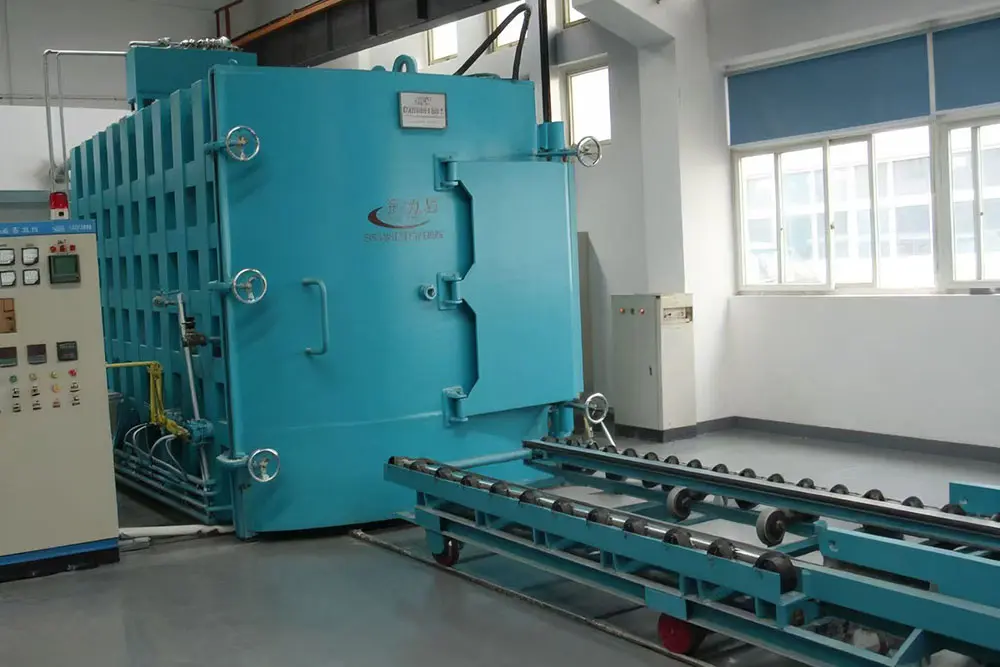
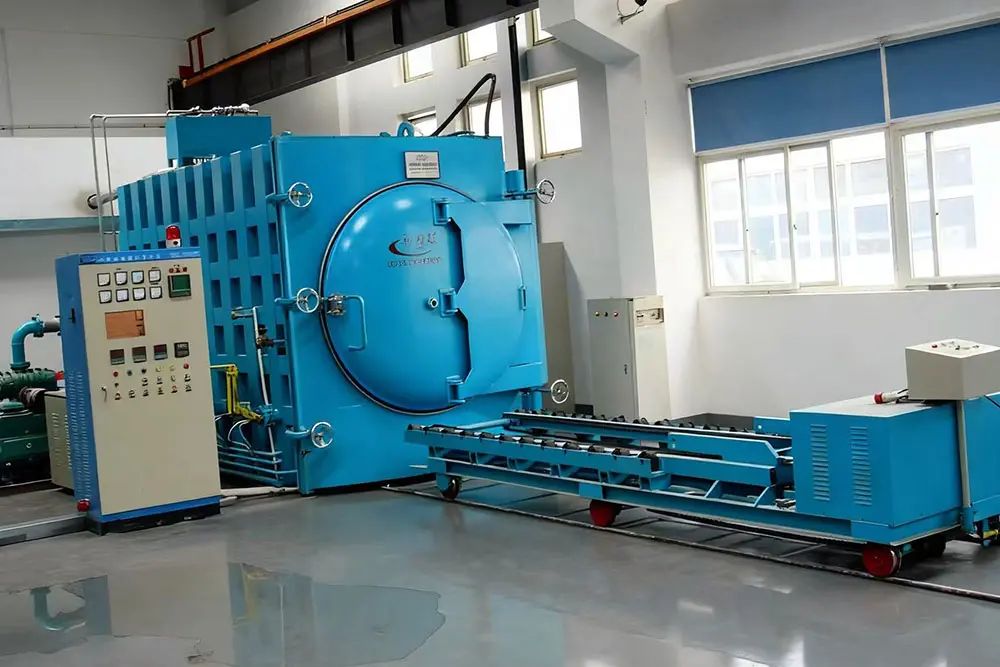
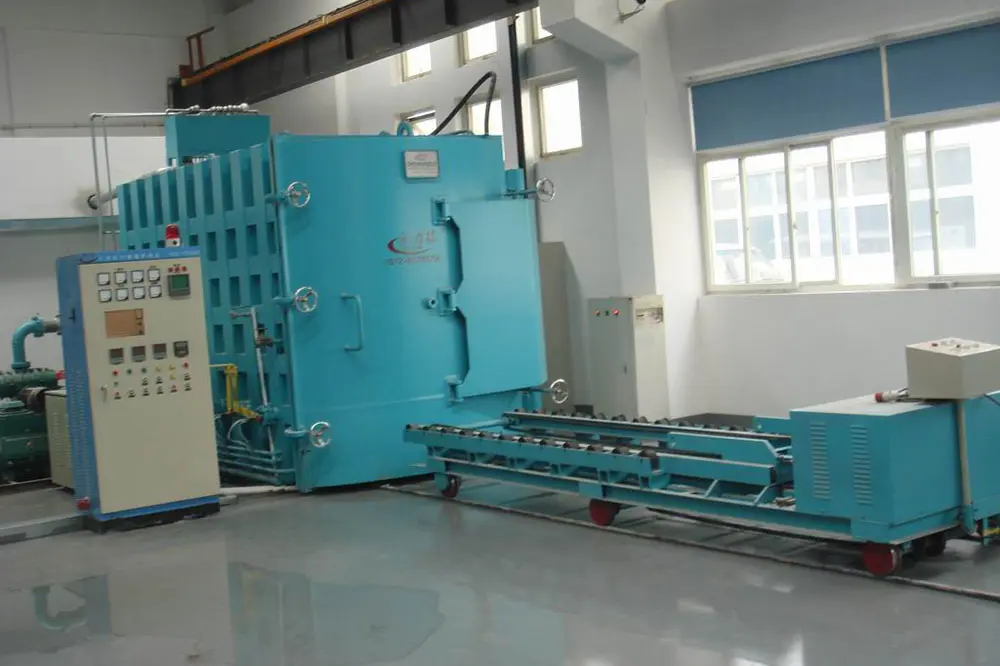
Product Display

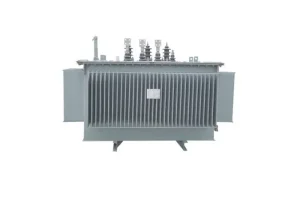
Product Display (1)
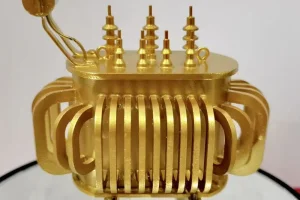
Product Display (2)
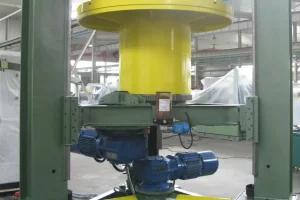
Product Display (3)
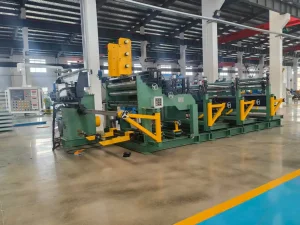
Product Display (4)

Application

1
Silicon Steel & Magnetic Material Processing

It is essential for annealing grain-oriented (GO) and non-oriented (NGO) silicon steel cores (used in transformers and motors). Under vacuum, it eliminates oxidation, optimizes silicon steel's grain orientation, and reduces internal stress—directly enhancing magnetic permeability and lowering core loss. This ensures the energy efficiency of final electrical products (e.g., low-loss transformers, high-performance motors) meets industrial standards.

2
Metal Component Manufacturing (Automotive & Machinery)

For high-strength metal parts (e.g., automotive transmission components, precision mechanical gears) and stainless steel products, the furnace performs vacuum annealing to relieve internal stress caused by forging, casting, or machining. This prevents deformation/cracking during subsequent processing or use, improves material toughness and fatigue resistance, and extends the service life of components—critical for automotive and heavy machinery reliability.

3
Amorphous Alloy & Special Material Treatment

It processes amorphous alloy cores (for amorphous transformers/inductors) and rare metal materials (e.g., titanium alloys). The vacuum environment avoids oxidation of fragile amorphous alloys during annealing, maintains their unique atomic structure, and stabilizes magnetic properties. For rare metals, it ensures surface purity, laying the foundation for their application in high-tech fields (e.g., aerospace precision parts).
Frequently Asked Questions

Q What is the maximum loading capacity of this vacuum annealing furnace?
A The standard model supports a maximum loading capacity of 5,000 kg. An upgraded configuration with an inner liner size of 1200×1200×2600mm is available, supporting up to 10,000 kg with a 180 kW power rating.
Q What materials can be processed in this vacuum annealing furnace?
A The furnace is suitable for a wide range of materials including grain-oriented and non-oriented silicon steel, amorphous alloys, stainless steel, carbon steel, titanium alloys, and other rare metals. It serves industries such as electrical, automotive, and aerospace.
Q What is the temperature control accuracy of this furnace?
A The furnace features a temperature uniformity of ≤±2℃ during insulation and supports a maximum temperature of 950℃ (with 800℃–850℃ typically sufficient for most silicon steel and amorphous alloy applications). Temperature control is fully automated via programmable controllers.
Q How long does it take to reach the required vacuum level?
A The air exhausting time to reach a vacuum level of 400 MPa is approximately 30 minutes. The limit vacuity of the furnace is 100 Pa, with a pressure rising rate of less than 50 Pa/h, ensuring a stable and clean processing environment.
Q What safety features are included in this vacuum annealing furnace?
A The furnace is equipped with multiple safety mechanisms including overheating protection, vacuum leakage alarms, and pressure relief devices. It fully complies with industrial safety standards, ensuring stable and low-risk long-term operation in demanding production environments.
Q How does vacuum annealing improve the performance of silicon steel cores?
A Vacuum annealing eliminates oxidation and surface contamination, optimizes grain orientation in silicon steel, and relieves internal stress introduced during manufacturing. These improvements directly enhance magnetic permeability and reduce core loss, resulting in higher energy efficiency for transformers and electric motors.

Related Products