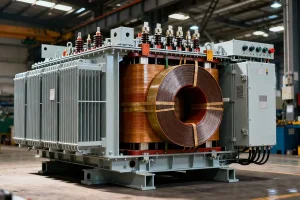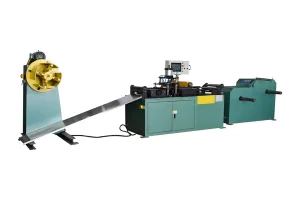
Explore our top-tier manufacturing equipment and transformer core solutions built to maximize operational throughput and energy efficiency.
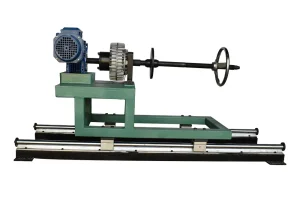
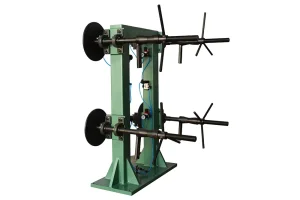
The modernization of global power transmission architectures requires unprecedented efficiency levels from low voltage (LV) and medium voltage (MV) distribution equipment. Utility firms, heavy industrial systems, and renewable energy grids now demand transformers and switchgears engineered to withstand harmonical distortions while minimizing core energy losses.
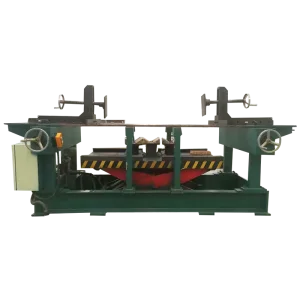
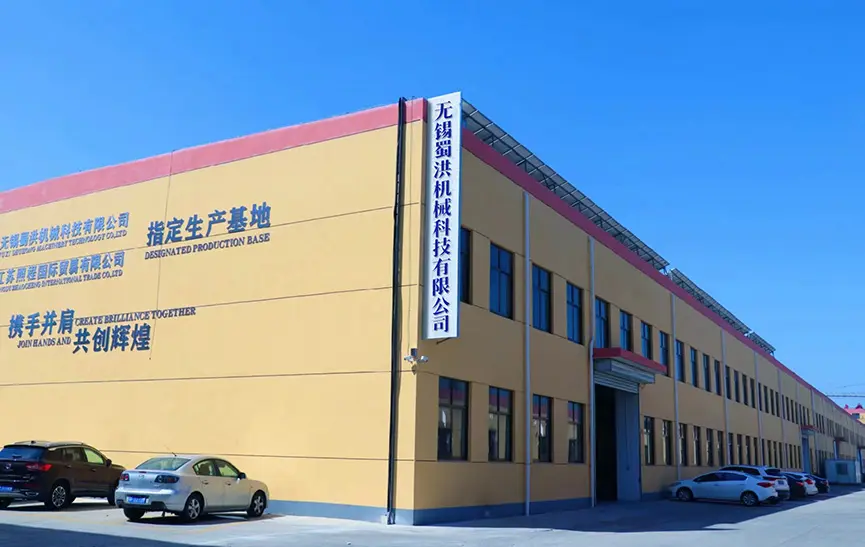
As a pioneer in custom industrial solutions, Wuxi Shuhong Machinery Technology Co., Ltd. bridge this technical gap. Located in Wuxi, China, we develop processing equipment that allows manufacturers to construct highly efficient core geometries, apply consistent tension in foil windings, and secure stable thermal characteristics to pass strict utility grid audits.
Lower Temperature Rise
Years Design Lifespan
Substations Deployed
Established in Wuxi
How technical and environmental forces are transforming procurement standards for global electrical grids.
Traditional silicon steel cores exhibit high hysteresis losses. Modern designs utilize amorphous alloys to cut no-load energy losses by up to 70-80%, matching strict municipal and corporate ESG efficiency target directives.
By using continuous, gap-free wound paths instead of stacked laminations, 3D wound cores balance the three-phase magnetic circuit and reduce magnetostrictive vibration, dramatically dropping acoustic noise emissions.
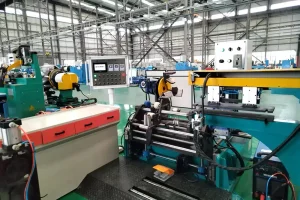
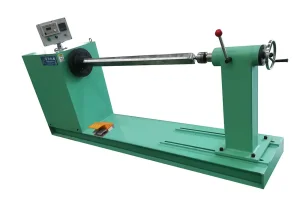
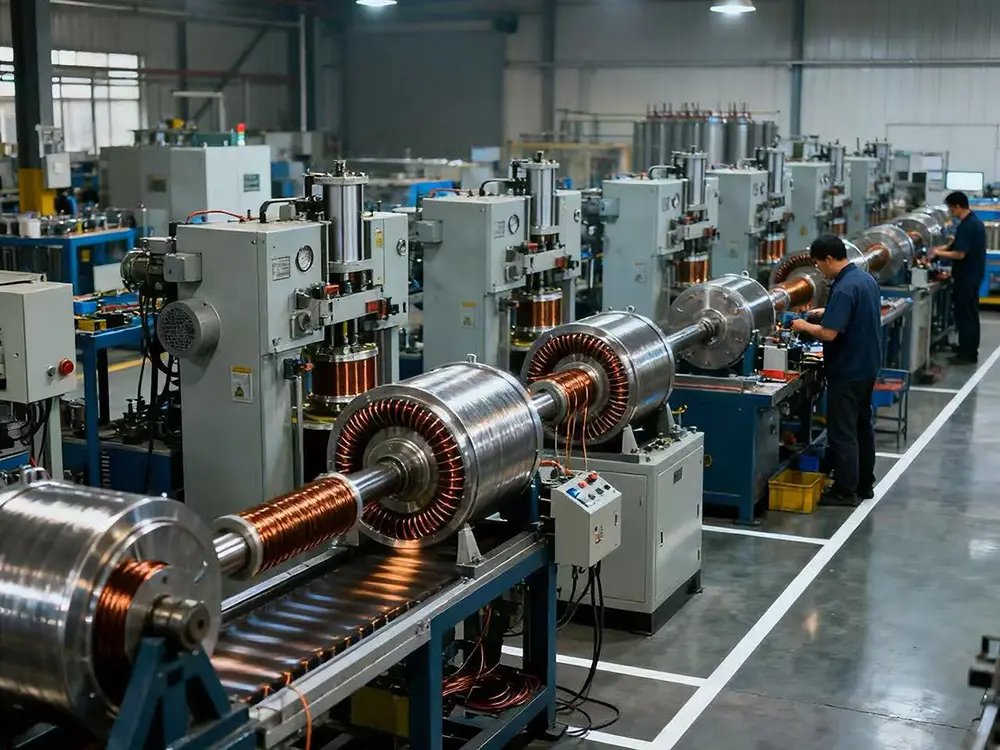
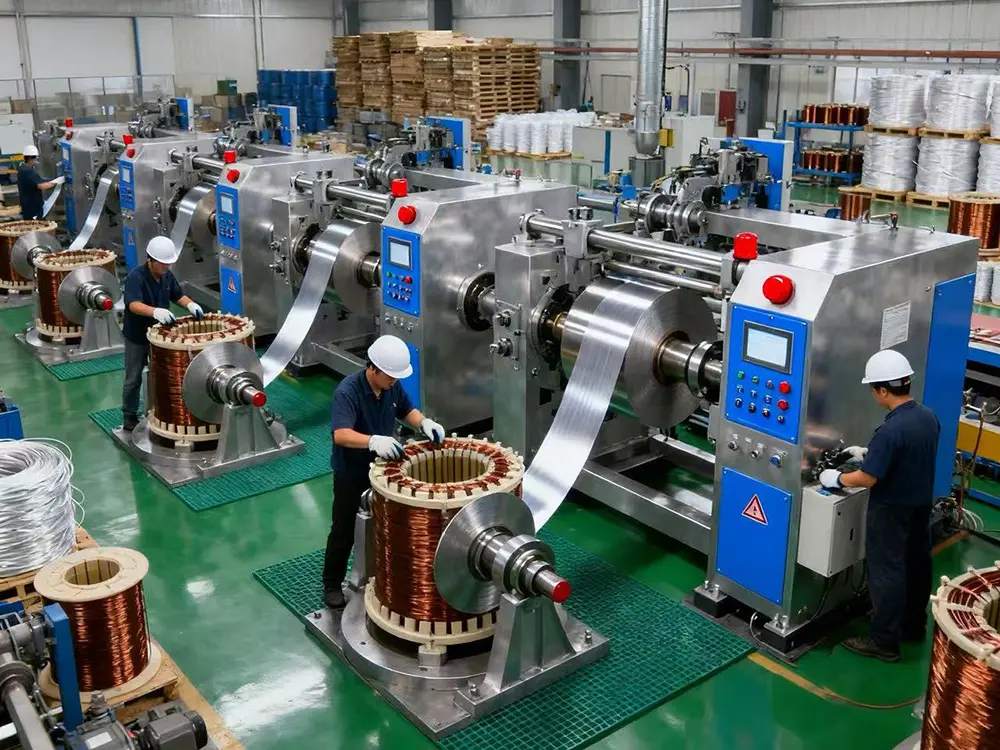
Manual winding causes coil tension variations, producing hot spots and short circuit vulnerability. Foil-wire all-in-one machines guarantee precise layer insulation alignment and mechanical consistency.
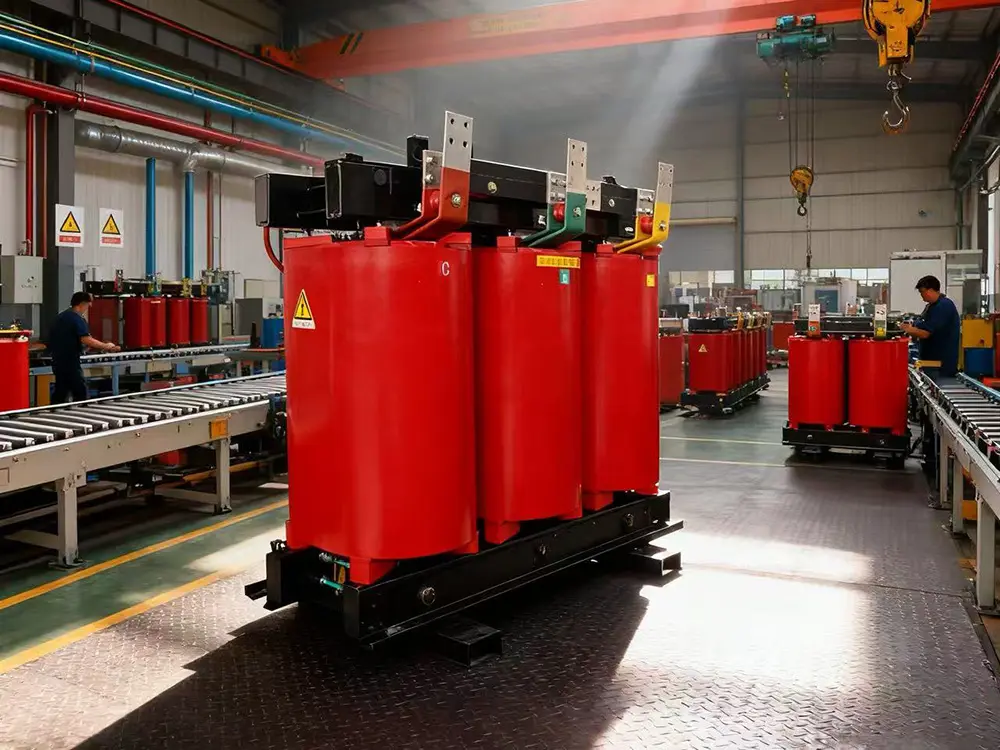
Wuxi Shuhong Machinery Technology Co., Ltd. originated from its founder’s deep insight into machinery manufacturing. With over a decade in the industry—climbing from front-line technical roles to senior management—the founder witnessed domestic machinery shift from "following" to "running alongside" global peers, and sensed the need for energy-efficient, intelligent upgrades.
During a State Grid project exchange, the founder observed that traditional transformers suffered from fundamental design flaws in temperature control and service life, harming power stability and raising long-term operational costs. Seeing that new energy grids demand higher equipment thresholds, Shuhong focused all R&D on high-efficiency, energy-saving systems.
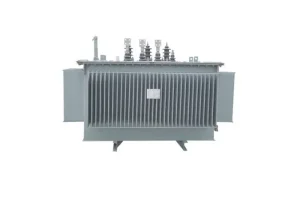
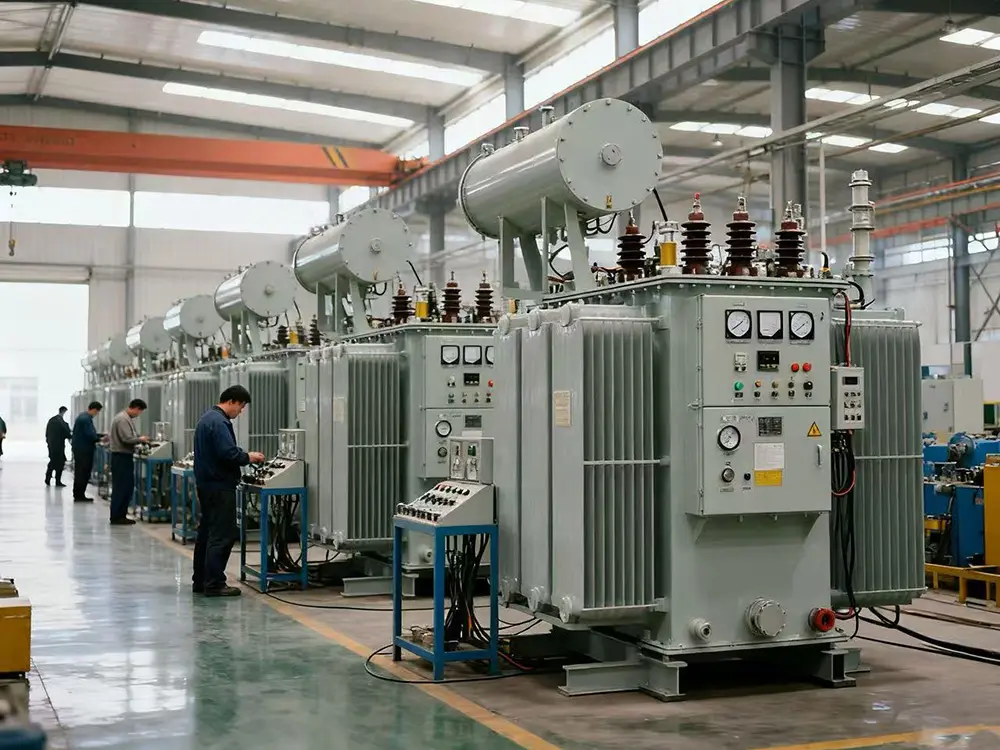
Overcoming critical funding and technical hurdles, our engineering team worked tirelessly in labs and workshops to perfect early prototypes. The result was an industry-leading transformer layout featuring 30% lower temperature rise and a guaranteed 15-year operational lifespan, earning trust across international markets.
From raw metallurgical stock to smart utility-grade distribution grids, here is how our technology guarantees structural compliance.
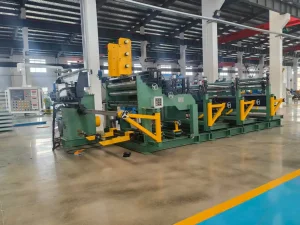
After years of development, Shuhong Machinery has structured a complete R&D-design-production-sales-service industrial chain. By keeping design and manufacturing under one roof, we guarantee component compatibility and structural integrity.
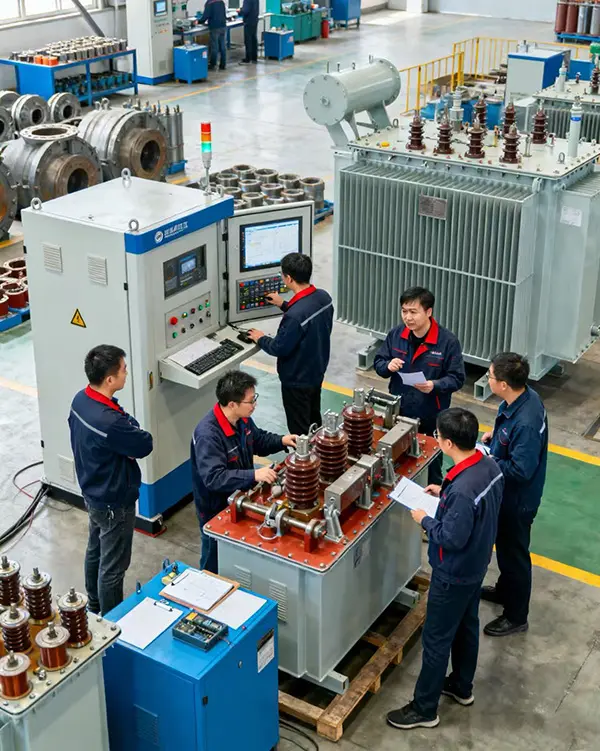
At Shuhong Machinery, we adhere to a collaborative philosophy, recognizing that advanced automation machines require experienced minds to design, troubleshoot, and commission them.
Comprehensive training systems and continuous engagement with leading academic metallurgy research centers keep our staff aligned with modern solid-state electronics standards.
By employing cross-departmental coordination matrices and advanced tracking, we guarantee project completion timelines for high-voltage infrastructure builds.
We keep our operations performance-driven: "more work, better performance, better rewards" forms the scientific core of our employee motivation strategies, promoting long-term employee retention.
What engineering firms and utility developers demand when procuring medium and low voltage core infrastructure.
We source certified structural steels and high-grade copper wire. Advanced manufacturing controls eliminate assembly defects, preventing sudden grid interruptions.
Our processing equipment builds systems that strictly adhere to ISO 9001, CE, and regional grid standards, streamlining utility certification procedures.
Our localized support framework guarantees rapid deployment of field technicians, minimizing downtime during complex system integration phases.
The next generation of medium-voltage machinery lies at the intersection of material science and mechanical automation. In response to global trends, Shuhong Machinery is continuously investing in smart technologies to drive down structural losses:
We continue to strengthen our partnerships with global industrial leaders. By deepening our R&D into automated 3D wound cores and high-speed coil processing equipment, we help global factories build resilient, reliable power transmission components for years to come.

Detailed technical answers addressing core concerns faced by distribution equipment designers and plant operators.
Heat buildup is primarily driven by load currents passing through winding resistance (copper losses) and magnetic flux reversals inside the laminations (iron/core losses). Improperly balanced three-phase loads and harmonic currents from solar inverters or heavy motors also increase losses. Shuhong's machinery solves this by constructing precise cooling channels in wound cores and maintaining stable winding tensions, reducing hot spots.
Stacked cores feature 90-degree joints that disrupt magnetic flux, creating high reluctance points and localized heat. 3D wound cores are wrapped continuously from silicon steel ribbon, avoiding air gaps and maintaining grain orientation along the flux path. This eliminates flux resistance, lowering core losses and decreasing audible humming.
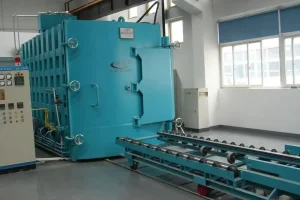
Cutting, bending, and winding introduce mechanical stresses into silicon steel and amorphous alloy cores. This stress degrades the magnetic properties, increasing core losses. Vacuum annealing heats the cores up to critical stress-relief temperatures in an oxygen-free environment, restoring the metal's magnetic structure without oxidation.
Foil winding replaces individual round wires with broad sheets of copper or aluminum. This design optimizes current distribution across the coil height, lowering eddy-current losses. In high-power scenarios, foil coils withstand short-circuit forces better than wire-wound assemblies.
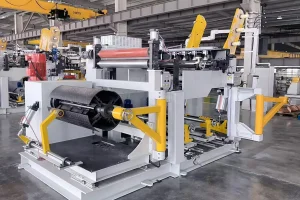
Complete your industrial plant layout with high-precision cutting, winding, and assembly systems.
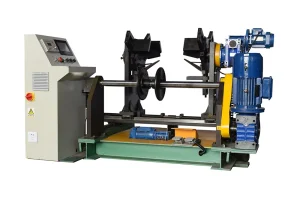
Contact our electrical engineers to design customized winding machinery, core cutters, and vacuum furnaces.