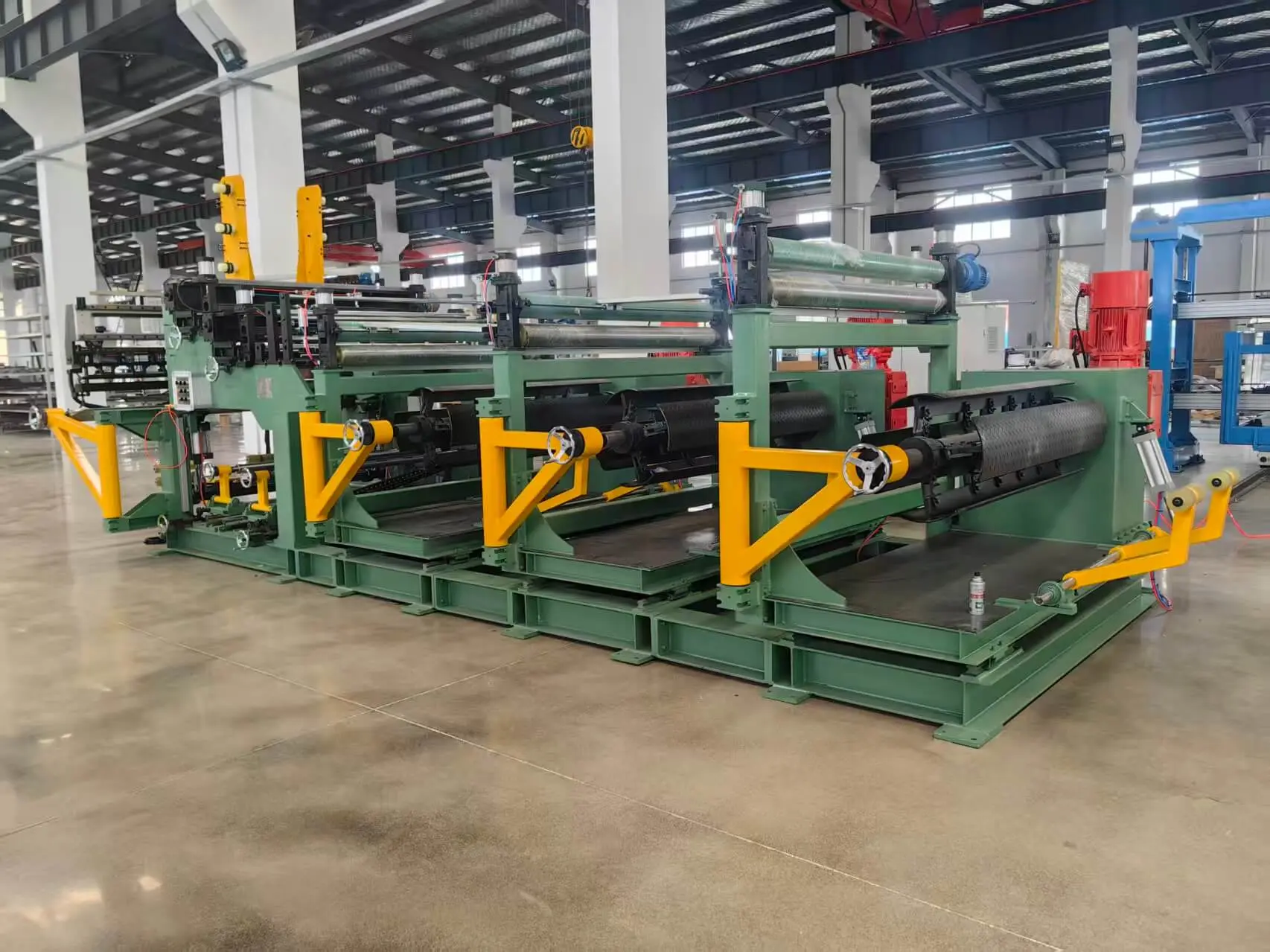
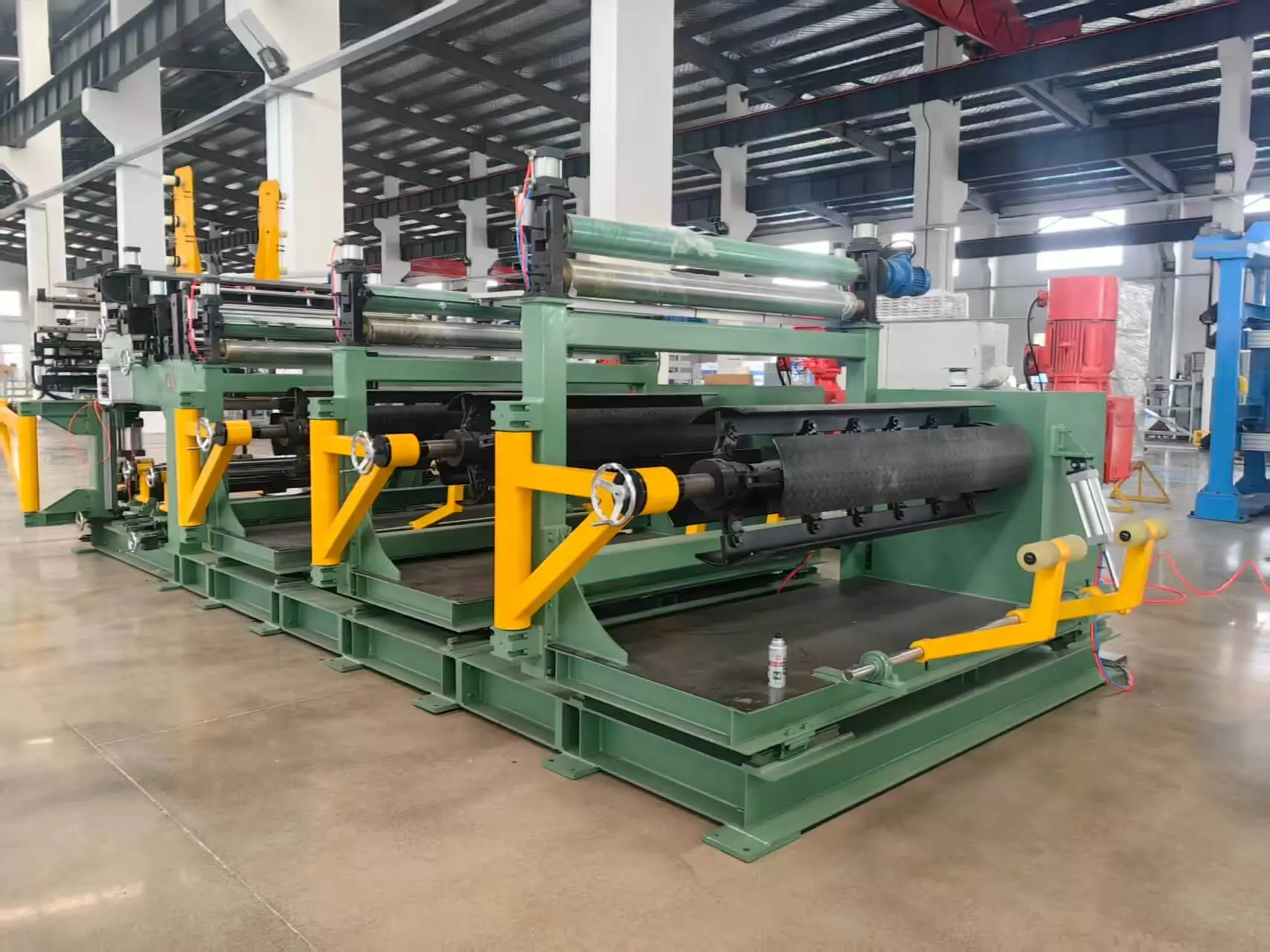
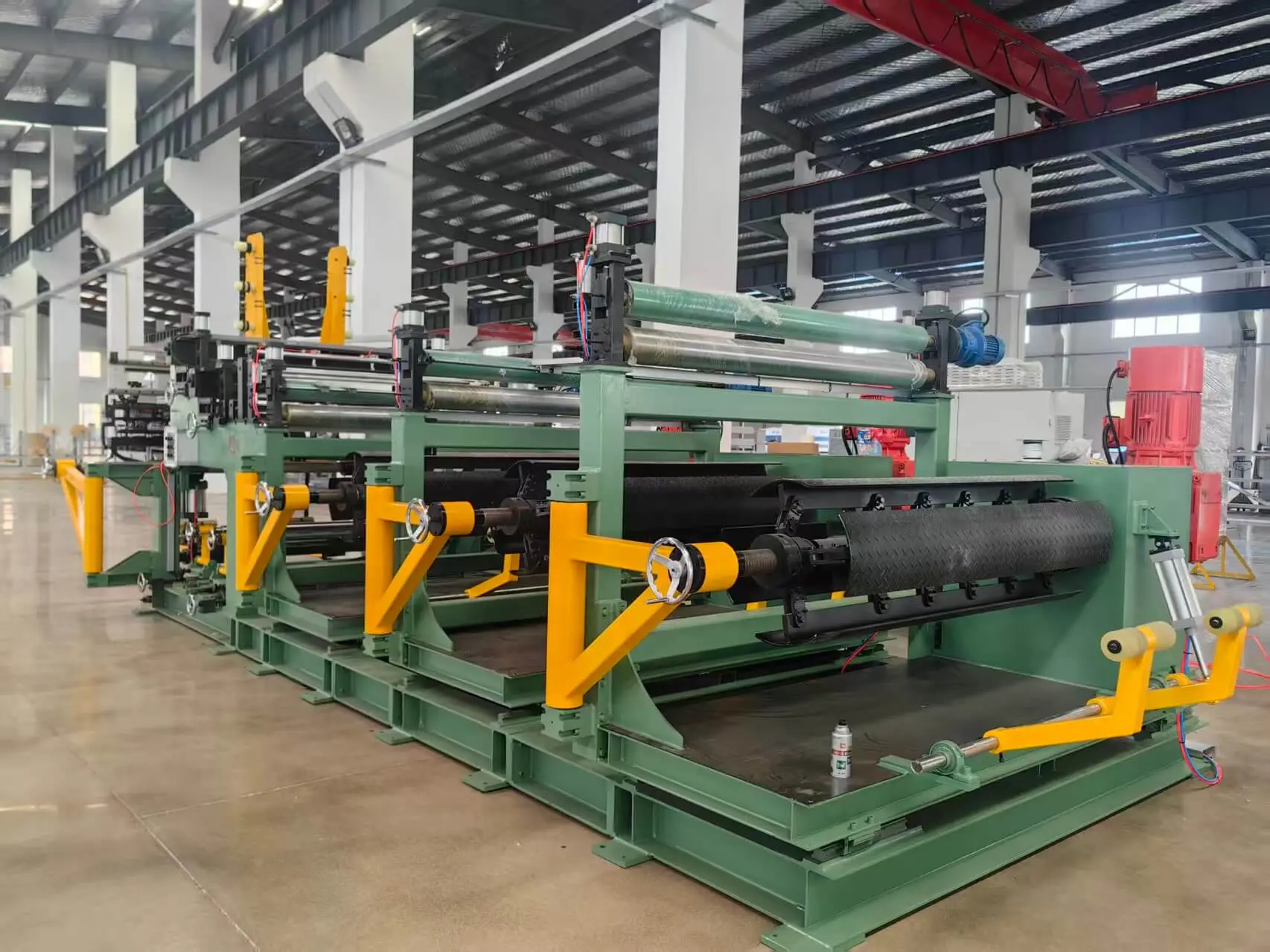
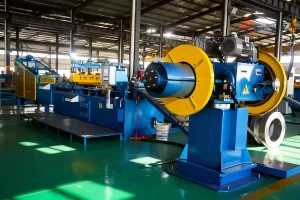
Q1 What foil materials are compatible with the SH series foil winding machines?
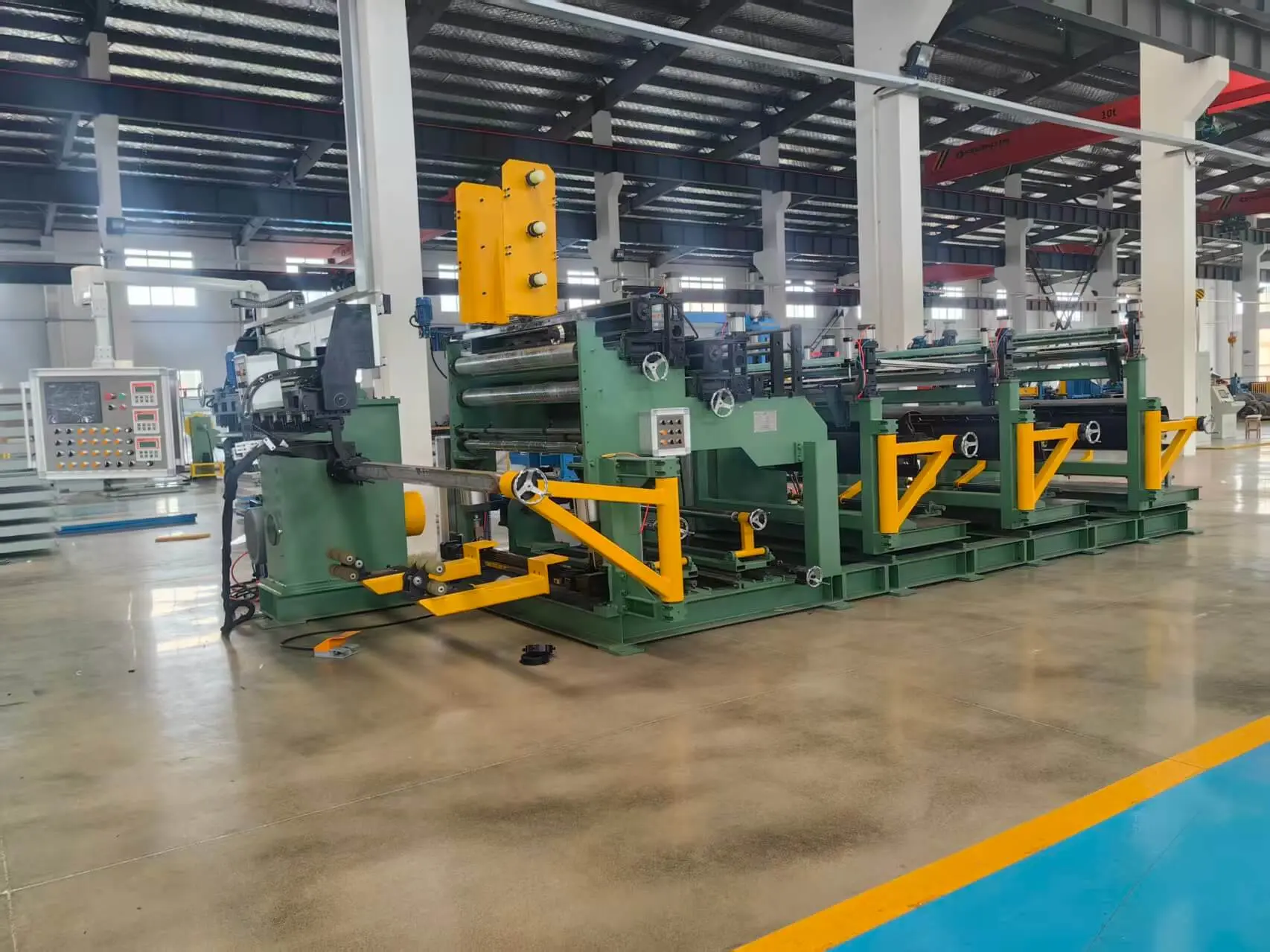
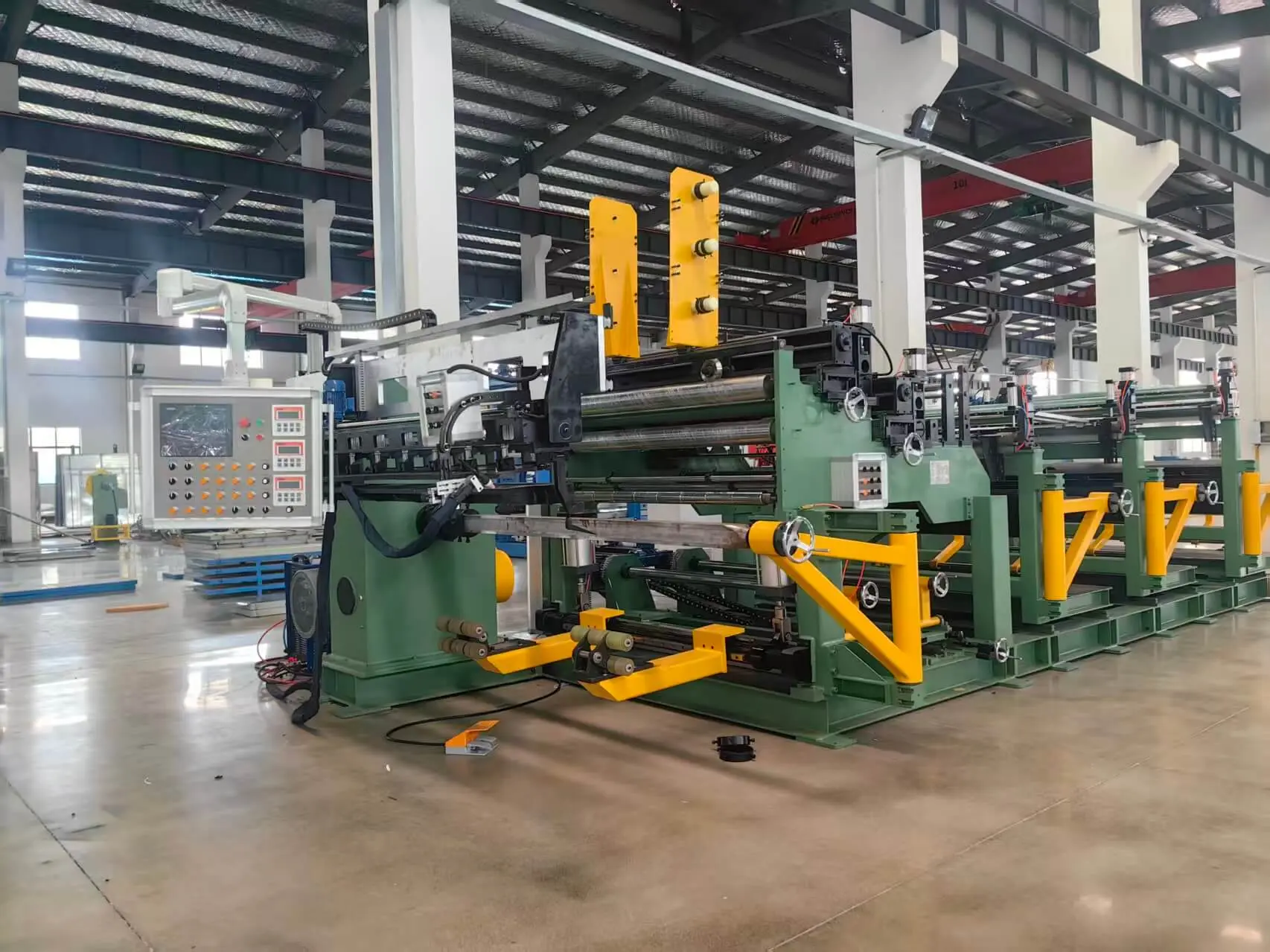
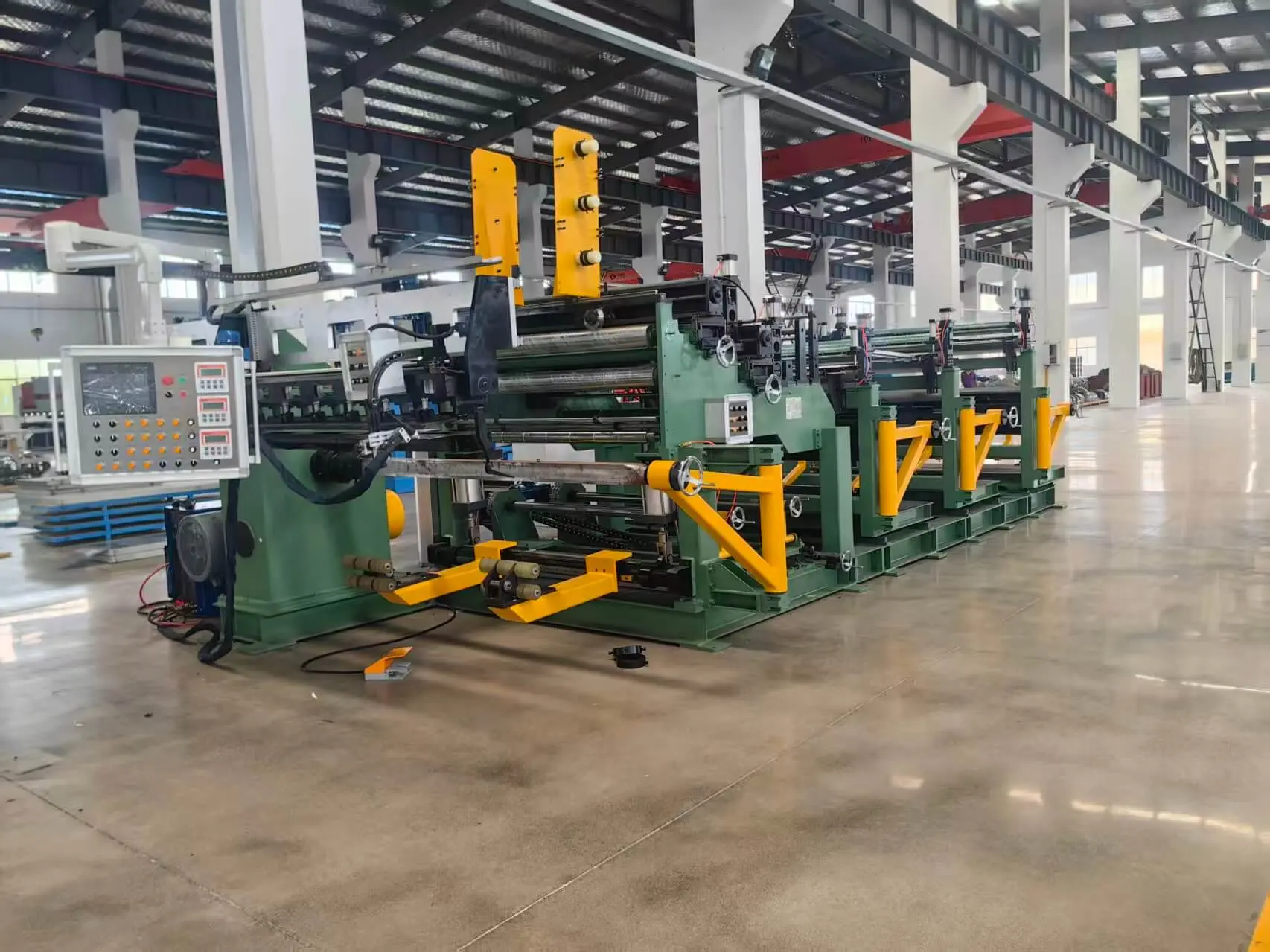
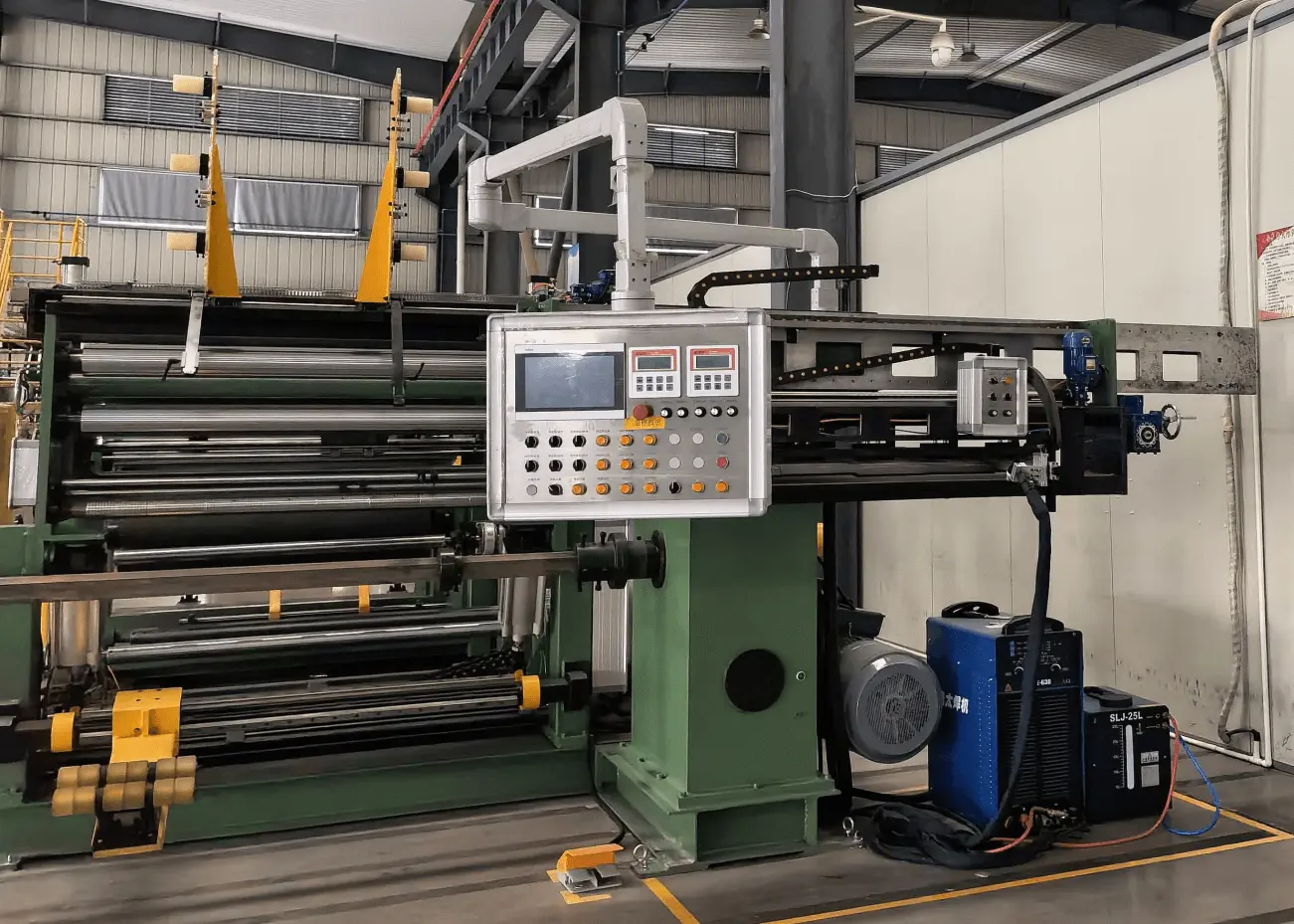
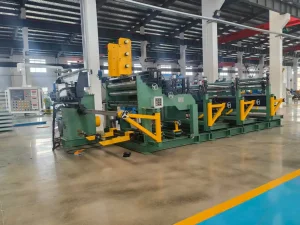
The SH series foil winding machines support both copper (Cu) and aluminum (Al) foil materials. Copper foil thickness ranges from 0.3 to 2.5mm, while aluminum foil thickness ranges from 0.5 to 3.0mm, making them suitable for a wide range of transformer and reactor coil manufacturing needs.
Q2 What is the maximum foil width supported by the SH-1400 model?
The SH-1400 model supports a foil width range of 300–1400mm, making it the widest-capacity model in the SH series. It is ideal for large-scale, high-power transformer and reactor coil production.
Q3 What welding methods are available on these foil winding machines?
All SH series models support two welding methods: TIG (Tungsten Inert Gas) welding and cold pressure welding. The welding speed is adjustable from 0 to 0.5 m/min, ensuring high-quality joints for both copper and aluminum foil connections.
Q4 How does the triple-path precision control system improve coil quality?
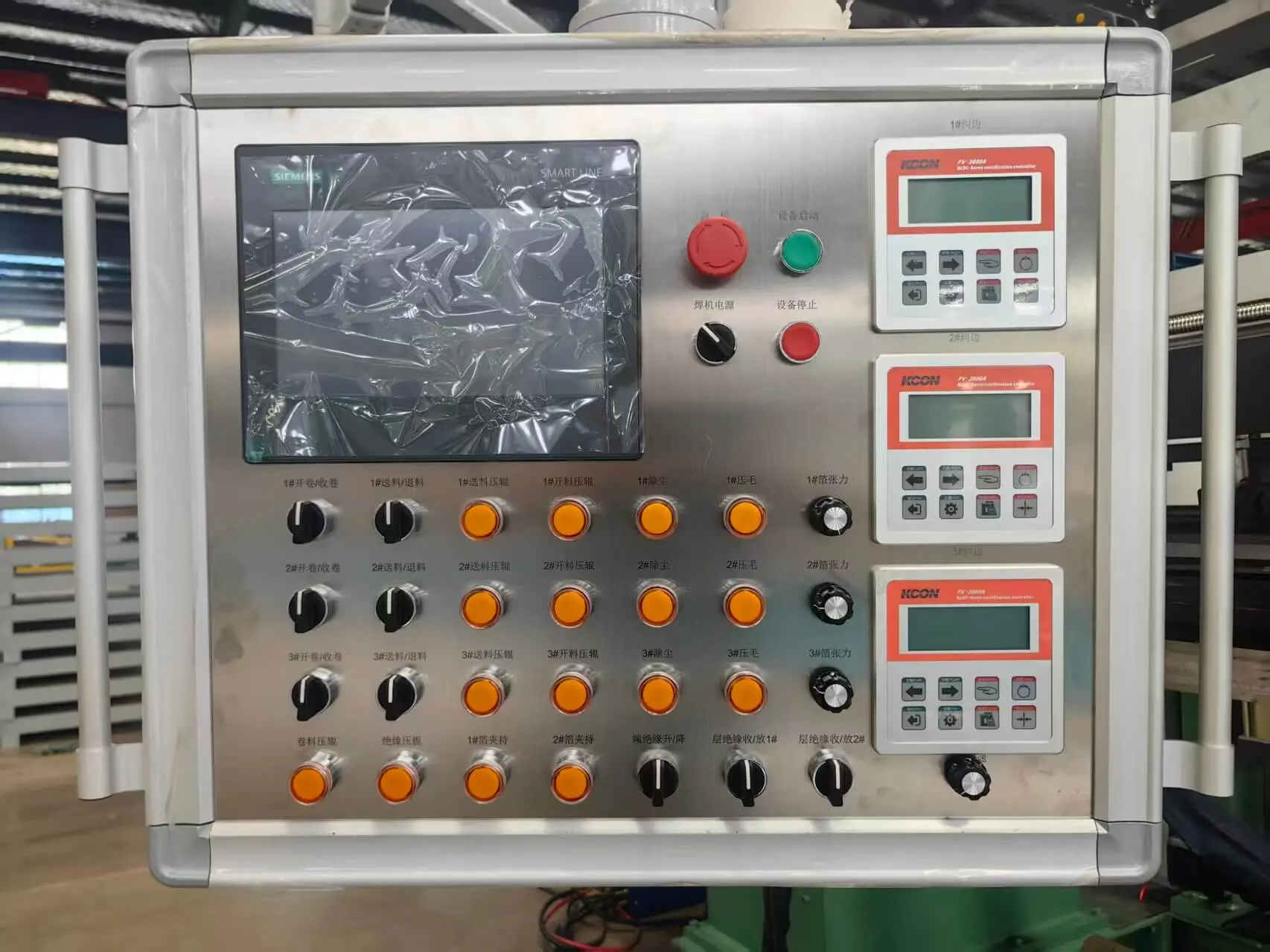
The triple-path precision control system provides independent tension adjustment for each of the three foil paths. This ensures uniform layer distribution, consistent insulation spacing, and high dimensional accuracy across the entire coil — which is critical for high-voltage and high-precision transformer applications.
Q5 Which industries and equipment types are best suited for the SH series foil winding machines?
The SH series is widely used in power transformer manufacturing (110kV+), high-power reactor production, new energy conversion systems (5MW+), industrial ultra-high power frequency converters, and special high-voltage electrical equipment such as GIS supporting transformers and high-voltage test transformers.
Q6 What is the correction precision of the SH series foil winding machines?
All models in the SH series offer a correction precision of ±0.5mm. This high-precision edge alignment ensures that each foil layer is wound with consistent accuracy, which is essential for maintaining the electrical performance and structural integrity of the finished coil.