1 / 1

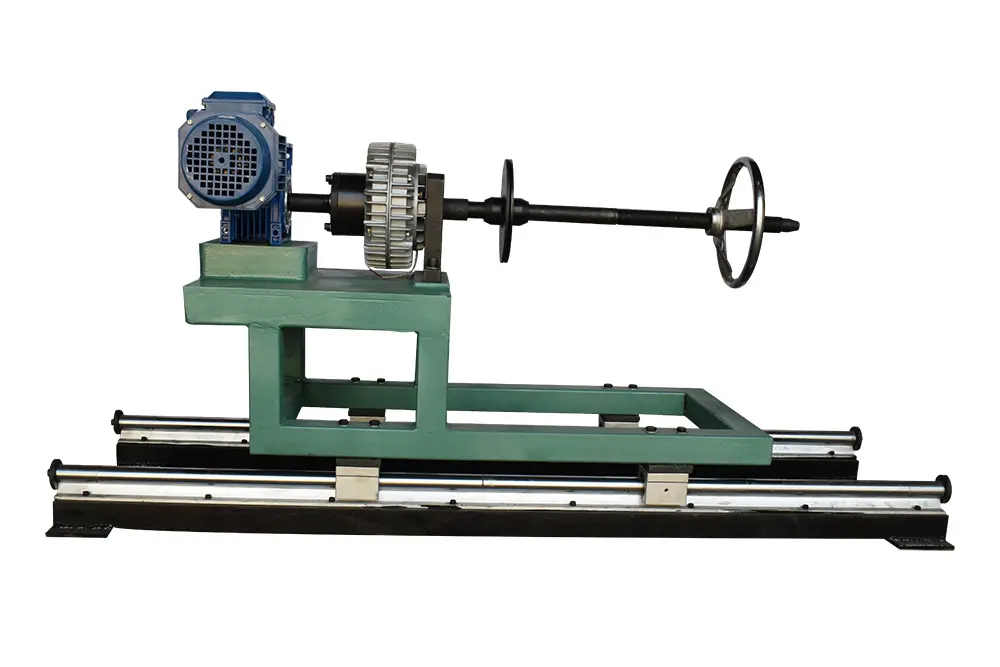
| Code | SHZL-50N SHZL-100N |
| Max Load Capacity | 100kg |
| Tray Height | ≤400MM |
| Tray Diameter | ≤500MM |
| Moving Length | ≤800MM |
| Tension Control Range | 50 N - 5000 N (adjustable in 1 N increments, compatible with small and large cross-section wires) |
| Tension Accuracy | ±1% of set value (closed-loop control via tension sensor, ensuring stable tension during wire pay-off) |
| Wire Adaptation - Round Wire | Diameter: 0.5 mm - 50 mm (compatible with enameled copper wire, enameled aluminum wire) |
| Wire Adaptation - Flat Wire | Cross-section: 5 mm×10 mm - 20 mm×50 mm (suitable for paper-insulated flat wire, bare flat copper wire) |
| Wire Feeding Speed | 0.5 m/min - 10 m/min (stepless speed regulation, synchronized with transformer coil winding machine) |
| Speed Stability | ±0.2 m/min (avoids wire jitter or uneven arrangement during winding) |
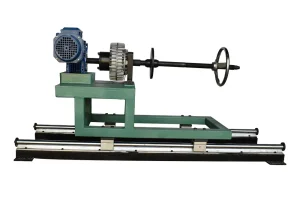
It can stably adjust the cable pay-off tension, avoiding abrasion, deformation, or breakage of cables caused by uneven tension, thus ensuring the quality of high-voltage transmission line laying.
Made of high-strength and corrosion-resistant materials, it can stably withstand heavy cable loads. It is suitable for outdoor and complex construction sites, not easy to be damaged during long-term use, and reduces equipment maintenance costs.
Equipped with an anti-slip base to prevent the pay-off stand from tipping over during operation. It is matched with flexible tension-adjustment components, which can be fine-tuned in real time according to construction needs, reducing operational risks and improving work safety.
Compatible with high-voltage cables of multiple specifications, it eliminates the need for frequent equipment replacement, meets the needs of different transmission line construction scenarios, and enhances the practicality of the equipment.
Through stable cable pay-off performance, it reduces cable jamming and rework, shortens the construction cycle, and helps promote the efficient progress of high-voltage power transmission projects.
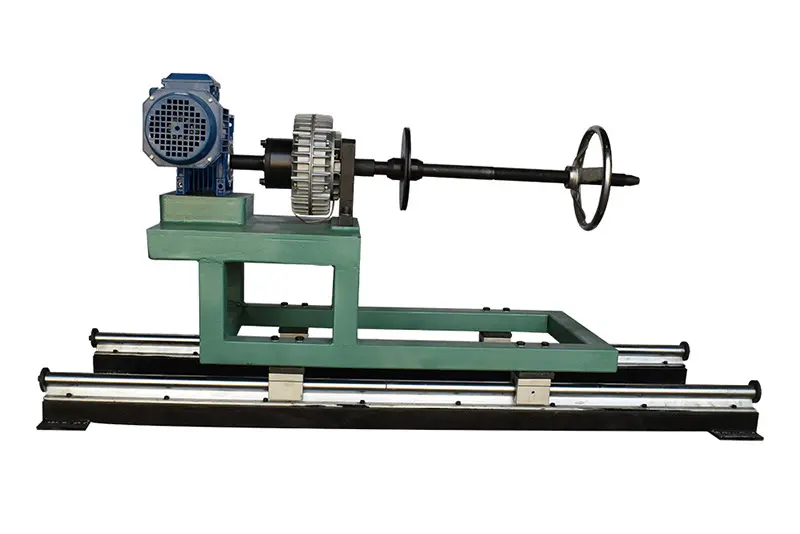
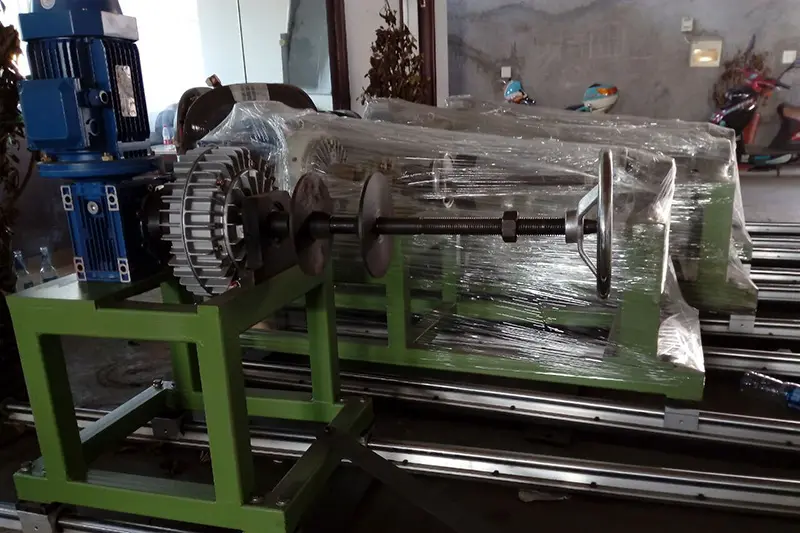
Designed for power transformers, this system controls conductor tension to ensure coil tightness. It adapts to various wire specifications, including round enameled wire and flat paper-wrapped wire, using pancake and layer winding processes to meet 10kV-1000kV requirements.
Suitable for regular winding of epoxy-cast coils for dry-type transformers, it controls conductor tension for multiple windings in rectifier transformers to ensure insulation isolation, and utilizes pre-bending and guiding of flat wire to prevent warping.
Achieves balanced tension control for the simultaneous winding of 2-8 conductors. It adapts to transposed conductor winding to prevent loose strands and misalignment, meeting the low-loss winding requirements of large transformers.
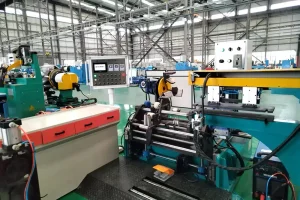
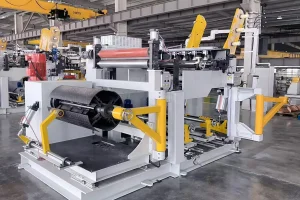
Integrates seamlessly with winding, cutting, and insulation paper wrapping machines to achieve a streamlined flow. The system records tension data and provides real-time abnormality warnings to ensure stable quality.
The tension control range of the pay-off stand is 50 N to 5000 N, and it can be precisely adjusted in 1 N increments, making it highly compatible with both small and large cross-section wires.
It adapts to round wires with diameters from 0.5 mm to 50 mm (such as enameled copper and aluminum wires) and flat wires with cross-sections from 5 mm×10 mm to 20 mm×50 mm (suitable for paper-insulated flat wire and bare flat copper wire).
The system features a closed-loop control design with a dedicated tension sensor, maintaining a tension accuracy of ±1% of the set value to ensure stable cable pay-off without fluctuations.
The stand supports a maximum load capacity of 100 kg. It accommodates wire trays with heights ≤400 mm and diameters ≤500 mm, with a moving length limit of ≤800 mm.
Yes, it features stepless speed regulation (0.5 m/min - 10 m/min) and is designed to synchronize with transformer coil winding machines, cutting machines, and insulation wrapping systems for seamless, automated workflow linkage.
It is equipped with an anti-slip base to prevent tipping and features speed stability of ±0.2 m/min, avoiding wire jitter, uneven wire arrangement, abrasion, deformation, or breakage during the winding process.