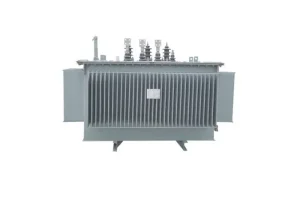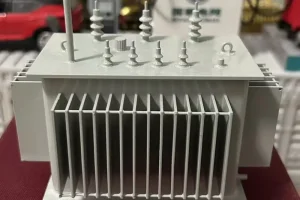
Explore our engineered heavy-duty systems, custom assembly configurations, and high-efficiency transformers designed for optimal thermal and electrical performance.
An in-depth perspective on energy transition demands, grid modernization, and structural efficiency updates.
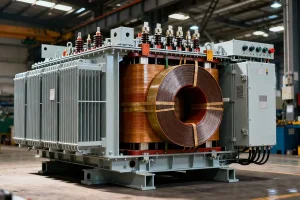
The global energy landscape is undergoing a structural transition. Rapid expansion of utility-scale solar generation, offshore wind parks, and localized battery energy storage systems (BESS) require robust, resilient distribution equipment. At the center of this transition lies the high-voltage transformer. Modern industrial infrastructure demands high-voltage insulation systems that can withstand extreme dielectric stress, elevated transient voltages, and rapid thermal cycling without experiencing early degradation.
Historically, standard paper-and-oil insulation systems dominated the power distribution landscape. However, as load densities increase and environmental regulations tighten, the industry is witnessing a structural shift toward dry-type cast resin insulation and high-performance synthetic fluids. These technologies reduce the risk of structural failure, fire, and liquid leaks. Wuxi Shuhong Machinery Technology Co., Ltd. sits at the intersection of these advancements, engineering precision winding and core processing machinery that enables global manufacturers to build high-voltage units capable of reliable multi-decade field operation.
Deeply Developing the Machinery Industry, Empowering the Future of Energy
On the shores of the picturesque Taihu Lake lies Wuxi, known as the "Land of Fish and Rice." This beautiful land has nurtured countless enterprising enterprises, with Wuxi Shuhong Machinery Technology Co., Ltd. standing out among them. Since its establishment in 2018, Shuhong Machinery has consistently prioritized technological innovation and quality service, steadily advancing in the fields of electrical and plastic machinery, becoming a high-tech enterprise with both strength and reputation.
Shuhong Machinery originated from its founder’s insight into machinery manufacturing. With over a decade in the industry (from front-line technical roles to management), the founder witnessed domestic machinery shift from "following" to "running alongside" global peers, and sensed the need for energy-efficient, intelligent upgrades. During a State Grid project exchange, the founder found traditional transformers flawed in temperature control and service life (harming power stability, raising costs) and noted new energy’s higher equipment demands—thus focusing on R&D and manufacturing of high-efficiency, energy-saving transformers.
"Overcoming funding and technical hurdles, the team worked day and night in labs and workshops on demos and optimizations, finally developing a transformer with 30% lower temperature rise and 15-year lifespan, winning high client recognition."
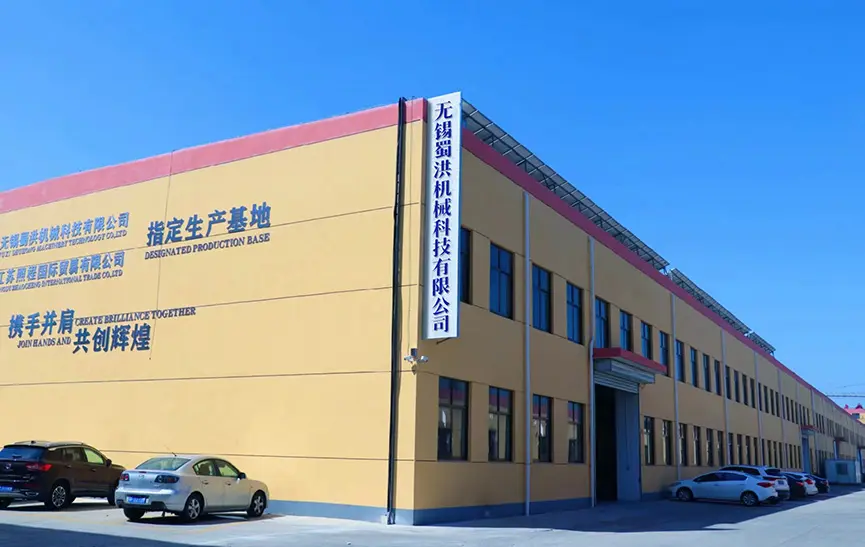
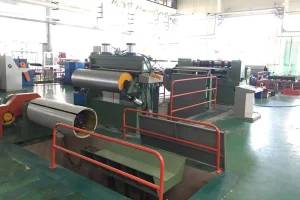
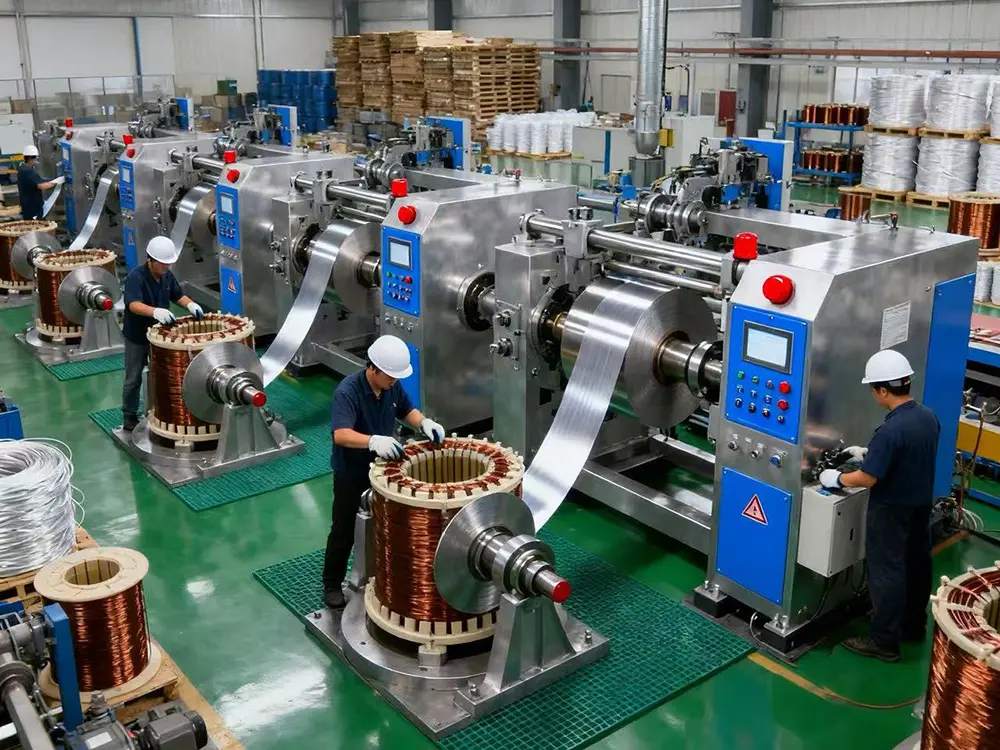
Real-world glimpses into our high-precision assembly halls, automated CNC systems, and heavy industrial winding departments.
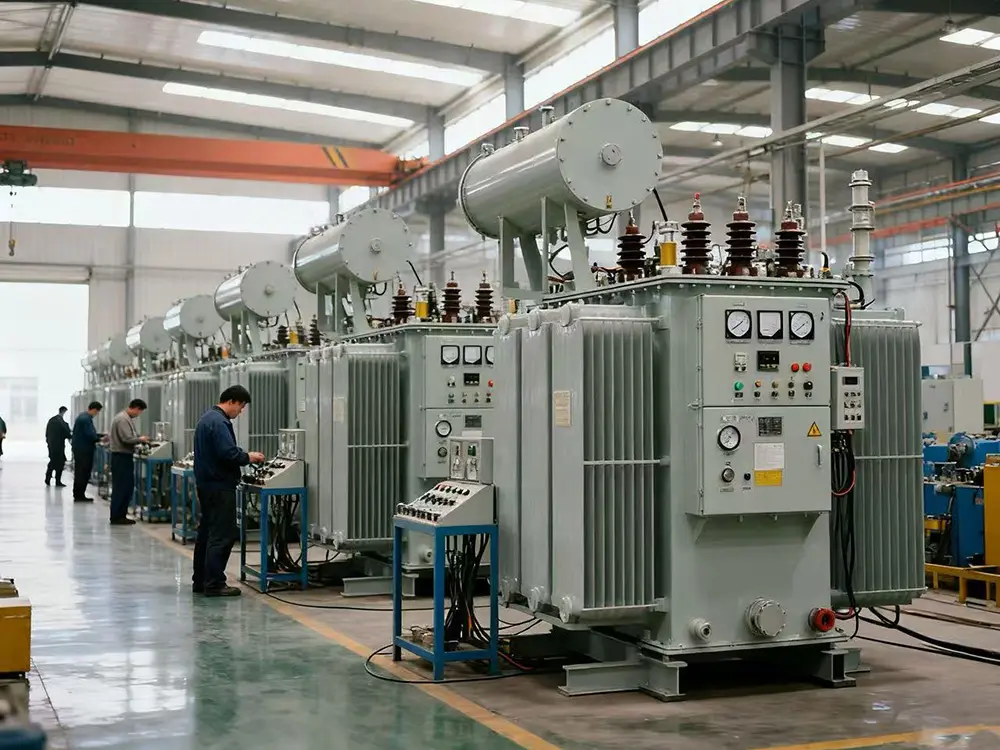
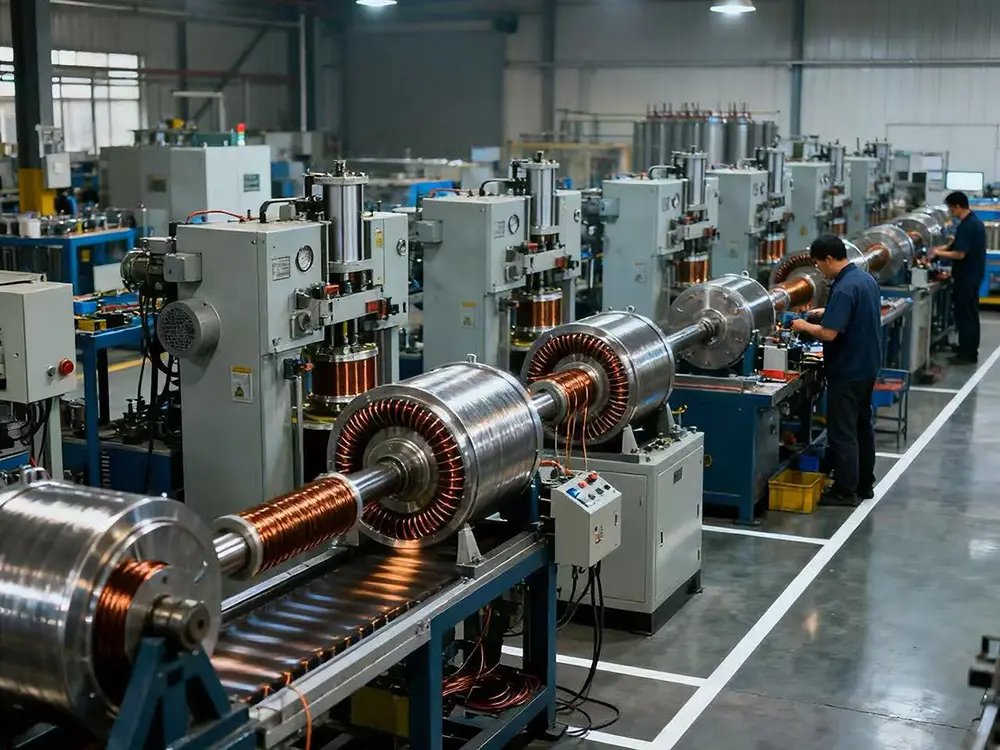
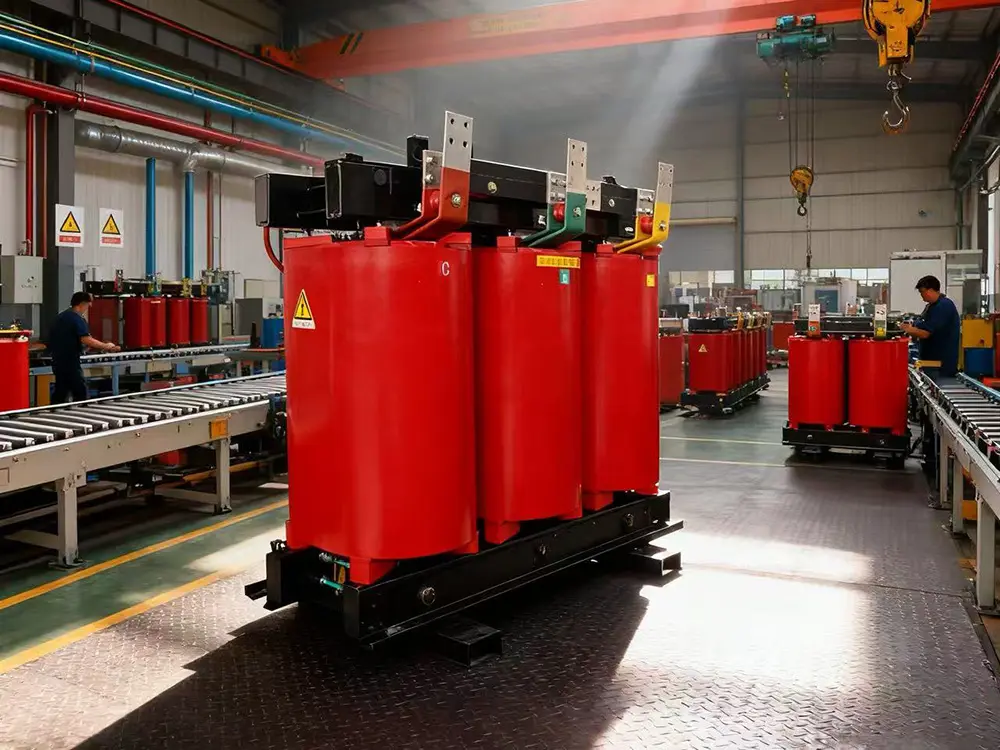
Understanding the physics behind core losses and winding tension stability.
Amorphous metals feature a non-crystalline, disordered atomic structure. This atomic configuration minimizes magnetic hysteresis loss because there are no grain boundaries to restrict domain rotation. Utilizing amorphous alloys in transformers reduces core losses (no-load losses) by up to 70% to 80% compared to conventional grain-oriented silicon steel.
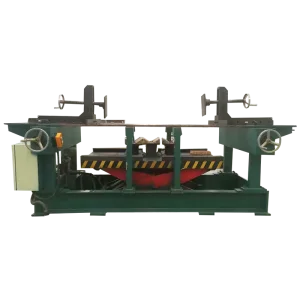
However, processing amorphous alloys requires specialized handling. The ribbon material is thin (~20 to 30 microns) and brittle. Shuhong Machinery designs dedicated assembly tables and tension-controlled winding lines to process these delicate materials without inducing mechanical stress, protecting the core's magnetic properties.
For traditional silicon steel coils, the cut edge quality determines the interlaminar insulation integrity. A clean edge is critical: burrs exceeding 20 microns can penetrate the thin outer insulative coating, causing localized short circuits and high eddy current losses.
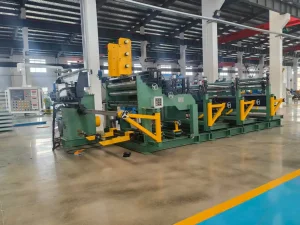
Shuhong's Automatic CNC Longitudinal Slitting and Cross-Cutting lines feature precise alignment controls and hardened tooling to maintain burr heights within strict micron-level tolerances. This precision prevents local heat build-up and insulation damage.
Modern high-current transformer coils rely on foil winding instead of round wire. Solid foil reduces skin-effect resistance losses but requires precise tension control during winding.
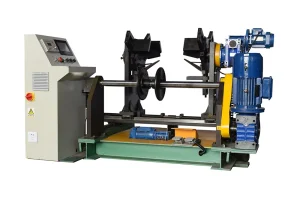
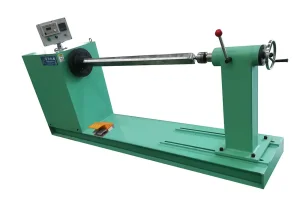
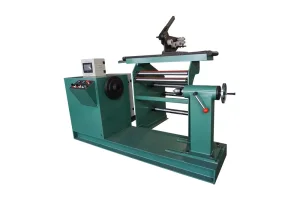
Uneven tension can cause telescoping, edge distortion, and air pockets within the insulation layers. Our three-layer foil winding machines feature automated tension feedback loops and active alignment systems. This keeps layers tight and even, preventing electrical failure under high stress.
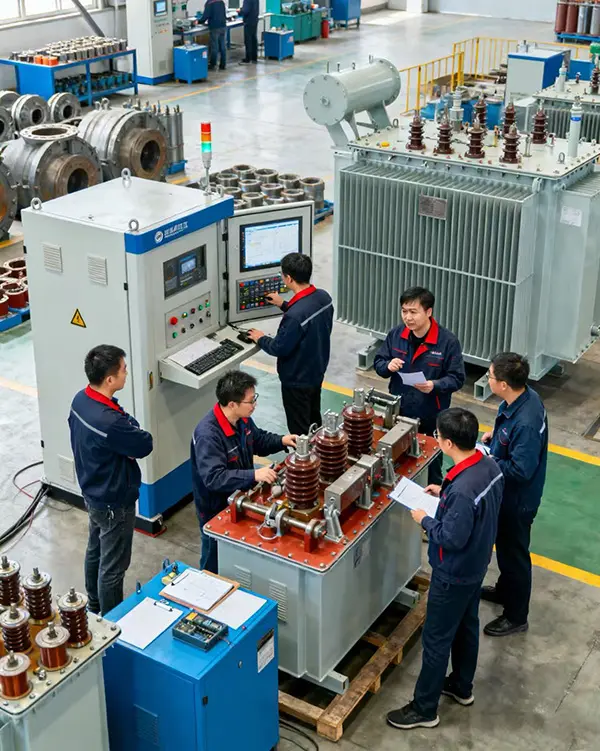
A Comprehensive Industrial Chain and Collaborative Engineering Culture
After years of development, Shuhong Machinery has established a complete R&D-design-production-sales-service industrial chain. Our professional design and engineering teams work alongside modern manufacturing facilities to maintain strict quality control at every stage.
Focused on technical innovation, we prioritize insulation reliability and temperature control. Our equipment and components have passed testing and certification for integration into national and international projects, supporting energy and power utility infrastructures.
Building a Collaborative, High-Performance Team:
Ensuring compliance across diverse regions through standardized testing and dedicated local support.
Our core processing and winding systems are engineered to help transformer manufacturers meet IEC 60076 and IEEE C57 standards. These global standards dictate strict limits on dielectric insulation, temperature rise parameters, short-circuit withstand capabilities, and audible noise limits.
As synthetic and natural esters replace mineral oils to reduce fire hazards, our machinery adjusts to accommodate these thicker fluids. We optimize insulation winding geometry to ensure ester fluids flow smoothly, maintaining cooling performance in high-load setups.
We support our machinery worldwide. From initial site calibration and PLC programming to operator training and safety audits, our technical support teams help commission and maintain your production lines for long-term reliability.
A structured approach to transforming raw materials into precision electrical equipment, maintaining quality control at every stage.
Our production process is structured to maintain tight control over magnetic, mechanical, and thermal properties:
Staying True to Our Original Aspiration and Striving for Greater Goals
Looking forward, Shuhong Machinery will uphold its business philosophy of "People-oriented, Integrity-driven, Collaborative Innovation, and Quality First." We will continue to focus on electrical and plastics machinery, expanding R&D investment to strengthen our core technologies and introduce more efficient, energy-saving, and intelligent production equipment.
The company also intends to expand its domestic and international market reach. By collaborating with utility organizations and industry partners, we strive to build a competitive machinery brand that supports advancements in machinery manufacturing and the global energy sector.

How our machinery supports diverse operating environments, from high-load industrial plants to remote energy installations.
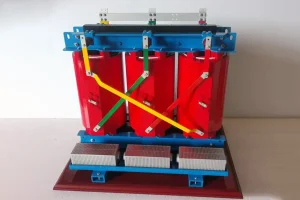
Metropolitan substations require dry-type transformers due to tight space constraints and strict fire safety regulations. These installations rely on epoxy cast resin coils. Shuhong's foil winding machinery ensures precise, void-free layer insulation, reducing partial discharge risks and helping prevent thermal issues in enclosed vaults.
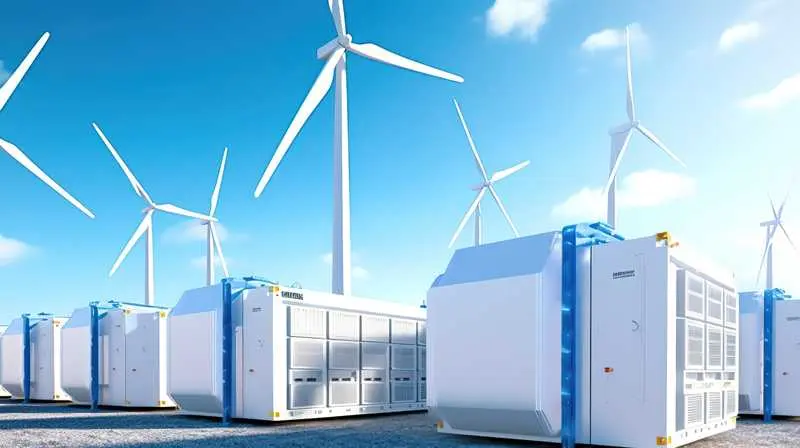
Wind turbines and solar plants experience fluctuating output, creating cyclic electrical and thermal stresses. Our high-efficiency amorphous core transformers handle these fluctuations with minimal losses during low-load periods, helping operators maintain stable distribution grid connections.
Industrial facilities run motors, pumps, and furnaces that generate harmonics and electrical noise. These conditions demand mechanical stability in winding assemblies. Shuhong's automated horizontal winding systems wind tight, structured coils that resist electromagnetic forces during short-circuit events, preventing physical damage and insulation failure.
Clear, technical explanations addressing key design, performance, and manufacturing challenges.
Insulation degradation is driven by a combination of thermal stress, moisture ingress, chemical oxidation, and electrical stress. High operating temperatures accelerate the breakdown of solid insulation materials like Kraft paper or pressboard. This degradation is often worsened by trace moisture inside the tank, which can cause bubble formation and dielectric breakdown under high electric field stress. Regular testing and vacuum drying during manufacturing help minimize these risks.
Automatic tension control maintains uniform stress across the conductor foil during the winding process. Inconsistent tension can cause air pockets or gaps to form between the foil and insulation layers, which can lead to partial discharge under high voltages. Precise tension control also prevents edge distortion and structural misalignment, keeping the coil structurally sound and stable against thermal expansion and short-circuit forces.
Amorphous alloys feature a disordered, non-crystalline atomic structure, which allows magnetic domains to rotate with minimal resistance. This structure reduces magnetic hysteresis losses during alternating magnetization cycles. Additionally, because the alloy ribbons are very thin (~20 to 30 microns), they exhibit higher electrical resistivity, which significantly limits eddy current losses compared to thicker cold-rolled grain-oriented (CRGO) steel laminations.
Dry-type transformers rely on air convection and solid insulation, such as epoxy cast resin or high-temperature Nomex paper, making them suitable for indoor installations where fire safety is a priority. Liquid-filled transformers use dielectric fluids (like mineral oil or synthetic esters) for both electrical insulation and heat dissipation. While liquid-filled units typically offer higher cooling efficiency and longer overall service life in outdoor settings, they require regular maintenance to monitor moisture, acidity, and potential fluid leaks.
During core lamination cutting, the cutting tools can create small metal burrs along the sheet edges. If these burrs exceed the thickness of the insulative surface coating (typically 2 to 5 microns), they can puncture the insulation of adjacent sheets once the core is clamped together. This creates localized short-circuit paths, leading to circulating eddy currents, increased core losses, and localized heating. Using precise CNC slitting equipment keeps burrs within safe tolerances to prevent insulation breakdown.
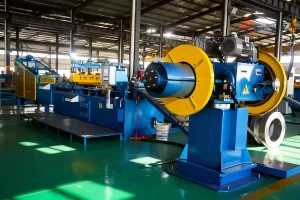
Browse our automated winding platforms, heavy-duty wire tension systems, and specialized core assembly configurations.