1 / 2

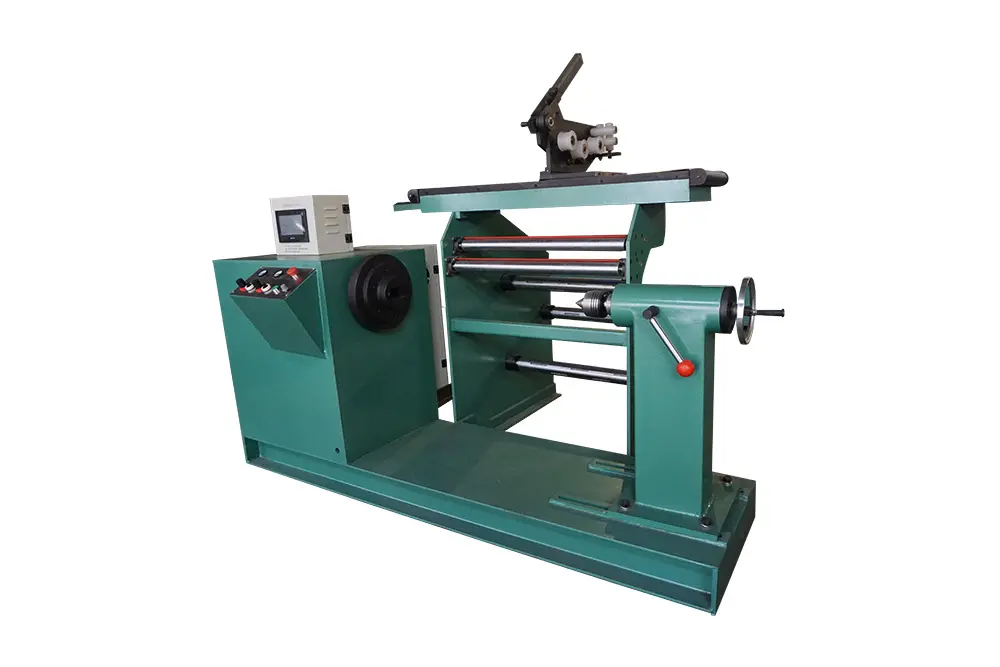
| Code | SH-600 | SH-800 | SH-1000 | |
| Coil height | ≤600mm | ≤800mm | ≤1000mm | |
| Coil outer diameter | 80-500mm | 80-600mm | 80-800mm | |
| Main axis rotating speed | 0-375r/min | 0-220r/min | 0-220r/min | |
| Speed adjusting method | Stepless speed adjust | |||
| Working torque | ≤300.M | |||
| Main axis center height | 850mm | |||
| Main axis loading | ≤200kg | ≤300kg | ≤500kg | |
| Guiding wire specification | Round wire:φ0.3-φ3mm | Flat wire:≤3*12mm | ||
| Wire cabling precision | 0.01mm | |||
| Main axis size | 50*50*800mm(90*50*800mm) | 50*50*1000mm(90*50*1000mm) | 50*50*1200mm (90*50*1200mm) | |
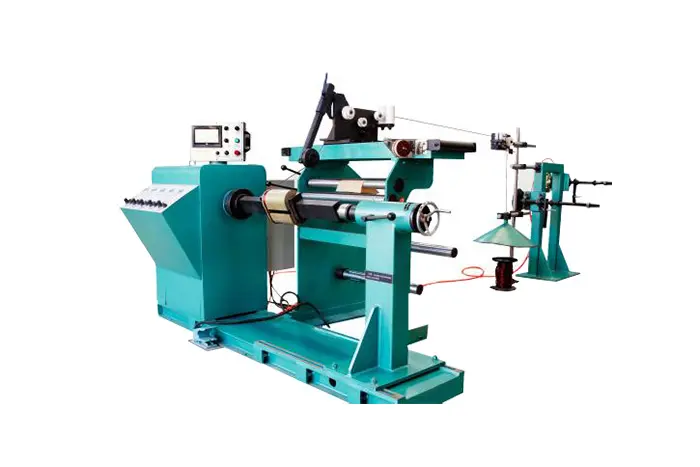
1. Precise Operation: Adopts precision servo control to ensure stable wire arranging and winding, avoiding offset and maintaining high processing accuracy.
2. Strong Adaptability: Supports multi-spec wire adaptation, compatible with different types and sizes of wires, meeting diverse industrial production needs.
3. Intelligent Protection: Equipped with real-time monitoring function, it can promptly detect abnormal conditions (such as wire breakage) and trigger protection mechanisms to reduce material waste and equipment damage.
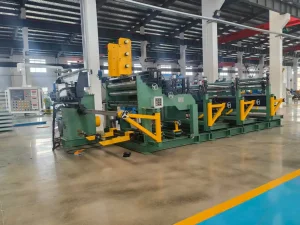
4. High Efficiency: Industrial-grade design enables continuous and efficient operation, suitable for mass production of high-voltage coils, significantly improving production efficiency compared to manual or semi-automatic equipment.
5. Quality Assurance: Stable performance and precise control help improve the qualification rate of finished products, reducing rework and ensuring consistent product quality.
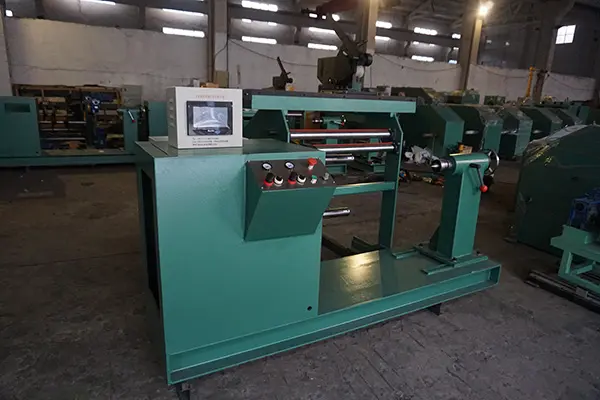
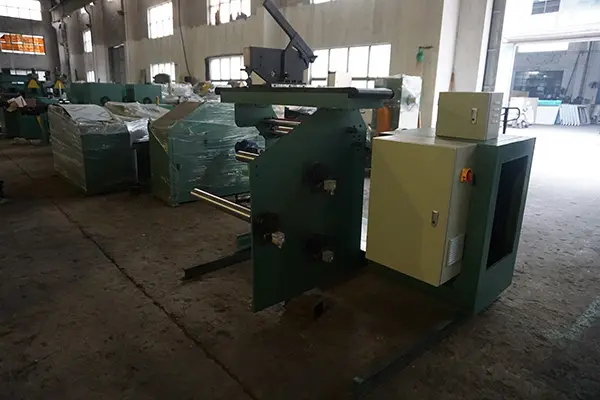
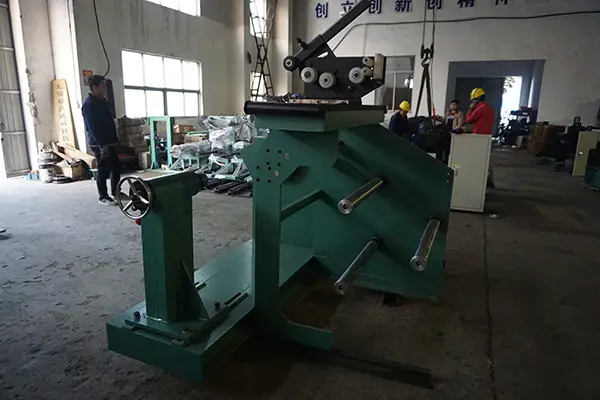
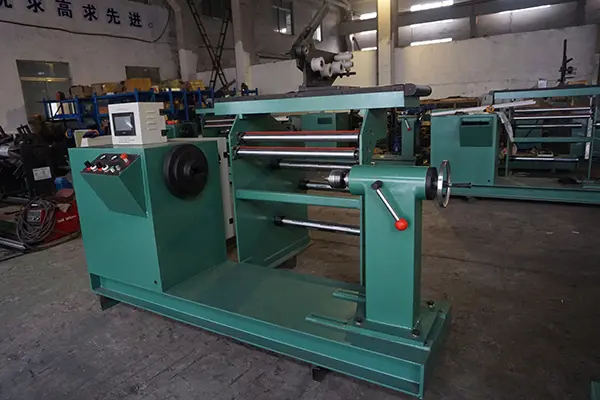
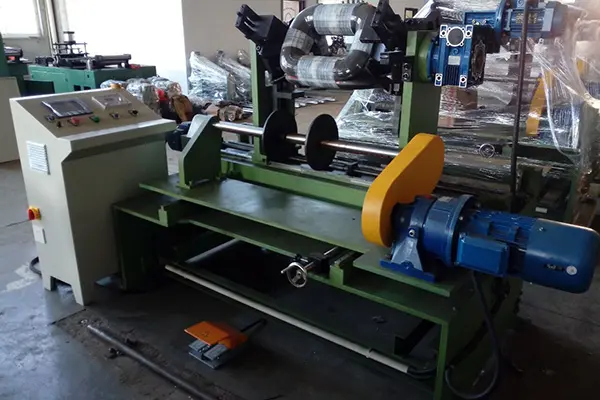
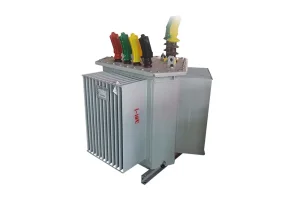
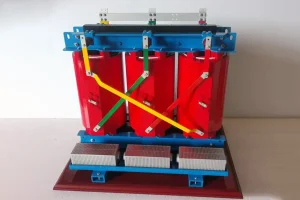
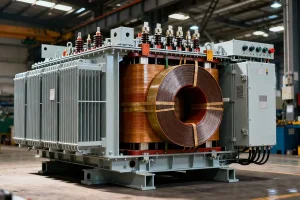
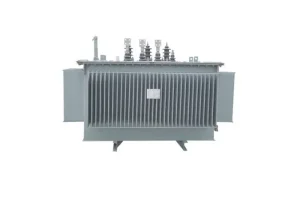
Used for winding high-voltage coils (such as primary coils of power transformers) – its precise and stable tension control ensure coil insulation performance and electrical conductivity, meeting the high reliability requirements of power transmission equipment.
Applied to produce high-voltage inductors (e.g., inductors for power electronic converters, medical high-frequency equipment) – it adapts to thin/thick enameled wires, avoiding wire damage during winding and ensuring inductor inductance accuracy.
Suitable for winding high-voltage components in new energy systems, such as coils for photovoltaic inverters, high-voltage battery management system (BMS) inductors, and wind power converter reactors – its industrial-grade efficiency matches the mass production needs of new energy equipment.
Used in manufacturing high-voltage electrical components like high-voltage contactors, voltage regulators, and surge protectors – it ensures uniform winding of internal high-voltage coils, enhancing the safety and service life of electrical appliances.
Applied to winding coils for special high-voltage equipment, such as industrial high-frequency heaters, medical X-ray machine high-voltage transformers, and aerospace high-voltage power supplies – its high precision and stable operation meet the strict performance standards of special fields.
The SH series supports both round wire (φ0.3–φ3mm) and flat wire (≤3×12mm), making it compatible with a wide range of wire specifications for diverse industrial applications.
The SH series achieves a wire cabling precision of 0.01mm, ensuring highly accurate and consistent winding results for high-voltage coil production.
The machine is equipped with a real-time monitoring function that continuously checks operating conditions. If an abnormality such as wire breakage is detected, the system automatically triggers a protection mechanism to stop operation, minimizing material waste and preventing equipment damage.
The SH-1000 model supports a coil height of up to 1000mm, a coil outer diameter of 80–800mm, and a main axis loading capacity of up to 500kg, making it ideal for large-scale high-voltage coil production.
Yes, the SH series is well-suited for new energy applications, including winding coils for photovoltaic inverters, high-voltage BMS inductors, and wind power converter reactors. Its industrial-grade efficiency supports the mass production demands of the new energy sector.
The SH series uses precision servo control and stepless speed adjustment to enable continuous, stable, and high-speed operation. This significantly reduces manual intervention, lowers rework rates, and improves the overall qualification rate of finished products — delivering far greater efficiency than manual or semi-automatic winding methods.