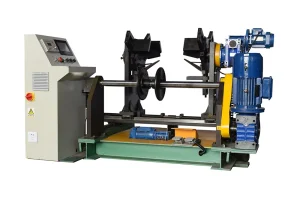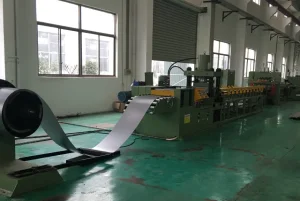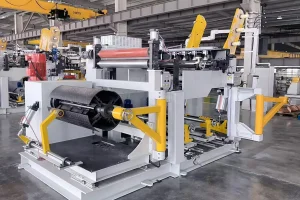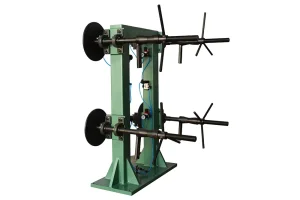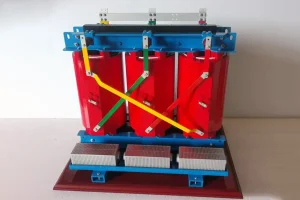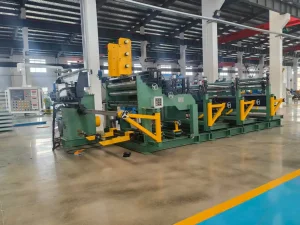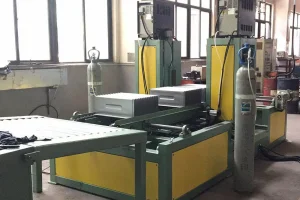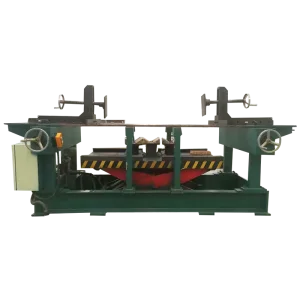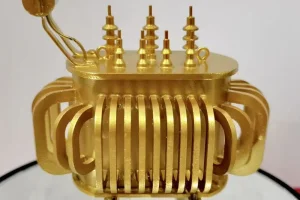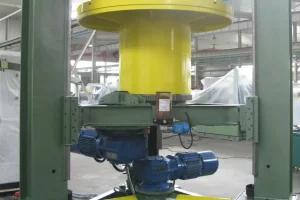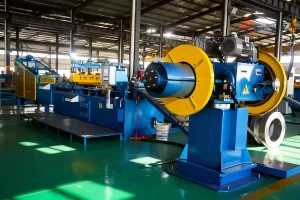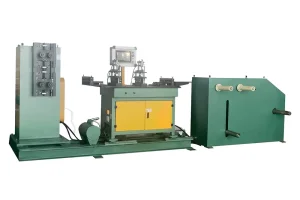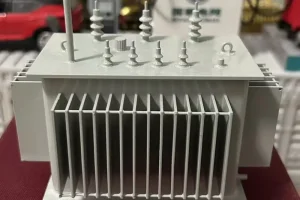
Discover our core heavy machinery and transformer manufacturing systems deployed by global OEMs.
Understanding the transition towards smart grid technologies, electrification, and dynamic load monitoring.
Modern energy distribution systems are facing unprecedented changes. The integration of fluctuating renewable resources, such as offshore wind farms and large-scale solar arrays, requires real-time grid stabilization. High-voltage (HV) sensors have evolved from basic protection devices to intelligent diagnostic endpoints. These components collect precision data points, allowing smart distribution networks to mitigate harmonics and regulate reactive power.
By deploying advanced dielectric insulation alongside optoelectronic telemetry, high-voltage sensor manufacturers enable modern grid operators to transition toward predictive asset maintenance. This change decreases reliance on manual substation safety checks and significantly minimizes catastrophic line failures.
The global rollout of Megawatt Charging Systems (MCS) for heavy-duty electric trucking requires continuous insulation integrity monitoring. Our high-voltage sensing designs deliver low-latency telemetry to prevent thermal runaway in ultra-fast DC systems.
Arc furnaces and heavy rolling mills generate severe transient spikes. Customized sensors filter out electromagnetic interference (EMI), protecting downstream digital equipment from dangerous overvoltage conditions.
Transitioning from traditional current/voltage transformers (CT/VT) to Non-Conventional Instrument Transformers (NCITs) enables utilities to leverage fiber-optic networks for IEC 61850-compliant operations.
Over a decade of engineering domain knowledge delivering high-efficiency power infrastructure and transformer machinery.
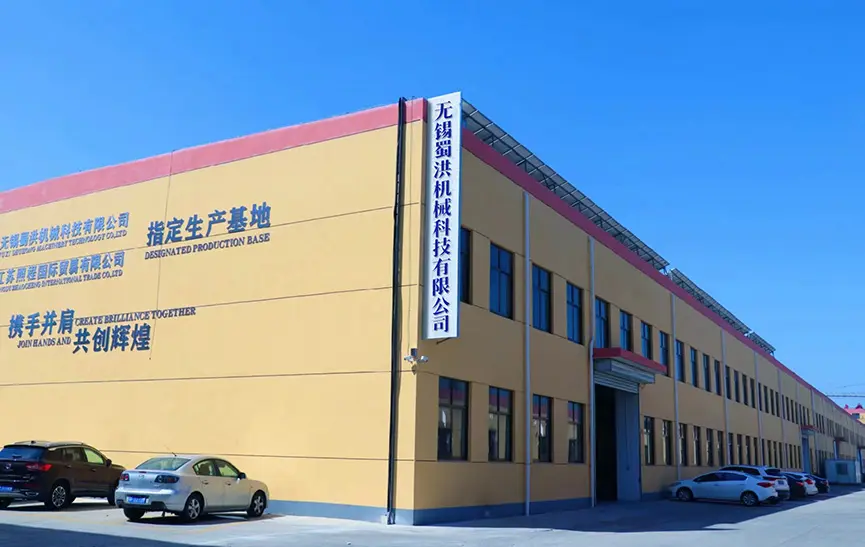
Established in 2018 on the shores of the picturesque Taihu Lake in Wuxi, known as the "Land of Fish and Rice," Wuxi Shuhong Machinery Technology Co., Ltd. has steadily developed in the electrical and plastic machinery fields. We prioritize technological innovation and quality service, growing into an engineering enterprise recognized for strength, reliability, and robust product development.
Our company originated from our founder’s hands-on experience in machinery manufacturing. Having spent over a decade in the industry—moving from front-line technical engineering roles to upper management—the founder witnessed China's domestic machinery shift from "following" to "running alongside" global peers. During this period, he identified a critical need for energy-efficient, intelligent upgrades in power infrastructure.
During a State Grid technical project exchange, the founder observed that traditional electrical installations and transformers suffered from flaws in thermal management and service life. These flaws impacted power grid stability and increased long-term operational costs. The demand for higher performance in new energy applications motivated the team to focus on the R&D and manufacturing of high-efficiency, energy-saving transformers and custom high-voltage components.
Overcoming early funding challenges and technical bottlenecks, the engineering team worked across research labs and workshops on design iterations. This dedication resulted in the development of an optimized transformer configuration characterized by a 30% lower temperature rise and a reliable 15-year operational lifespan, earning recognition from global grid clients.
Modern factories utilizing CNC lines, automated winding, and complete quality validation steps.
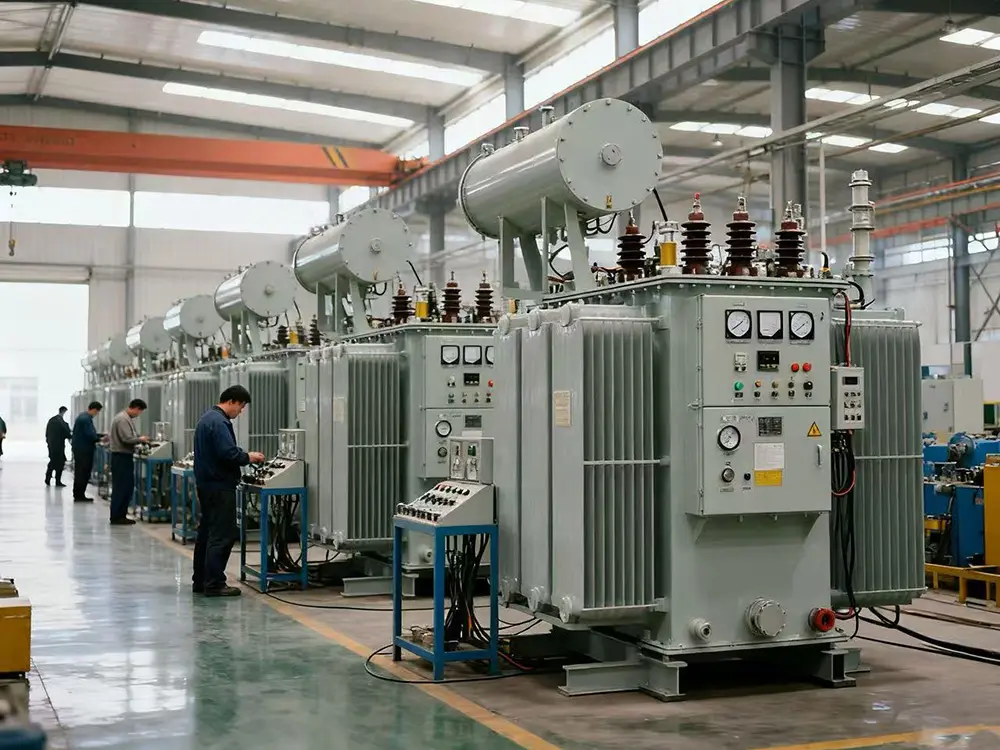
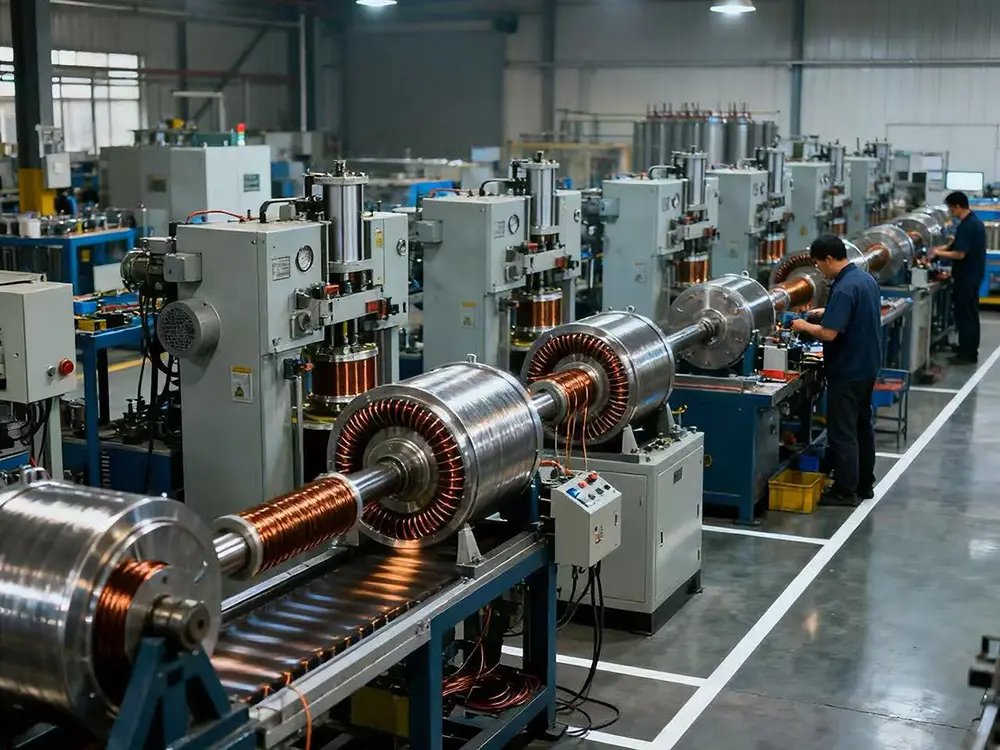
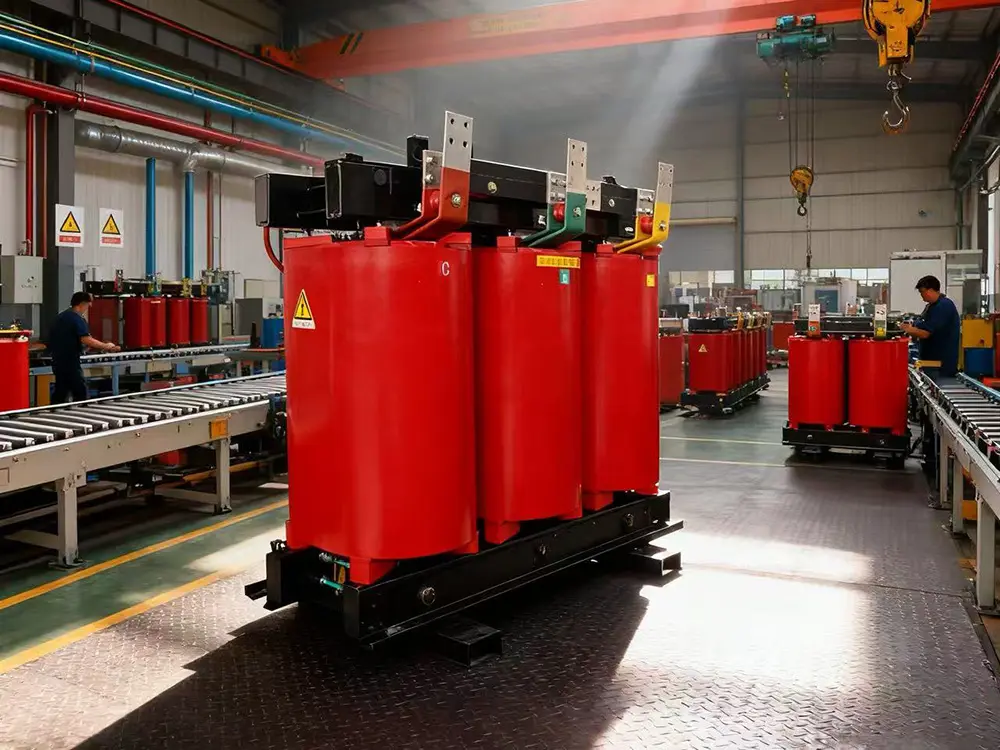
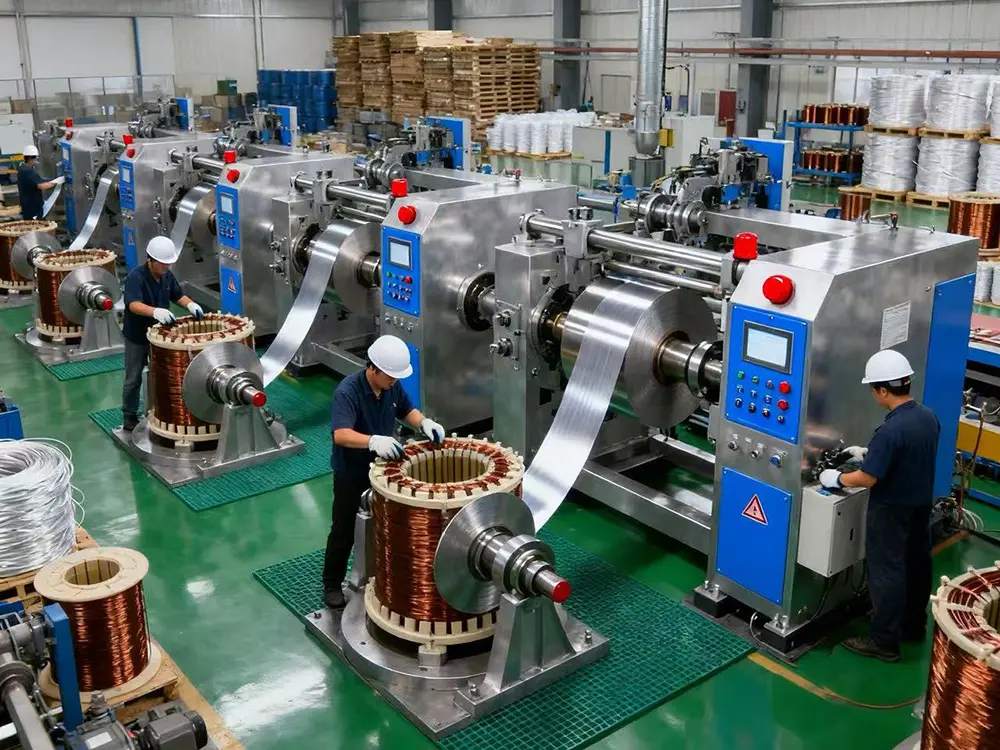
Controlling quality at every stage, from material sourcing to final insulation testing.
Shuhong Machinery manages a comprehensive, integrated industrial chain covering R&D, design, production, sales, and service. Our in-house research team and modern manufacturing facilities ensure consistent product quality across all configurations.
Focusing on continuous innovation, the company holds technological advantages in electrical insulation, magnetic material alignment, and thermal management. Our core products comply with State Grid requirements and international quality certifications. Shuhong Machinery has supplied equipment and components to over 2,000 substations worldwide, supporting grid reliability and modern renewable installations.
Our success is built on a team management philosophy defined by the principle: "People-Oriented, Collaborative Innovation." We prioritize cross-functional development through targeted initiatives:
Every stage in our factory is optimized to ensure high insulation reliability and precise measurement parameters under high-stress conditions.
Producing high-precision high-voltage sensors and winding systems requires rigorous control over physical design, core positioning, and insulation layers. Microscopic voids in core structures or tiny contaminants in dielectric fluids can lead to partial discharges under high electrical stress, resulting in component failures.
Shuhong Machinery applies strict quality control at every stage of production. From automatic raw material cutting to advanced coil winding, vacuum drying, and final high-voltage impulse testing, we verify each assembly to ensure it matches specified operational standards.
Silicon steel sheets and structural metals are processed on high-precision CNC cross-cutting lines to minimize burrs and preserve core magnetic efficiency.
Conductors are wound on automated foil winding machinery, maintaining precise layer alignment and tension to minimize parasitic capacitance.
Wound cores undergo controlled thermal annealing to relieve internal mechanical stress and optimize magnetic domain alignment.
Primary and secondary windings are layered with insulation barriers, designed to withstand high electrical pressures and external faults.
Core structures, coil configurations, and sensor arrays are integrated within robust enclosures, ensuring tight structural tolerances.
Components are treated in vacuum ovens to extract remaining moisture from paper and composite insulation materials.
For liquid-immersed systems, processed dielectric oil is injected under vacuum to eliminate air pockets and guarantee high dielectric strength.
Completed units undergo high-voltage testing, including partial discharge, lightning impulse, and accuracy validation across temperature ranges.
Adapting high-voltage systems to regional standards and demanding environmental conditions.
Our custom manufacturing processes align with recognized standards, including IEC 61869 for instrument transformers, IEEE C57.13 for accuracy, and regional CE/RoHS directives for environmental safety.
We configure sensor models for extreme field installations, utilizing outdoor-rated epoxy casings for coastal saline environments and hermetic sealing for high-temperature desert locations.
We offer customized dimensioning, unique terminal connections, and flexible output ratios (e.g., 0-5V AC, 4-20mA, or digitized optical signals) to match legacy integrations and modern SCADA systems.
Looking forward, Wuxi Shuhong Machinery Technology Co., Ltd. will continue to focus on its business philosophy: "People-oriented, Integrity-driven, Collaborative Innovation, and Quality First." We are expanding our investment in R&D to develop next-generation smart sensing systems.
Our technical roadmap centers on the integration of micro-optoelectronic sensors directly into transformer coils. This configuration enables real-time temperature, voltage, and current monitoring without metallic connections, avoiding electromagnetic interference in high-voltage fields. By expanding our collaboration with global research institutions and industry partners, we aim to deliver reliable, energy-efficient solutions for the evolving smart grid landscape.
Technical answers addressing insulation design, calibration cycles, accuracy classes, and OEM customization options.
High-capacity winding, cutting, and assembly machinery designed for global industrial factories.