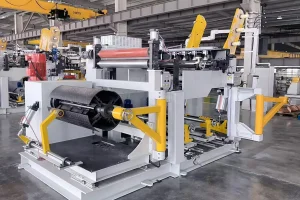
Explore our advanced manufacturing machinery and high-efficiency transformers engineered to modern industrial standards.
A comprehensive analysis of design shifts, material optimization, and global supply configurations.
Modern low watt transformers are moving rapidly away from traditional silicon steel laminations toward amorphous alloy structures. Amorphous metals feature a non-crystalline atomic structure, yielding a 70-80% reduction in no-load losses. This is vital for standby power optimization in next-generation consumer electronics and smart grids.
Miniaturization demands have driven the adoption of planar transformers. Replacing heavy copper-wire coils with flat, printed circuit boards (PCBs) stacked with core segments allows for exceptional power density and thermal efficiency, fitting within extremely confined chassis spaces.
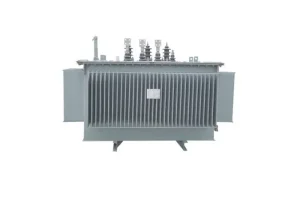
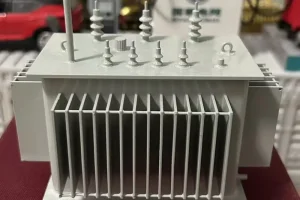
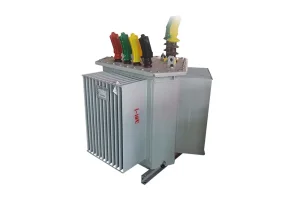
Traditional transformers suffer from rapid degradation due to localized heat concentration. By utilizing specialized heat sinks, vacuum varnish impregnation, and precision winding configurations, modern manufacturers achieve a 30% lower temperature rise, effectively extending the operational lifespan up to 15+ years.
Deeply Developing the Machinery Industry, Empowering the Future of Energy
On the shores of the picturesque Taihu Lake lies Wuxi, known as the "Land of Fish and Rice." This beautiful land has nurtured countless enterprising enterprises, with Wuxi Shuhong Machinery Technology Co., Ltd. standing out among them. Since its establishment in 2018, Shuhong Machinery has consistently prioritized technological innovation and quality service, steadily advancing in the fields of electrical and plastic machinery, becoming a high-tech enterprise with both strength and reputation.
Focused on technological innovation, Wuxi Shuhong leads in insulation, temperature control, and automated magnetic core fabrication. Its products have successfully passed State Grid and major international certifications, supplying critical equipment to over 2,000 substations worldwide, boosting energy security and supporting green grid transformation.
Explore Enterprise Profile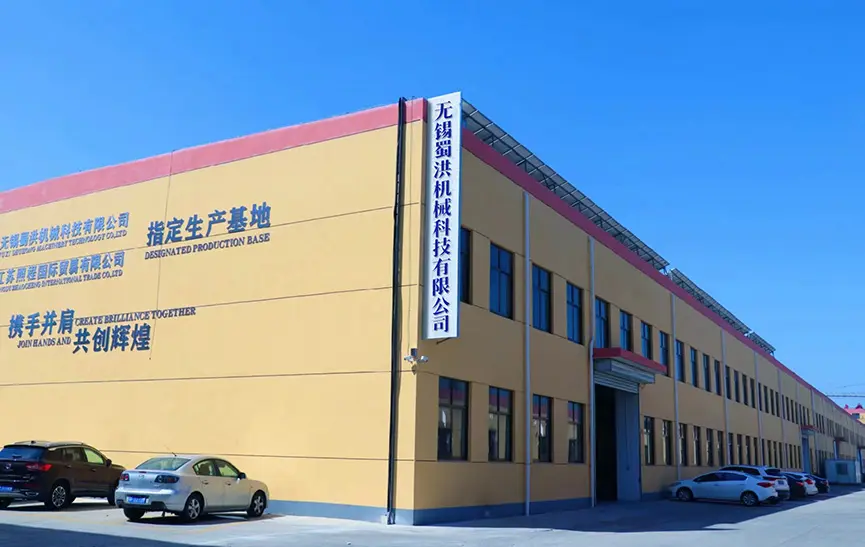
How front-line experience and technical breakthroughs redefined magnetic performance benchmarks.
Shuhong Machinery originated from its founder's deep insight into machinery manufacturing. With over a decade in the industry, transitioning from front-line technical roles to senior management, the founder witnessed domestic machinery shift from "following" to "running alongside" global peers, sensing the urgent market need for energy-efficient, intelligent equipment upgrades.
During a State Grid project exchange, the founder observed that traditional transformers suffered from systemic flaws in temperature control and service life. These flaws harmed power stability and raised operational costs. He noted the new energy sector's stricter requirements, prompting the company's laser focus on high-efficiency, energy-saving transformers.
Overcoming initial funding and technical hurdles, the R&D team worked day and night in laboratories and workshops on continuous prototype optimization. They successfully developed a transformer design featuring a 30% lower temperature rise and an exceptional 15-year lifespan, earning widespread acclaim across complex grid networks.
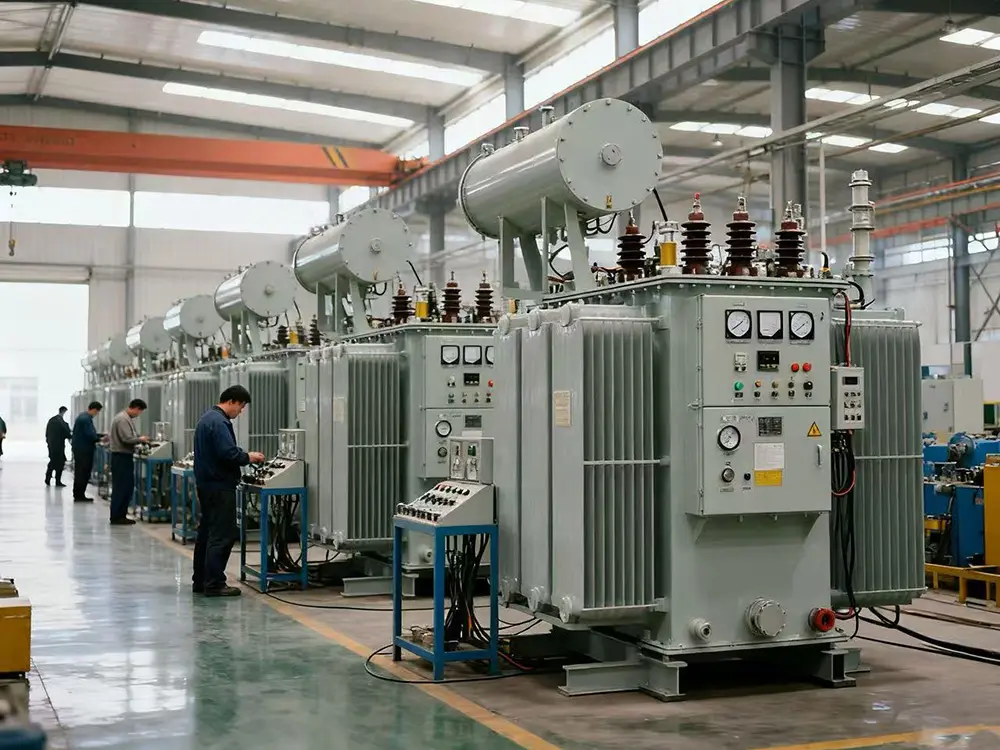
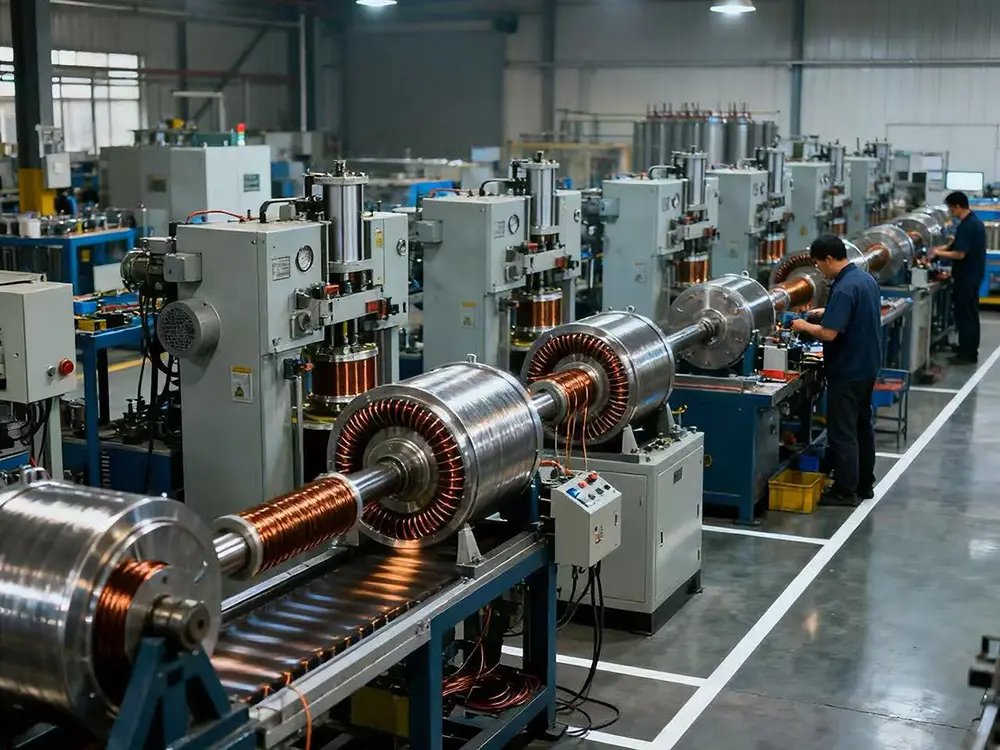
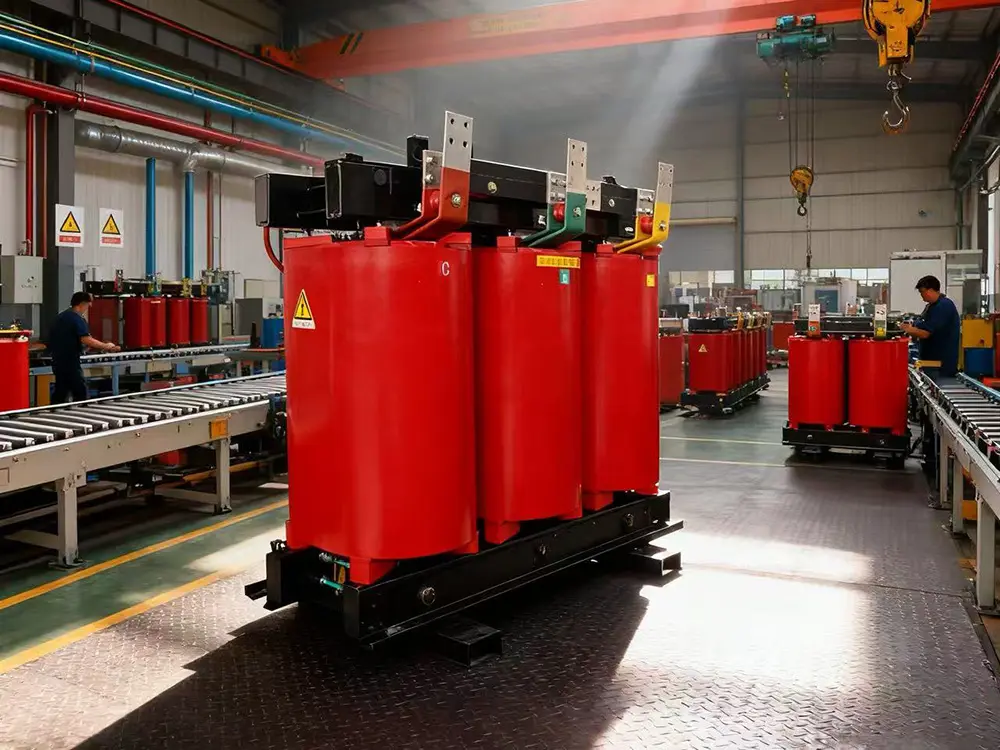
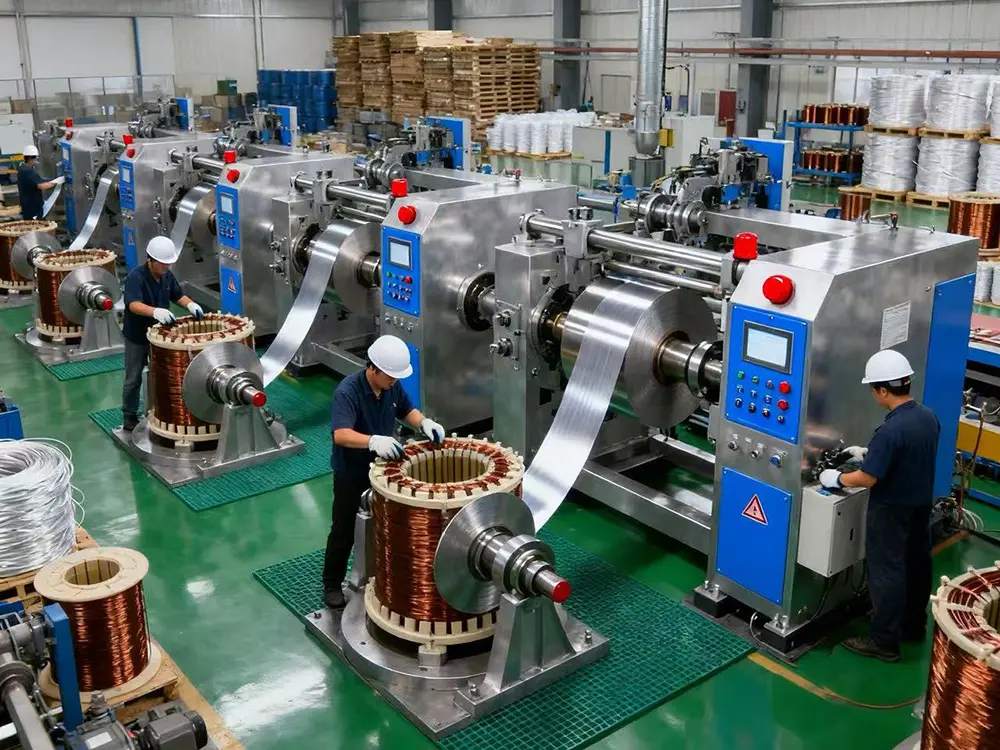
How vertical integration and robotic automation mitigate supply chain volatility for global buyers.
Global industrial procurement is no longer just about lower price points. High-level supply chain managers evaluate partner factories using complex criteria: compliance traceability, environmental footprint (RoHS, REACH), insulation ratings (Class H / 180°C limit), and superior electromagnetic compatibility (EMC).
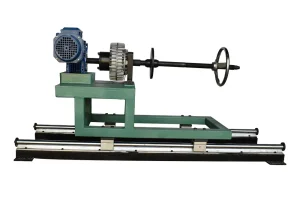
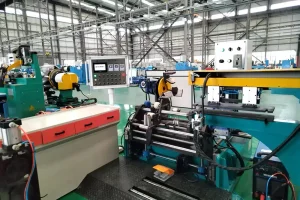
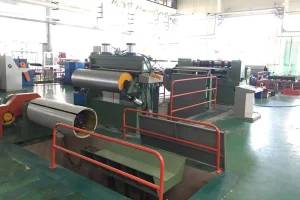
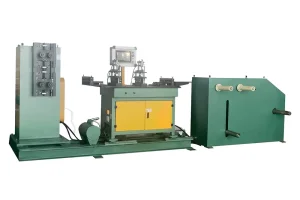
Wuxi Shuhong integrates advanced material formulation, CNC slitting, and automated 3D core winding in-house. This comprehensive layout minimizes reliance on external intermediate fabricators, maintaining strict control over steel grain orientation, core assembly tension, and curing parameters.
This complete vertical integration insulates buyers from global shipping shocks and raw material fluctuations, offering predictable lead times and reliable performance consistency.
A look at the manufacturing steps behind our high-efficiency magnetic components.
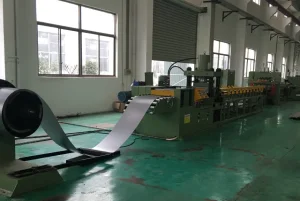
CNC slitting machines slice high-grade silicon steel with micron-level tolerance.
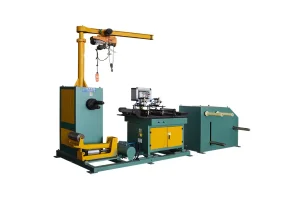
Using specialized 3D core machines to form uniform closed magnetic circuits.
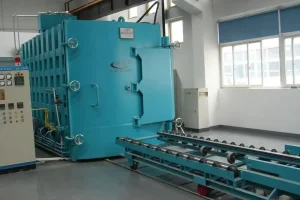
Vacuum annealing furnaces relieve mechanical stresses and restore optimal permeability.
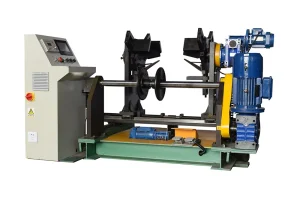
Automated winding of copper wire or foil around annealed cores for precise insulation.
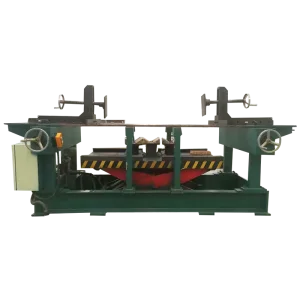
Rigid physical assembly of cores and coils on specialized structural tables.
Oven baking eliminates residual moisture, preventing dielectric breakdown.
Hermetic filling of cooling oil or potting with thermally conductive epoxy.
Comprehensive verification of load losses, impedance, insulation, and harmonics.
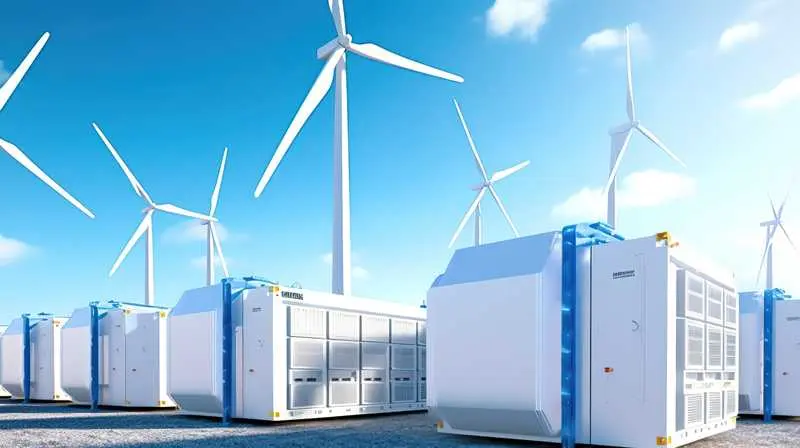
From smart urban grids to remote industrial sensors, low watt transformers support modern energy infrastructure.
Smart electrical meters installed outdoors require low watt transformers that operate stably across wide temperature variations. By reducing localized heat signature and keeping core losses extremely low, our transformers operate continuously in harsh environments with zero maintenance.
Precision medical diagnostic equipment demands low-noise power regulation and high dielectric isolation. Our advanced wound core configurations eliminate high-frequency harmonics and structural vibrations, meeting strict healthcare safety standards.
Programmable Logic Controllers (PLCs) and remote terminal units (RTUs) require continuous, clean auxiliary power. Wuxi Shuhong designs ruggedized low-wattage units that handle voltage spikes and line surges common in heavy industrial facilities.

Staying True to Our Original Aspiration and Striving for Greater Goals
Looking forward, Shuhong Machinery will uphold its core business philosophy: "People-oriented, Integrity-driven, Collaborative Innovation, and Quality First." We plan to deepen our focus on electrical and plastics machinery, boosting R&D investments to refine our electromagnetic topologies and structural isolation.
Our expansion strategy covers both established and emerging markets, partnering with global research centers to design smart, energy-efficient products. Wuxi Shuhong is committed to building a highly competitive machinery brand, supporting the global transition toward cleaner, more stable energy.
Common questions from engineering departments and global supply chain specialists regarding low watt transformer manufacturing.
For low-wattage units (typically under 100W), modern designs aim to minimize "no-load losses" or standby losses, targeting efficiencies between 85% and 95% under load. Using amorphous core materials helps satisfy strict regulations like the US Department of Energy (DOE) Level VI standards, keeping standby draw under 0.1W.
A 3D wound core uses a continuous, uncut steel strip wound on a specialized mandrel. This configuration eliminates the air gaps and sharp lap joints found in traditional stacked cores, lowering magnetic path resistance (reluctance). The result is a 30% reduction in excitation current, lower noise, and enhanced protection against environmental moisture.
Winding and cutting processes introduce mechanical stresses into silicon steel and amorphous foils, disrupting their crystalline alignment and degrading magnetic properties. Heating these cores in a vacuum annealing furnace at controlled rates relieves these stresses, restoring optimal magnetic flux alignment and lowering core losses.
Achieving a long operational lifespan involves high-grade insulation (such as Class H polyesterimide coatings), vacuum pressure varnish impregnation to prevent air pocket formation, and precision thermal management. Maintaining a low temperature rise under peak loads prevents premature degradation of the insulation layers, protecting against short-circuits.
Select industrial units built for durability, efficiency, and stable power grid integration.