An authoritative deep dive into Fe-Si-B metallic glass formulations, processing techniques, and the physics of magnetic loss minimization.
Amorphous alloy ribbon (commonly known as metallic glass or rapid solidification alloy) represents one of the most critical breakthroughs in modern electromagnetic material engineering. Unlike traditional cold-rolled grain-oriented (CRGO) silicon steel sheets, which possess a structured crystalline grid, amorphous ribbons display a completely disordered, liquid-like atomic configuration. This unique structural chaos is achieved by cooling molten Fe-Si-B alloys at extreme rates of approximately 10^6 °C per second, completely preventing the formation of crystalline phases.
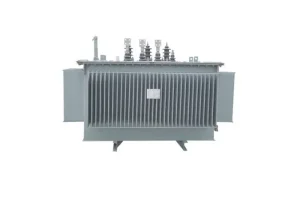
By eliminating the crystalline boundary lattice, the material achieves near-zero magnetocrystalline anisotropy and eliminates structural grain barriers that typically pin magnetic domains. The practical consequence of this physics is a massive reduction in both **hysteresis losses** and **eddy current losses**. When deployed in the cores of distribution transformers, amorphous alloys reduce no-load (standby) core losses by up to 70% to 80% compared to traditional silicon steel. This makes amorphous ribbon the core technology behind efforts to meet carbon neutrality standards worldwide, such as the EU Ecodesign requirements and US DOE standards.
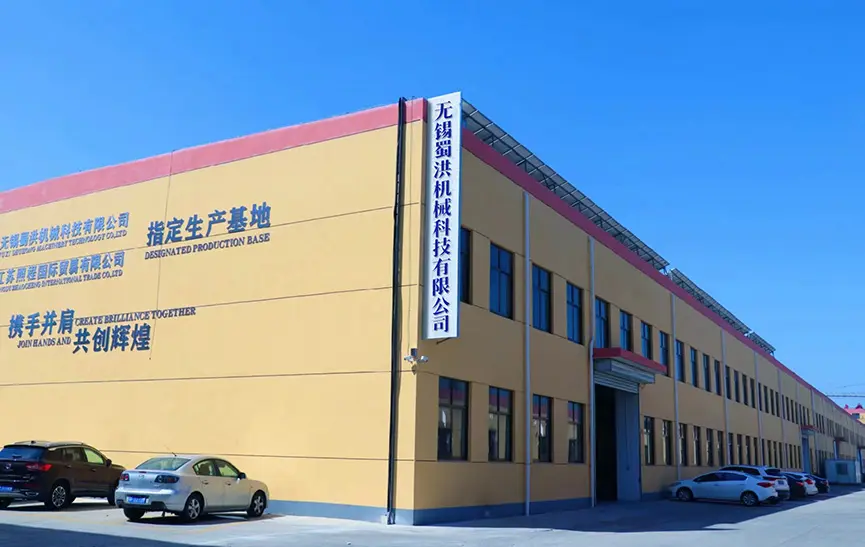
Decade-long manufacturing excellence operating from the heart of China's advanced machinery corridor.
Established on the scenic shores of Taihu Lake in Wuxi—a historical industrial powerhouse—Wuxi Shuhong Machinery Technology Co., Ltd. has grown from the founder's hands-on machinery insights into a leading developer of high-efficiency machinery and electrical systems.
Our ongoing commitment to thermal control and insulation technology has resulted in transformer designs that realize a 30% lower temperature rise and an extended service lifespan exceeding 15 years, serving over 2,000 active distribution substations.
We manage a comprehensive industrial pipeline encompassing R&D, advanced design, physical production, local testing, and post-installation service. This structure ensures strict quality control and enables competitive, discount-oriented pricing for volume orders.
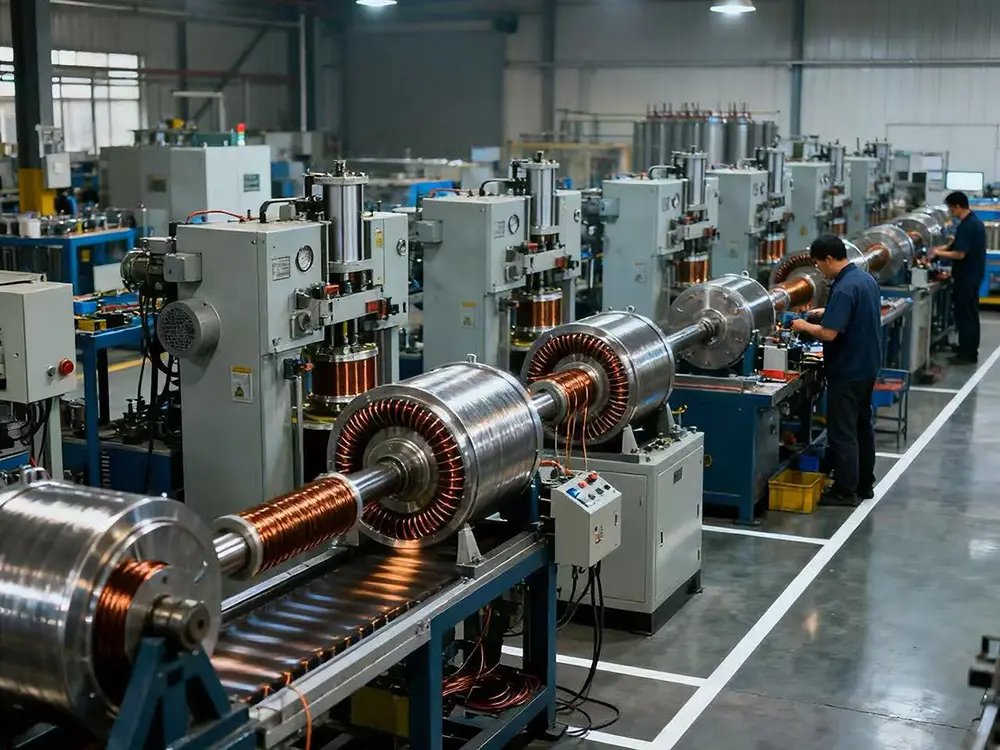
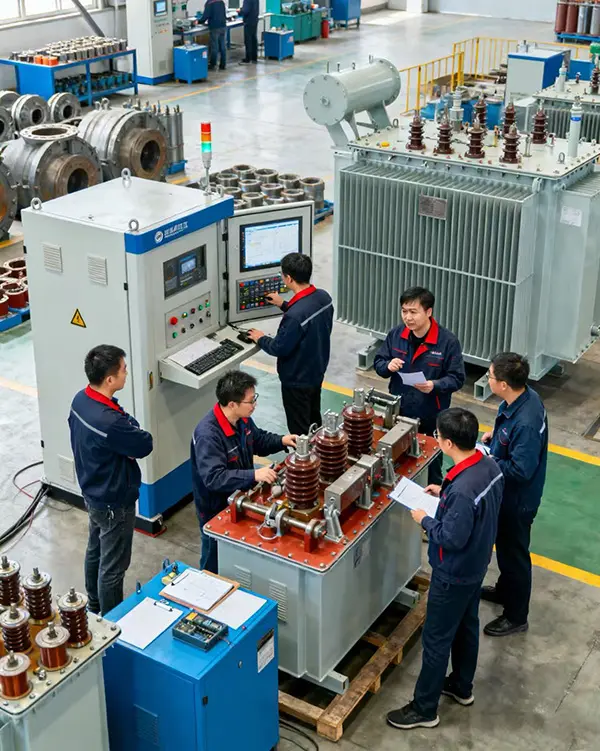
Every step in our factory line is optimized to maintain the delicate amorphous metal structure and guarantee premium soft magnetic properties.
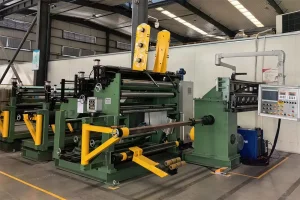
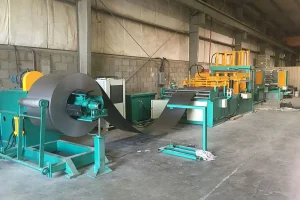
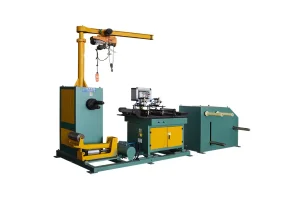
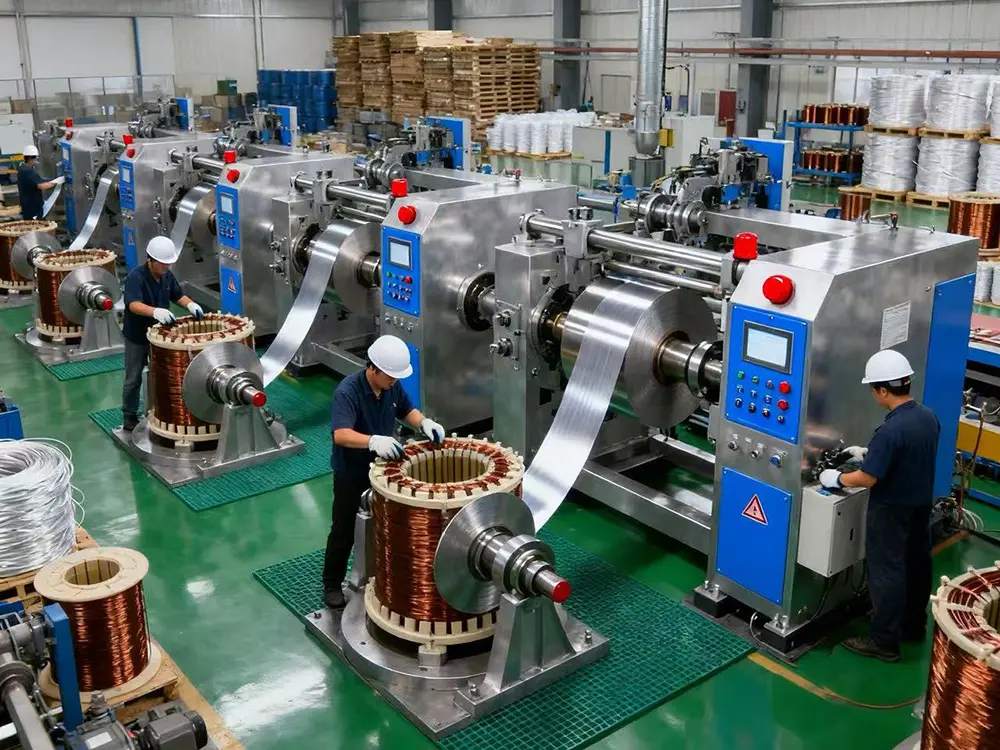
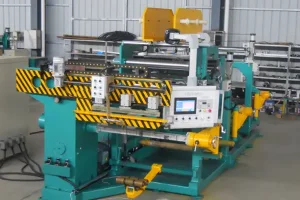
Ultra-precise shearing of thin (typically 20-30μm) amorphous alloy ribbons to custom widths without causing micro-fractures along edges.
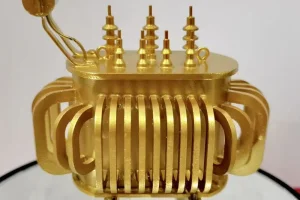
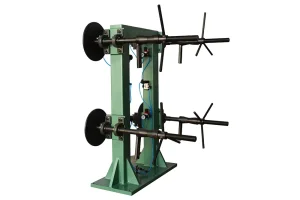
Automated winding layers using specialized tension-control reels to form dense, multi-layer toroidal or rectangular core profiles.
Controlled thermal processing in a nitrogen atmosphere under strong magnetic fields. This step relieves mechanical stresses and aligns magnetic domains.
Precision winding of high-conductivity copper or aluminum foil around the insulated cores, optimizing the fill factor.
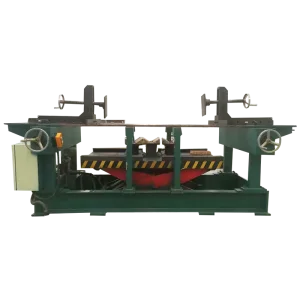
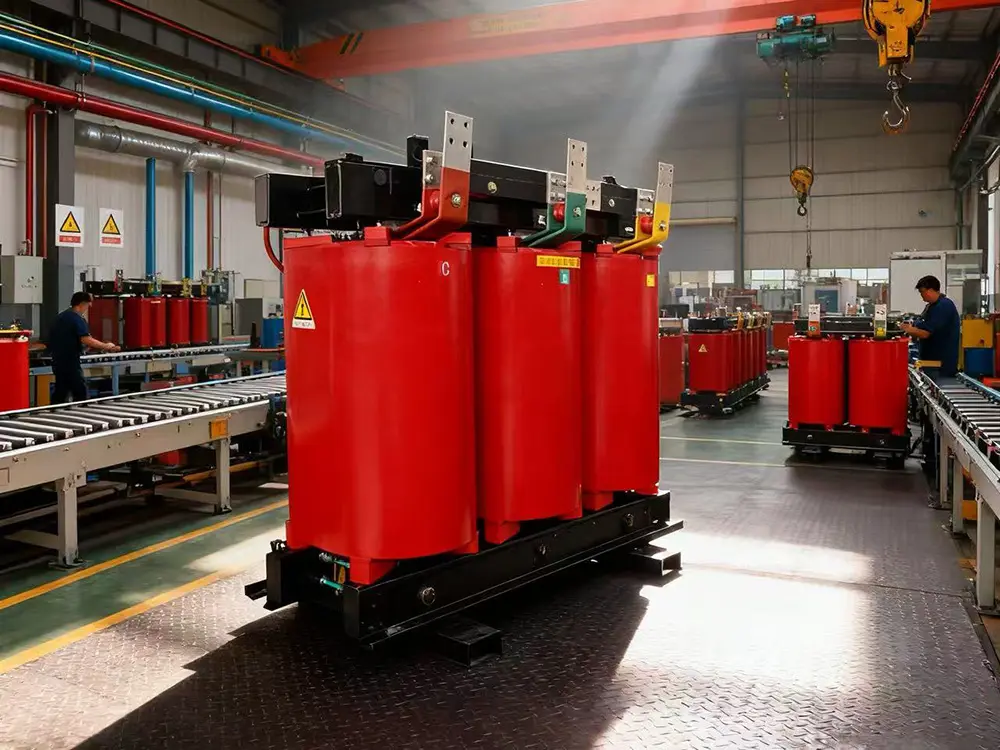
Integration of cores, wound coils, lead connections, and structural clamps on designated assembly tables to minimize vibration and noise.
High-vacuum thermal dehydration cycle to eliminate traces of moisture from the cellulose insulation paper and core assembly.
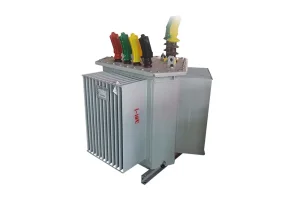
Vacuum injection of highly refined dielectric oil (or natural esters) to ensure bubble-free insulation and optimal heat transfer.
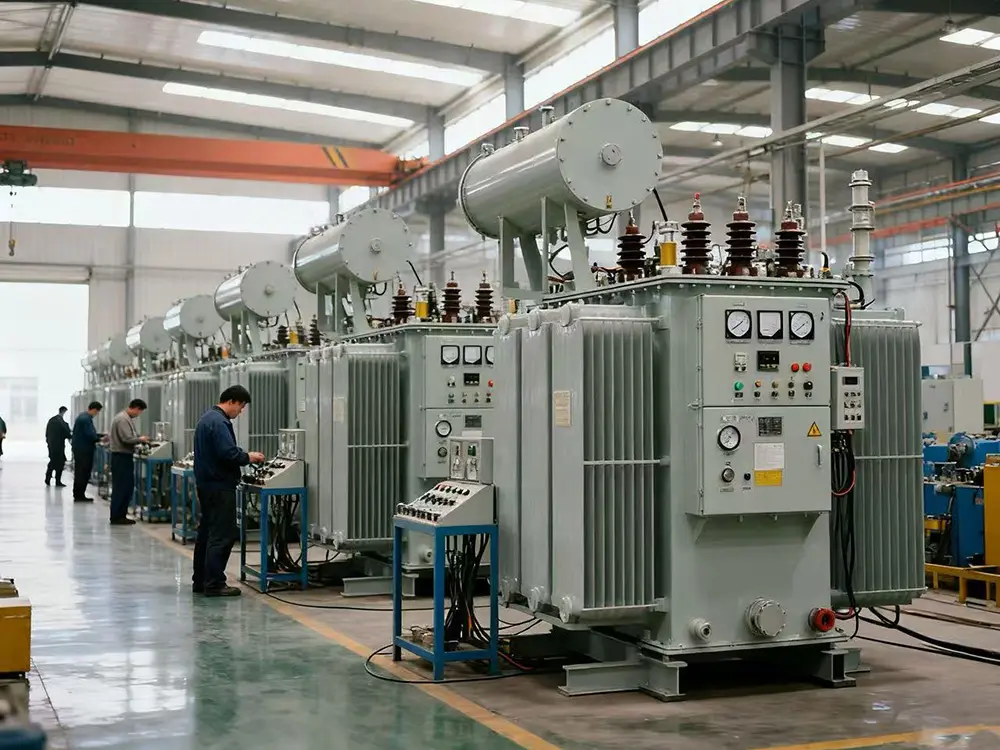
Final diagnostic validation covering no-load loss, copper loss, partial discharge, temperature rise profiles, and insulation resistance.
Integrating low-loss amorphous metal alloys into next-generation power infrastructure to meet global emissions reductions goals.
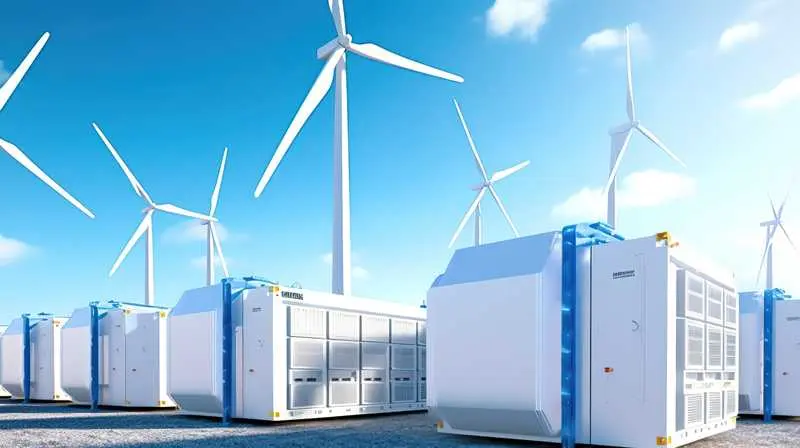
Wind and solar installations frequently face long periods of zero or low generation, leaving connected transformers in an energized, idling state. During these periods, the transformer core consumes power continuously. Amorphous ribbon cores, with their extremely low no-load losses, prevent this idle energy drain, significantly increasing the overall energy yield of renewable utility farms.
Urban distribution grids experience severe peak load variations due to EV fast-charging stations and air conditioning demands. Amorphous ribbon cores operate with lower temperatures under high loads, helping to prevent hot spots and insulating degradation. This reduces thermal stress across the grid and helps prevent localized power outages during extreme peaks.
A look at market demands, trade paths, and cost structures that balance quality and discount pricing.
The global demand for amorphous ribbon has surged, driven by strict updates to electrical efficiency regulations. Historically, the high initial cost of amorphous metals restricted their use to premium markets. Today, optimized high-speed planar flow casting processes have stabilized production yields, enabling volume manufacturers to offer discount pricing that is cost-competitive with high-grade silicon steels.
China, Japan, and India currently lead the global production capacity. However, regions such as Europe, Latin America, and North America are experiencing rapid growth in adoption due to stricter grid codes. Because amorphous metal is physically thin and brittle compared to silicon steel, manufacturing distribution cores requires specialized processing lines. Working directly with factories that combine alloy casting and core manufacturing reduces transport handling risks and lowers final assembly costs.
Where and why amorphous alloy ribbons and cores are deployed across industrial sites.
Offshore wind environments expose equipment to highly humid and saline conditions. Encased in oil-immersed tanks with high-efficiency cooling setups, amorphous alloy cores are protected from moisture while delivering maximum energy efficiency. This setup helps reduce maintenance runs to offshore platforms, lowering operating costs.
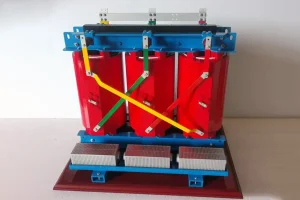
Data centers require continuous cooling and run at high load factors. Utilizing dry-type amorphous alloy transformers inside basement vaults reduces heat generation, lowering the HVAC load. The self-extinguishing nature of dry insulation also minimizes fire risks in enclosed spaces.
Urban rail systems run on highly dynamic, pulse-heavy load cycles. High-saturation amorphous core components manage these quick switches and high harmonics without building up excess heat, helping to protect traction transformers and keep transit networks running smoothly.
The technological path toward next-generation magnetic materials.
Continuous development in amorphous metal chemistry aims to solve a key engineering challenge: increasing **saturation induction ($B_s$)** while preserving low core loss. Traditional iron-based amorphous ribbon saturates at approximately 1.56 Tesla, lower than the 2.0 Tesla rating of silicon steels. As a result, amorphous transformer cores require a larger cross-sectional area to carry the same magnetic flux.
The research roadmap focuses on adding micro-alloying elements (such as Cobalt, Nickel, and rare earths) and refining annealing protocols to increase saturation limits past 1.65 Tesla. These developments are paired with thinning ribbon profiles down to 18 microns to reduce high-frequency eddy current losses, opening new opportunities for high-speed EV motor stators and high-frequency solar inverters.
Additionally, Wuxi Shuhong is focused on expanding domestic and international partnerships, collaborating with industry leaders, and investing in automated assembly systems. These steps will help bring energy-efficient, low-maintenance transformer equipment to a broader global market.

Guaranteeing technical reliability and seamless integration into municipal power distribution networks.
Our manufacturing processes are designed to comply with IEC 60076-15 guidelines. These standards establish parameters for gas-insulated and liquid-immersed amorphous alloy transformers, ensuring they meet global utility standards.
For markets in the Americas, our manufacturing runs match IEEE C57 test codes, which cover basic dielectric strength requirements, impulse ratings, short-circuit calculations, and structural load constraints.
Our factory maintains ISO 9001 certification. Every production batch of amorphous cores goes through regular testing, including raw material chemical checks and final loss testing, with full tracking reports available upon request.
Addressing engineering questions and design concerns for utility systems and manufacturing setups.
Wuxi Shuhong Machinery Technology Co., Ltd. provides design, engineering, and supply-chain solutions tailored to your project requirements.
Looking for dynamic discount pricing on volume purchases?
Our technical engineering team can help optimize core dimensions, material selections, and winding setups for your transformer production line.
Send Inquiry Now