❓
Frequently Asked Questions (FAQ)
Q
What foil materials are compatible with this foil winding machine?
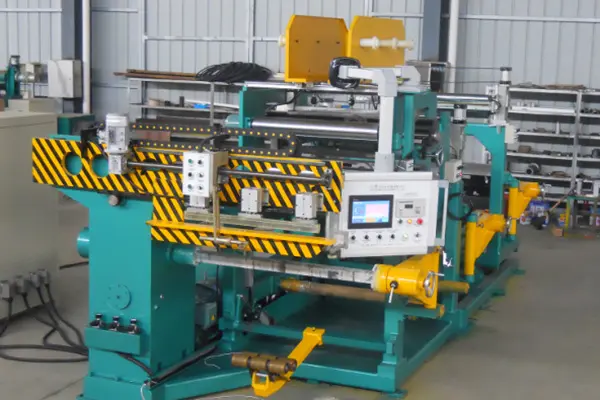
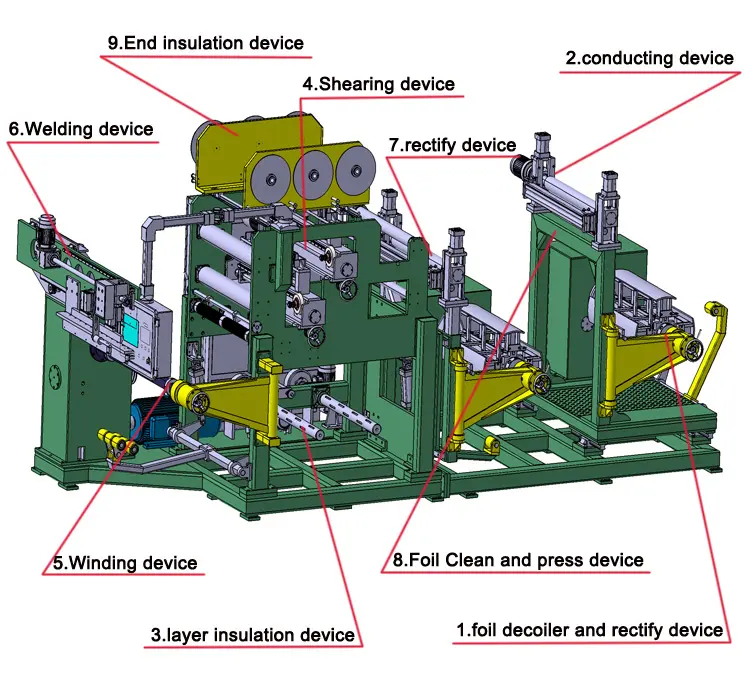
This foil winding machine supports both copper (Cu) and aluminum (Al) foil materials. Copper foil thickness ranges from 0.3mm to 2.5mm, while aluminum foil thickness ranges from 0.5mm to 3.0mm, making it suitable for a wide variety of transformer coil production requirements.
Q
What are the available model options and their key differences?
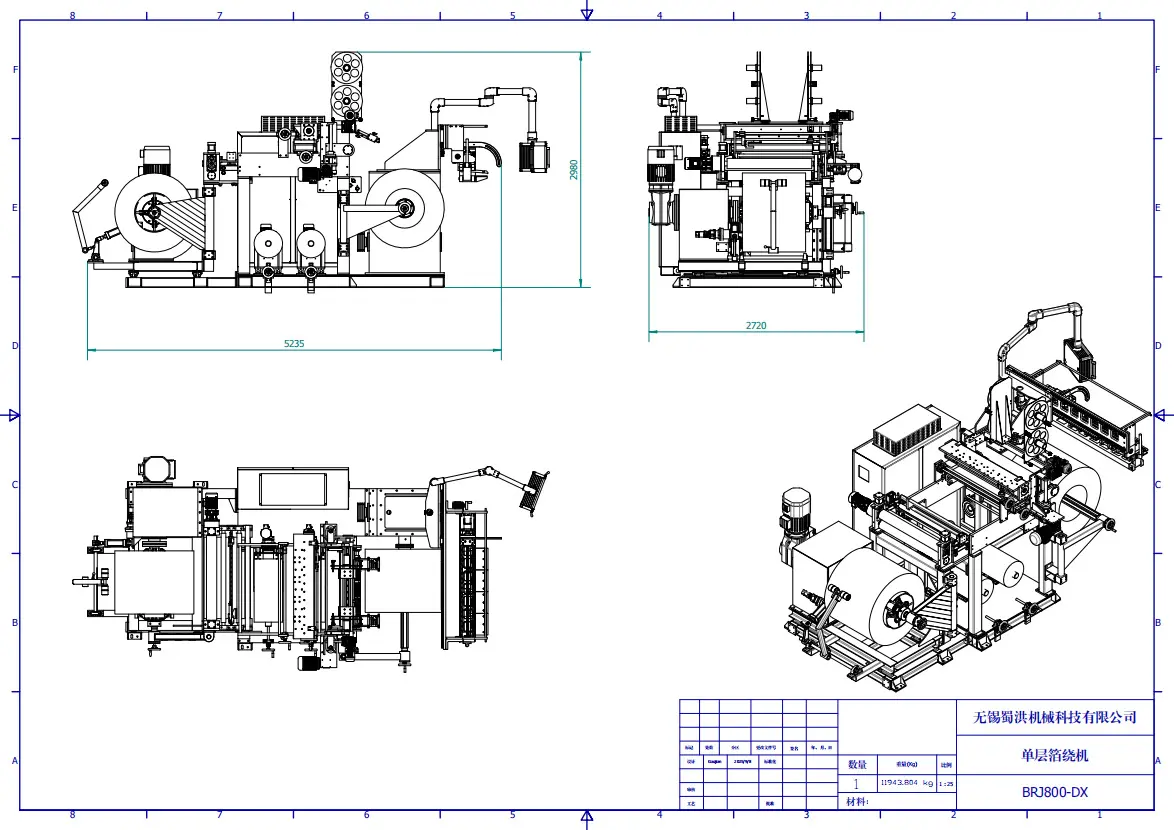
There are four models available: SH-600, SH-800, SH-1100, and SH-1400. The main differences lie in foil width capacity (100–600mm up to 300–1400mm), maximum foil tension (6000N to 14000N), and winding speed (0–30r/min or 0–20r/min). Customers can select the appropriate model based on their coil size and production requirements.
Q
What welding methods does this machine support?
The foil winding machine supports two welding methods: TIG (Tungsten Inert Gas) welding and cold pressure welding. The welding speed is adjustable from 0 to 0.5 m/min, ensuring clean and reliable foil joint connections during the winding process.
Q
How does the correction system work and what is its precision?
The correction system uses photoelectric analog sensors that do not make contact with the foil edge. This non-contact design works with both thick and thin foil materials. The correction precision is ±0.5mm, ensuring accurate and consistent foil alignment throughout the winding process.
Q
Is this foil winding machine suitable for new energy applications?
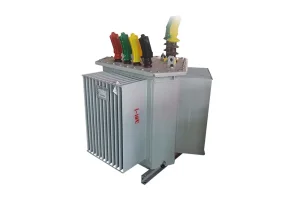
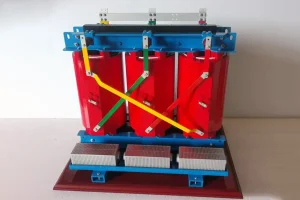
Yes. This machine is widely used in new energy sectors including wind turbine box transformers, photovoltaic inverter transformers, energy storage converter (PCS) inductors, and charging pile transformers. It is capable of producing compact, high-power-density foil coils that meet the demands of modern clean energy systems.
Q
How is the tension controlled during the winding process?
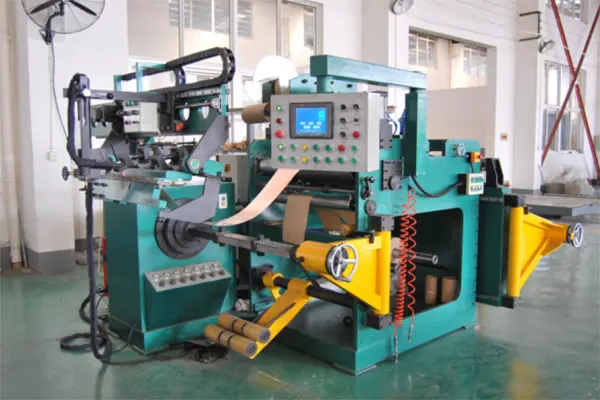
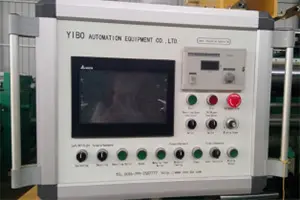
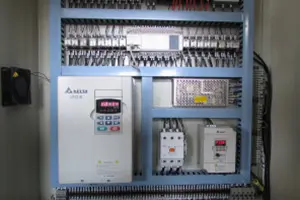
The machine adopts a motor-initiative tension supply method, which maintains stable tension during winding, stopping, and foil returning phases. This advanced tension control prevents foil loosening caused by tension loss during operation. All tension parameters can be monitored and adjusted in real time via the PLC-controlled touch screen interface.