In modern power transmission and distribution, transformer efficiency is a critical determinant of grid stability, economic viability, and environmental sustainability. Winding losses, commonly referred to as load losses or copper losses (though applicable to aluminum conductors as well), represent a major fraction of total energy dissipation within a transformer. As grids integrate higher levels of renewable energy and support nonlinear loads like Electric Vehicle (EV) fast-charging infrastructure, mitigating winding losses has evolved from a routine design task into a sophisticated engineering challenge.
At its physical core, winding loss consists of two main components: classical $I^2R$ DC loss and stray losses. The DC resistance loss is governed directly by Joule's Law, where current ($I$) passes through the electrical resistance ($R$) of the conductor. However, under alternating current (AC) conditions, high-frequency harmonics and leakage magnetic fields introduce dynamic phenomena that dramatically escalate losses.
The skin effect forces current density to concentrate on the outer perimeter of a conductor, reducing its effective cross-sectional area and increasing AC resistance ($R_{ac}$). Simultaneously, the proximity effect arises from the magnetic field generated by adjacent turns of wire or foil, altering current distribution within the conductors. When transformers operate with high-frequency harmonics, these effects scale exponentially.
Stray losses are caused by leakage magnetic flux cutting through transformer structural steel components, core clamps, tank walls, and the windings themselves. In high-capacity industrial transformers, this leakage field induces eddy currents inside the copper or aluminum windings, causing localized overheating (hot spots) that accelerate dielectric insulation breakdown.
On the shores of the picturesque Taihu Lake lies Wuxi, known as the "Land of Fish and Rice." This beautiful land has nurtured countless enterprising enterprises, with Wuxi Shuhong Machinery Technology Co., Ltd. standing out among them. Since its establishment in 2018, Shuhong Machinery has consistently prioritized technological innovation and quality service, steadily advancing in the fields of electrical and plastic machinery, becoming a high-tech enterprise with both strength and reputation.
Shuhong Machinery originated from its founder’s deep insight into machinery manufacturing. With over a decade in the industry (progressing from front-line technical roles to high-level engineering management), the founder witnessed domestic machinery shift from "following" to "running alongside" global peers. Sensing the imminent market transformation toward energy-efficient and intelligent electrical machinery, the company was established to address the critical gaps in standard winding and core cutting methodologies.
Explore Our Winding Technology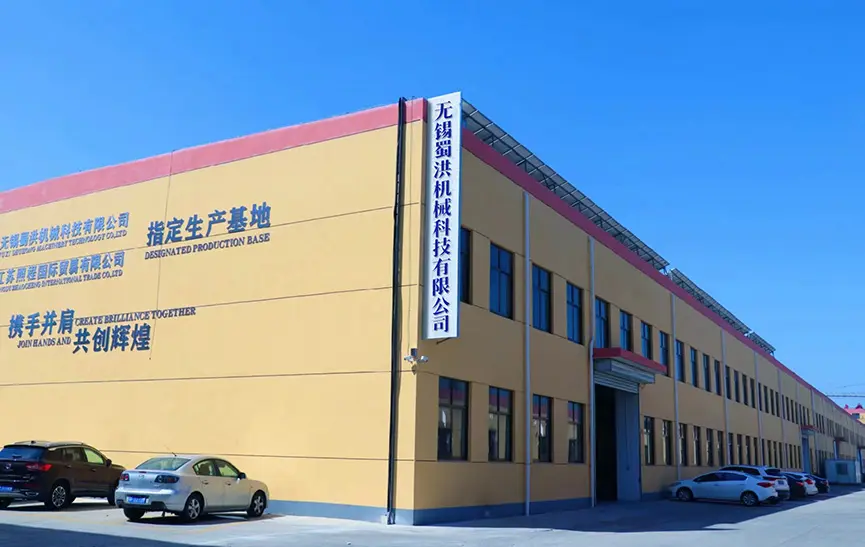
During an intensive exchange for a critical State Grid project, Shuhong's founding engineers realized that traditional transformer designs were severely flawed in heat dissipation and thermal lifetime management. High temperatures inside transformer windings degrade the surrounding solid paper and liquid insulation, leading to early failures. In response, Shuhong Machinery focused its R&D resources on manufacturing high-efficiency, energy-saving transformer winding solutions.
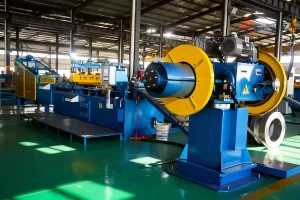
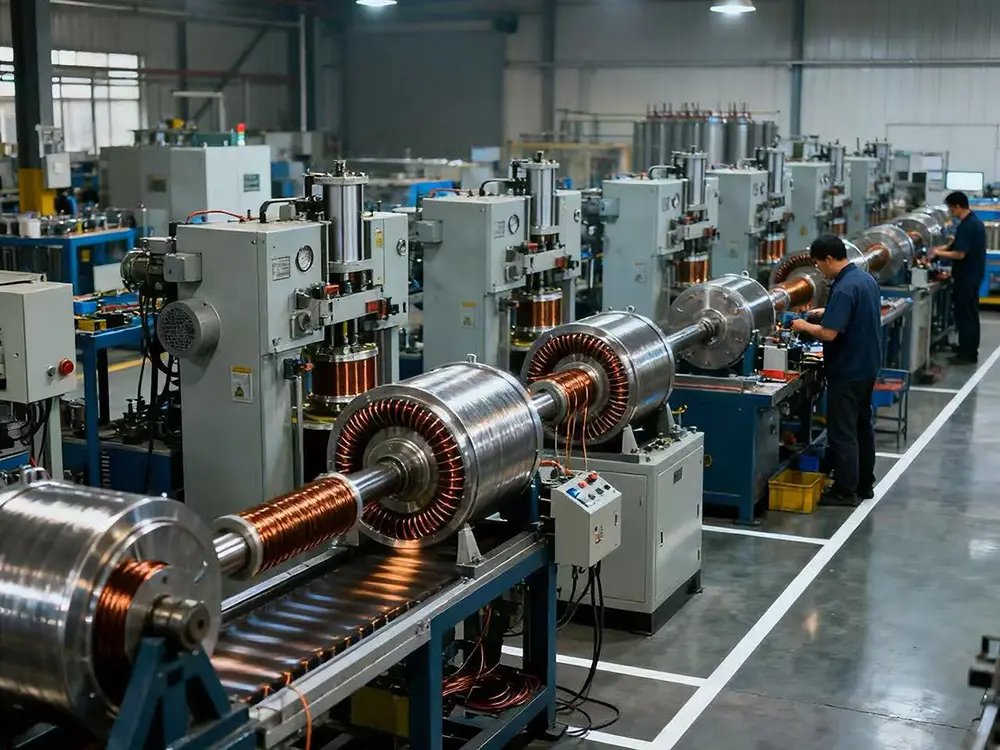
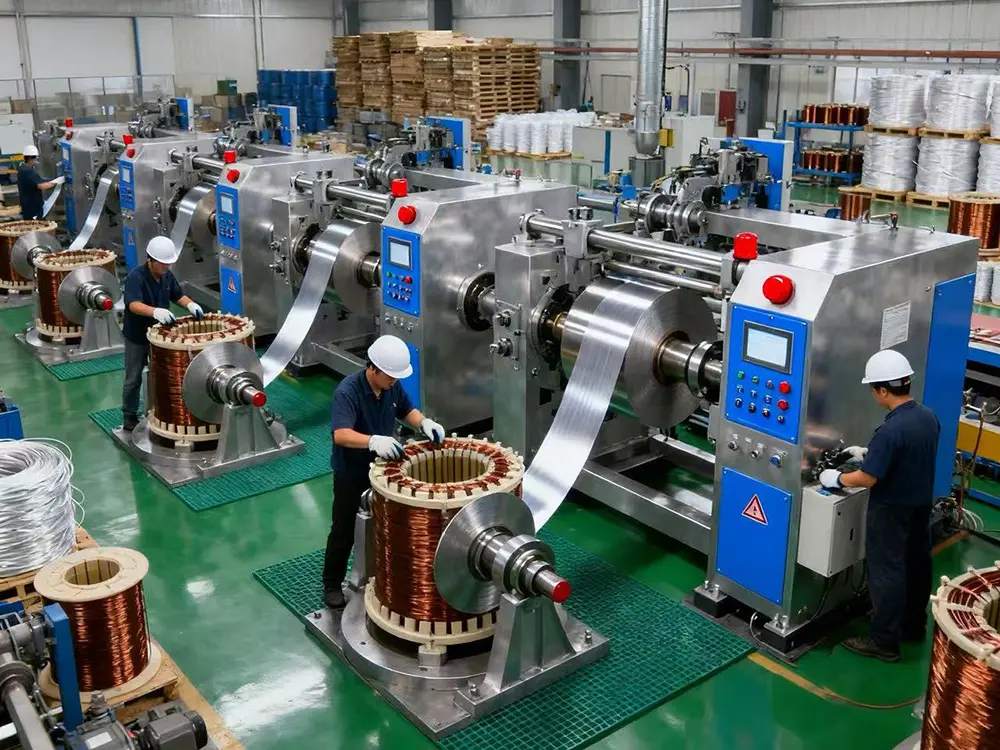
Transitioning from conventional copper wire to continuous copper or aluminum foil. Foil structures significantly reduce eddy current losses within windings by ensuring that current density remains uniform across the width of the conductor, mitigating the high-frequency proximity effect.
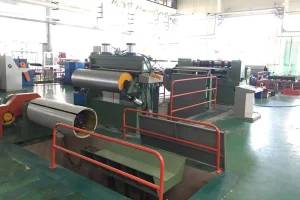
Core and winding interactions define the efficiency profile of transformers. Our advanced CNC cross-cutting lines minimize the shear strain and burrs on silicon steel sheet joints, reducing localized magnetic flux distortion that can cause excessive thermal loading on the surrounding coils.
Traditional stacked cores create air gaps and magnetic reluctance that stress winding configurations. By implementing 3D roll core technology, magnetic pathways are continuous, vastly lowering both magnetizing current and load losses during dynamic distribution cycles.
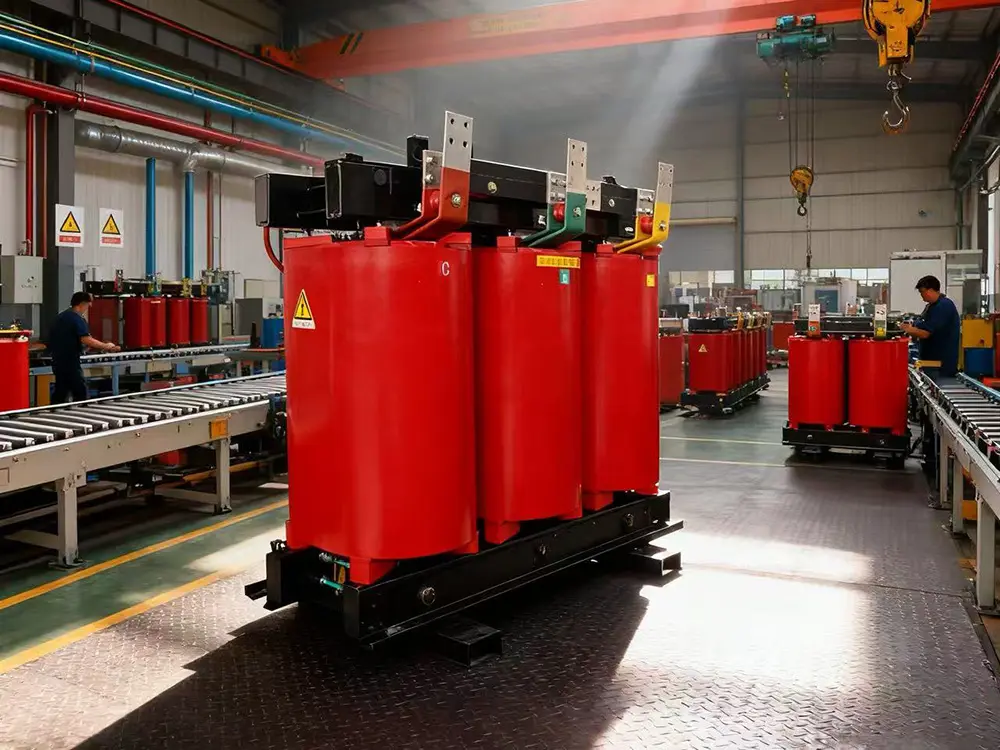
Overcoming complex initial funding hurdles and highly technical R&D barriers, the engineering team worked day and night in laboratories and production workshops on mockups and physical optimizations. They successfully commercialized specialized transformer equipment with 30% lower temperature rise and an extended 15-year operational lifespan, earning widespread recognition from leading power grid developers.
Modern utility procurement is guided by stringent international standardizations that penalize high energy losses. The European Union’s Ecodesign Directive Tier 2 and the United States Department of Energy (DOE) 2025 Standards mandate unprecedented energy conversion efficiency levels. Under these rules, transformer lifecycle carbon footprint calculations place severe financial penalties on high load (winding) losses.
EPC contractors and industrial purchasing managers are no longer just looking at low initial acquisition costs. Instead, they calculate the Total Cost of Ownership (TCO), which factors in the capitalized cost of no-load and load losses over a typical 25-to-30-year lifecycle:
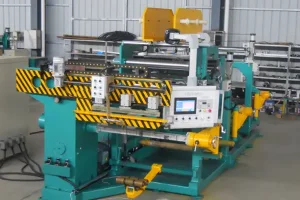
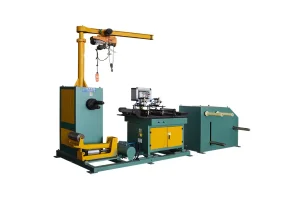
Where parameters A and B represent the capitalized value of lost energy per watt (often ranging from $3 to $8 per watt depending on local electricity rates). Therefore, procuring high-performance winding machinery, such as Shuhong's Double-layer Foil Winding Equipment, allows manufacturers to construct highly competitive products that meet international bids.
Wuxi Shuhong Machinery leverages its strategic location in the Yangtze River Delta, the heart of China’s advanced machinery manufacturing cluster. This enables access to an integrated ecosystem of raw materials, high-precision electronics, and deep metallurgical expertise, ensuring reliable lead times and high material quality control.
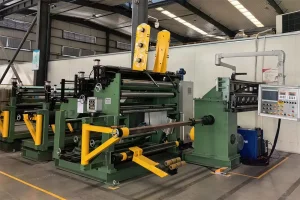
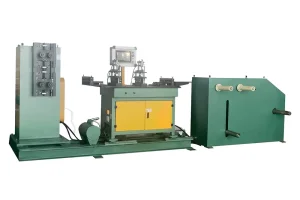
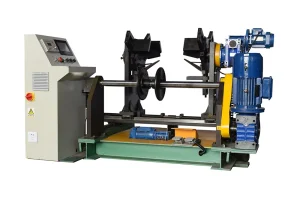
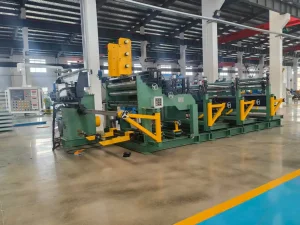
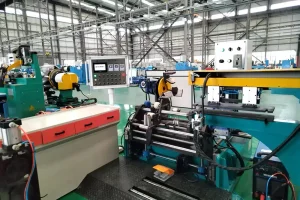
By integrating Industry 4.0 manufacturing processes, Shuhong ensures that every piece of machinery exhibits consistent precision. Automated machining centers, real-time telemetry on CNC slitting machines, and computer-controlled tension control systems on our foil winders eliminate human errors. This level of automated process control guarantees that tension variations during winding are kept below 1%, protecting the thin interlayer insulation material and preventing microscopic physical defects that could cause local hotspots or short circuits in the field.
From initial raw silicon steel sheet cutting to finished foil winding operations, we design, manufacture, and calibrate every piece of machinery in-house. This comprehensive integration ensures optimal product compatibility and structural integrity.
Our equipment complies with CE directives and is engineered to assist transformer manufacturers in passing rigorous testing standards set by the State Grid of China, KEMA, and UL.
After years of development, Shuhong Machinery has established a complete R&D, design, production, sales, and service industrial chain. Our professional R&D team and modern manufacturing facilities ensure every machine we construct conforms to strict tolerances. Focused on tech innovation, we lead in dry-type and liquid-immersed insulation and temperature control; our products have passed State Grid and international certifications, and have successfully supplied over 2,000 substations, boosting China's power and new energy sectors.
Transformer winding technology must adapt to specific regional and environmental challenges:
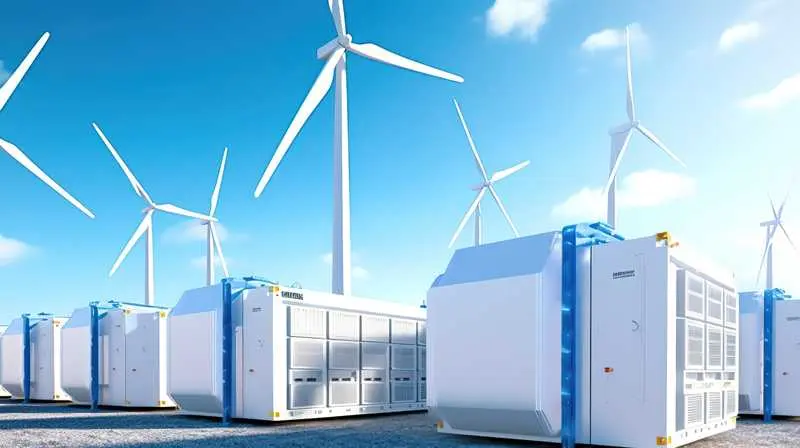
Solar and wind farms experience rapid shifts in generation capacity, leading to severe thermal cycling. Our foil winding equipment ensures stable mechanical construction of coils, preventing axial deformation during high-current surges caused by cloud cover transitions or wind gusts.
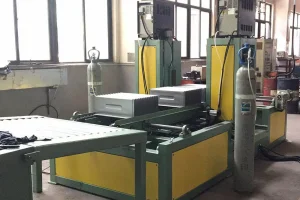
Steel mills, petrochemical plants, and offshore platforms require high resistance to moisture and corrosive agents. Our automatic welding machines produce airtight, leak-free corrugated sheets and oil tanks, ensuring that dry-type and liquid insulation systems remain free from contaminants.
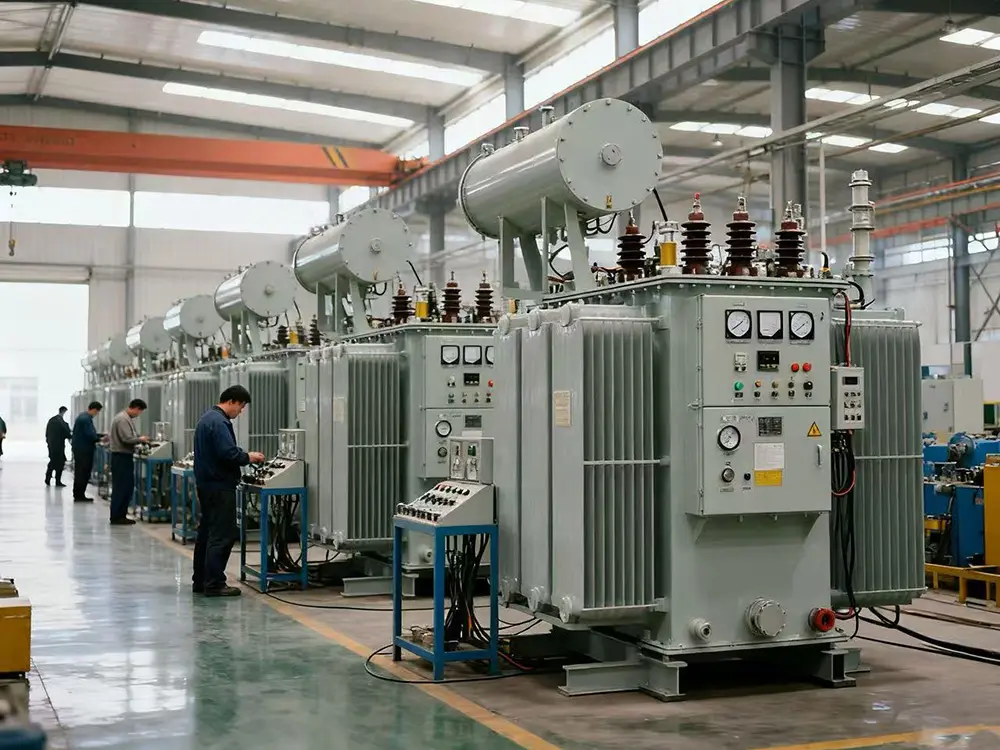
Every transformer machine manufactured by Wuxi Shuhong Machinery undergoes a standardized sequence of fabrication, assembly, and testing procedures.
High-precision CNC cutting of electrical steel and core laminations.
Foil or wire coil winding utilizing advanced constant tension control systems.
Thermal treatment of cores to relieve mechanical stress and recover magnetic properties.
Precise structural alignment and installation of high and low-voltage coils.
Integrating the active core and coil assembly into the tank or enclosure frame.
Vacuum thermal extraction of moisture from core insulation and windings.
Precise oil filling under high vacuum to prevent bubbles and dielectric failure.
Final electrical inspections, including turns ratio, partial discharge, and load losses.
Prior to shipment, every machine undergoes thorough physical validation. By checking dimensions and tolerances with high-accuracy calibration tools, we ensure that winding machinery maintains consistent alignment throughout its operational lifespan. This quality control loop helps clients consistently achieve the low winding loss metrics required for modern grids.
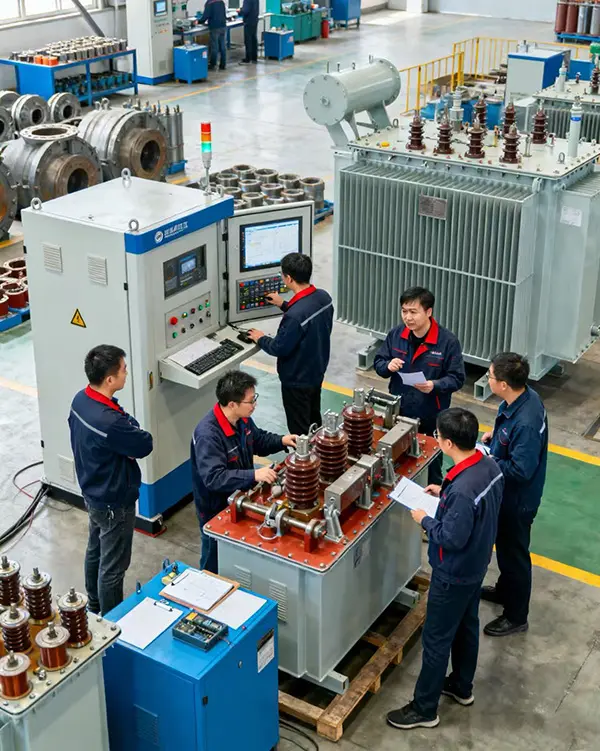
Shuhong Machinery adheres to the team management philosophy of "People-Oriented, Collaborative Innovation", taking an excellent team as its success foundation.
Looking forward, Shuhong Machinery will uphold its business philosophy of "People-oriented, Integrity-driven, Collaborative Innovation, and Quality First." We will continue to deepen our focus on electrical and plastics machinery, boost R&D investment to strengthen core technologies, and launch more efficient, energy-saving, and intelligent products. We aim to expand domestic and international markets, cooperate with industry leaders, strive to build an internationally competitive machinery brand, and further contribute to China's machinery manufacturing and energy sector development.
"Since its establishment, Shuhong Machinery has prioritized 'meeting customer needs,' winning wide acclaim with cutting-edge technology, timely service, and full compliance."
Contact Our Engineering TeamCore losses (or no-load losses) occur in the magnetic steel core whenever the transformer is energized, regardless of the load. They are caused by hysteresis and eddy currents in the silicon steel sheets. Winding losses (or load losses) occur primarily in the conductive coils and are load-dependent, scaling quadratically with the current load ($I^2R$). Modern high-efficiency transformers require mitigation strategies for both, using low-loss amorphous metal or grain-oriented silicon steel cores alongside advanced foil winding configurations.
Transitioning to foil winders reduces losses in two ways: first, it eliminates the wasted space between round wires, resulting in a higher fill factor and a larger effective cross-sectional area within the window. Second, at AC frequencies, current concentrates on the conductor surface due to the skin and proximity effects. Since foil has a very wide, thin profile, it naturally distributes current more uniformly across its surface, minimizing the increase in AC resistance.
If winding tension is inconsistent, air gaps can form between the layers of foil and insulation paper, resulting in loose coils that vibrate and hum under load. Conversely, excessive tension can stretch the copper or aluminum, causing micro-fractures that reduce cross-sectional area and create localized hot spots. Consistent, automated tension control prevents these defects, ensuring stable thermal performance and a longer operational lifespan.
Precision slitting and cross-cutting ensure clean, burr-free edges and flat laminations. Large burrs or uneven core layering can cause localized flux leakage, which induces stray eddy currents in the nearest winding turns. Minimizing these burrs reduces hot spots and thermal stress on the winding insulation.