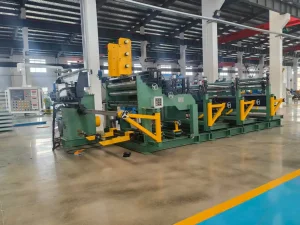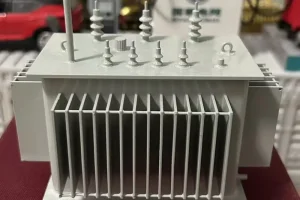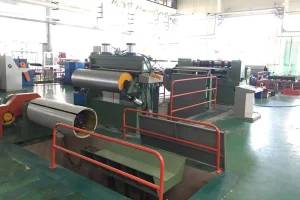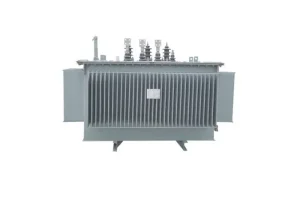
Direct manufacturer-certified machinery for voltage transformer core cutting, coil winding, and precise automated assembly lines.
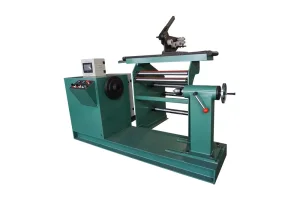
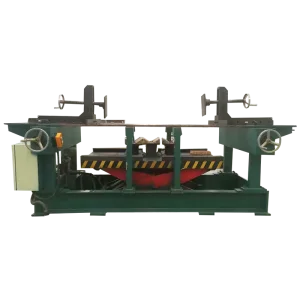
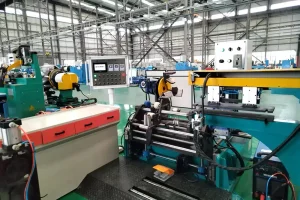
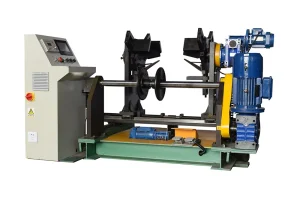
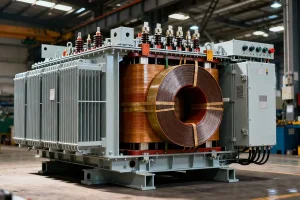
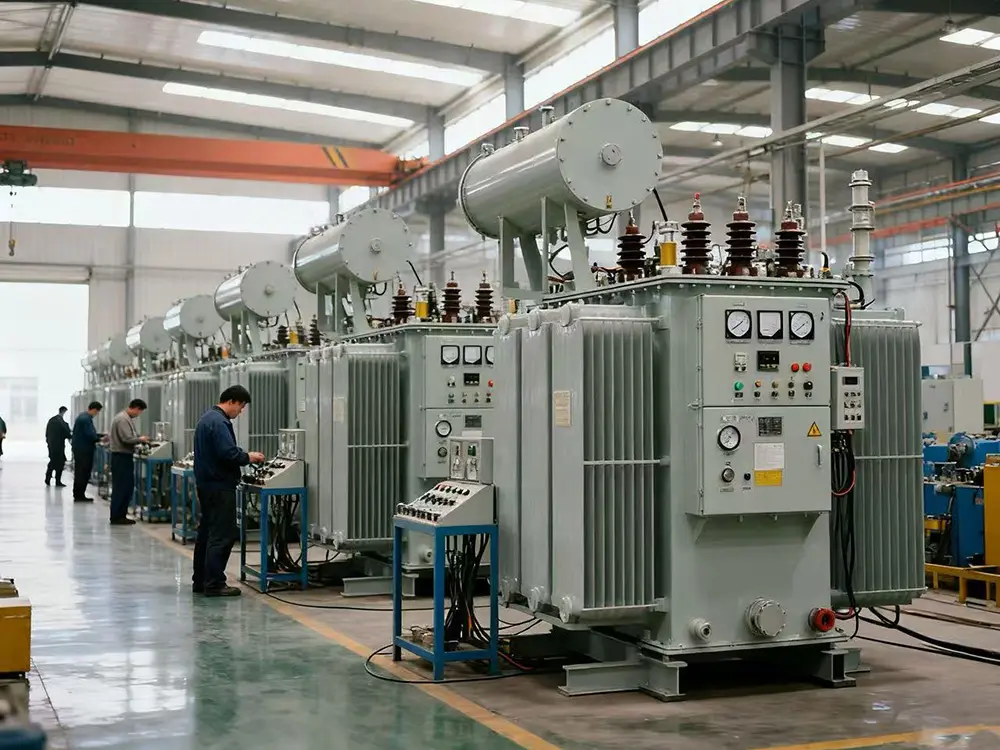
Voltage transformers (VTs)—often termed Potential Transformers (PTs)—serve as the analytical eyes of electrical utility systems, stepping down high system voltages to measurable, standardized levels for protection relays, metering devices, and substations. As global energy systems shift toward smart microgrids and massive high-voltage direct current (HVDC) transmission lines, off-the-shelf VTs no longer meet the stringent requirements of modern engineering.
This industry paper details the engineering principles, custom winding specifications, and machinery configurations necessary to manufacture top-tier VTs. Backed by decade-long engineering insights from Wuxi Shuhong Machinery Technology Co., Ltd., we examine how the optimization of amorphous core body assembly and precise servo-controlled wire winding can reduce heat losses, extend grid operational lifetime, and secure clean measurement data.
The international market for voltage transformers is experiencing an unprecedented CAGR, driven primarily by industrial expansion, grid modernization, and the integrations of utility-scale solar and wind fields.
Wind turbines and solar plants generate variable power that causes harmonic instability. Custom potential transformers with robust high-frequency characteristics are critical to accurately read fluctuating voltages and protect control electronics from grid transients.
Traditional manually-wound coils lead to spatial inconsistencies and insulation weaknesses. Modern manufacturers utilize precision servo auto-wire arrangers and foil-winding combinations to attain perfect layer tension, minimizing partial discharge and physical vibration.
By switching from standard silicon steel to amorphous alloy core bodies, grid developers reduce no-load magnetizing losses by up to 70-80%. This massive reduction in waste heat directly prolongs the continuous operation window of voltage transformers in sealed enclosures.
The transformation of electrical grids demands a technical transition in magnetic components. Below is the operational trajectory mapped out by energy grid researchers and Wuxi Shuhong's technical division:
Integrating CNC cutting lines and automated tension-controlled winding stands to remove human-error variance from coil manufacturing. This guarantees consistent insulation layering across thousands of units.
Replacing traditional stacked steel laminations with 3D wound cores and amorphous alloy matrices. This minimizes eddy current pathways, reducing operational temperatures by up to 30% under peak load.
Adapting VTs for micro-metering capabilities with built-in sensors. High-voltage insulation must withstand high frequencies without dielectric breakdown, complying with State Grid and international standards.
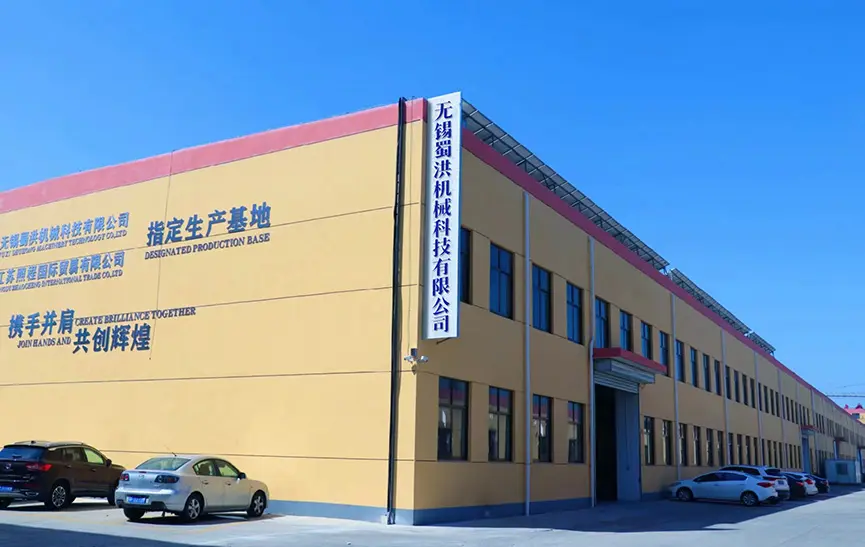
Situated on the shores of Taihu Lake, Wuxi Shuhong Machinery Technology Co., Ltd. was established in 2018. Over years of focused engineering, Shuhong has built a full-chain layout encompassing R&D, structural design, manufacturing, and global service.
The founder's journey began with a decade of front-line engineering inside high-voltage assembly lines. During a State Grid project exchange, the founder observed critical flaws in traditional voltage transformers—namely, poor thermal dispersion and short operational lifetimes. Conventional units underperformed under modern harmonic loads, causing premature insulation failure and costly downtime.
Determined to fix this, Wuxi Shuhong's technical team worked in labs and workshops to design winding and cutting machinery that could produce high-performance coils. The result was a generation of transformer coil structures that delivered a 30% lower operating temperature rise and a certified 15-year operational lifespan.
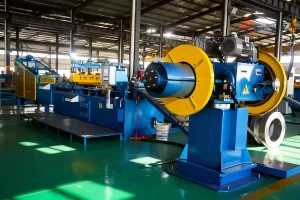
Wuxi Shuhong utilizes modern design patterns and heavy-duty structural steel to engineer machinery that shapes the next generation of potential and current transformers.
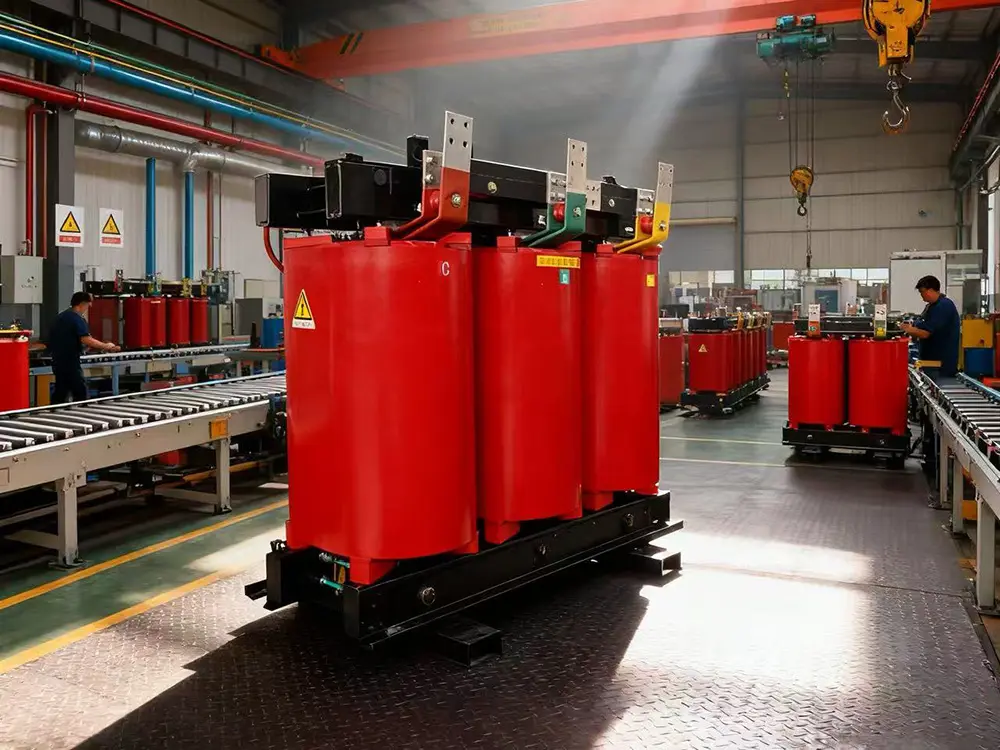
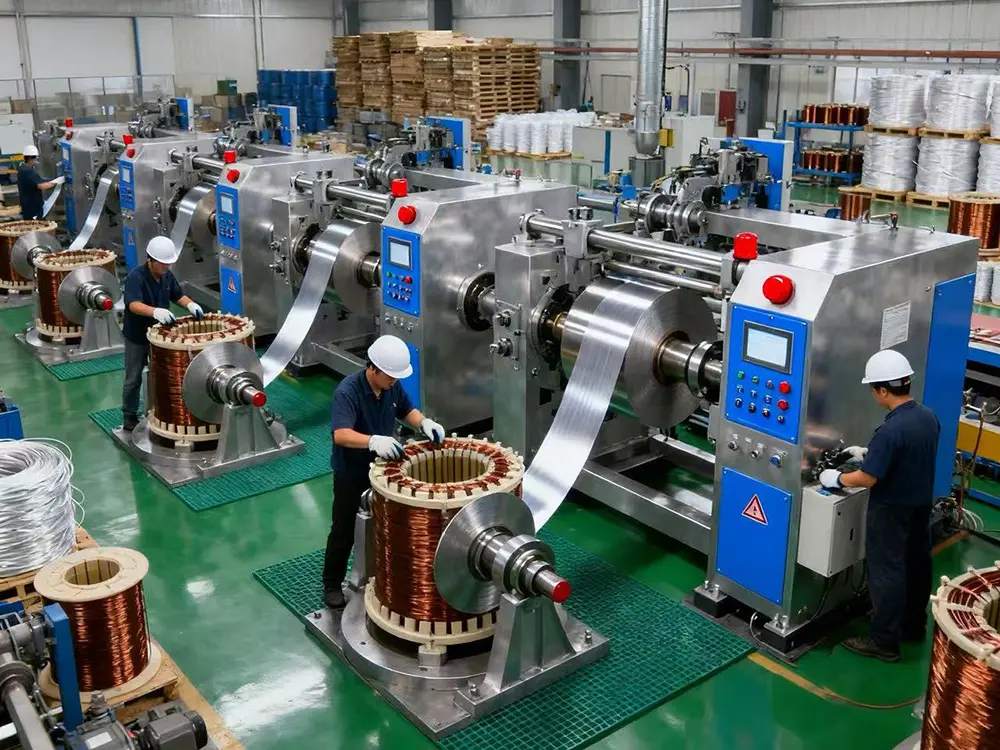
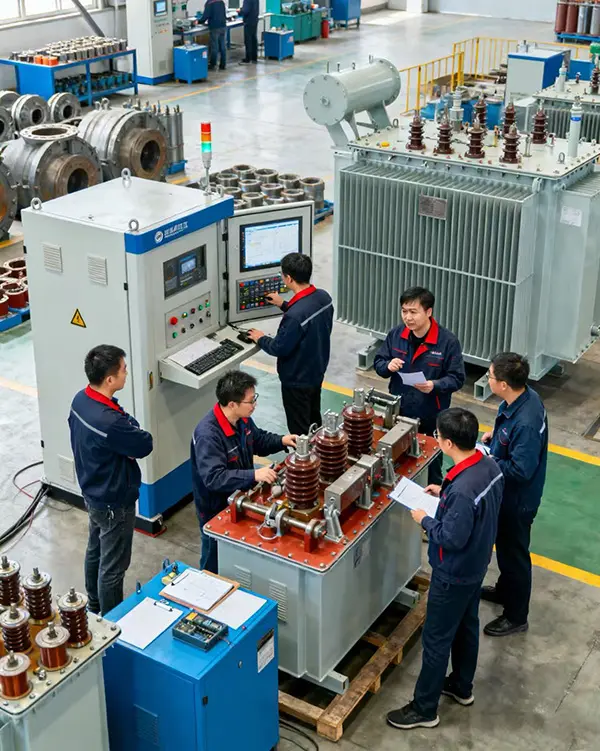
High-precision voltage transformers demand strict adherence to production steps. Below is the industry standard pipeline facilitated by Wuxi Shuhong Machinery:
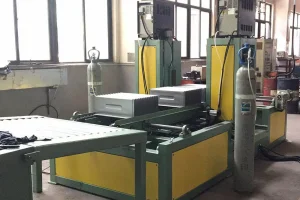
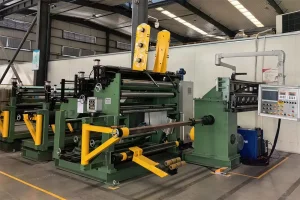
Silicon steel sheets are slit longitudinally and cross-cut to exact tolerances using high-speed CNC lines to limit core burr heights.
Silicon steel or amorphous alloy ribbons are wound under tension on automatic mandrels to build low-reluctance magnetic loops.
Wound core loops undergo high-temperature protective gas annealing to relieve mechanical stress and recover magnetic permeability.
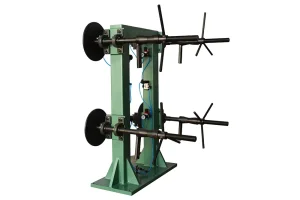
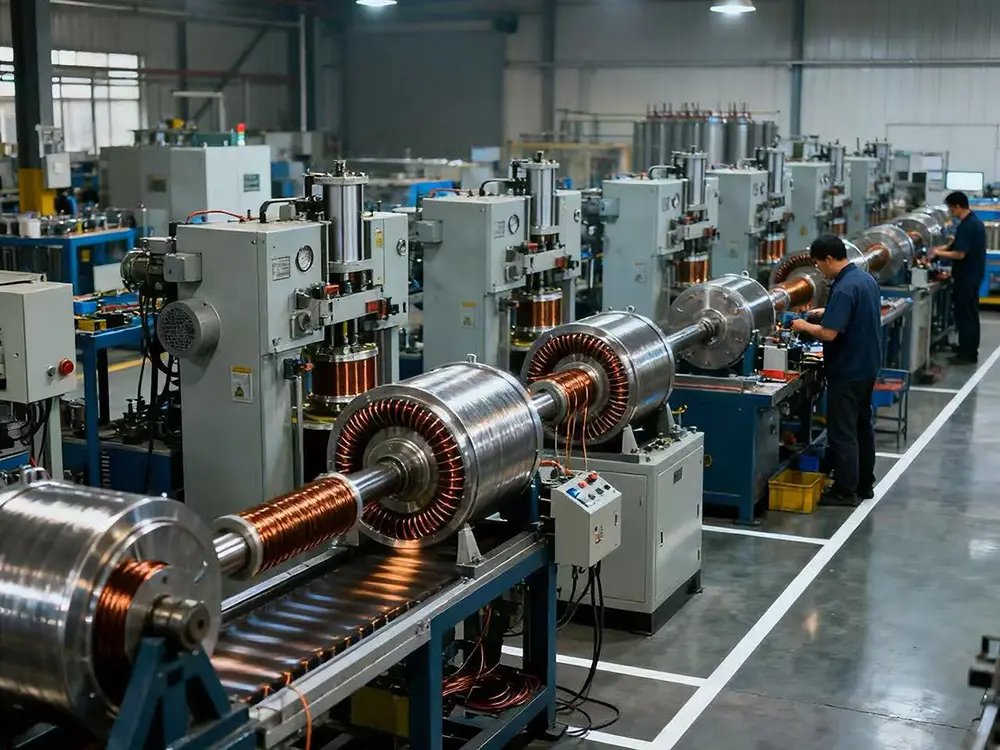
Using precision servo tension winders, copper or aluminum wire/foil is wound with insulation film to form primary and secondary coils.
Coils are accurately positioned over core limbs, and the core body is clamped securely using specialized amorphous assembly tables.
The active assembly is vacuum-heated to extract all trace moisture from the insulation paper, raising dielectric strength.
Substances like degassed transformer mineral oil or synthetic ester fluids are injected under vacuum to prevent internal air bubbles.
Every unit undergoes tests for turns ratio, winding resistance, dielectric loss, and partial discharge to ensure grid compliance.
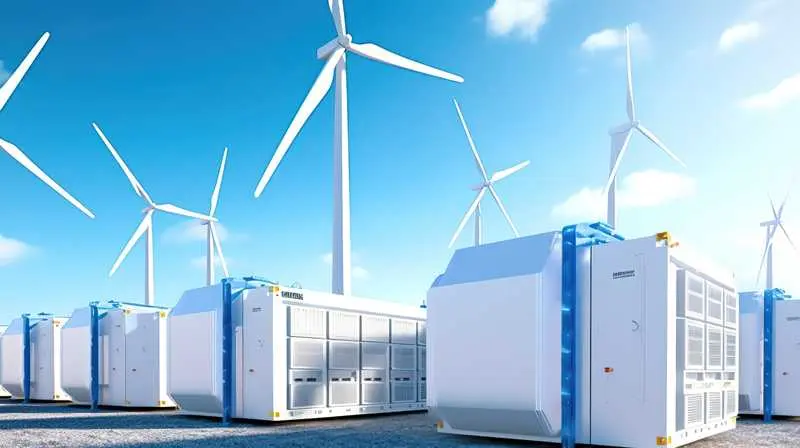
Different operating environments present unique challenges. Here is how custom-engineered voltage transformers address localized environmental stresses:
Offshore wind projects place transformers in high-humidity, high-salinity zones. Custom epoxy-cast voltage transformers resist corrosion and prevent moisture ingress, maintaining stable insulating properties without degrading.
Densely populated cities require compact gas-insulated switchgear (GIS). Our planar wound core transformers offer low footprints, enabling power companies to integrate measurement modules within limited space.
Arc furnaces and heavy machinery generate harmonics that saturate standard magnetic cores. Custom-engineered amorphous alloy cores prevent electromagnetic saturation, safeguarding protective relays from blind spots.
Technical responses to common engineering queries from substation layout planners and procurement teams.
Explore additional industrial machinery and customized transformers engineered to meet international safety and performance standards.