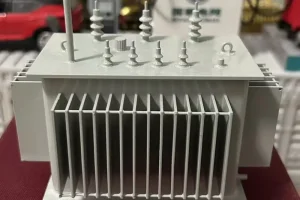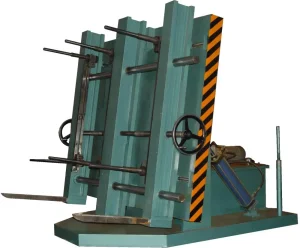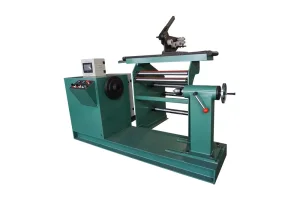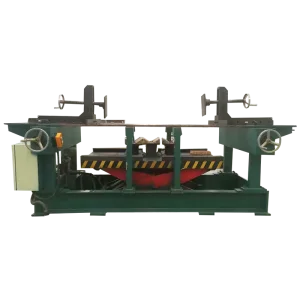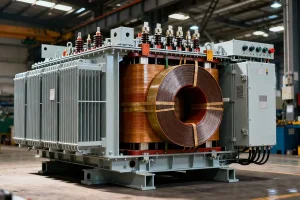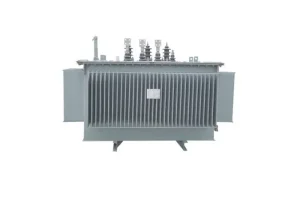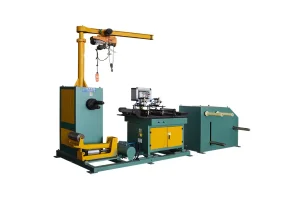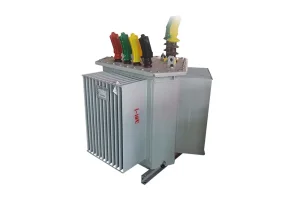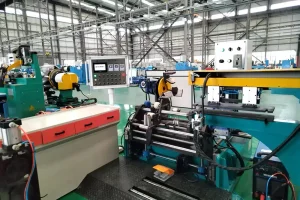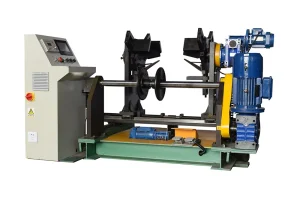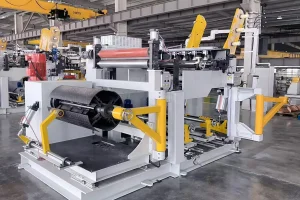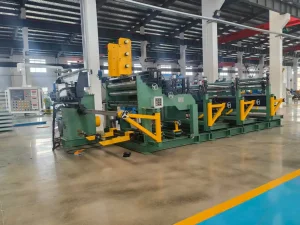
High-precision machinery and components engineered to optimize magnetic core configuration, winding operations, and overall distribution efficiency.
How current-day grid overhauls, high-tech manufacturing, and utility requirements shape custom transformer configurations.
The global energy network is undergoing its most profound transformation since the Industrial Revolution. As electrical grids transition from centralized fossil-fuel power plants to decentralized renewable energy architectures, the demand for highly specialized Custom Power Distribution Transformers has accelerated. Modern heavy-duty industries, ultra-scale data centers, high-capacity chemical factories, and fast-charging EV charging corridors require transformers designed with extreme precision to manage harmonic distortions, wide-load variations, and thermal stress.
Historically, off-the-shelf transformers fulfilled the requirements of regional distribution grids. However, modern industrial environments present severe operating conditions. High-voltage transients, complex load profiles, and microgrid feedback dynamics require unique specifications that only tailored, customized solutions can deliver. Leveraging specialized core geometries, such as 3D triangular rolled cores, and advanced raw materials like amorphous alloys, engineering teams are re-architecting energy networks to minimize losses and maximize reliability.
| Feature Parameter | Silicon Steel Stacked Cores | Amorphous Alloy Cores | 3D Triangular Wound Cores |
|---|---|---|---|
| Core Loss Reduction | Baseline Reference | Up to 70-80% lower than Silicon Steel | Up to 25-30% lower than Stacked Core | Magnetic Flux Symmetry | Asymmetric (Unequal paths) | Planar/Directional | Perfect 3-Phase Balance |
| Mechanical Vibration | Medium to High | Low (When properly encapsulated) | Ultra-Low (Uniform tension) |
| Primary Application | Traditional Urban Grids | Green Grids, High-efficiency Zones | Critical Industrial Power Infrastructure |
Deeply Developing the Machinery Industry, Empowering the Future of Energy
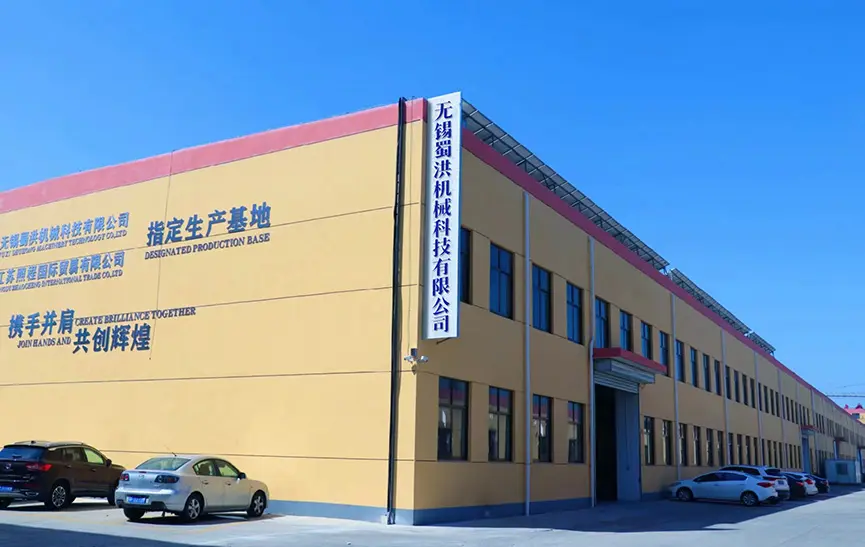
On the shores of the picturesque Taihu Lake lies Wuxi, known as the "Land of Fish and Rice." This beautiful land has nurtured countless enterprising enterprises, with Wuxi Shuhong Machinery Technology Co., Ltd. standing out among them. Since its establishment in 2018, Shuhong Machinery has consistently prioritized technological innovation and quality service, steadily advancing in the fields of electrical and plastic machinery, becoming a high-tech enterprise with both strength and reputation.
Our founder’s vision originated from first-hand mechanical manufacturing expertise. Drawing from over a decade in the field—spanning frontline technical engineering to enterprise management—the founder witnessed the shift of domestic machinery from "following" to "running alongside" global peers, and identified the critical need for energy-efficient, intelligent equipment upgrades.
During a State Grid project exchange, the founder observed that traditional transformers suffered from thermal control challenges and shortened service lives, which compromised grid stability and raised long-term operational expenditures. The emergence of new energy assets demanded robust equipment with higher structural integrity. In response, the company pivoted toward dedicated R&D and precision manufacturing of high-efficiency, energy-saving distribution transformers and specialized manufacturing equipment.
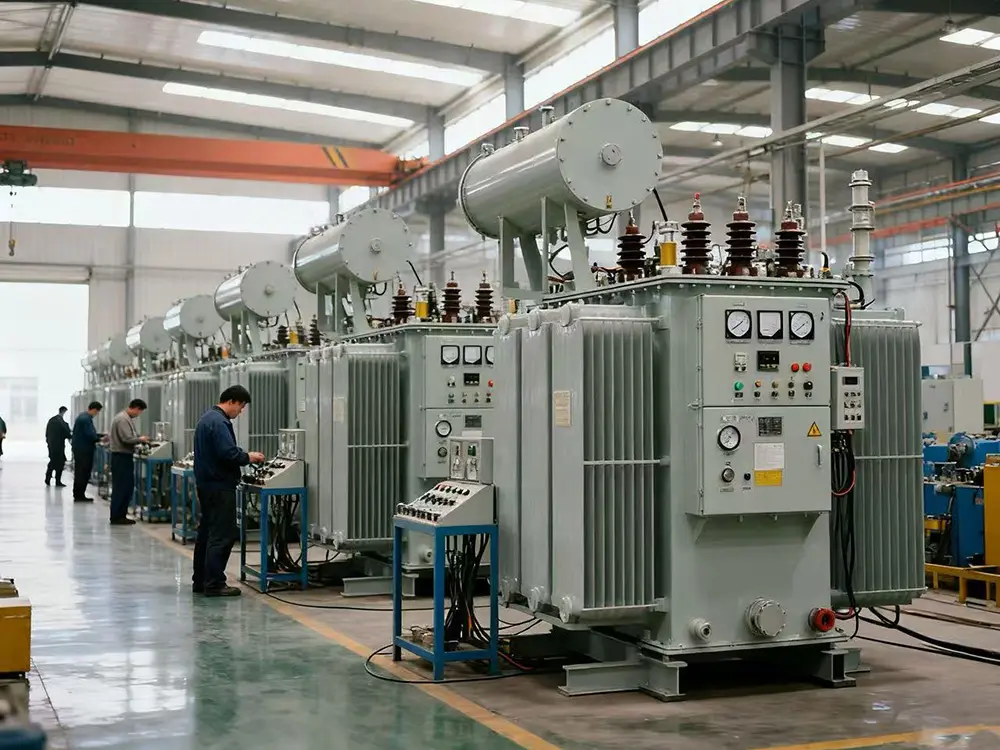
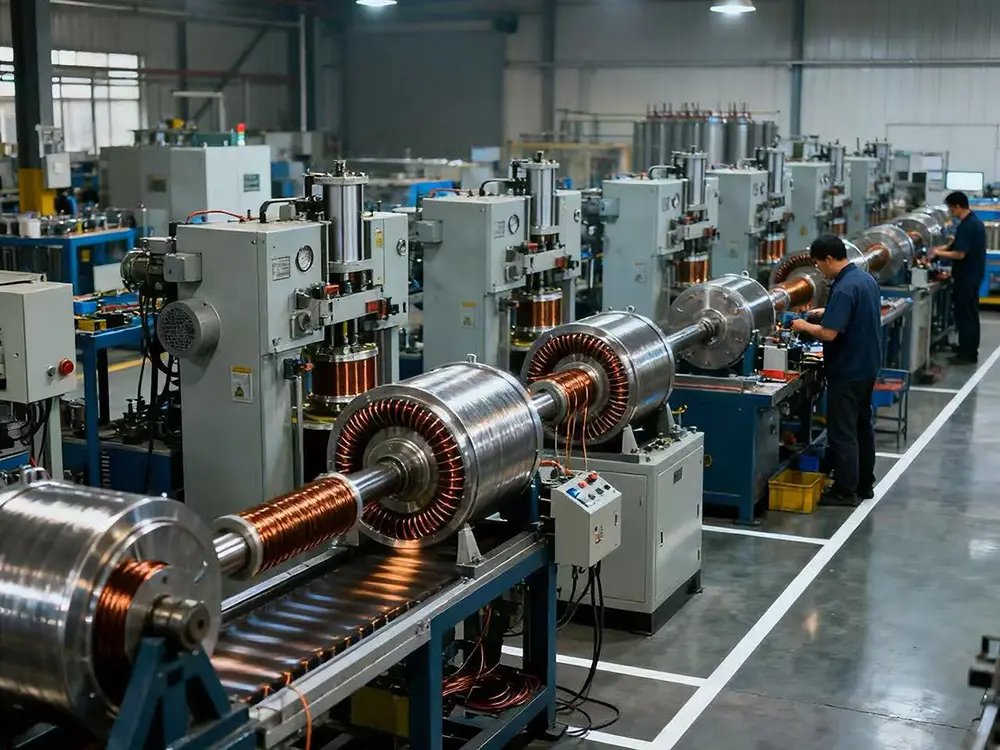
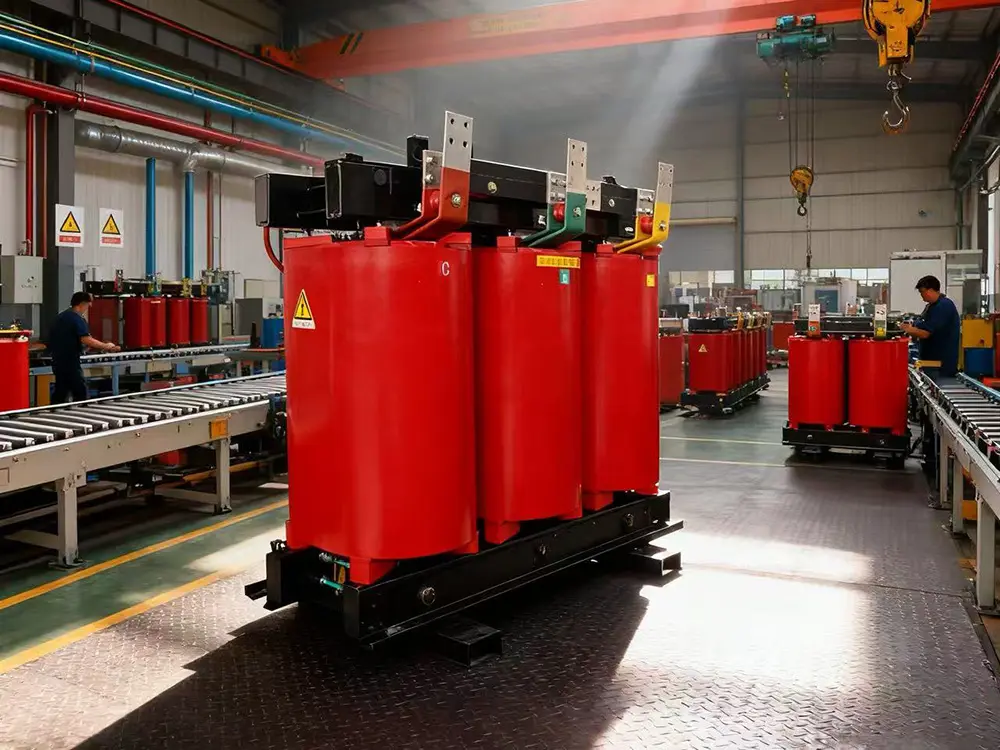
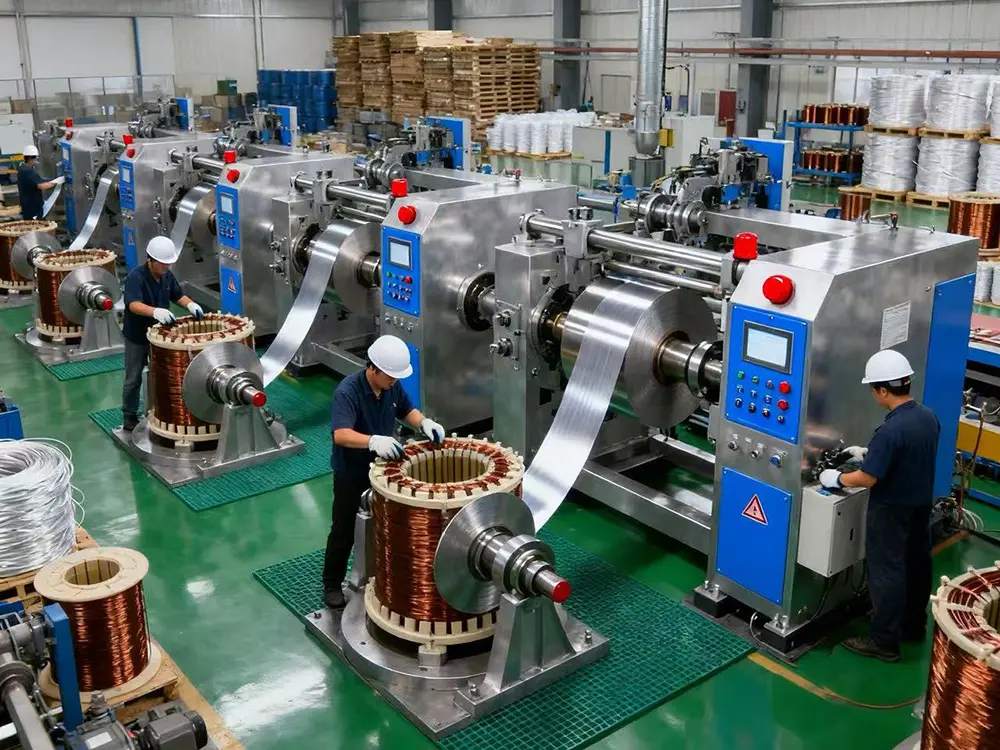
Decarbonization, digitization, and material sciences are driving the next wave of power distribution engineering.
By using non-crystalline atomic structures, amorphous metal alloy sheets lower core losses (no-load loss) by up to 80% compared to conventional grain-oriented silicon steel. This chemistry reduces operational expenses and minimizes carbon footprints across large-scale utility layouts.
Unlike traditional flat-stacked cores, 3D triangular wound cores exhibit symmetrical three-phase magnetic circuits. This eliminates phase imbalances, diminishes third harmonics, dampens acoustic noise emissions, and saves manufacturing material without compromising magnetic flux density.
Modern substations demand real-time diagnostics. Integrating thermal, gas-in-oil, and load sensors directly into the transformer design enables predictive maintenance, reduces unplanned outages, and coordinates distribution profiles with fluctuating grid conditions.
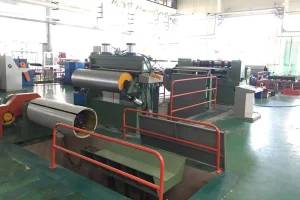
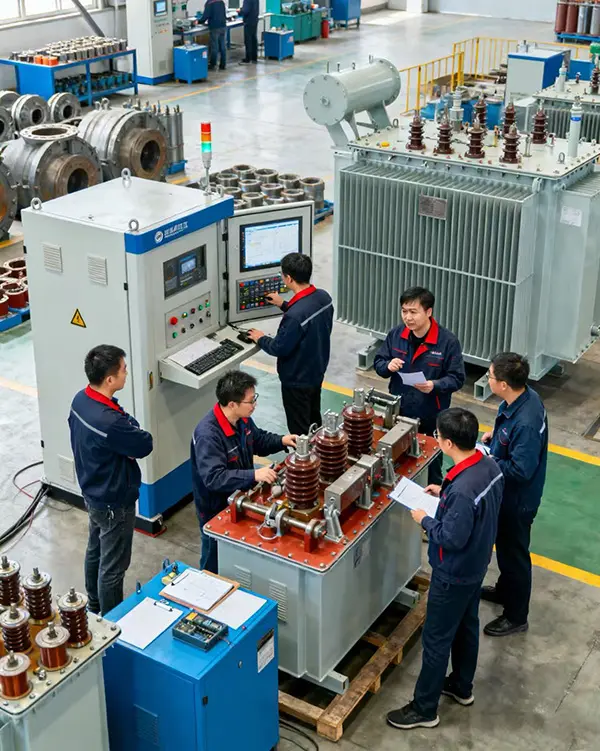
After years of development, Shuhong Machinery has built a comprehensive R&D-design-production-sales-service industrial chain. Modern factories and a professional engineering division work in tandem to ensure reliable execution at every stage of the manufacturing cycle.
By focusing on core insulation, temperature control, and precision coil winders, our manufacturing machines meet strict performance criteria. Our components and support systems have successfully powered over 2,000 substations, helping to stabilize municipal grids and new energy systems alike.
Every piece of hardware must go through a structured manufacturing sequence. This ensures that materials, tension ratios, and insulation barriers conform to exact technical parameters.
People-Oriented, Building an Efficient and Collaborative Team
At Shuhong Machinery, we adhere to a management philosophy of "People-Oriented, Collaborative Innovation," which forms the foundation of our manufacturing consistency and engineering performance.
1. Talent Development: We maintain a comprehensive training system tailored for different roles, encouraging our engineers to actively participate in industry technical exchanges.
2. Collaboration: By utilizing project management tools and cross-department workflows, we break down functional barriers to speed up product delivery.
3. Performance Incentives: Our appraisal system links rewards with performance, aligning team goals with our clients' delivery and quality expectations.

Staying True to Our Original Aspiration and Striving for Greater Goals
Looking forward, Shuhong Machinery will continue to focus on electrical and plastic machinery, boosting R&D investments to refine our core technologies and launch highly efficient, energy-saving, and intelligent products.
By expanding both domestic and international partnerships, we aim to build a competitive brand in the industrial machinery sector, contributing to global grid modernization and cleaner industrial manufacturing.
"Since our establishment, we have consistently prioritized meeting customer requirements. We continue to earn the trust of our partners through reliable machinery, responsive support, and strict compliance with global technical standards."
Technical answers to help utility engineers, procurement managers, and plant operations teams specify their power distribution solutions.
The lifetime of insulation materials (such as Kraft paper or synthetic pressboards) decreases exponentially with rising operating temperatures. Standard rules indicate that every 6°C to 8°C increase above the rated thermal limit cuts the insulation's mechanical lifespan by approximately half. Custom-designed transformers focus on optimizing oil channels, radiator placement, and core materials to reduce hotspot temperatures, ensuring longer, more reliable grid performance.
Flat-stacked cores require distinct joints at the corners, creating air gaps that increase reluctance and no-load losses. In contrast, 3D triangular rolled cores feature continuously wound steel loops that eliminate corner seams. The physical layout provides three identical magnetic loops, which balances the magnetic paths for all three phases, lowers excitation currents, and dampens electromagnetic noise.
Our testing protocols cover insulation resistance, winding resistance, voltage ratio, polarity check, dielectric breakdown testing of the insulating oil, no-load loss, load loss, and temperature rise. Only after passing all routine and type tests are the assemblies cleared for delivery.
Amorphous metals have a random, non-crystalline atomic structure, which requires less magnetization energy compared to traditional grain-oriented silicon steel. This structural difference reduces hysteresis losses (friction from shifting magnetic domains), leading to up to 80% lower no-load losses during off-peak and standby periods.
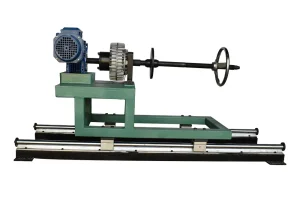
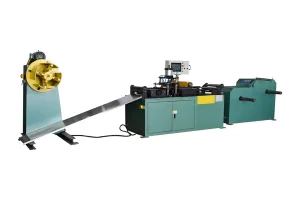
Foil winding machines replace round copper wire with flat sheets or foil. This design minimizes internal spaces within the coil, improves heat dissipation, and increases resistance to axial short-circuit forces, making it ideal for demanding industrial and commercial applications.
Explore our specialized tooling, foil winders, and winding units designed to build high-performance transformers.