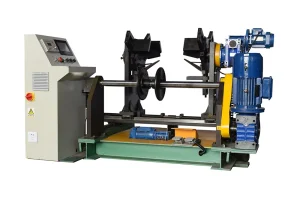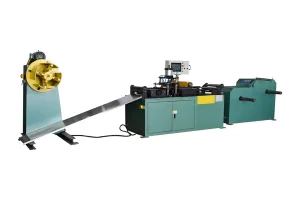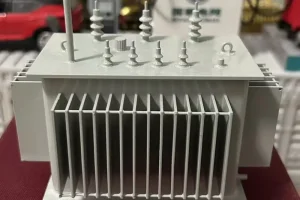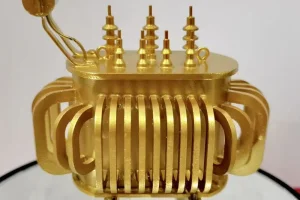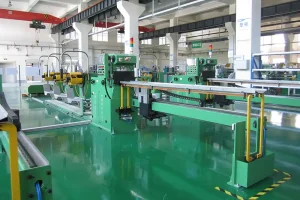
Deploying state-of-the-art winding systems and high-precision structural equipment to guarantee optimized transformer core assembly, thermal management, and long-term voltage regulation.
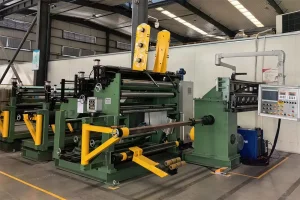
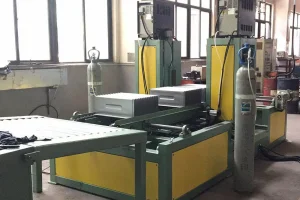
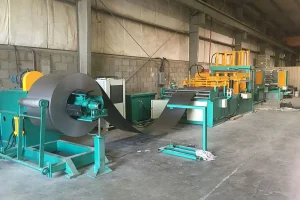
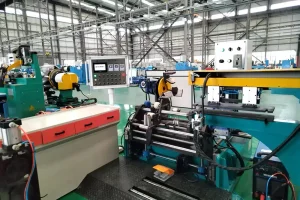
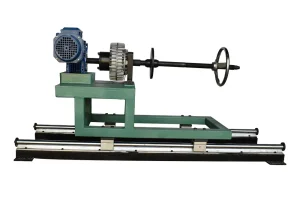
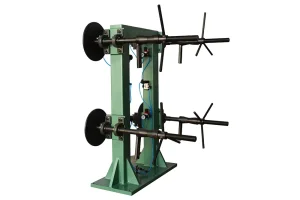
On the shores of the picturesque Taihu Lake lies Wuxi, known as the "Land of Fish and Rice." This beautiful land has nurtured countless enterprising enterprises, with Wuxi Shuhong Machinery Technology Co., Ltd. standing out among them. Since its establishment in 2018, Shuhong Machinery has consistently prioritized technological innovation and quality service, steadily advancing in the fields of electrical and plastic machinery, becoming a high-tech enterprise with both strength and reputation.
We believe that the modernization of global electric grids depends on robust step-down systems. As a trusted high to low voltage transformer supplier and equipment manufacturer, we develop core systems that reduce grid loss, control harmonic contamination, and ensure continuous operational performance across industrial sites.
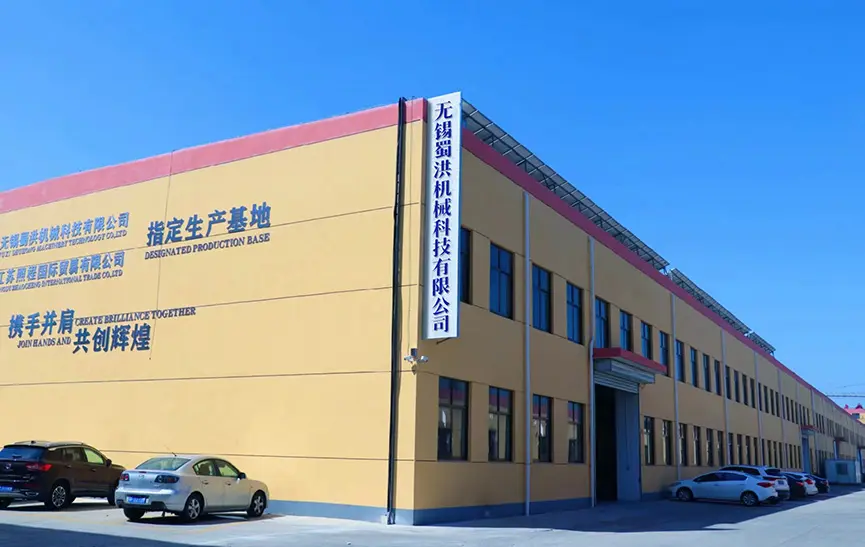
Shuhong Machinery originated from its founder’s insight into machinery manufacturing. With over a decade in the industry (from front-line technical roles to management), the founder witnessed domestic machinery shift from "following" to "running alongside" global peers, and sensed the need for energy-efficient, intelligent upgrades.
Determined to bridge this technological gap, the R&D team overcame major funding and design bottlenecks. Working day and night in labs and workshops on structural modeling, custom core cutting, and foil winding optimizations, Shuhong developed a proprietary high-to-low voltage transformer architecture. These systems exhibit 30% lower temperature rise and an extended 15-year operational lifespan, gaining immediate recognition in rigorous utility evaluations.
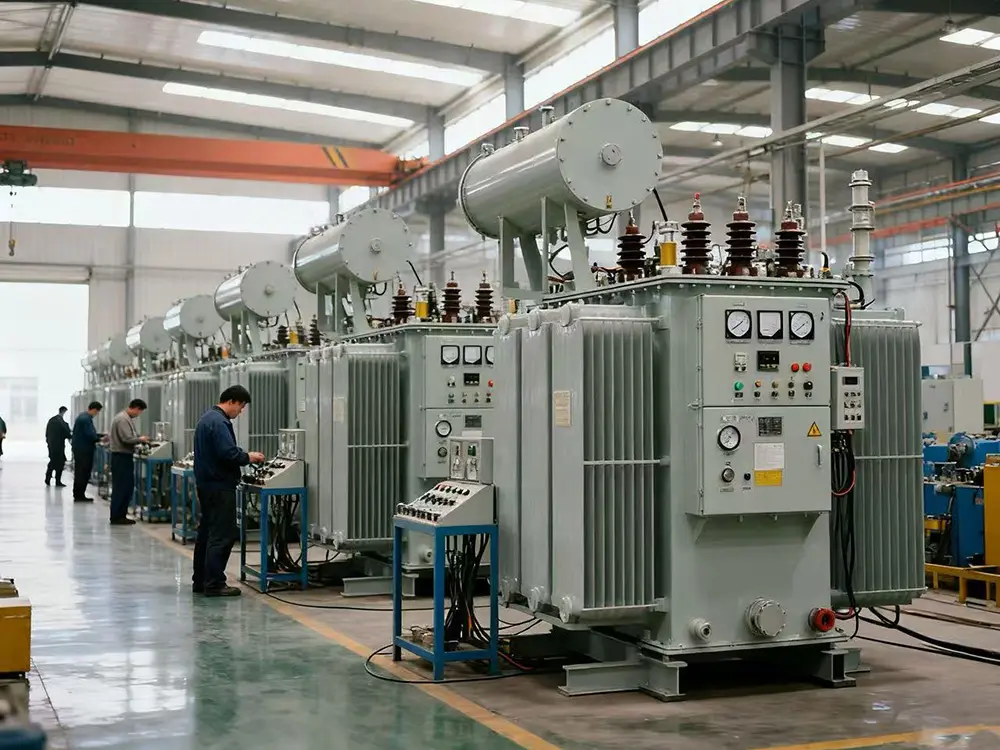
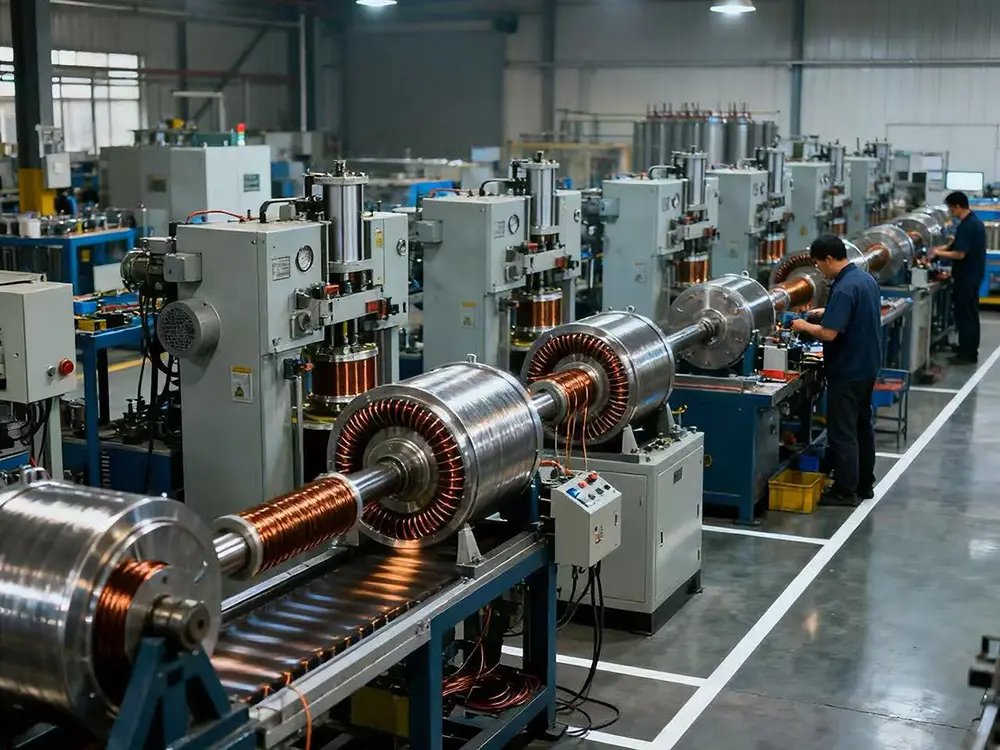
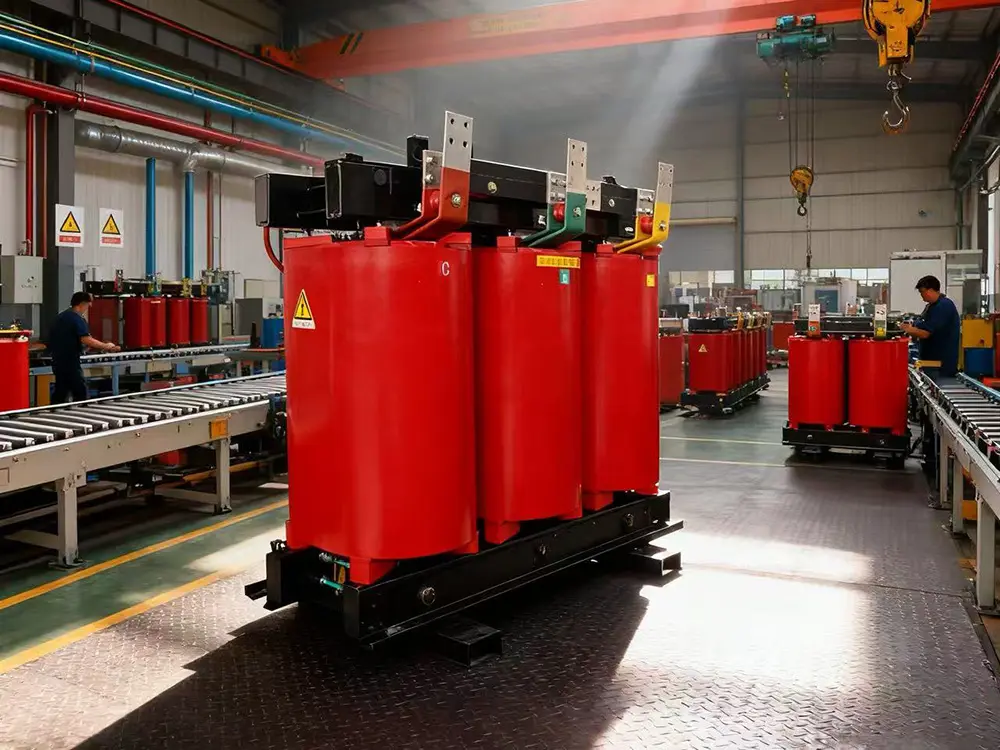
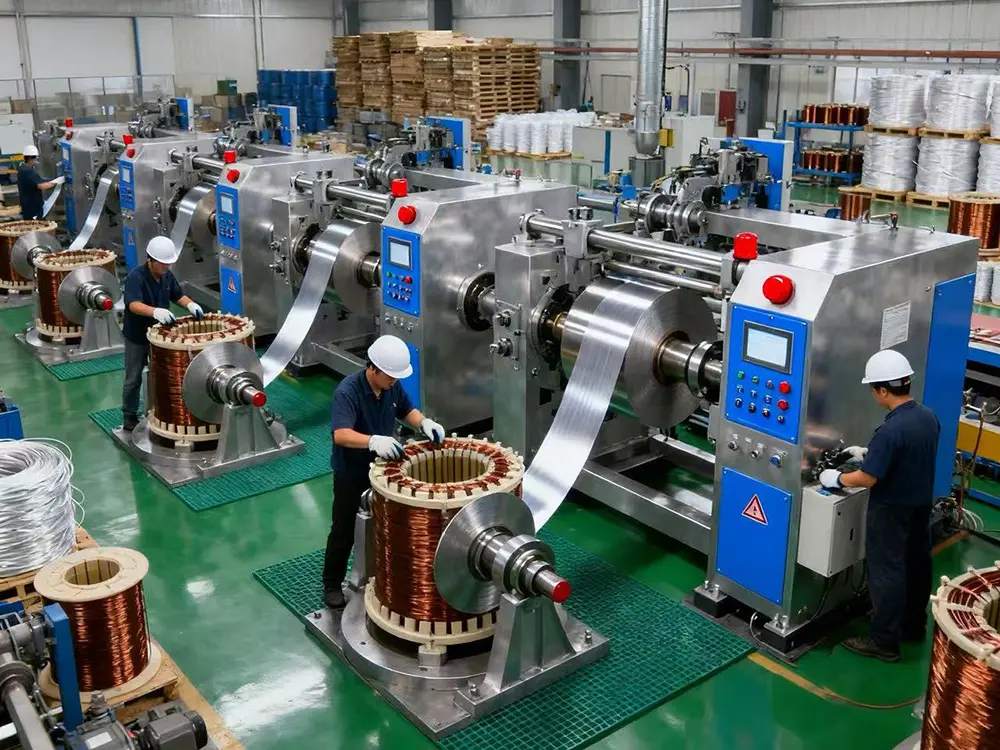
Modern electrical infrastructure demands unprecedented reliability. Standard voltage step-down configurations must balance electrical impedance, copper loss, core hysteresis loss, and mechanical stress under short-circuit conditions. Designing and implementing a resilient custom high to low voltage transformer system involves highly specialized engineering parameters:
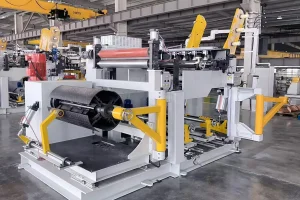
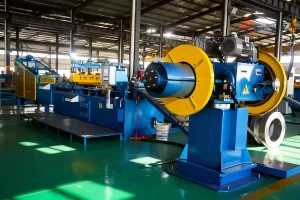
1. Magnetic Core Material and Geometry: Lowering voltage dynamically requires optimized magnetic path designs. By using amorphous alloy cores and highly-oriented silicon steel processed through specialized CNC shearing lines, we decrease no-load losses by up to 70% compared to traditional structural steel cores.
2. Foil vs. Wire Winding Technologies: Low voltage wind phases carry extremely high current densities. Direct wire windings are prone to mechanical displacement under peak load faults. Foil winding machines provide continuous, uniform current distribution across the entire width of the coil, effectively mitigating axial short-circuit forces.
3. Dynamic Cooling Configurations: Transformer reliability is inversely proportional to operational heat build-up. Through optimized oil-immersed cooling systems and corrugated tank wall expansion structures, convective currents are directed to high-temperature internal zones, ensuring uniform thermal dissipation.
Decades of industrial scaling have positioned Chinese manufacturing hubs at the forefront of the global power infrastructure sector. Modern supply networks offer substantial advantages in quality control, product customization, and raw material sourcing:
From local silicon steel cold-rolling mills to specialized structural insulation chemical plants, all components are sourced from trusted industrial partners within a 100km radius, reducing lead times and logistical overheads.
Our systems meet and exceed international benchmarks such as IEC 60076, IEEE C57, and GB/T standards. Our manufacturing lines run automated testing for winding insulation, core loss, and dielectric breakdown thresholds.
Every transformer configuration can be customized based on unique grid parameters, ambient operating conditions (such as high altitude or sub-zero marine environments), and connection physical profiles.
After years of development, Shuhong Machinery has a complete R&D-design-production-sales-service industrial chain, with a professional R&D team and modern factories ensuring product quality. Focused on tech innovation, it leads in insulation and temperature control; its products have passed State Grid and international certifications. It has supplied over 2,000 substations, boosting China's power and new energy industries.
Shuhong Machinery adheres to the team management philosophy of "People-Oriented, Collaborative Innovation", taking an excellent team as its success foundation. We focus on training, break departmental barriers with cross-departmental collaboration, and utilize an advanced project management system to execute custom transformer fabrication with maximum precision.
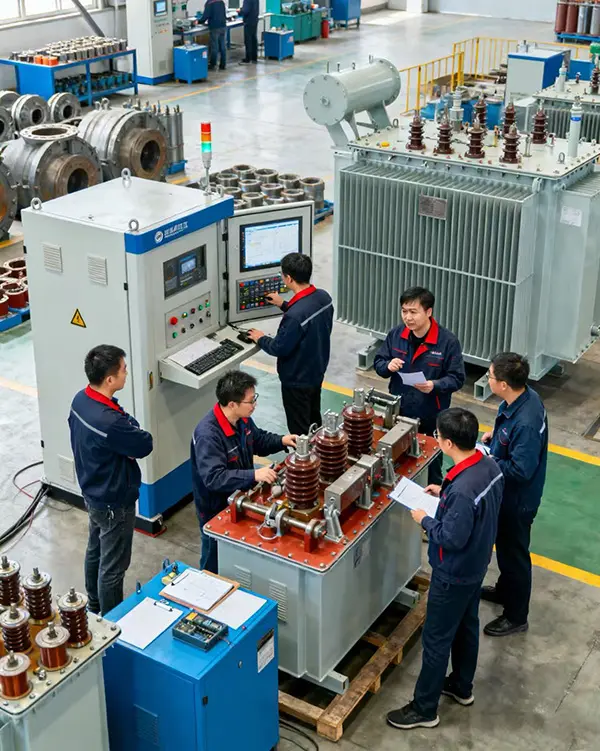
High to low voltage transformers are not simple static appliances; they are the heart of distribution infrastructure. Modern developments in renewable energy, heavy industries, and commercial developments dictate specialized designs:
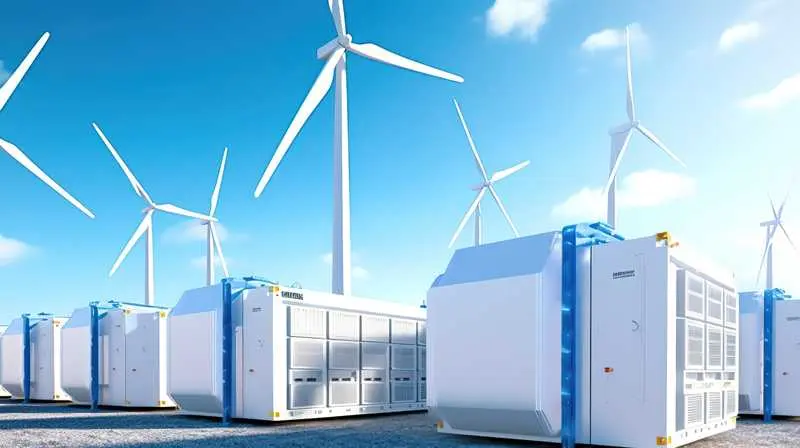
Solar photovoltaic power plants and wind farms generate electricity at variable intermediate levels. Step-down systems must withstand harmonic loads and cyclic load variations without insulation breakdown or core saturation.
Foundries, electrochemical processing plants, and automotive manufacturing plants demand sustained low-voltage, high-current deliveries. Highly insulated foil-wound transformers ensure uninterrupted output under intensive thermal loads.
Municipal grids are transitioning to smart topologies that require active voltage regulation. Our modern transformer architectures integrate sensor feedback arrays to report oil health, ambient moisture, and core load cycles in real-time.
Reliability is forged through systematic manufacturing steps. Below is the operational workflow deployed in our Wuxi facility to manufacture robust high-to-low voltage transformers:
Looking forward, Shuhong Machinery will uphold its business philosophy of "People-oriented, Integrity-driven, Collaborative Innovation, and Quality First." We will deepen our focus on electrical and plastics machinery, boost R&D investment to strengthen core technologies, and launch more efficient, energy-saving, and intelligent products.
Our customer testimonials reflect this dedication. Since our establishment, Shuhong Machinery has prioritized meeting client requirements, winning wide acclaim with cutting-edge technology, timely service, and complete standards compliance.
Procuring custom heavy-duty electrical components across borders involves critical operational concerns. Sourcing managers must address the following to prevent grid failures and delivery delays:
Always request type test reports certified by independent international labs (such as KEMA, CESI, or national testing grids). These reports verify impulse voltage tolerances, short-circuit containment capabilities, and temperature rises.
Fluctuations in copper and silicon steel markets impact delivery schedules. Partnering with vertically integrated manufacturers like Shuhong ensures stable material pricing and reliable delivery dates.
Get expert answers to common queries regarding high-to-low voltage transformer technologies, mechanical manufacturing options, and installation parameters.
Explore our complete range of transformer manufacturing systems, silicon steel cutting machines, and winding equipment designed for optimal production output: