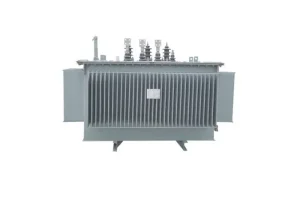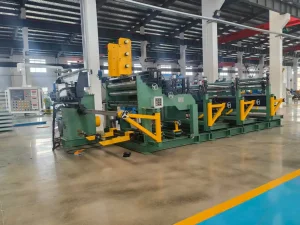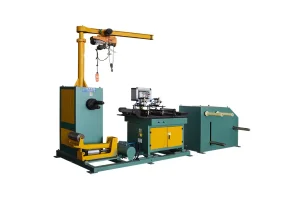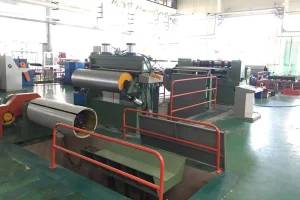
Explore our core engineering products designed for advanced transformer and winding applications.
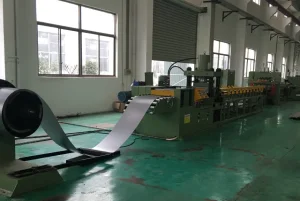
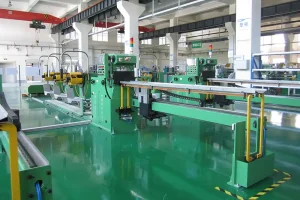
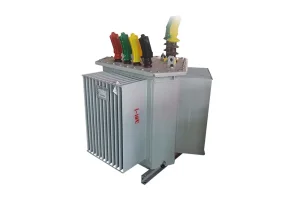
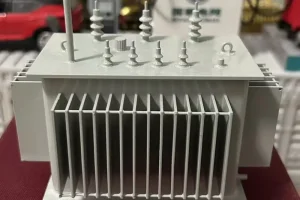
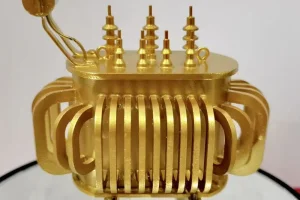
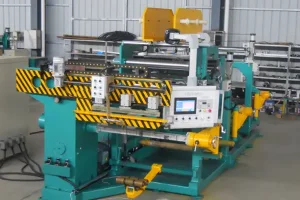
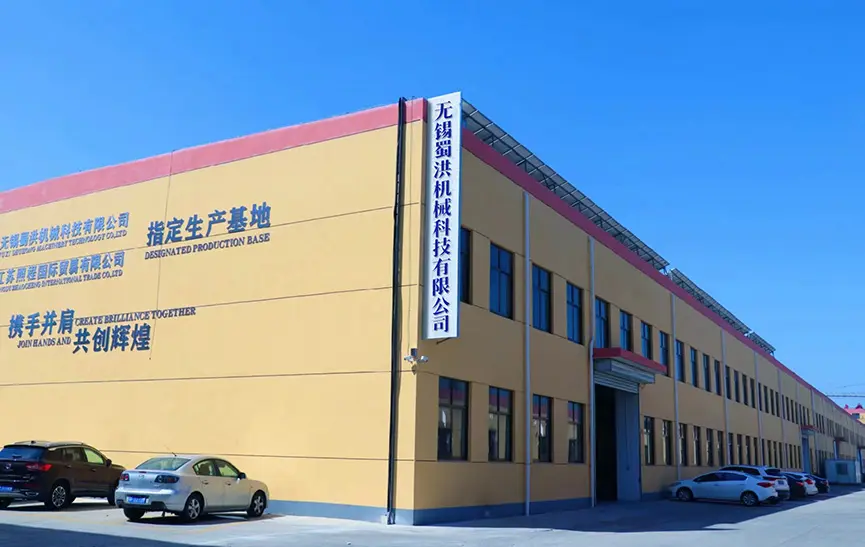
On the shores of the picturesque Taihu Lake lies Wuxi, known as the "Land of Fish and Rice." This beautiful land has nurtured countless enterprising enterprises, with Wuxi Shuhong Machinery Technology Co., Ltd. standing out among them. Since its establishment in 2018, Shuhong Machinery has consistently prioritized technological innovation and quality service, steadily advancing in the fields of electrical and plastic machinery, becoming a high-tech enterprise with both strength and reputation.
Our operation is dedicated to solving complex grid, transformer, and coil-winding challenges across the globe. From custom high-voltage precise winding setups to cost-effective, heavy-duty low-voltage winding equipment, we bridge the technical and infrastructural gaps that define modern electrification.
Understanding the strict physical, electromagnetic, and thermodynamic differences between HV and LV equipment engineering.
In electrical power grid infrastructures, the classifications of High Voltage (HV) and Low Voltage (LV) are not merely thresholds of potential difference; they represent fundamentally distinct physical domains that require completely different approaches to product engineering, manufacturing tolerances, insulation chemistry, and winding stress dynamics.
For custom manufacturers like Wuxi Shuhong Machinery Technology Co., Ltd., understanding these requirements is critical to developing high-performance processing machinery. From insulation and cooling structures to stress control and precision slitting, each manufacturing path demands specialized industrial equipment.
| Engineering Parameter | High Voltage (HV) Manufacturing (>1000V AC) | Low Voltage (LV) Manufacturing (≤1000V AC) |
|---|---|---|
| Primary Focus | Dielectric Strength, Corona Prevention, Layer Insulation Integrity. | High Current Density, Thermal Management, Structural Durability. |
| Winding Requirements | High turn counts, thin wires, high-precision layer alignment (requires servo-controlled tension). | Thick wires, heavy copper foil, high-torque tension controls. |
| Insulation Systems | Oil-immersed systems, paper-wrapped insulation, or vacuum-cast epoxy resins. | Air insulation, simple varnishes, or fiberglass barriers. |
| Core Design & Assembly | Requires multi-step stacked cores or 3D triangular rolled cores to minimize localized flux leakage. | Simpler stacked cores, optimized for rapid, cost-effective high-volume assembly. |
| Testing Requirements | Impulse voltage tests, partial discharge (PD) measurements, long-term aging simulations. | Standard continuity tests, insulation resistance checks, and temperature rise profiling. |
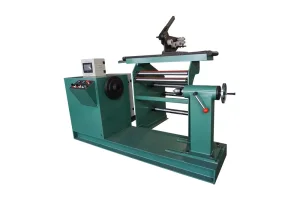
HV coils are subject to extreme electrostatic fields. Poor winding accuracy or air bubbles within the insulation can lead to partial discharges, causing failure. To prevent this, manufacturers must use machines like the High-Voltage Auto Wire Arranger-Winder (Precision Servo). This equipment uses closed-loop servo feedback to distribute wires perfectly, preventing overlaps and minimizing air gaps between insulation layers.
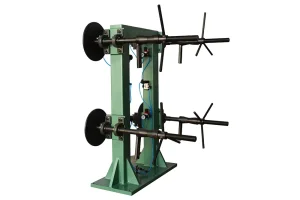
LV coils carry high currents, which generate significant electromagnetic and mechanical stress during operation. The primary challenge is maintaining high mechanical tension during winding to prevent coil loosening under thermal expansion. Tools like the Low-Voltage Tension Pay-Off Stand provide constant tension, ensuring structural stability and minimizing losses from loose windings.
The Founder's Passion for Machinery and Entrepreneurial Journey
Shuhong Machinery originated from its founder’s insight into machinery manufacturing. With over a decade in the industry (from front-line technical roles to management), the founder witnessed domestic machinery shift from "following" to "running alongside" global peers, and sensed the need for energy-efficient, intelligent upgrades.
During a State Grid project exchange, the founder found traditional transformers flawed in temperature control and service life (harming power stability, raising costs) and noted new energy’s higher equipment demands—thus focusing on R&D and manufacturing of high-efficiency, energy-saving transformers.
Overcoming funding and technical hurdles, the team worked day and night in labs/workshops on demos and optimizations, finally developing a transformer with 30% lower temperature rise and 15-year lifespan, winning high client recognition.
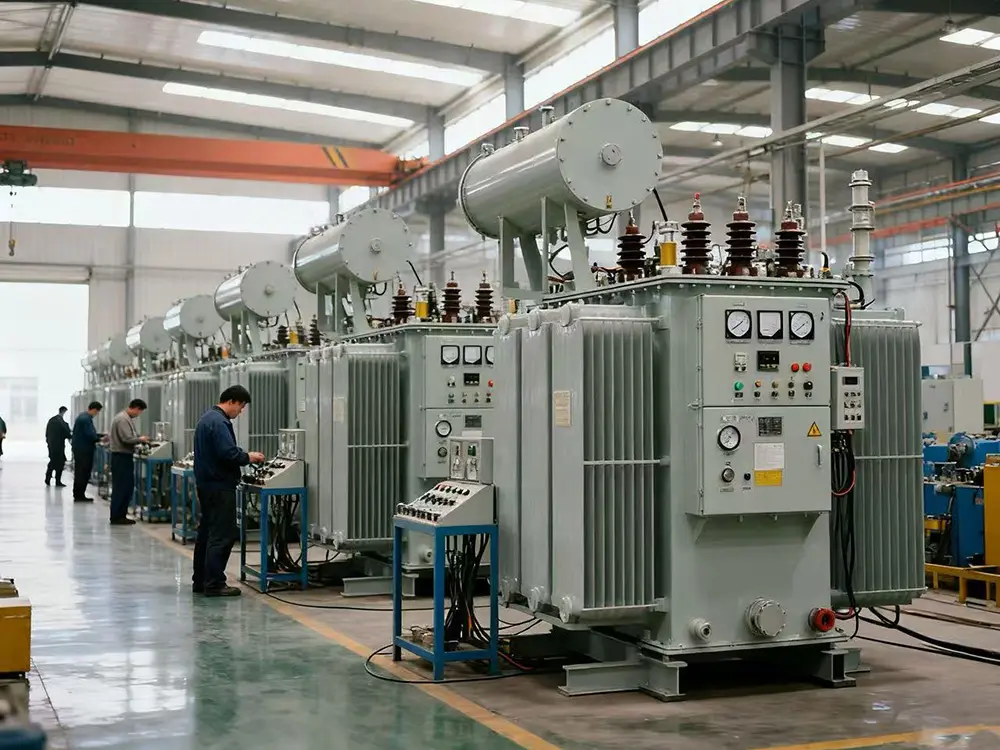
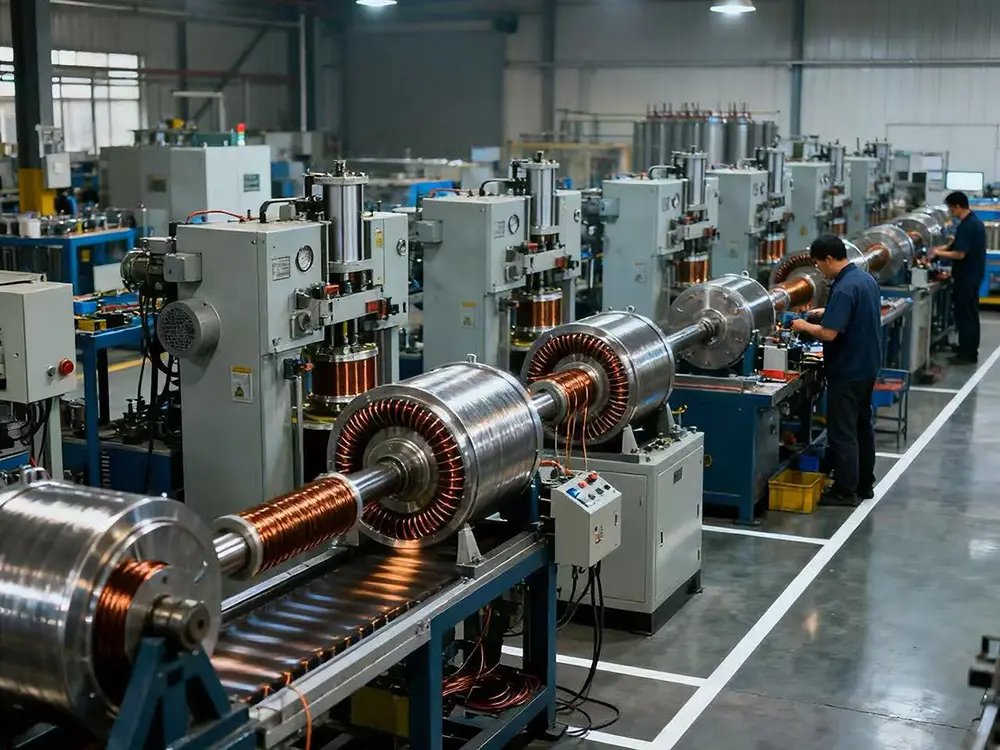
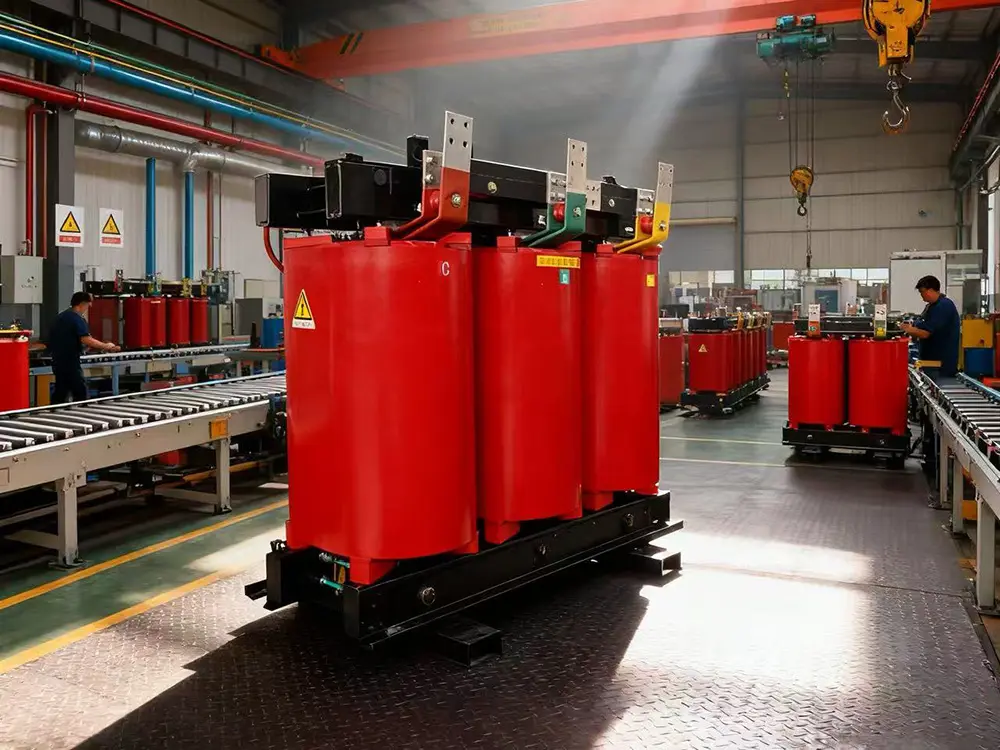
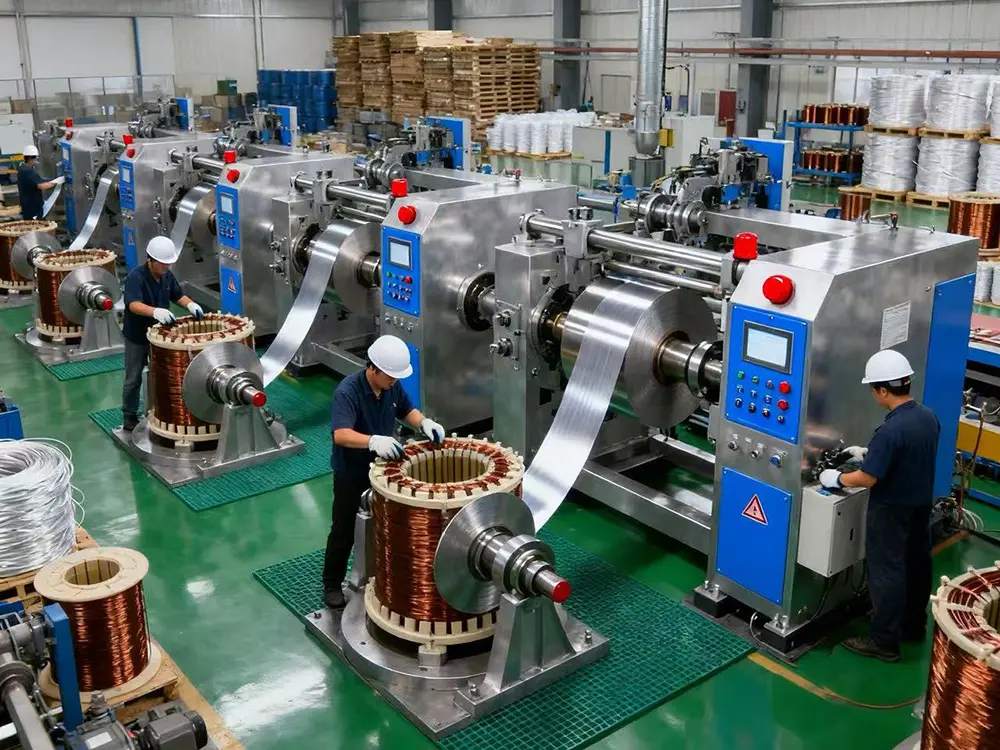
The transformation path of power equipment: Green materials, digital intelligence, and high-precision automation.
Amorphous alloy materials feature high magnetic permeability and thin profiles (often around 0.025 mm), which drastically reduce no-load core losses. However, because they are brittle, they require precise processing. Our technology roadmap focuses on CNC Shearing Machines designed for Amorphous Alloy Cores, which process these materials without causing structural fractures or compromising their magnetic properties.
Traditional stacked cores have joints that create gaps in the magnetic circuit, causing flux leakage and noise. 3D Triangular Rolled Cores feature a continuous, jointless winding design that matches the direction of magnetic flux. Developing machines that can wind these complex 3D shapes is key to improving energy efficiency in power transmission.
Looking forward, Wuxi Shuhong Machinery will continue to develop electrical and plastics machinery, expanding R&D to enhance our core technologies. By building internationally competitive machinery, we aim to support the transition to smart grids and green energy systems.
How Wuxi Shuhong integrates advanced CNC machinery, automated welding, and rigorous testing workflows.
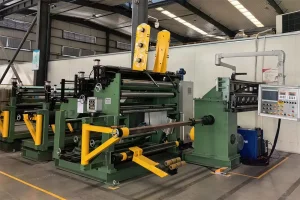
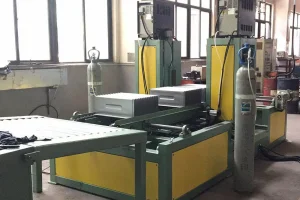
By implementing Factory 4.0 standards, Shuhong Machinery ensures high precision at every stage of production. For example, our Automatic CNC Longitudinal Slitting Equipment for Silicon Steel Coils processes raw electrical steel into precise widths, while our Automatic Corrugated Sheet Welding Machine creates robust cooling structures for oil-immersed transformers.
We combine mechanical design with real-time quality control to maintain a stable, resilient supply chain that meets the requirements of international energy projects.
Precision shearing of raw electrical steel sheets with CNC control.
Accurate coil shaping using automatic arrangers and winders.
Heat treatment to relieve internal stresses in magnetic cores.
Integrating copper/aluminum conductors with insulation materials.
Fitting the active winding assembly into the transformer chassis.
Vacuum drying to remove moisture from the solid insulation.
De-aerated mineral oil filling to assist heat transfer and insulation.
Comprehensive electrical, dielectric, and thermal testing.
Tailored engineering solutions for utilities, commercial microgrids, and industrial manufacturing plants.
We supply high-efficiency stacked and rolled-core transformers that stabilize transmission over long distances, reducing distribution losses and helping grids meet regulatory performance standards.
For factory environments with dynamic load demands, we provide oil-immersed transformers that deliver stable voltage output and manage harmonic distortion caused by heavy industrial machinery.
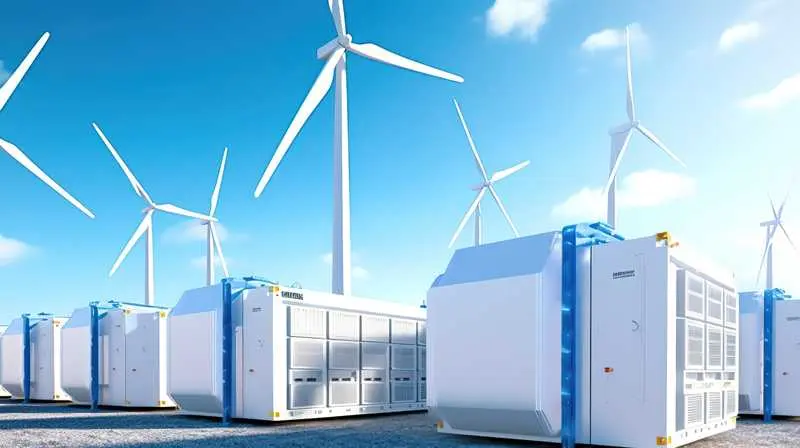
Our custom transformer designs handle the fluctuating power inputs of solar inverter stations and wind farms, providing reliable grid integration under varying environmental conditions.
Global procurement managers should look for three main qualifications when evaluating custom HV/LV manufacturers:
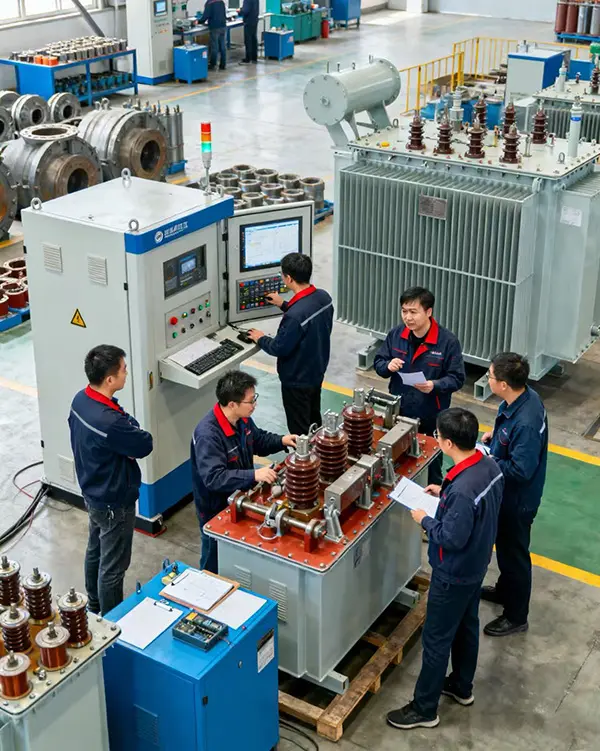
Wuxi Shuhong Machinery operates on a team philosophy of "People-Oriented, Collaborative Innovation." By investing in specialized training and modern project management systems, we keep our engineering and support teams aligned with the latest industry standards.

Looking forward, Shuhong Machinery will uphold its business philosophy of "People-oriented, Integrity-driven, Collaborative Innovation, and Quality First." We plan to expand both domestic and international markets, partnering with industry leaders to design efficient, energy-saving, and intelligent power equipment.
Detailed technical answers to common queries regarding winding tension, core configuration, and system safety.
The primary difference lies in how voltage stress is managed. High Voltage (HV) coil manufacturing focuses on preventing dielectric breakdown and partial discharge through precise spacing, insulation wrapping, and vacuum encapsulation. Low Voltage (LV) coil manufacturing focuses on managing high current density, requiring thick conductors and high-torque tension controls to build structurally stable windings.
Low voltage transformers operate under high current loads, which generate significant mechanical force during startup or short-circuit events. If the winding tension is uneven, the turns can shift or loosen under thermal expansion. Using constant tension pay-off stands ensures the coils are wound tightly, preventing physical displacement and minimizing operational losses.
3D Triangular Rolled Cores are wound continuously from silicon steel ribbons, eliminating the butt joints found in standard stacked cores. This jointless construction matches the natural direction of magnetic flux, which reduces core losses, lowers magnetostrictive noise, and minimizes the overall size and weight of the transformer.
Silicon steel is highly sensitive to mechanical strain, which can degrade its magnetic properties. Automated CNC slitting equipment cuts the steel sheets with minimal burring and deformation, protecting the material's magnetic orientation and keeping core energy losses within design limits.
Manufacturers must comply with relevant international standards, including IEC 60076 for power transformers, IEEE/ANSI standards for North American markets, and local utility regulations such as State Grid certifications in China. These standards define requirements for dielectric strength, temperature limits, short-circuit resistance, and environmental safety.
Explore our industrial equipment designed for high-efficiency coil production and core assembly.