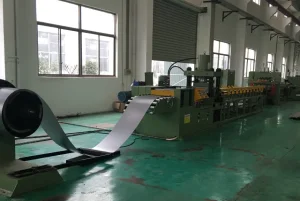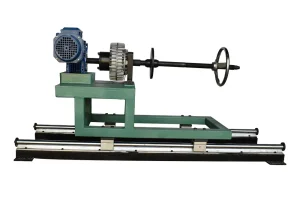
Discover Wuxi Shuhong's signature array of high-precision CNC cross-cutting lines, specialized transformer winding machinery, and low-loss power distribution cores.
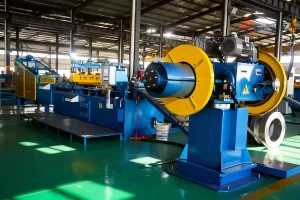
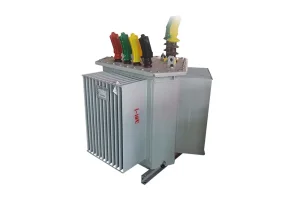
The continuous evolution of global electrical networks demands unprecedented leaps in distribution efficiency, core processing precision, and thermal durability. Modern step-up and step-down configurations act as the foundational pillars of these networks, linking diverse renewable energy generations (such as commercial solar arrays and utility-scale wind farms) directly with high-voltage regional grids. At Wuxi Shuhong Machinery Technology Co., Ltd., we resolve the historical challenges of line-loss, structural deformation, and high no-load losses.
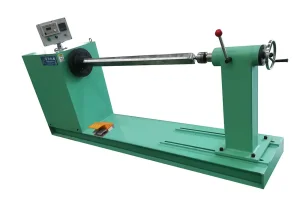
Through the strategic application of advanced high-precision grain-oriented silicon steel processing equipment and high-voltage automatic winding systems, we assist electrical manufacturers worldwide in reducing operational overheads. Our customized technical solutions facilitate seamless power conversion while dramatically lowering magnetic losses and mechanical hums within power substations.
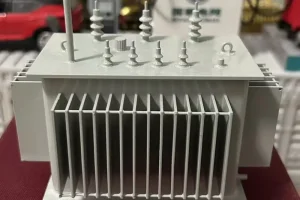
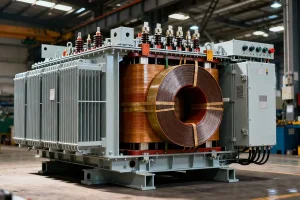
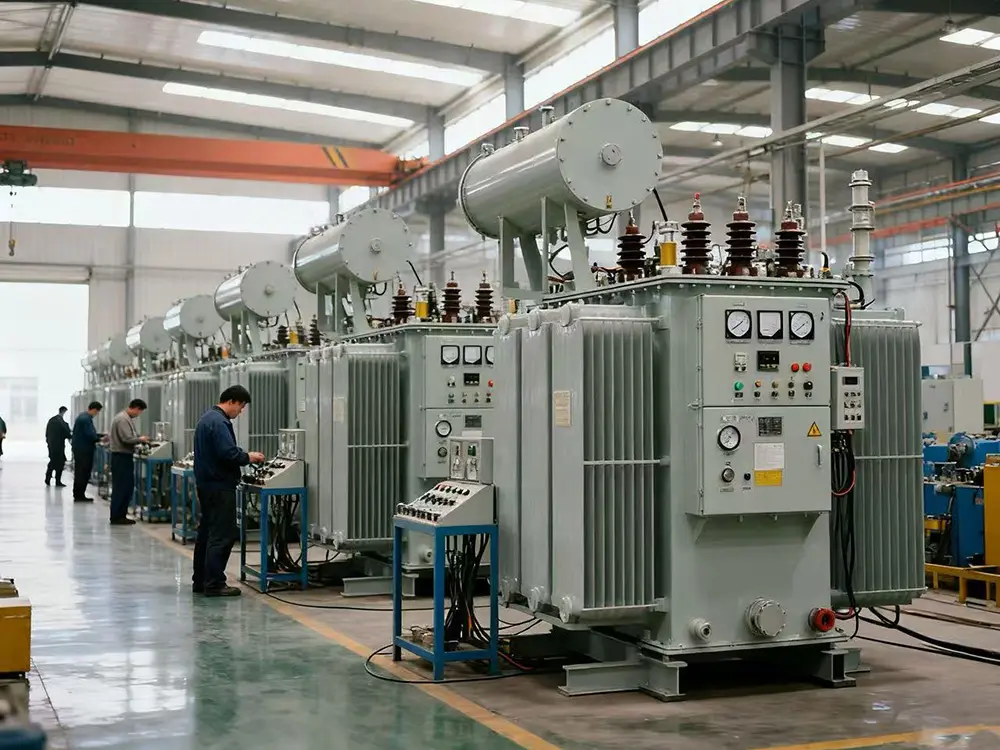
Underneath the heavy-gauge protective tanks, the geometry of the core dictates the performance boundaries of modern high-efficiency energy systems.
Traditional stacked structures introduce air gaps and perpendicular magnetic joints, increasing iron loss and noise. Our specialized 3D triangular rolled cores distribute magnetic flux symmetrically across three phases, shortening the path of the flux and reducing no-load losses by up to 30%-40% and overall weight by 20%.
By utilising thin strips of iron-boron-silicon based amorphous metal (typically 0.02mm thickness), no-load loss decreases to roughly 20% compared to high-grade silicon steel. Using our specialized CNC shearing machines ensures precise control over the fragile amorphous edges, avoiding mechanical stresses that amplify hysteresis.
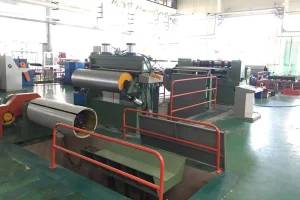
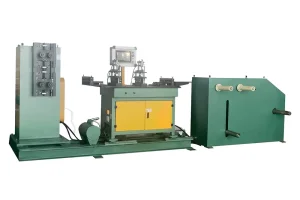
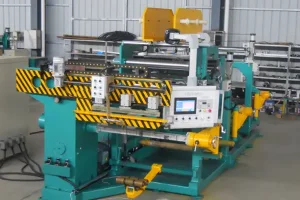
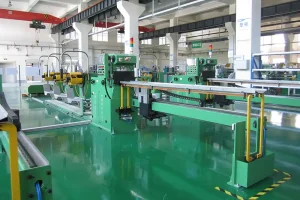
Minimal burrs are critical for reducing local eddy currents. Wuxi Shuhong’s custom CNC slitting and cross-cutting lines ensure a burr tolerance level below 0.02mm. This precision limits short-circuit risks within the core and improves space factors during manual or automatic assembly sequences.
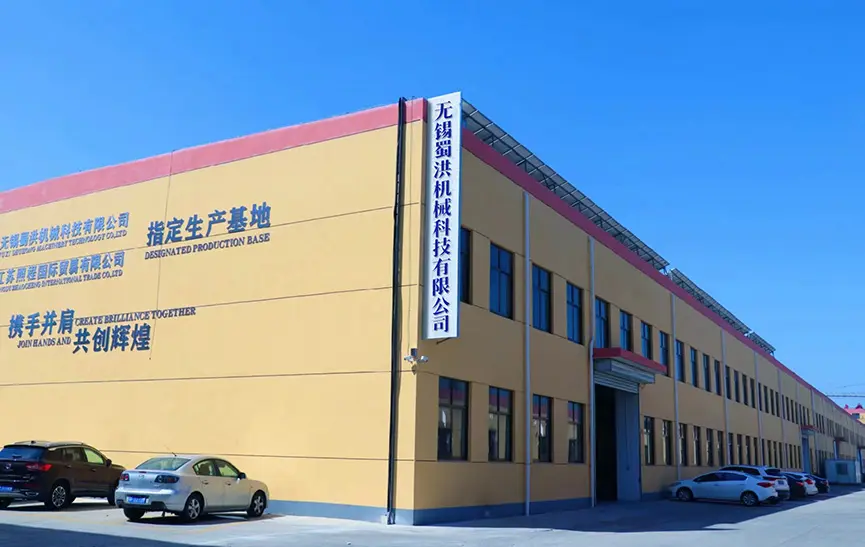
Rooted in Wuxi along the scenic banks of Taihu Lake, Wuxi Shuhong Machinery Technology Co., Ltd. was established in 2018. The founder, having spent over a decade shifting from front-line metal-working machinery operation to technical and administrative management, recognized a distinct paradigm shift: domestic machinery was rapidly transitioning from replicating global architectures to pioneering independent, energy-efficient solutions.
During an technical consultation for a State Grid initiative, the founder witnessed traditional equipment suffering from excessive temperature rises and thermal-stress-induced insulation breakdowns, which directly compromised network uptime and elevated operational expenditures. Armed with this insight, the team set out to construct a high-efficiency electrical transformer capable of achieving a 30% reduction in average temperature rise while securing a continuous 15-year lifecycle. Overcoming strict capital limits and initial engineering bottlenecks, Shuhong emerged as an industry reference point for dependable power transmission.
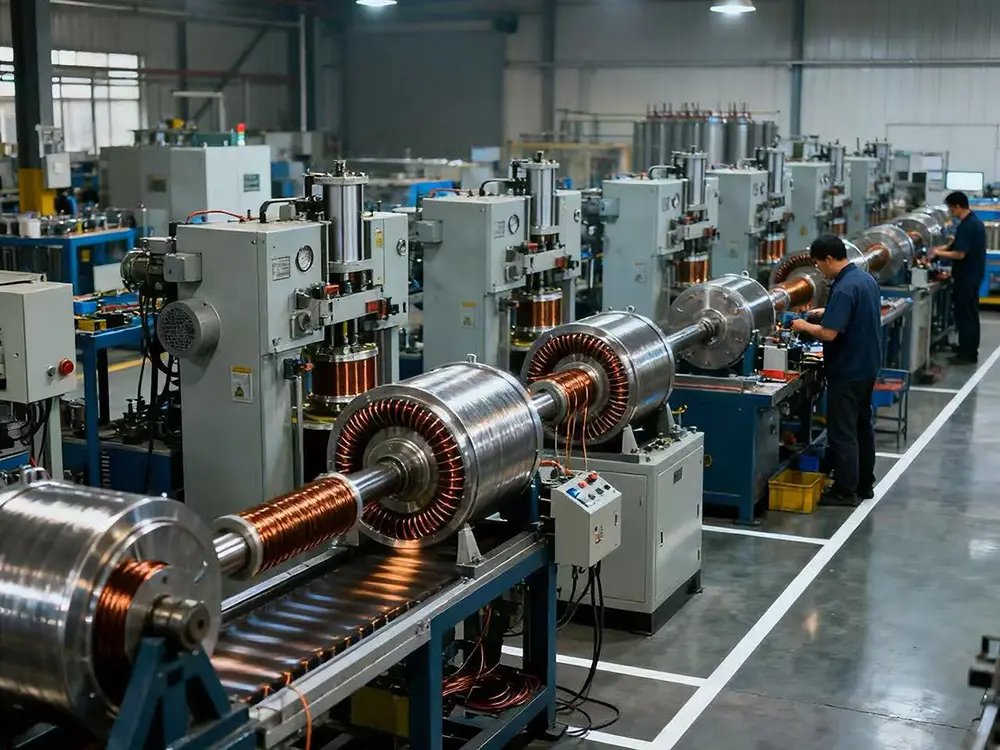
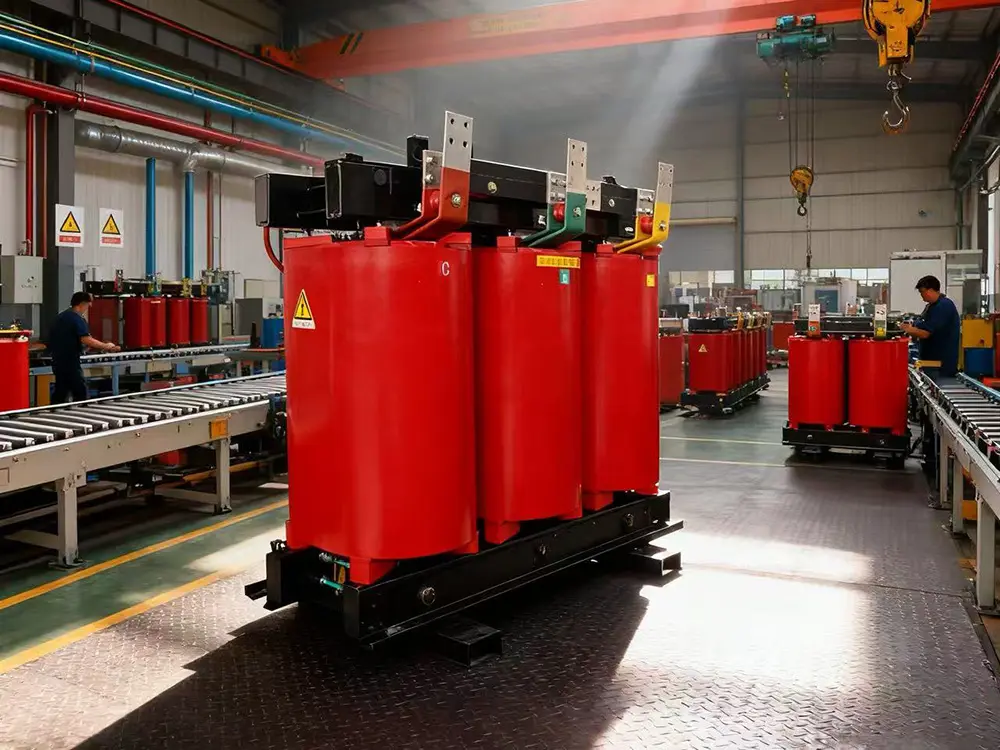
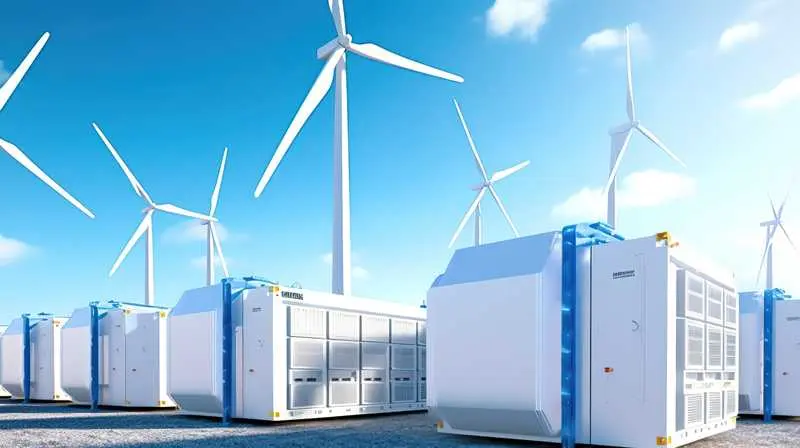
As international markets shift towards strict carbon neutrality and digital grid systems, equipment specifications must evolve in tandem.
From North America to the European Union, grid networks are undergoing deep updates to integrate volatile, non-dispatchable solar and wind generation. This integration triggers rapid load fluctuations, necessitating transformers that can handle high harmonic currents. Modern units require high thermal resilience and low-loss magnetic flux lanes to avoid localized overheating at phase nodes.
To guarantee seamless integration, Wuxi Shuhong designs dual-voltage and auto-regulating transformer equipment. Leveraging our high-precision CNC cross-cutting technology, the cores achieve a dense space factor, supporting stable operation under extreme load conditions.
Industrial facilities (such as steel mills, automotive manufacturing lines, and chemical processing plants) along with hyperscale AI datacenters require zero-downtime, continuous power configurations. An unplanned power interruption can cost millions in lost operational time and compromise critical process parameters.
Our 3D triangular rolled core designs are engineered specifically for high reliability. With minimized structural vibration, low noise emission, and high heat-sink efficiency, these transformers deliver consistent, clean voltage regulation for sensitive computer networks and machinery.
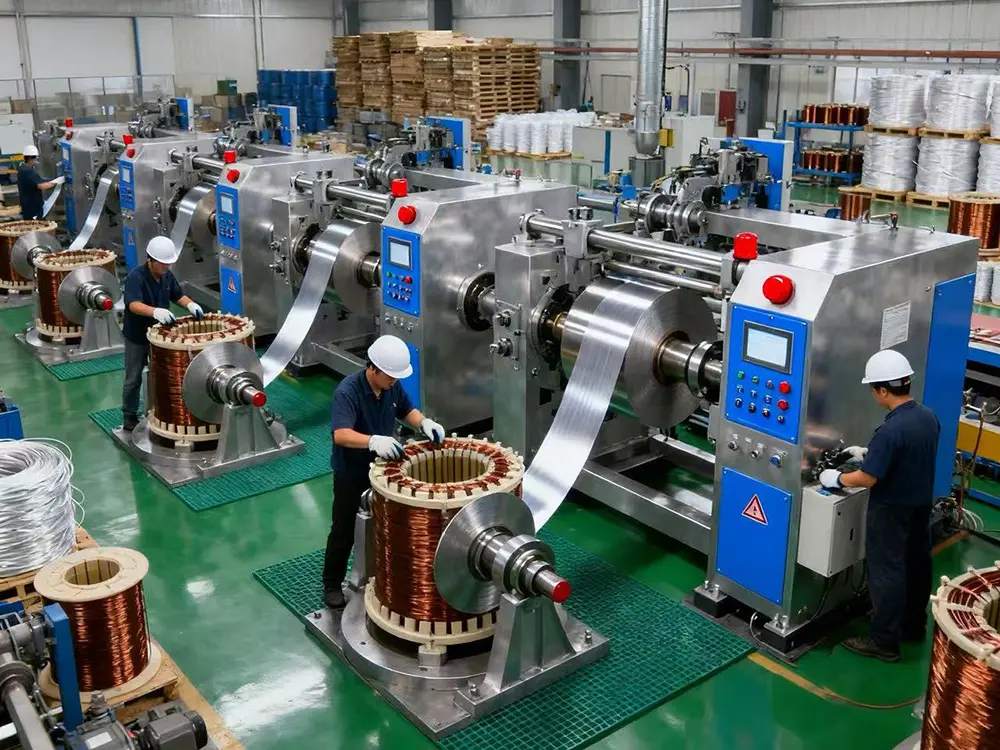
Our comprehensive, vertically integrated production process ensures every step—from raw silicon steel selection to final high-voltage impulse test—meets our internal zero-defect standard.
We strictly prioritize post-assembly core annealing in vacuum-controlled protective atmospheres, neutralizing mechanical stresses introduced during precision slitting. This optimizes magnetic domain alignment to guarantee peak performance at high voltages.
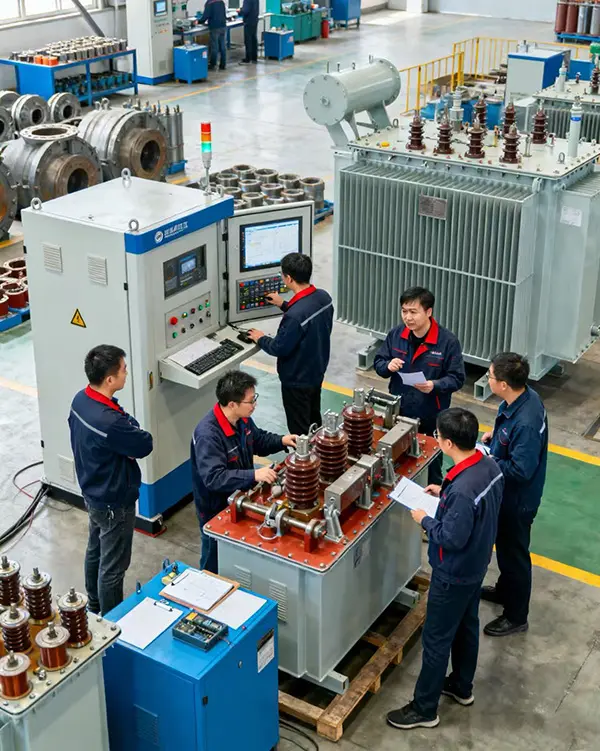
An engineering solution is only as reliable as the minds and hands behind its execution. At Shuhong Machinery, we cultivate an internal culture of continuous technological development and cross-departmental coordination.
We align front-line machinists, winding operators, and quality inspectors with ongoing certification programs to remain current with ANSI/IEEE and IEC assembly rules.
Using cloud-enabled CAD-CAM environments, we eliminate discrepancies between R&D electrical simulations and physical core properties.
Our "more work, better performance, better rewards" system encourages quality ownership and drives innovation at every assembly stage.
We design and manufacture components that comply with standard international regulatory frameworks.
Our transformers are built to meet CE, UL, and GB/T standards. Our precision slitting equipment and winding mechanisms feature safety systems and parameter feedback circuits that comply with standard factory directives worldwide.
We develop customized cooling systems, specific tapping configurations, and tailored mounting brackets to help integrate new high-efficiency transformers into existing legacy networks without requiring expensive site reconstructions.
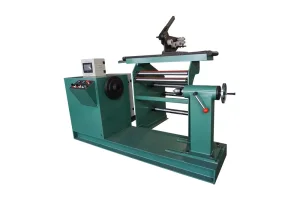
We support our global clients with digital troubleshooting assistance and stock critical machinery spares (including cutting knives, CNC components, and winding arrays) to prevent extended downtime.
The next ten years will demand transformers that do more than simply step voltages up or down. They must act as intelligent nodes capable of self-diagnostics and adapting to dynamic load scenarios. At Shuhong, we are planning for this future by investing in three key development tracks:

Expert technical insights regarding core design, production machinery, and system customization.
Unlike traditional stacked cores with overlapping joints and right-angle turns, a 3D triangular rolled core features a continuously wound, gapless design with three symmetrical core limbs. This eliminates magnetic discontinuity, reduces eddy current hotspots, lowers no-load loss, and minimizes acoustic hum, making it well-suited for noise-sensitive urban settings.
High burr heights (above 0.05 mm) disrupt the insulation coating between stacked silicon steel sheets. Under compression, these burrs can bypass the insulation layer and create short circuits, leading to local heating, high core losses, and potential insulation failure. Shuhong's CNC cross-cutting lines maintain burrs under 0.02 mm to prevent these issues.
We achieve this through several design improvements: we optimize core geometry to minimize iron losses, utilize custom oil flow ducts, specify high-grade winding insulation, and fit high-efficiency heat sinks. This design prevents localized heat buildup, slows insulation aging, and extends the transformer's service life.
Lead times vary depending on system complexity. Standard high and low voltage winding machines typically take 45 to 60 days. Complex CNC cross-cutting lines or automatic foil winding units requiring custom engineering integrations usually require 75 to 90 days, which includes assembly, programming, and factory testing.
Enhance your manufacturing operations with our high-efficiency stacked core assemblies, specialized tension payoffs, and automated winding machinery.