Bridging engineering excellence, advanced automation, and cost-efficient industrial designs
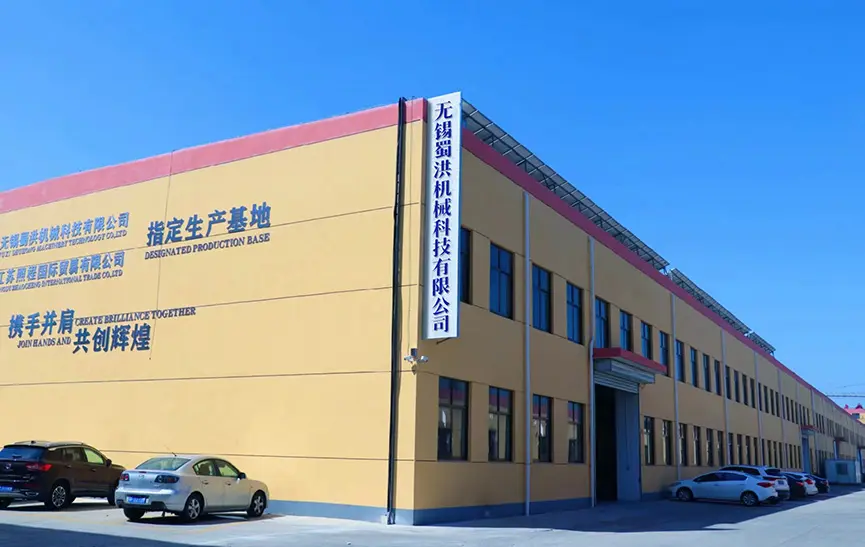
Located on the shores of the picturesque Taihu Lake in Wuxi, famously referred to as the "Land of Fish and Rice," Wuxi Shuhong Machinery Technology Co., Ltd. has been at the forefront of the electrical machinery manufacturing sector since 2018. As an innovative, high-tech enterprise, Shuhong Machinery integrates R&D, structural design, manufacturing, and global sales to provide the international market with optimized equipment solutions.
Our founder's journey started on the frontline of technical operations. Through a decade of working directly with power grid infrastructures, the founder observed the critical shifts in domestic machinery, moving from "following" international competitors to "running alongside" and ultimately pioneering advanced engineering standards.
A pivotal breakthrough came during an exchange with a State Grid project, where traditional transformer configurations demonstrated vulnerabilities in temperature control, insulation degradation, and lifespan limitations. Recognizing the impending requirements for the clean energy transition, Shuhong Machinery diverted resources to engineer advanced winding systems and core components that achieved a 30% reduction in operating temperature rises while securing an operational lifespan exceeding 15 years.
Understanding the massive scale of modern distribution networks and electromagnetic component demands
In global electrical transmission infrastructure, high-voltage coils are fundamental modules that determine overall grid security, thermal endurance, and electromagnetic distribution efficiency. With the rapid growth of wind farms, solar PV arrays, and high-voltage direct current (HVDC) transmission lines, these coils must withstand elevated electrical stresses, severe harmonic content, and cyclic thermal loadings.
The international commercial landscape is undergoing a significant transition. Traditional substation layouts are being upgraded with smart grid networks, calling for compact, high-efficiency transformers that can operate continuously in hostile environments. High-voltage coils are no longer simple copper windings; they represent highly engineered systems where insulation chemistry, geometric precision, and material purity dictate the system's operational integrity.
From an investment perspective, procurement departments are tasked with balancing strict quality parameters with budgetary realities. The demand for "cheap high voltage coil products" is driven not by a search for lower-grade materials, but by the pursuit of optimized manufacturing efficiency, advanced machinery configurations, and streamlined supply chains that lower production costs without compromising safety.
Analyzing materials, automation, and the emergence of advanced physical designs
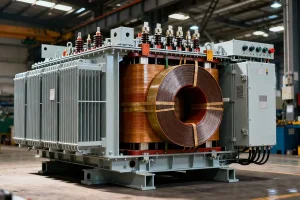
Traditional stacked silicon steel configurations are increasingly being replaced by 3D roll cores and planar core structures. These configurations eliminate air gaps, optimize flux distribution, and dramatically lower no-load excitation currents, resulting in significant operational savings.
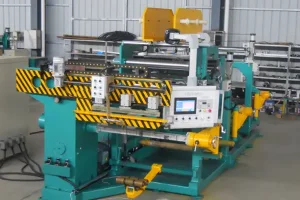
Using closed-loop tension systems and CNC servo positioning ensures winding precision. Perfect layer alignment minimizes localized electromagnetic stress points and prevents mechanical insulation wear during long-term thermal expansion cycles.
Modern high voltage applications leverage multi-layer foil insulation and specialized epoxy impregnation systems. These compounds offer high dielectric breakdown strengths, ensuring resilience against voltage surges and transient overvoltages.
Key considerations for international buyers managing capital risk and operational reliability
When sourcing industrial electrical equipment, engineering procurement teams must navigate complex regulatory environments. The quality of a high voltage coil influences the reliability of the entire system. Key evaluation factors include:
How local production clusters, automated systems, and logistics yield value for global clients
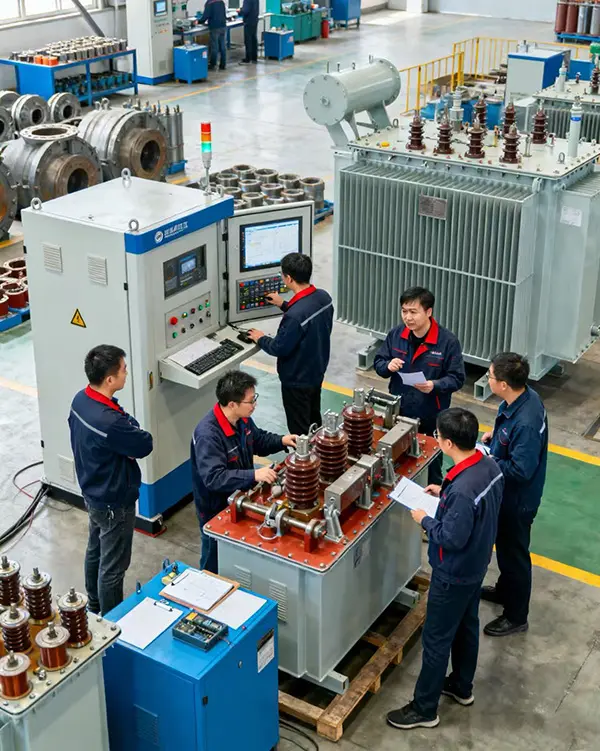
The concentration of manufacturing in East China, particularly around Jiangsu and Wuxi, offers a robust framework for high-efficiency production. At Wuxi Shuhong Machinery, this structural advantage is integrated with Industry 4.0 practices, ensuring agility and quality control.
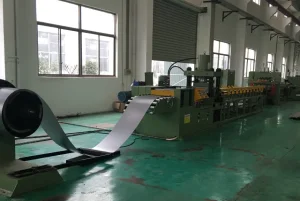
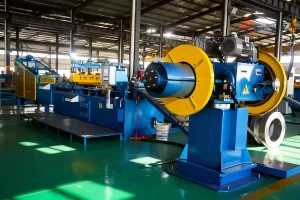
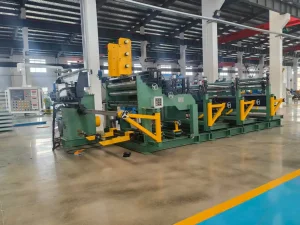
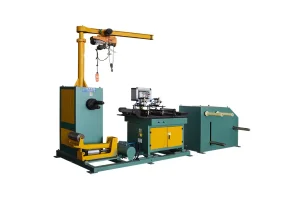
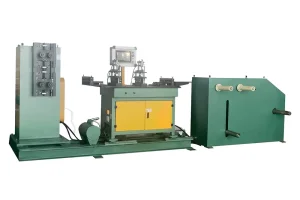
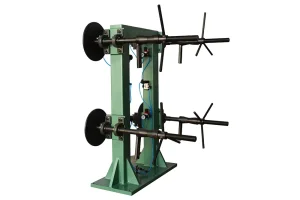
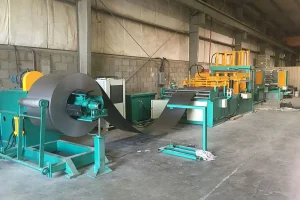
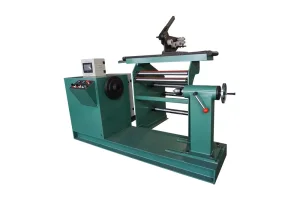
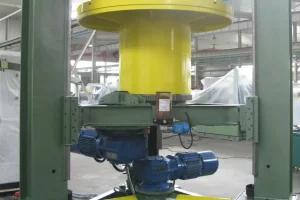
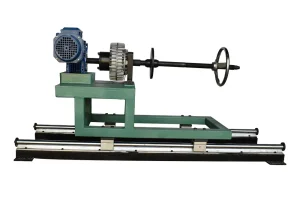
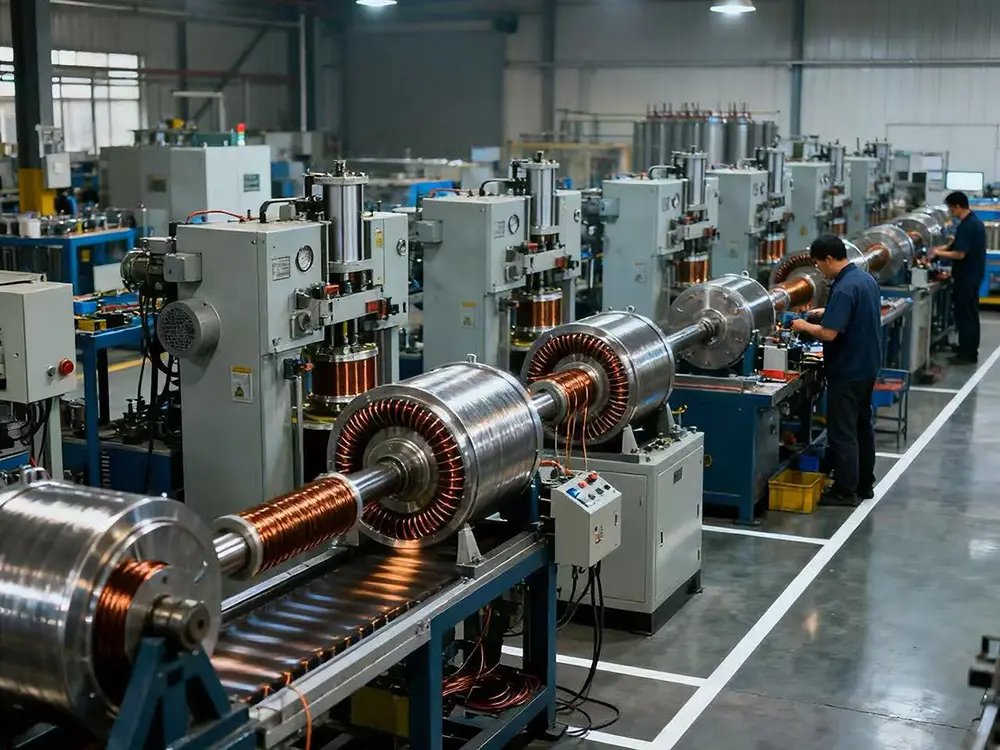
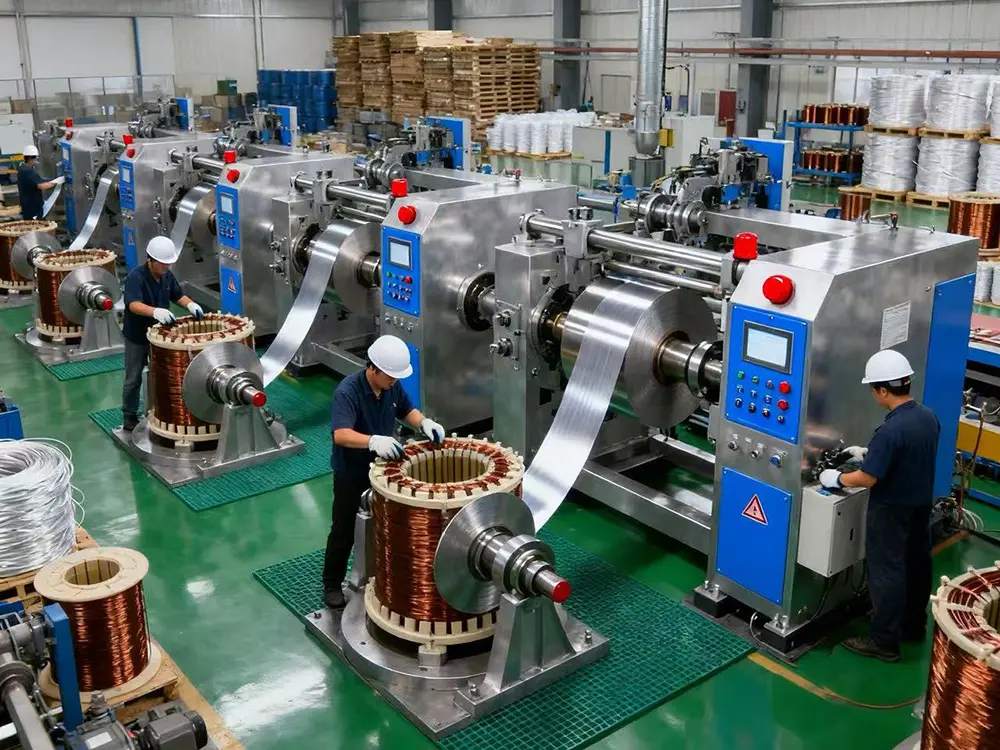
Our facilities incorporate automated winding systems, CNC cross-cutting lines, and advanced tension-controlled pay-off stands. This level of automation reduces labor overhead, minimizes human assembly errors, and accelerates delivery timelines.
Through local supply chains, Wuxi Shuhong accesses raw materials like high-grade copper, specialized insulation resins, and cold-rolled grain-oriented (CRGO) steel. By eliminating intermediary shipping steps and raw material delays, we maintain competitive pricing models and reliable lead times.
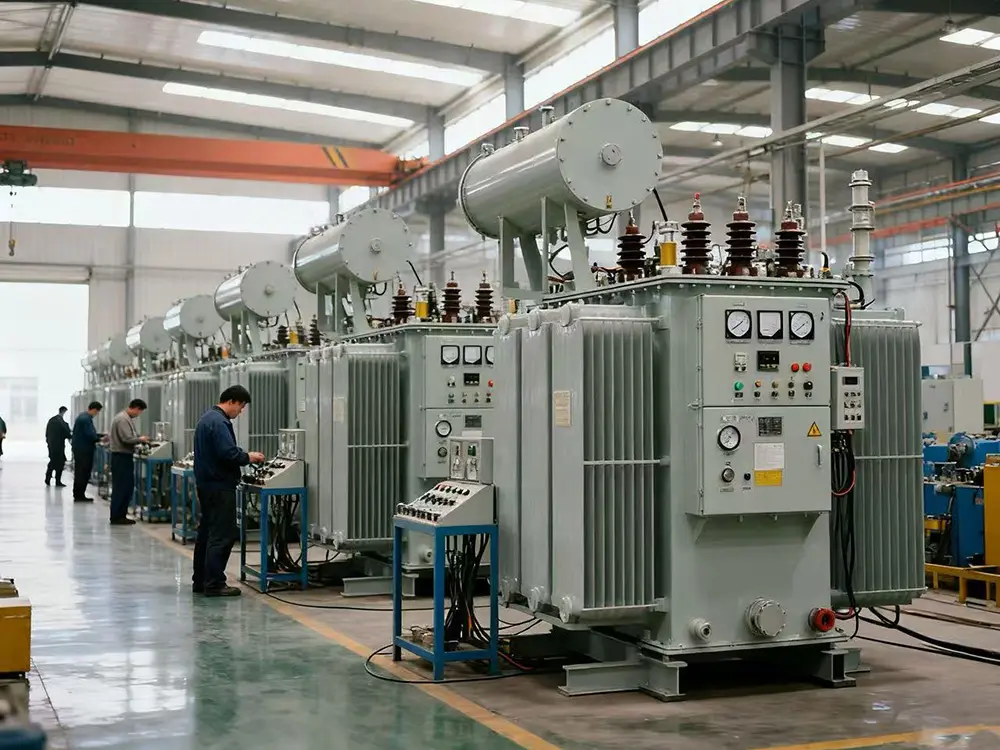
Tracking raw material processing through to final test protocols
Utilizing high-precision CNC cross-cutting lines to process CRGO steel sheets, preventing micro-burrs and optimizing magnetic path flow.
Employing tension-controlled automated winders to layer foil or wire conductors. Continuous tension feedback avoids micro-gaps and physical stresses.
Subjecting wound magnetic cores to thermal annealing cycles to restore optimal crystalline structure and minimize core loss.
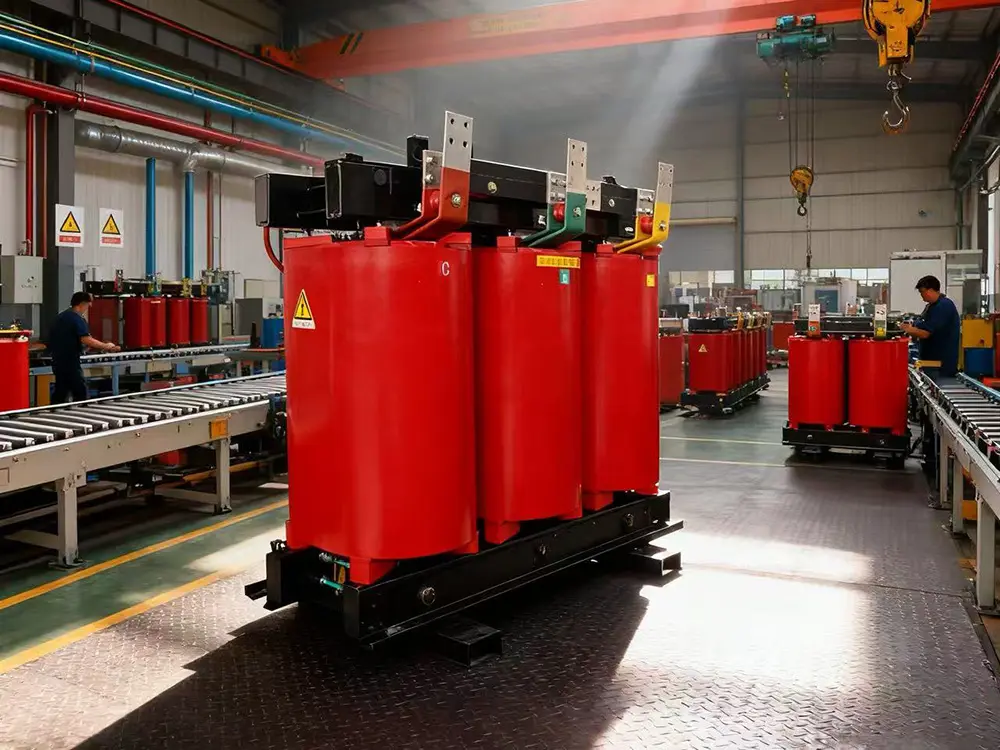
Mounting coils to core legs, followed by thermal drying in vacuum chambers to purge residual moisture before oil impregnation.
Injecting degassed transformer oil under vacuum conditions. Assemblies undergo impulse voltage, load loss, and partial discharge verification.

Optimizing coil performance for diverse operating environments
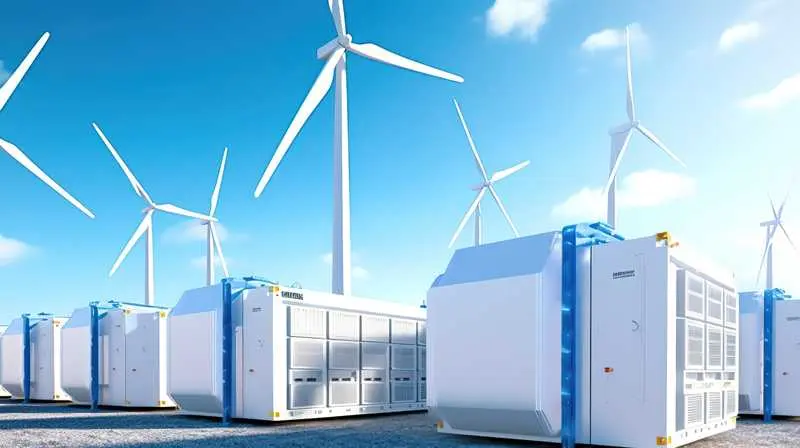
Solar arrays and wind turbines output power through fluctuating, high-harmonic profiles. High-voltage coils deployed in step-up transformers must feature robust insulation barriers to withstand cyclic voltages and avoid premature failure.
Chemical complexes, smelting facilities, and steel mills impose severe load variations on electrical systems. Custom foil-wound coils provide high structural rigidity, resisting mechanical deformation during sudden short circuits.
Dense residential grids require low-noise, compact equipment designs. Planar wound cores and 3D cores minimize vibrational noise and physical footprint, making them suitable for urban substations.
Addressing common queries regarding material selection, efficiency, and procurement standards