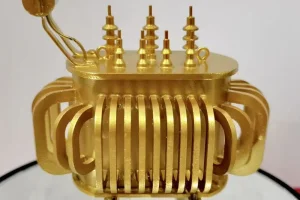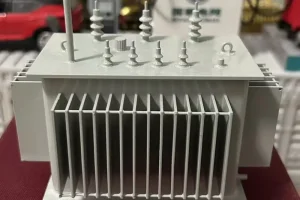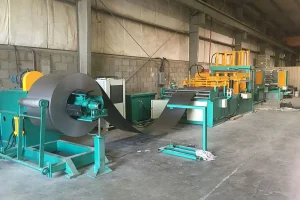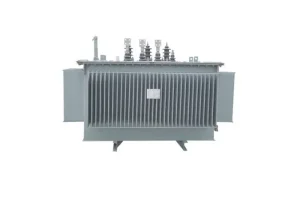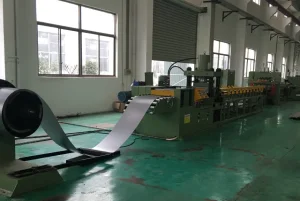
Explore our cutting-edge machinery designed to manufacture highly reliable and cost-effective high-power transformers.
The modern global power grid is undergoing its most significant transformation since the industrial revolution. As countries transition to renewable energy sources, the demand for highly reliable, energy-efficient high power transformers has skyrocketed. From utility substations in North America to mega-scale solar installations in the Middle East, these units act as the critical backbone of global electrification.
Industrial operations, data centers, and heavy manufacturing facilities require steady, uncompromised voltage regulation. The challenge is balancing the total cost of ownership (TCO) with the uncompromising reliability required by modern high-voltage grids. Historically, sourcing "cheap" transformers meant compromising on material standards and thermal management. Today, innovative engineering and smart manufacturing are rewriting that narrative.
By leveraging advanced raw materials, such as amorphous alloys and cold-rolled grain-oriented (CRGO) silicon steel, manufacturers can minimize structural magnetic losses. This allows procurement departments to acquire highly efficient hardware that meets stringent international safety and environmental regulations while keeping initial capital expenditures highly competitive.
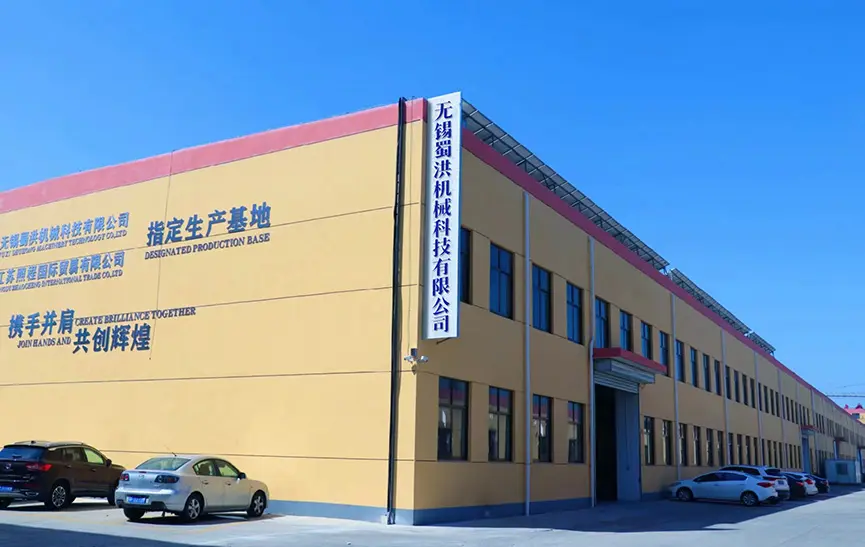
Why sourcing high power transformers from China combines cost efficiency with top-tier technological engineering.
Chinese factories operate at the heart of the world’s most dense industrial supply chains, providing immediate access to high-grade silicon steel, electrical copper, and premium insulation materials at optimized prices.
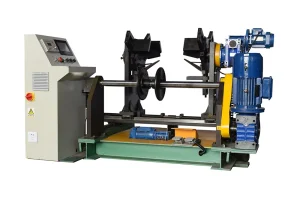
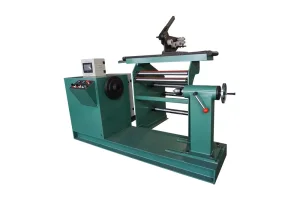
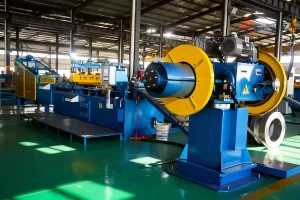
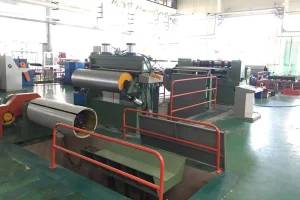
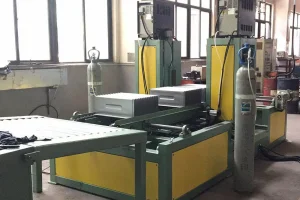
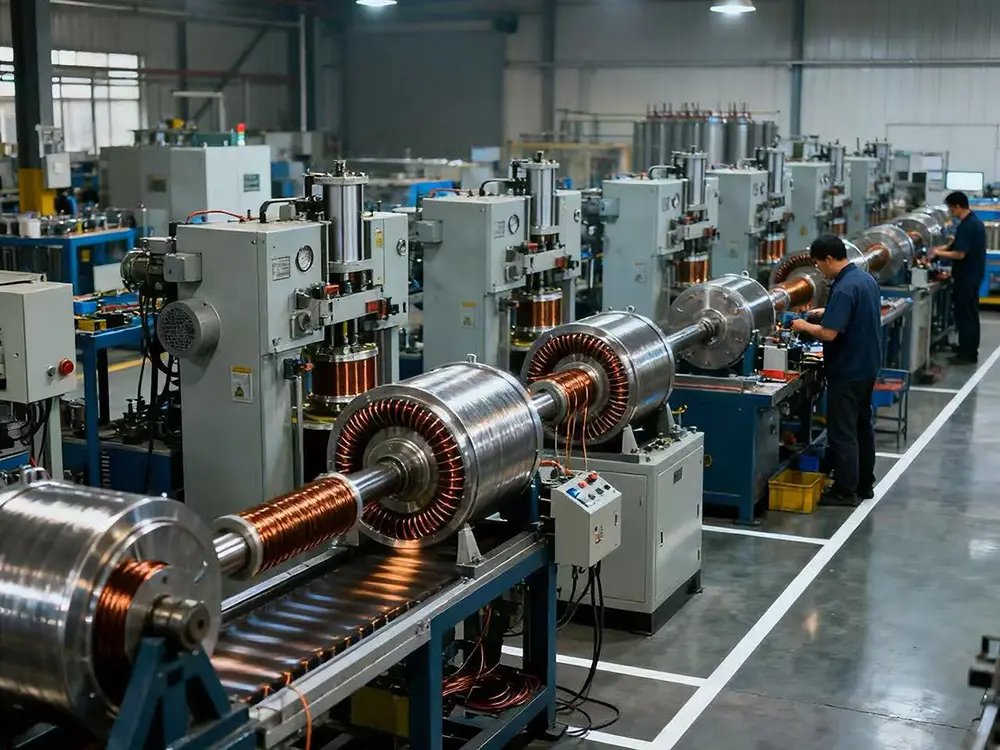
By leveraging automated CNC slitting lines, precision wire winder systems, and robotic corrugated sheet welding, we eliminate human error, ensuring consistent insulation, structure, and superior thermal dissipation.
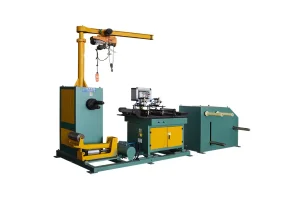
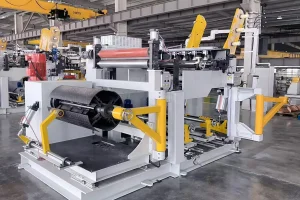
Advanced tooling, such as our proprietary 3D wound core winding machines, speeds up the core fabrication process by 40%, enabling faster delivery cycles to support tight project schedules across the globe.
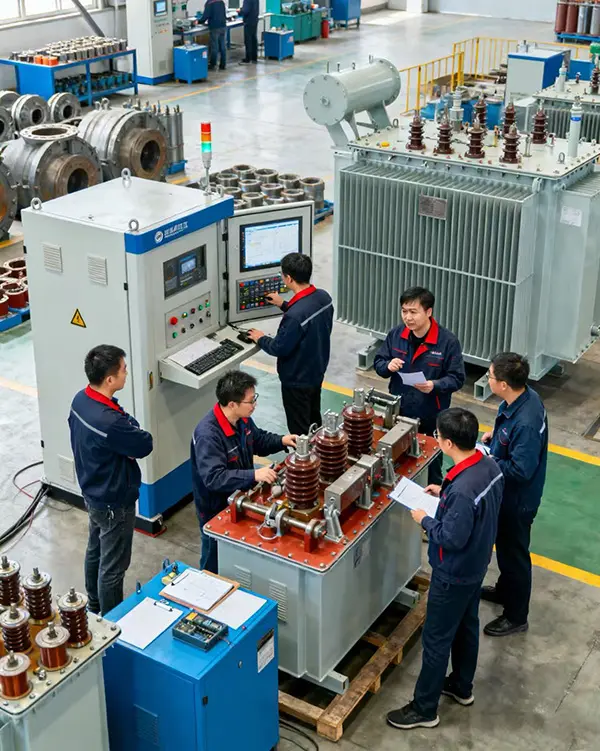
Founded in 2018 on the shores of Wuxi's scenic Taihu Lake, Wuxi Shuhong Machinery Technology Co., Ltd. has established itself as a leading high-tech pioneer in the electrical and plastic machinery sectors. Our journey is defined by an unwavering commitment to engineering quality, energy efficiency, and client-focused service.
Shuhong Machinery originated from our founder’s deep insight into the machinery manufacturing space. Having spent over a decade on the front lines—ranging from technical production to senior operational management—our founder experienced first-hand the dynamic shift of domestic manufacturing from following international trends to driving them. During an exchange with engineering teams on a State Grid project, he noticed that traditional high power transformers struggled with thermal dissipation, core loss, and reduced operational lifespans. This led to a commitment to research and develop efficient, long-lasting transformers.
Through countless hours of development and rigorous laboratory testing, our engineering team succeeded in developing a proprietary cooling and core alignment methodology. This innovation resulted in transformers with a 30% lower temperature rise and an operational lifespan exceeding 15 years, earning deep trust from grid operators and industrial clients alike.
Our high power transformers and manufacturing systems are tailored to meet strict regulatory and technical needs across various global markets.
Providing clean, uninterrupted power with minimal harmonic distortion. Our high-efficiency dry-type and oil-immersed transformers are designed to maintain low Power Usage Effectiveness (PUE) targets for high-density compute facilities.
Optimized for steel mills, chemical processing plants, and mining sites. These units are engineered to handle high transient loads and rugged operating conditions without insulation breakdown.
Step-up applications for commercial wind farms and solar arrays. Our amorphous alloy transformers maintain low idle losses, maximizing the yield of clean energy fed directly back into regional grids.
1. Eco-friendly Biodegradable Ester Fluids: The transition from mineral oil to synthetic and natural esters is accelerating. These liquids offer higher fire points and superior biodegradability, mitigating risks in sensitive environmental zones.
2. Smart Sensors and IoT Diagnostics: Modern transformers are no longer passive components. Real-time temperature sensors, dissolved gas analysis (DGA) monitoring, and loading telemetry allow predictive maintenance, extending the lifespan of grid assets.
3. 3D Wound Core Architecture: Traditional stacked core configurations are increasingly being replaced by 3D wound core designs. This approach features a symmetrical three-phase structure, reducing magnetic resistance, core losses, and operating noise.
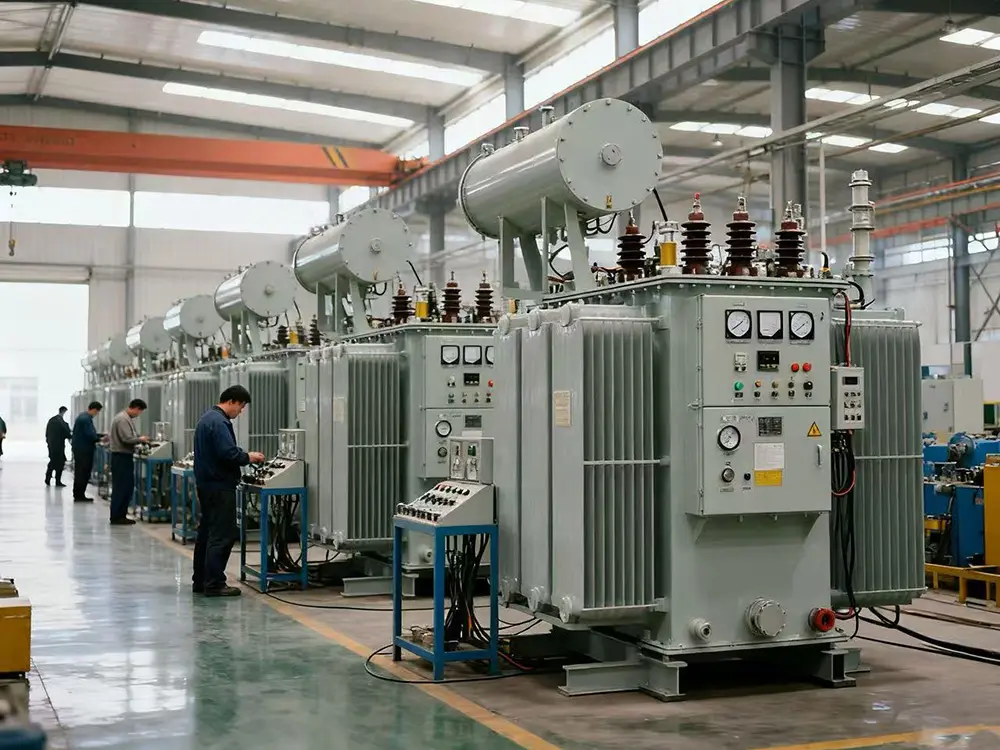
A rigorous step-by-step production flow ensures high standards of insulation, mechanical stability, and efficiency.
High-precision slitting of silicon steel coils using automated CNC equipment to minimize edge burrs.
Winding the raw magnetic cores using specialized 3D core winding machinery to guarantee optimal density.
Relieving mechanical stresses within the silicon steel to restore magnetic performance and lower core losses.
Layering copper or aluminum conductors with high-grade insulation paper, followed by final core-coil assembly.
Extracting residual moisture from the insulating paper and core structures under high vacuum and heat.
Vacuum oil-filling to eliminate air pockets, ensuring optimal dielectric strength and thermal dissipation.
Rigorous electrical tests, including impulse voltage, load loss, and heat rise tests, validating performance prior to shipment.
Certified high power transformers shipped worldwide to power industrial grids.
When purchasing industrial-grade electrical equipment, B2B procurement managers look for value and reliability rather than simply choosing the lowest bid. To optimize your capital expenditure (CAPEX) and operating expenses (OPEX), evaluate the following key parameters:
1. Efficiency Standards: Verify compliance with international standards such as IEEE C57, IEC 60076, or local minimum energy performance standards (MEPS). Sourcing high-efficiency designs like amorphous alloy cores helps lower ongoing utility bills.
2. Thermal Dissipation & Insulation Class: Insist on designs engineered with high-temperature insulation class ratings. Proper thermal design, including efficient corrugated sheet radiators, helps prevent hot spots and premature failure.
3. Supply Chain Transparency: Work with manufacturers who manage the entire production chain. Control over material cutting, winding, and final testing ensures consistent output quality and reliable delivery schedules.
Get answers to common questions about selecting, operating, and sourcing high-power transformer equipment.
Discover our complete line of industrial power equipment, transformer cores, and assembly machinery.