
Explore our core industrial offerings, delivering micron-level precision and exceptional thermal efficiency for power grid grids worldwide.
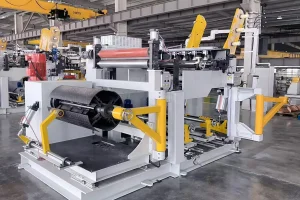
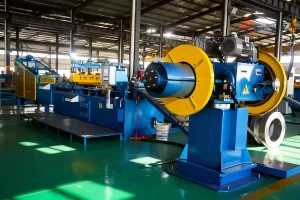
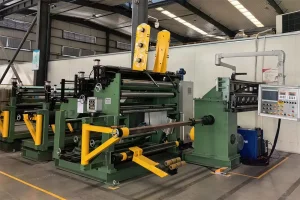
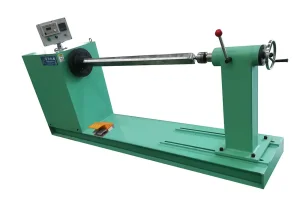
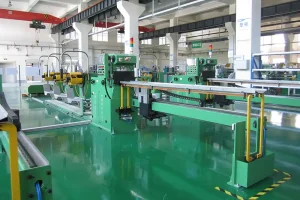
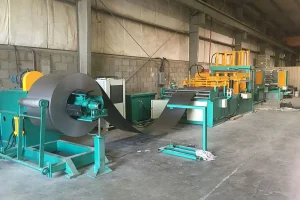
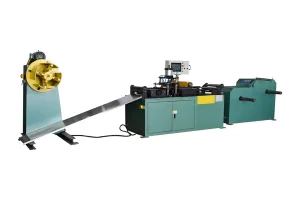
In the modern power transmission and distribution sector, efficiency is no longer just a regulatory benchmark—it is a critical operational survival factor. The Transformer Ki Core and high-performance wound cores represent the pinnacle of this efficiency drive, dramatically mitigating no-load losses (core losses) and optimizing magnetic flux continuity.
Traditional stacked core structures, though widely utilized historically, suffer from significant air-gap losses and high excitation current demands. By contrast, 3D wound cores, amorphous alloys, and precision-sheared silicon steel layouts present a continuous magnetic path. This configuration eliminates sharp 90-degree corner joints where magnetic fluxes typically escape or encounter high resistance, thereby slashing no-load loss factors by up to 30% to 50% relative to standard stacked core variants.
"As global utility grids adapt to fluctuating renewable energy generation, the demand for highly efficient magnetic paths with minimal magnetostriction-induced noise has elevated 3D wound cores to a standard requirement for next-generation substations."
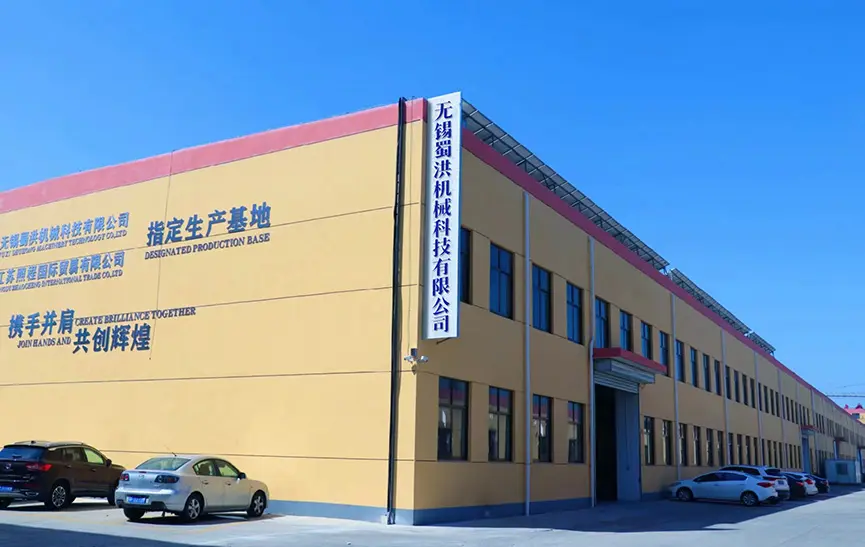
Delivering state-of-the-art machinery that bridges material science with precision mechanical automation to support modern energy infrastructure.
Processing high-grade grain-oriented silicon steel requires machinery that prevents mechanical stresses. Shuhong's CNC cross-cutting lines ensure minimal burr formation, keeping magnetic domains perfectly aligned to support low-loss operations.
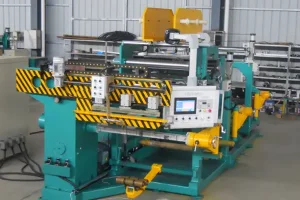
Foil winding replaces traditional wire copper loops with thin sheet structures, ensuring a high filling factor and superior short-circuit strength. Our dual-layer and multi-layer winding machines handle foil alignment and tension controls seamlessly.
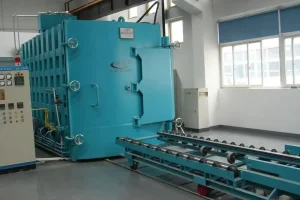
Shearing and cutting cause mechanical stress at the edges of silicon steel, degrading magnetic permeability. Our vacuum annealing systems relieve internal crystal lattice tensions without causing surface oxidation, restoring ideal magnetic performance.
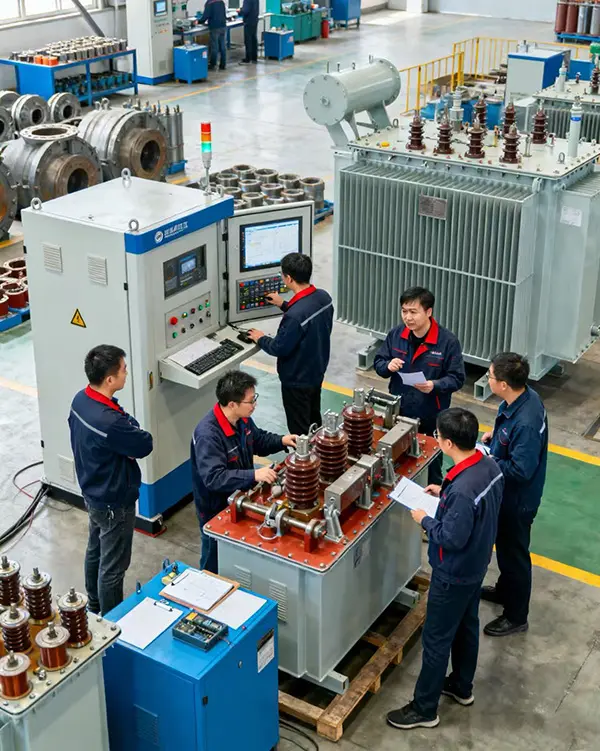
Situated on the scenic shores of Taihu Lake in Wuxi, Jiangsu province, Shuhong Machinery is a prominent developer of modern electrical and plastic processing machinery.
Guided by our founder's decade-long experience in frontline technical management, we recognized the shift in domestic machinery from general manufacturing to high-end, intelligent engineering. Shuhong Machinery has developed key technologies to meet the strict requirements of power distribution grids, including the State Grid Corporation of China (SGCC).
Our technical focus has yielded key machinery achievements: our standard transformer configurations lower operating temperatures by 30% and boast a 15-year operational lifespan under demanding industrial loads.
During a technical collaboration for the State Grid, our founders observed that traditional stacked core transformers often suffered from localized heating issues and premature degradation under variable load conditions.
These issues typically stemmed from inconsistent mechanical processing of laminations and uneven coil tension during winding. To address this, the Shuhong team designed a series of high-precision foil winding machines and 3D wound core curve-cutting systems that minimize manual errors. Our research and development cycles led to a 15% reduction in excitation current requirements, providing clients with immediate savings in operational energy costs.
Providing durable, high-efficiency electrical equipment that supports global carbon reduction targets.
Improving manufacturing precision to optimize energy efficiency in global power distribution.
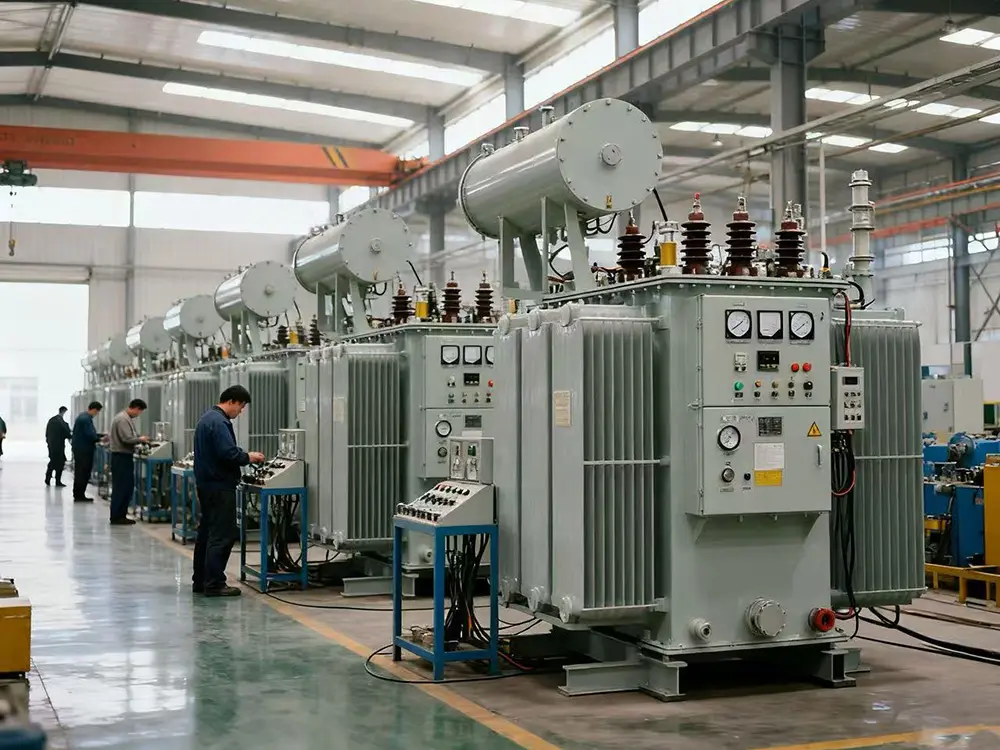
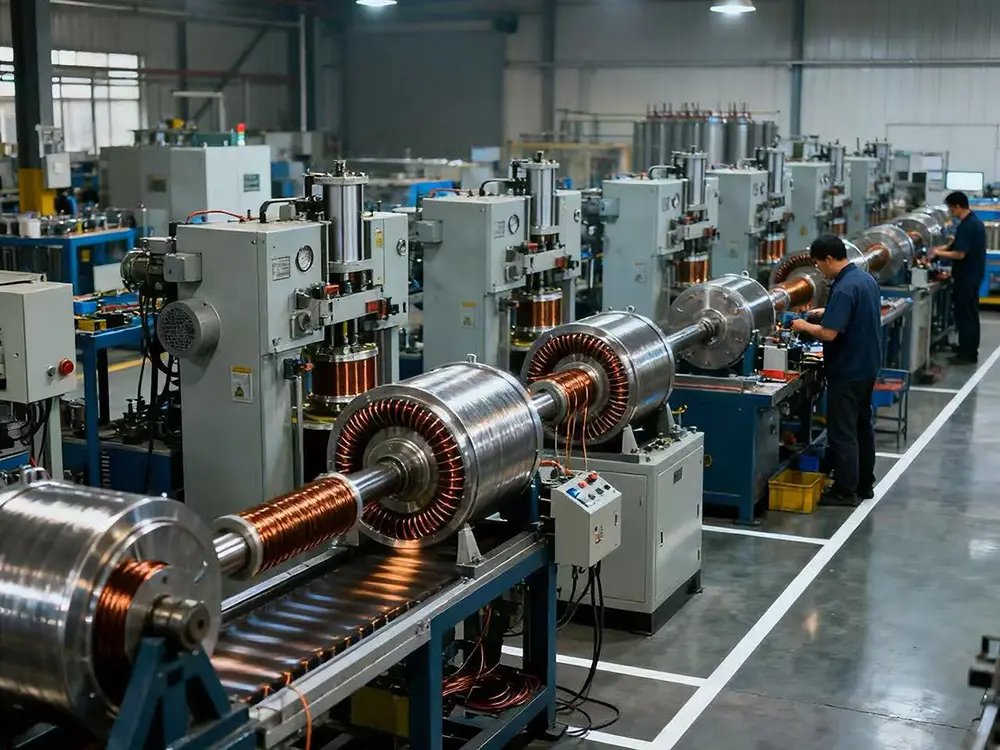
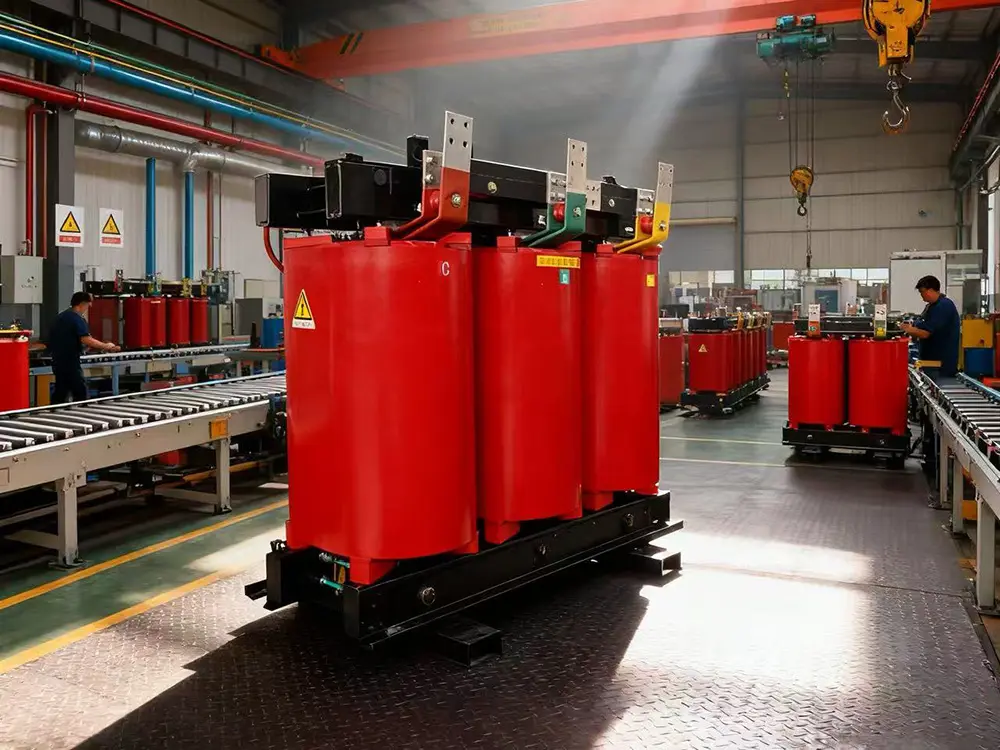
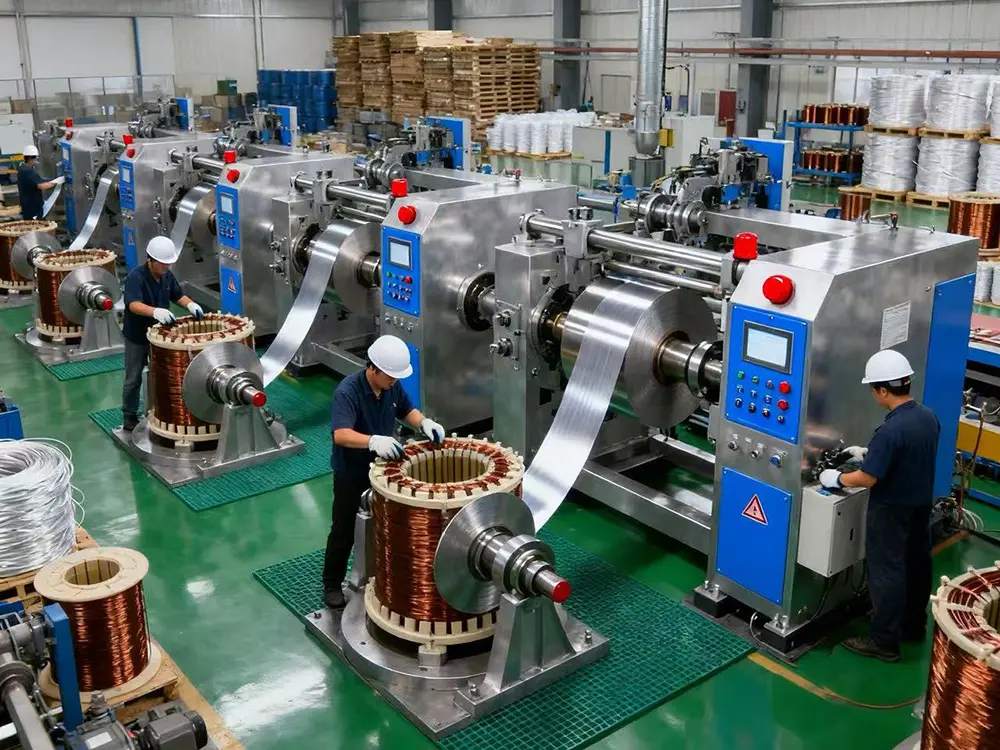
From raw material preparation to final electrical testing, Shuhong Machinery oversees every stage of production to maintain strict quality standards.
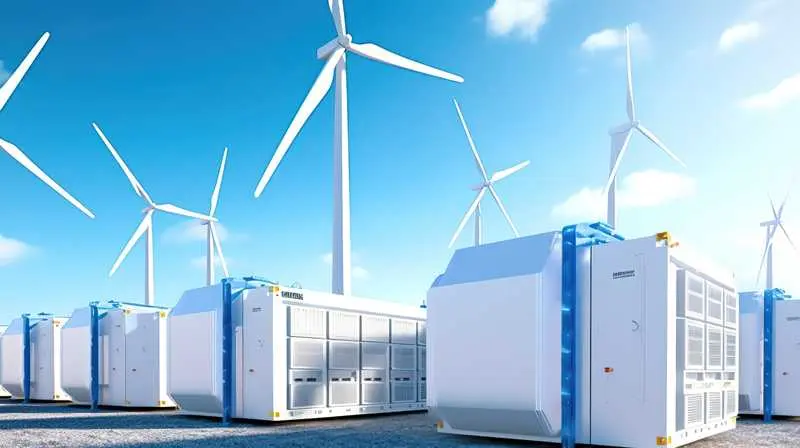
Our manufacturing process integrates structural simulation with automated machining. Standard raw silicon sheets are processed via automated cross-cutting lines to minimize burrs, followed by precision winding under dynamic tension control systems.
The wound cores undergo thermal processing in high-vacuum annealing furnaces to repair grain structures deformed during cutting. Next, low-voltage and high-voltage foil windings are applied, followed by vacuum drying and hot oil immersion to ensure insulation integrity and long-term durability.
Wuxi Shuhong Machinery operates under a "People-Oriented, Collaborative Innovation" management philosophy, which forms the foundation of our engineering success.
Our training programs prepare engineering teams for the design challenges of the smart grid era. We support inter-departmental collaboration, linking physical R&D directly with on-site assembly operations. Our performance systems reward technical updates that improve production accuracy or reduce material waste, ensuring a culture of continuous improvement.

Ensuring machinery and products comply with major national and international standards, including IEC, IEEE, and GB requirements.
Our transformer cores and winding systems are engineered to meet IEEE C57 and ANSI C57 guidelines, focusing on high temperature stability and low-loss metrics.
Fully compliant with EU Eco-design guidelines (IEC 60076 series). Our manufacturing lines minimize load losses to meet regional carbon-reduction requirements.
Designed for harsh environment compatibility, with high-humidity protection and customized structural insulation suitable for rural electrification programs.
Wuxi Shuhong Machinery is focusing its research on the integration of automated diagnostics, advanced materials, and Internet of Things (IoT) technologies.
Integrating thermal and vibration sensors directly into the transformer structure for real-time performance tracking.
Developing specialized cutting lines for ultra-thin amorphous ribbons to further reduce core losses.
Upgrading winding systems with real-time feedback loops to ensure consistent winding tension across complex geometries.
Answering key technical questions from purchasing managers and electrical design engineers.
A: 3D wound cores (often referred to as Ki cores or roll cores) feature a continuous ribbon structure that eliminates corner joints. This design minimizes the air gaps that cause high magnetic resistance (reluctance). The resulting configuration offers a 30% reduction in no-load loss, lowered magnetostriction-induced noise, and lighter core weights, helping utility grids meet modern efficiency requirements.
A: Foil winding uses wide copper or aluminum sheets rather than individual wires. This design improves the copper-filling factor, helps eliminate hot spots, and provides superior mechanical strength under short-circuit stresses. Dynamic tension controls on our winding machines help prevent alignment issues and insulation wear.
A: Mechanical operations like shearing or winding introduce structural stress that disrupts the crystal lattice of grain-oriented silicon steel, reducing its magnetic permeability. Vacuum annealing processes the cores at elevated temperatures, relieving internal stresses without causing oxidation, which helps restore optimal low-loss performance.
A: Our winding equipment uses closed-loop magnetic powder brakes and servo-motor feedback systems. These components monitor foil tension continuously during acceleration and deceleration, preventing core deformation and insulation damage.
A: The system uses automated sheet positioning to produce accurate cuts with burr heights under 0.02 mm. Reducing burr size helps prevent electrical shorting between core laminations, minimizing eddy current losses and localized heating.
A: We offer comprehensive technical assistance, including factory training, virtual debugging support, and on-site setup. We also help adapt our equipment interfaces to meet local electrical safety codes and grid standards.
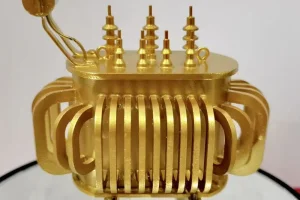
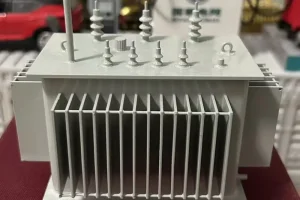
Heavy industrial equipment designed for high throughput, precise thermal treatment, and durable coil configuration.
Connect with Wuxi Shuhong's technical sales team to request machinery evaluations, project quotes, or customized equipment specifications.
Contact Our Engineering Team