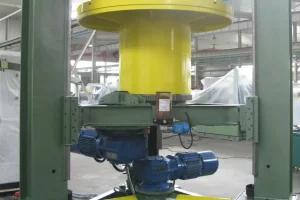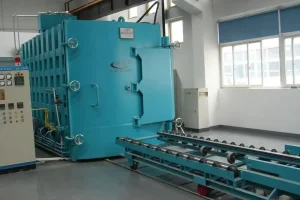
Direct supply of precision winders, 3D cutting systems, vacuum furnaces, and automated welding machinery engineered for global power grid standards.
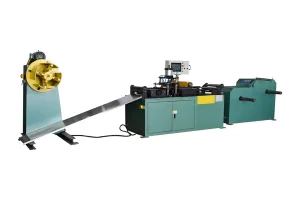
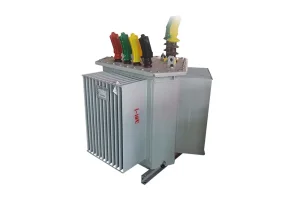
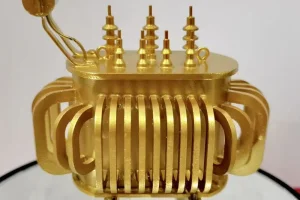
A comprehensive analysis of high-voltage coil manufacturing paradigms, technical execution, and procurement criteria.
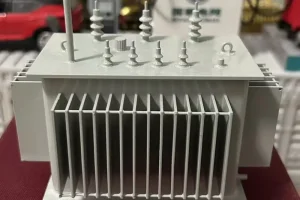
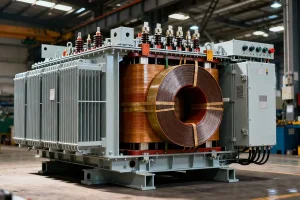
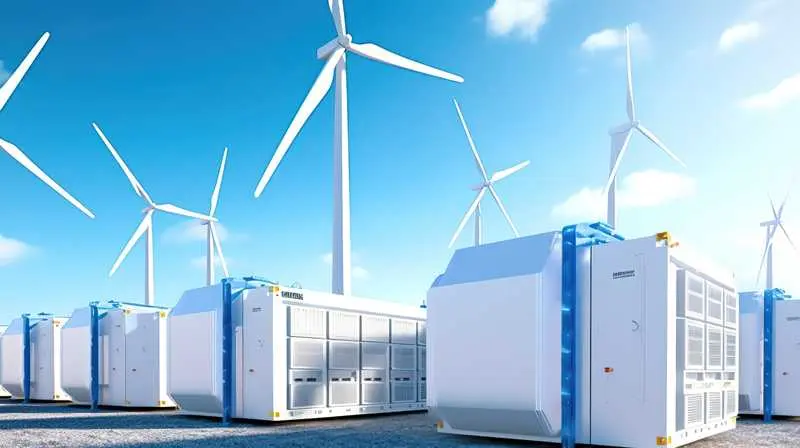
As the international community transitions toward a decarbonized energy framework, the modernization of power distribution infrastructure has become paramount. Ultra-High Voltage (UHV) and High-Voltage (HV) power systems are expanding rapidly to accommodate renewable energy feeds from remote offshore wind fields and massive photovoltaic arrays. At the heart of this grid optimization sits the power transformer. To survive decades of severe mechanical, thermal, and electrical stresses, these transformers require coils wound with absolute precision. Modern HV winding machines are no longer mere rotators; they are highly synchronized, multi-axis, digitally controlled manufacturing centers that directly dictate grid stability.
Manufacturers worldwide face strict regulations regarding transformer core losses, load efficiency, and overall operational longevity. This regulatory environment has caused a shift from legacy manual processes to automated, high-precision winding equipment. Consequently, procurement agencies in Europe, the Americas, and APAC are seeking long-term relationships with verified original equipment manufacturers (OEMs) capable of engineering heavy-duty, zero-defect machines that support high slot fill factors and minimize internal partial discharge (PD) vulnerabilities.
Achieving extreme precision in high-voltage wire processing requires continuous coordination of several physical parameters:
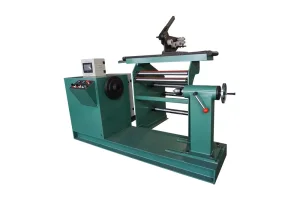
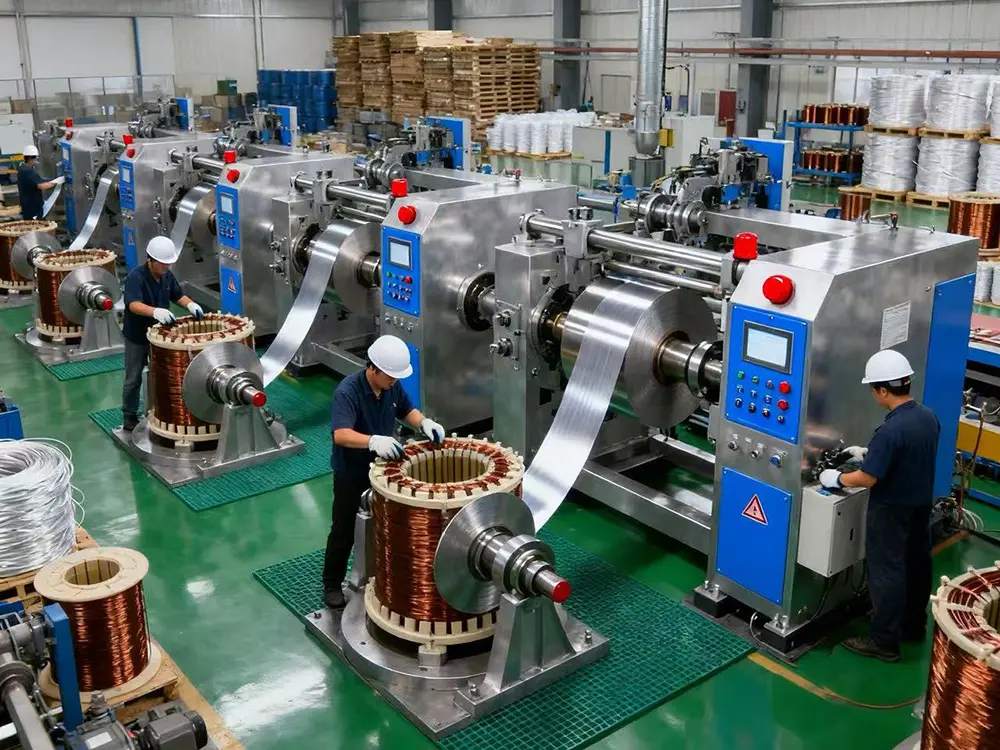
Closed-Loop Servo Tension Control: High-voltage coils utilize thin rectangular or round copper and aluminum wires with delicate paper or enamel insulation. Any spike in tension can stretch the wire, reducing its cross-sectional area and causing hot spots. Conversely, low tension causes loose turns, which can lead to mechanical failure during a grid short-circuit. Advanced winding systems use closed-loop active servo control loops that adjust tension dynamically within ±1% of the target value.
Precision Axial Wire Arranging (Spooling): Modern machines use high-precision ball screw drives powered by absolute encoders to coordinate the wire guide with the spindle rotation. This prevents overlapping, gaps, and friction between wire layers, preserving insulation and ensuring consistent layer-to-layer voltage distribution.
Adaptation for Planar & 3D Triangular Cores: The industry is shifting from traditional flat, stacked cores to 3D triangular wound cores. This change requires winding machines that can handle irregular paths and variable winding angles while maintaining consistent compression. The result is a more compact transformer design with lower no-load losses and reduced noise.
Deeply Developing the Machinery Industry, Empowering the Future of Energy.
Located on the shores of Taihu Lake in Wuxi, Wuxi Shuhong Machinery Technology Co., Ltd. has established a strong reputation in the industrial machinery sector since its founding in 2018. The company focuses on technical innovation and customer service to provide advanced solutions in electrical and plastic machinery design.
Shuhong Machinery began with its founder's hands-on experience in machinery manufacturing. Having spent over a decade working in roles ranging from front-line technical engineering to plant management, the founder observed the domestic machinery sector's transition toward energy-efficient, automated upgrades.
Through collaboration on key grid infrastructure projects, the team recognized that traditional transformer designs often struggled with heat dissipation and service life. In response, they invested in developing high-efficiency, energy-saving transformers and winding equipment, creating systems that reduce temperature rise by 30% and provide a service life of up to 15 years.
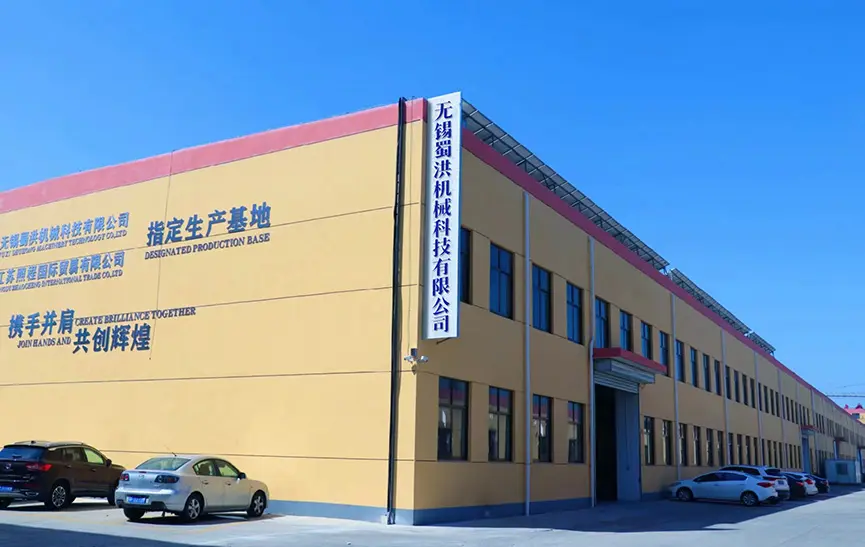
Shuhong Machinery manages a complete in-house process encompassing R&D, design, production, sales, and post-installation support. The company's focus on insulation materials and temperature control has helped its products meet national grid specifications and international safety standards.
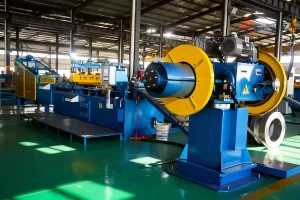
To date, the company has supplied machinery and components to over 2,000 substations, supporting both traditional grids and renewable energy installations. Its manufacturing facility is equipped with CNC machining centers, automated welding bays, and high-precision testing rooms to ensure consistent quality across all production batches.
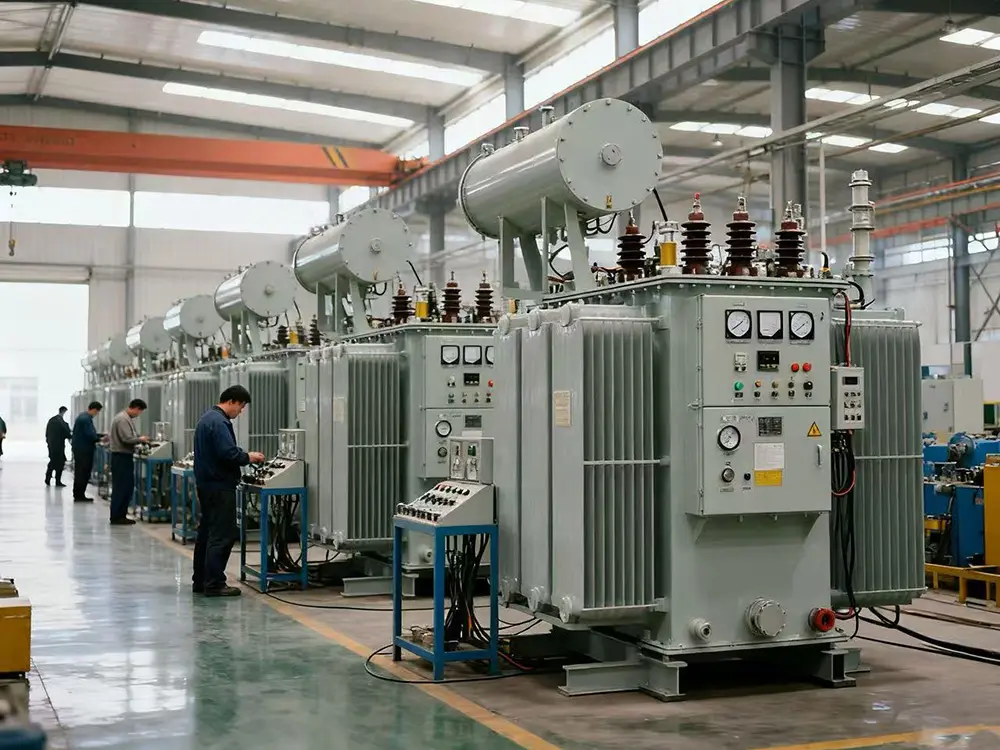
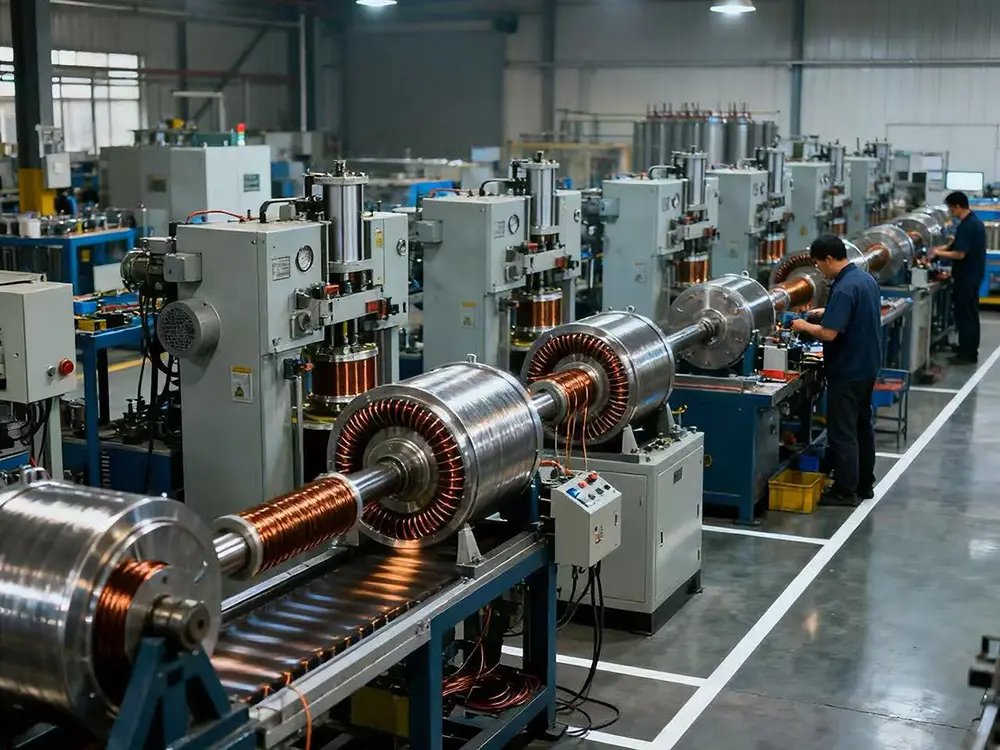
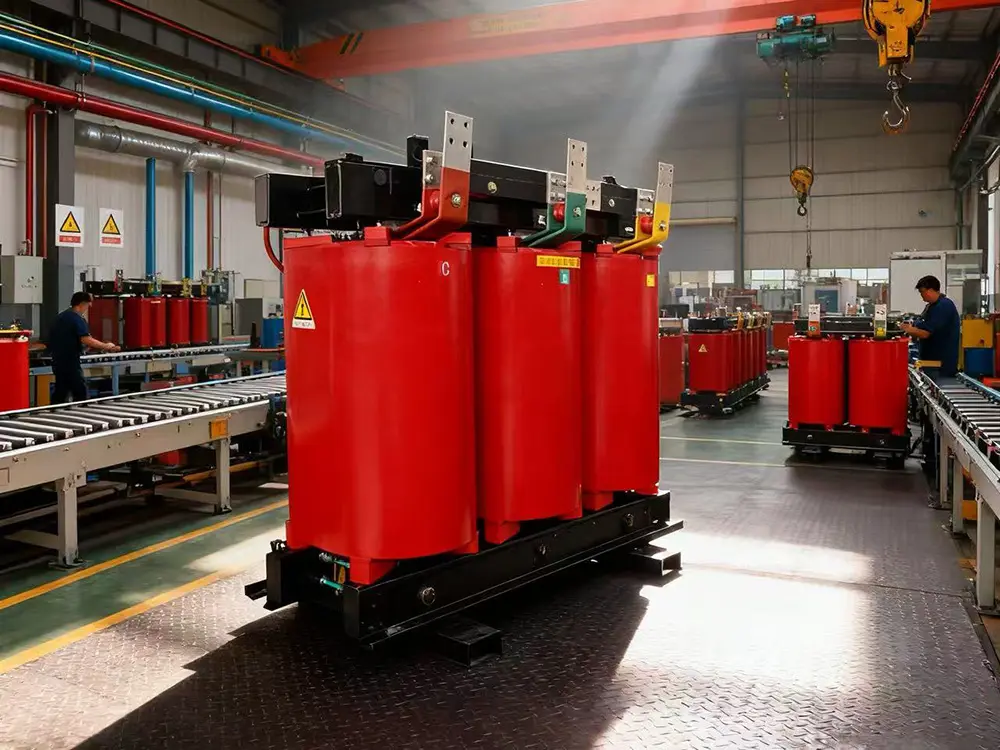
Shuhong Machinery follows a "People-Oriented, Collaborative Innovation" philosophy. The company implements structured training programs for its engineering, quality control, and assembly teams, encouraging participation in international trade shows and academic seminars.
To keep project timelines on track, the company uses an agile project management system to coordinate work between R&D, manufacturing, and quality assurance. A performance-based incentive system aligns team efforts with the delivery of high-performance equipment for clients.
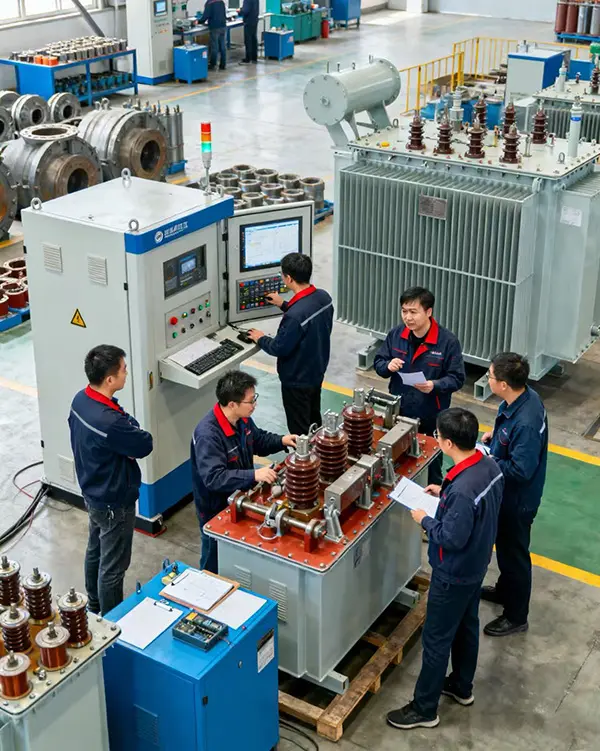
Our systematic manufacturing process ensures that every piece of high-voltage winding equipment meets tight dimensional and electrical tolerances.
Each step in our production sequence is monitored to prevent defects from reaching subsequent stages. We start with certified raw materials, which are cut and prepared before undergoing stress-relief annealing. Our winding setups maintain consistent tension throughout the process, which is essential for ensuring long-term insulation reliability under varying electrical loads.
Looking ahead, Shuhong Machinery plans to expand its research into automated winding technologies, focusing on integrating digital monitoring systems. These tools allow real-time monitoring of winding parameters to verify that insulation and tension stay within specified limits.
The company continues to develop international service networks to assist global clients with installation, commissioning, and regular maintenance. Our remote diagnostic systems enable engineers to troubleshoot software and calibration issues, helping to minimize operational downtime.

Expert insights on tension control, core geometry, and quality assurance during high-voltage coil production.
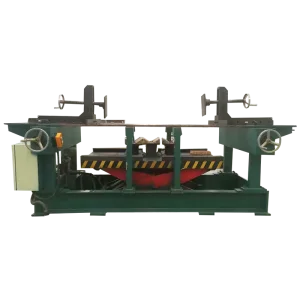
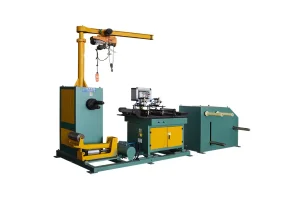
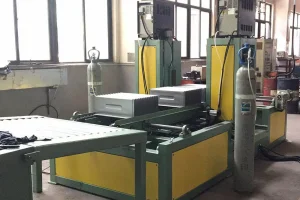
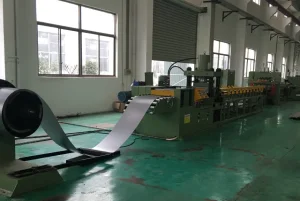
Explore our range of stacked core components, CNC line tools, vertical winders, and sheet-welding installations.