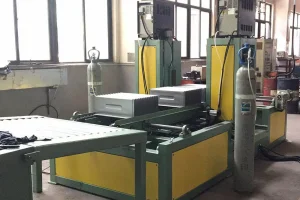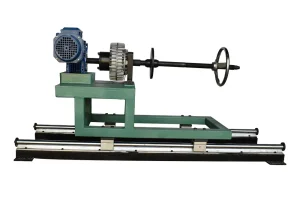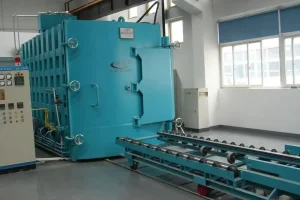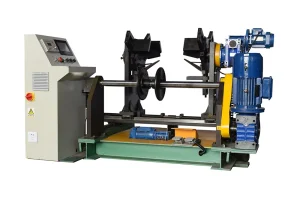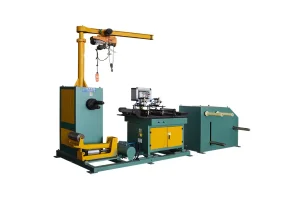
Explore our leading selection of high-efficiency machinery designed to optimize distribution transformer core production and material processing.
A deep dive into materials science, losses mitigation, and factory-level optimizations driving grid modernization.
Within a modern power distribution network, transformers act as crucial nodes. The performance of these systems is fundamentally limited by the magnetic efficiency of their core assemblies. Historically, standard Cold-Rolled Grain-Oriented (CRGO) steel cores have dictated the limits of thermal dissipation and magnetic flux density. However, with the onset of strict decarbonization mandates and grid efficiency goals, manufacturers are shifting focus toward advanced structural forms such as three-dimensional (3D) wound cores and amorphous metal alloys.
By optimizing the crystalline orientation and reducing mechanical stress during manufacturing processes, modern factories can achieve unprecedented reductions in no-load loss (hysteresis and eddy current losses). Achieving this requires precision engineering throughout the entire industrial value chain—from automated steel slitting to vacuum annealing and robotic winding.
Modern distribution transformer cores are engineered to reduce core temperature rises by up to 30% and extend operating lifespans to over 15 years, ensuring long-term grid stability and reduced total cost of ownership (TCO).
How our integrated factory processes and machinery line-ups resolve modern distribution challenges.
Utilizing continuous roll technology to eliminate air gaps in the magnetic path, reducing excitation currents and acoustic noise level metrics significantly compared to traditional stacked core types.
Direct sourcing from advanced Chinese clusters lowers initial capital expenditures without compromising steel grade standards, providing a premium performance-to-cost ratio.
Integrating state-of-the-art vacuum annealing furnaces to eliminate mechanical stresses introduced during slitting and winding, restoring optimum magnetic domains.
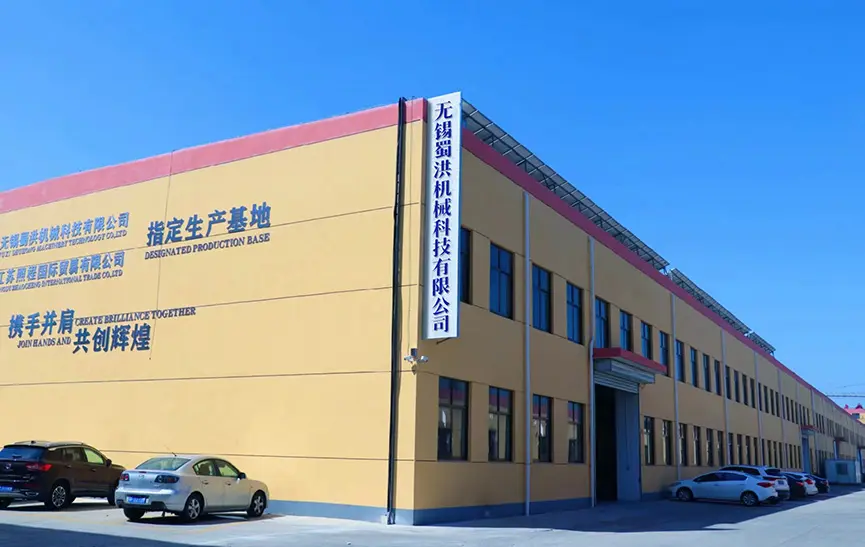
Established in 2018 at the heart of China's advanced manufacturing basin near Taihu Lake, Wuxi Shuhong Machinery Technology Co., Ltd. has grown from a specialized technical pioneer into a global vendor.
Our founder spent more than a decade in front-line heavy machinery engineering and operational management. During this tenure, they witnessed a historical shift as domestic power transmission machinery transformed from following standard patterns to pioneering high-value innovations alongside international peers. Observing the rise of renewable energy integration, the founder identified structural flaws in traditional transformer cores—specifically poor heat dissipation, accelerated aging of insulating layers, and elevated no-load core losses.
By establishing a dedicated research and development facility in Wuxi, Shuhong Machinery overcame initial technical barriers to produce advanced wound cores. Over continuous development cycles, our engineering teams created core structures displaying a 30% reduction in thermal dissipation rises, pushing average equipment operation lifespans beyond 15 years.
Today, our full industrial layout covers research, design, production, testing, and comprehensive after-sales support, establishing us as a trusted partner for regional substations and global distributors.
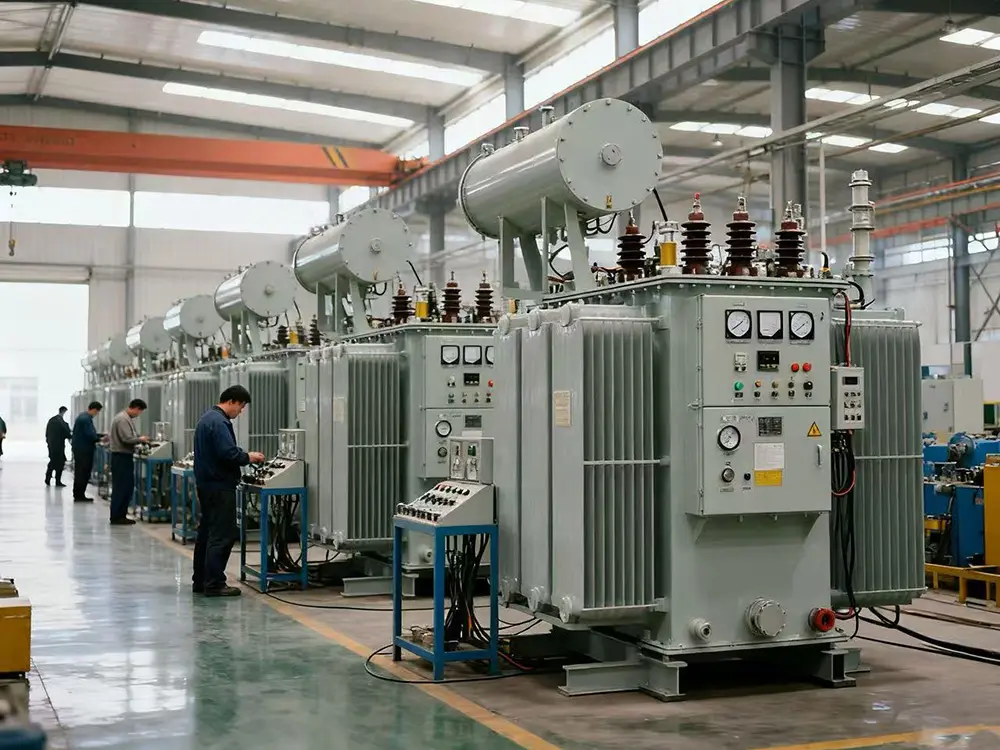
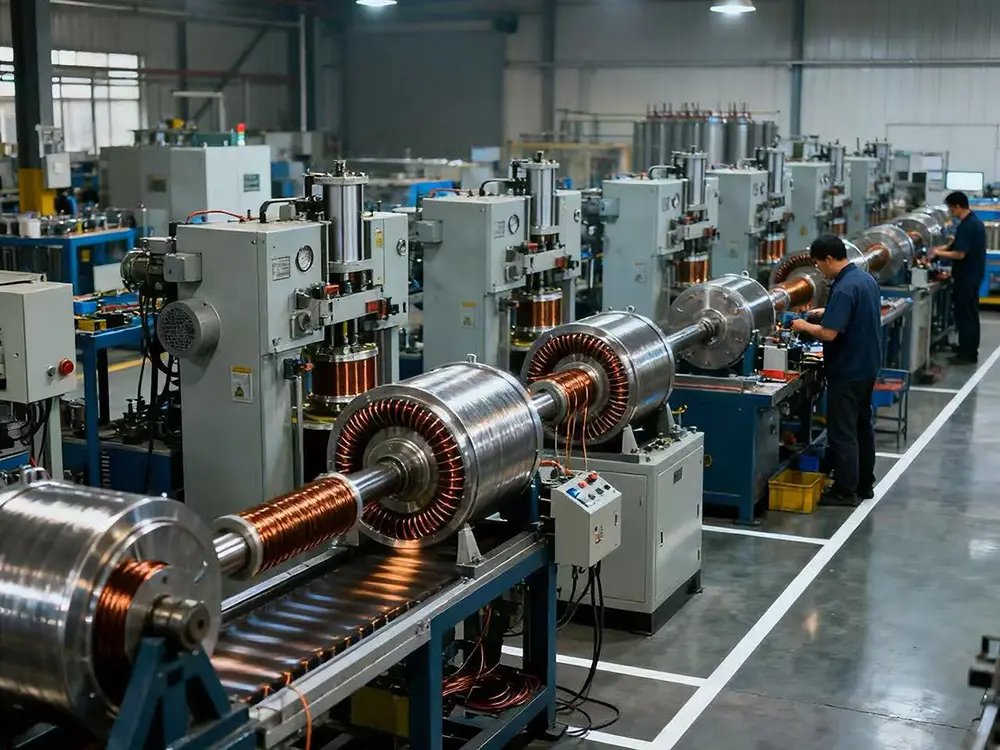
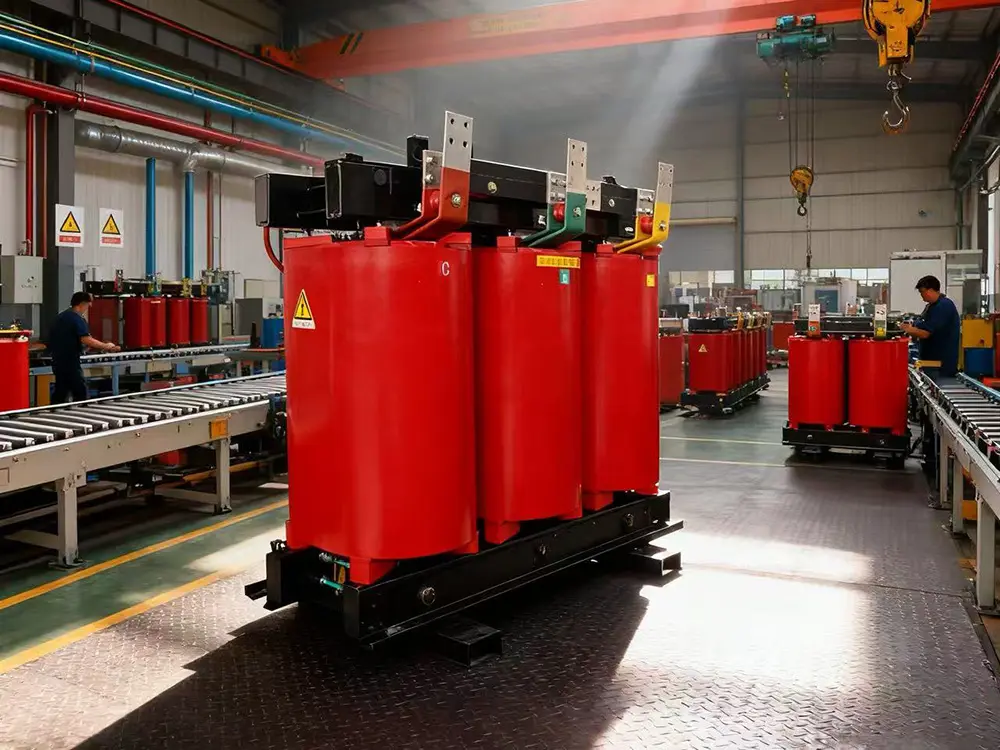
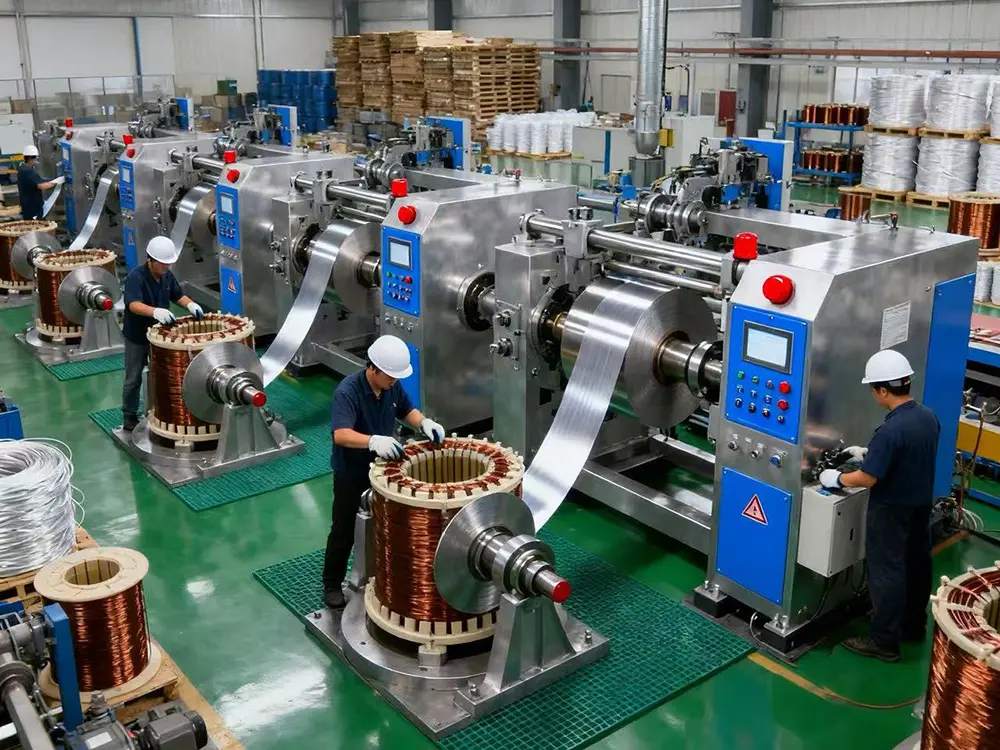
Custom core processing technologies optimized for distinct operating conditions across global sectors.
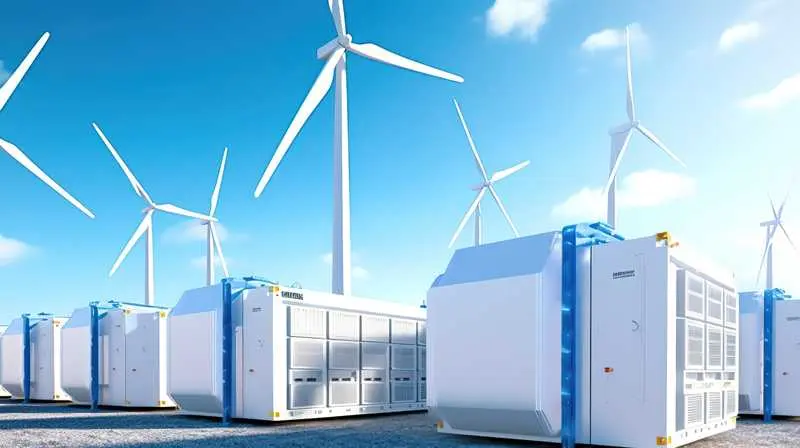
Wind and solar installations generate highly variable, harmonic-rich electrical loads. Our 3D wound cores minimize harmonic excitation losses, preventing core saturation and reducing local thermal hotspots in remote step-up substations.
Urban distribution requires exceptionally quiet transformer setups. By eliminating standard butt joints through precise rolling paths, our core structures dramatically drop acoustic emission levels to meet strict municipal noise guidelines.
Furnace facilities and petrochemical refineries depend on constant, high-power uptime. The thermal efficiency of our silicon steel processing ensures stable operation under severe cyclical overloads, preventing emergency shutdowns.
Tracing the evolution of electromagnetic efficiency and next-generation smart distribution cores.
Focusing on refining cold-rolled grain-oriented steel sheets, deploying thinner laminations (e.g., 0.23mm to 0.18mm) and laser-scribing processes to restrict magnetic domain movement, pushing hysteresis losses down to standard limits.
Advancing amorphous alloy ribbons containing non-crystalline structures. By eliminating grain boundary resistance, these configurations achieve up to a 75% decrease in no-load losses compared to standard silicon steel grades, perfect for light-load grids.
Developing structural cores embedded with optical fiber temperature sensors and magnetic flux detection loops. This enables real-time grid diagnostics, allowing utility operators to predict core aging and monitor overload thresholds dynamically.
Why manufacturing partnerships in regional clusters like Wuxi offer unprecedented global logistics and design flexibility.
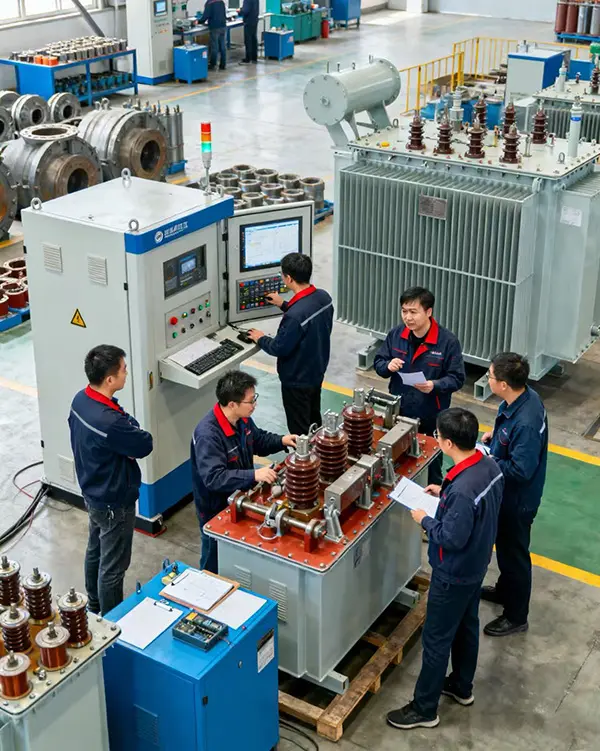
Operating from Wuxi, Jiangsu province, places Shuhong Machinery in the heart of China's most robust industrial machinery ecosystem. This geographic placement provides direct, cost-optimized access to premium grain-oriented silicon steel mills, professional mechanical engineers, and specialized heat treatment facilities. By maintaining the entire development sequence—ranging from raw slitting to custom winding and final testing—under a single quality management system, we eliminate third-party logistics overheads and structural markups.
Additionally, our local manufacturing clusters are integrated with maritime ports (such as Shanghai and Ningbo), guaranteeing reliable supply chains even during challenging international shipping periods. This vertical integration allows us to offer competitively priced transformer core units and specialized processing machines without compromising the quality of our steel grades or micro-gap tolerances.
Our meticulously managed workflow ensures that every core is built to last and performs efficiently under load.
From the initial precision slitting of raw silicon steel coils to the final insulation testing and oil injection, our processes conform to international standards. Annealing is performed in specialized vacuum furnaces at controlled cooling rates to restore the metal's magnetic characteristics. Our testing procedures include magnetic loss measurement, dimensional verification, and sound-level testing to ensure each unit operates within specifications before delivery.
Analyzing global trends and standardizations governing transformer core procurement.
With an aging utility infrastructure, the US and Canadian markets require direct replacement parts matching strict DOE efficiency levels. Low-loss cores are essential to lower total operating costs over multi-decade cycles.
Strict regulations mandate lower losses for new liquid-filled and dry-type transformers. 3D wound cores are rapidly becoming the standard design choice to satisfy these environmental targets.
Rapid modernization and smart city deployments throughout Southeast Asia demand quick lead times, flexible dimensions, and cost-effective bulk shipping capacities.
Ensuring seamless compliance, certifications, and technical assistance across international markets.
Navigating global electrical standards requires comprehensive technical documentation and verified safety certifications. Shuhong Machinery ensures that all core materials and automated production equipment (such as foil winders and cutting systems) conform to international quality management guidelines. By testing magnetic properties under simulated load conditions, we provide verified test reports for every batch.
For custom engineering requirements, our technical support division works directly with your local engineers. We provide CAD model integration, material specification validation, and on-site setup assistance for specialized equipment, keeping your production lines running efficiently.
Our core production processes and finished assemblies are aligned with major global regulatory systems, including IEC 60076, IEEE C57, and national grid safety specifications.
Technical insights and answers regarding distribution transformer core design, processing, and machinery sourcing.
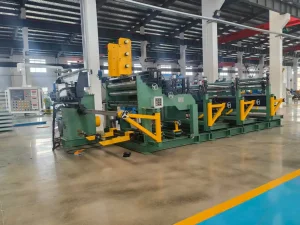
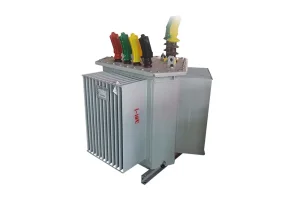
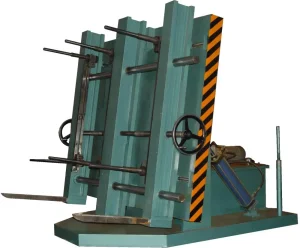
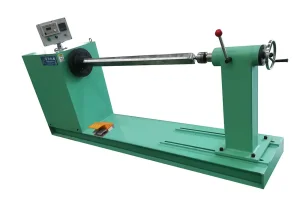
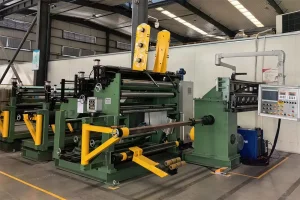
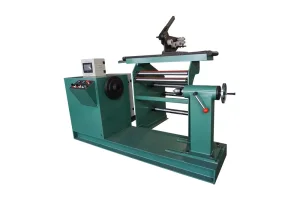
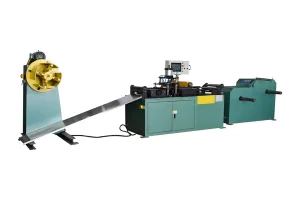
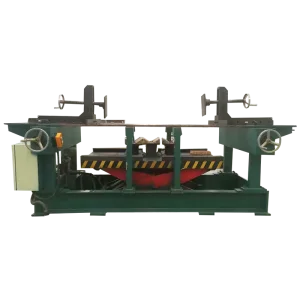
Explore our specialized heavy machinery line-up designed for high-volume coil production, cutting, and structural assembly.
Optimize your grid systems and manufacturing lines. Contact our engineering team for detailed technical data sheets, custom quotes, or equipment specifications.
Contact Our Technical Sales Team