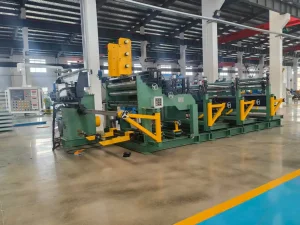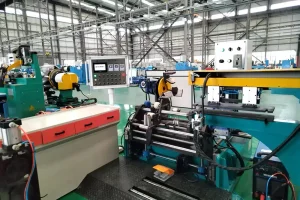
Explore our industrial line of advanced coil winders, core shearing tools, and high-performance transformers.
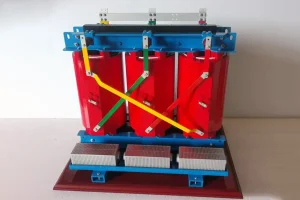
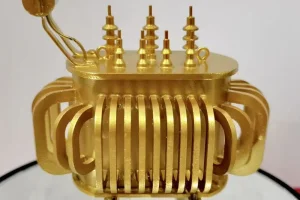
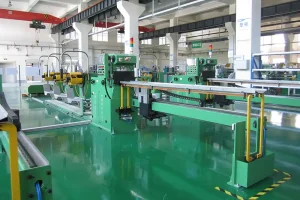
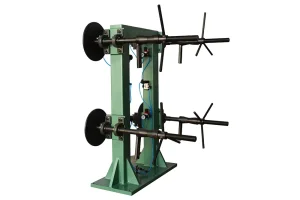
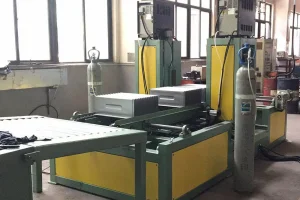
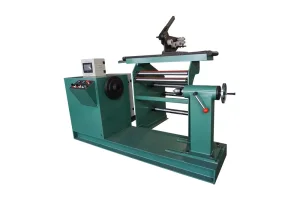
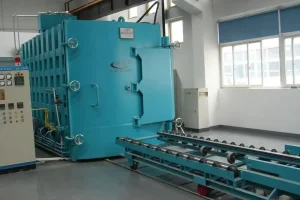
In the global transition toward smart grids, high-frequency power electronics, and electrical mobility, the electromagnetic coil remains the defining element of performance, thermal management, and power density. Commercial off-the-shelf options rarely meet the complex requirements of modern electrical distribution. Custom winding of coil products has evolved from a mechanical wire-layering process into a high-precision science involving thermodynamic design, advanced metallurgy, and digital servo control systems.
By using customized configurations—such as specialized foil winding, layered disk topologies, or high-fill factor rectangular wire layouts—engineers can optimize magnetic flux paths, control parasitic capacitance, and reduce copper losses. Wuxi Shuhong Machinery Technology Co., Ltd. sits at the intersection of these advancements, providing industrial equipment that enables clients to manufacture custom coils with high precision and efficiency.
Consult an Expert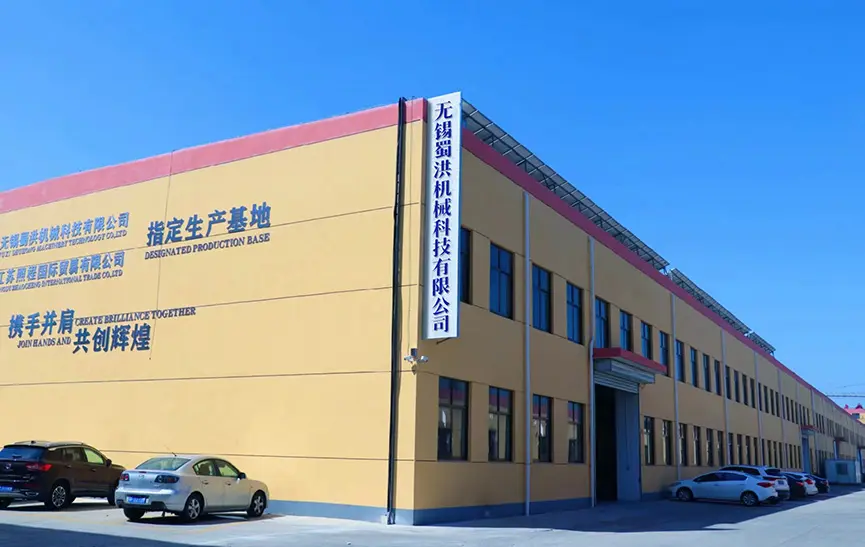
Average reduction in operating temperature rise compared to standard winding topologies.
Design lifespan engineered into every custom transformer coil layout.
Substations worldwide equipped with winding technology engineered by Shuhong.
Deeply Developing the Machinery Industry, Empowering the Future of Energy
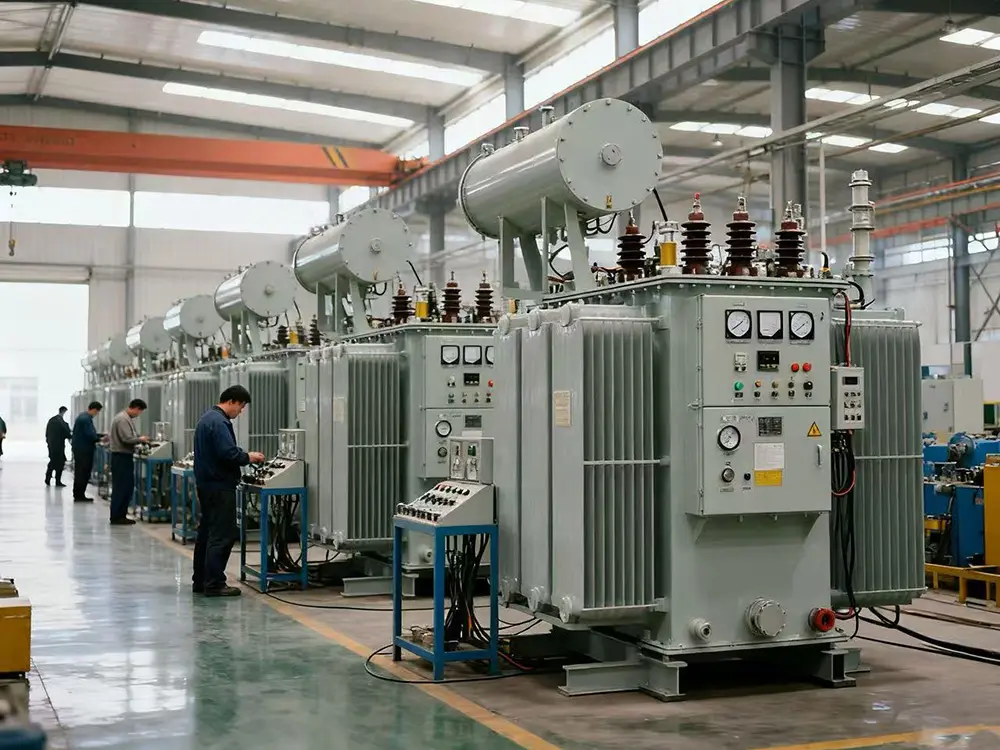
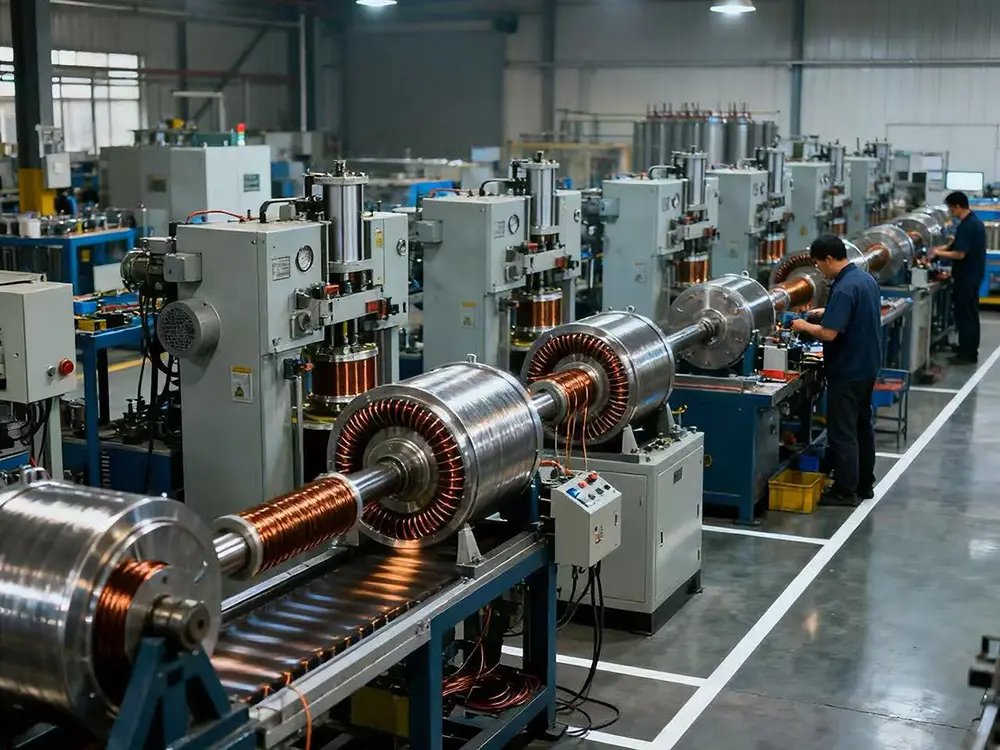
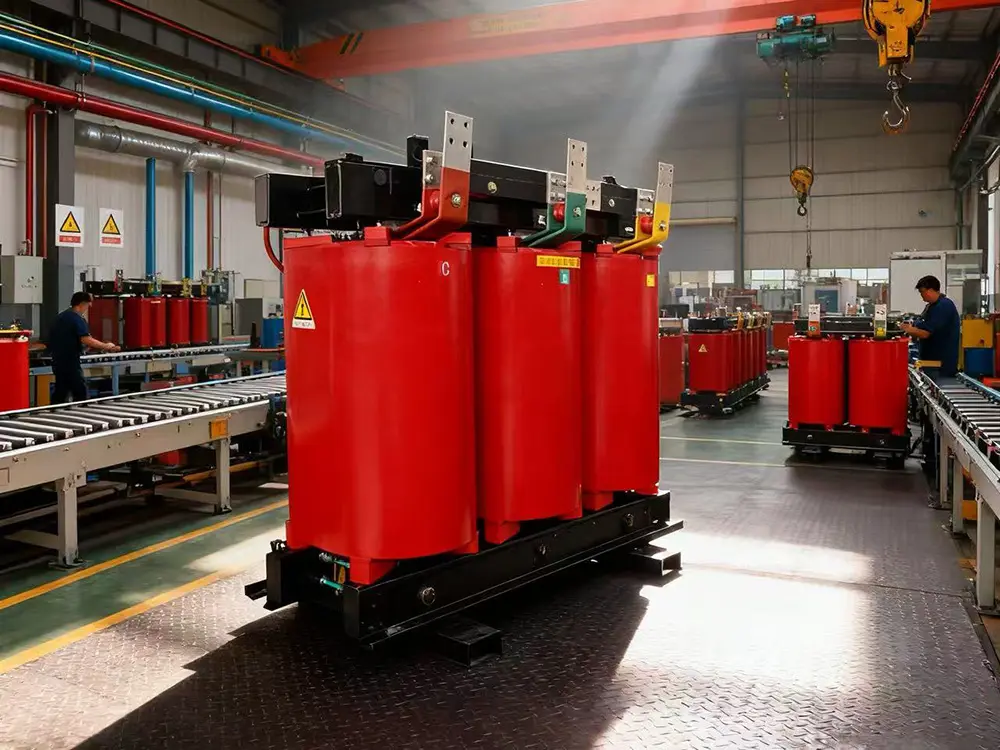
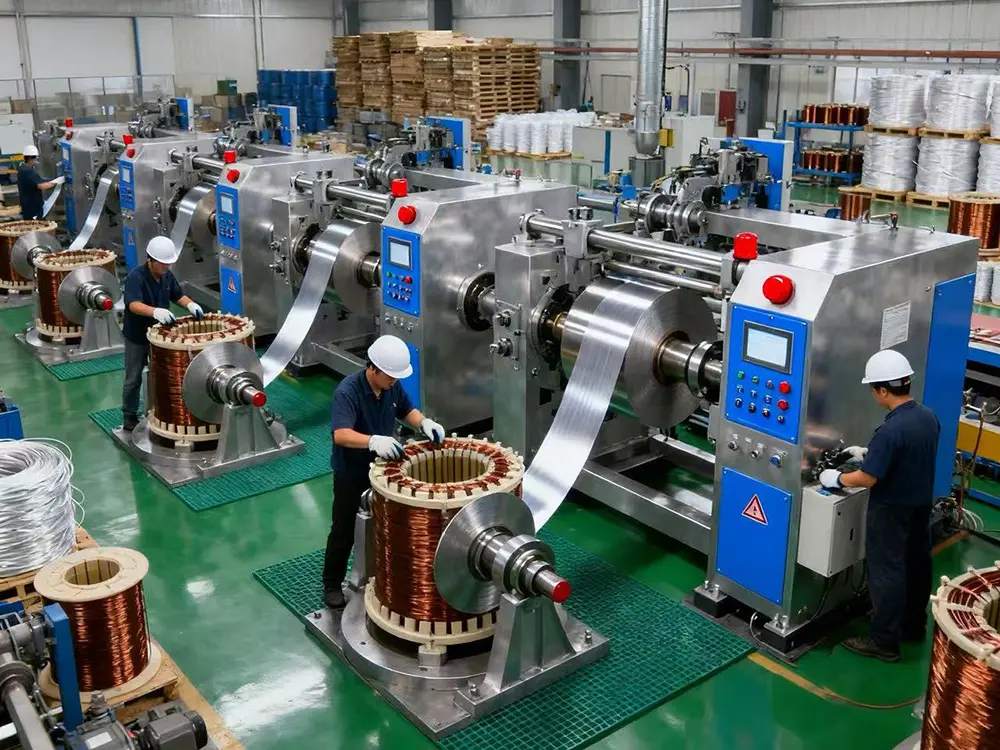
Situated on the shores of Lake Taihu in Wuxi, a region known as the "Land of Fish and Rice," Wuxi Shuhong Machinery Technology Co., Ltd. has established itself as an innovative high-tech enterprise since its founding in 2018. The company focuses on the R&D and manufacturing of high-efficiency electrical equipment and plastic machinery solutions.
The founder's journey began with more than a decade of hands-on experience in mechanical manufacturing, advancing from shop-floor technical roles to senior operational management. During this time, he witnessed domestic machinery systems shift from following global trends to driving new technological standards. Recognizing the critical need for energy-efficient, intelligent updates, he guided the company toward developing high-efficiency, energy-saving transformer winding technologies and specialized machinery.
How Technical Challenges Lead to Optimized Solutions
During a technical exchange for a State Grid project, Shuhong's development team observed that conventional transformers often faced thermal limitations and high power losses due to imperfect heat dissipation pathways within the coil layers. This design flaw contributed to temperature spikes, degraded paper insulation, and reduced the lifespan of substation equipment.
To address this, Shuhong's engineering team worked on modeling thermal dissipation paths in electromagnetic windings. By adjusting the layout of fluid-flow channels in oil-immersed coils and optimizing layer insulation spacing in dry-type systems, they developed a transformer configuration that achieves a 30% lower temperature rise and a 15-year operational lifespan under variable load conditions.
Commercial Realities, Supply Chain Dynamics, and Sector Specifications
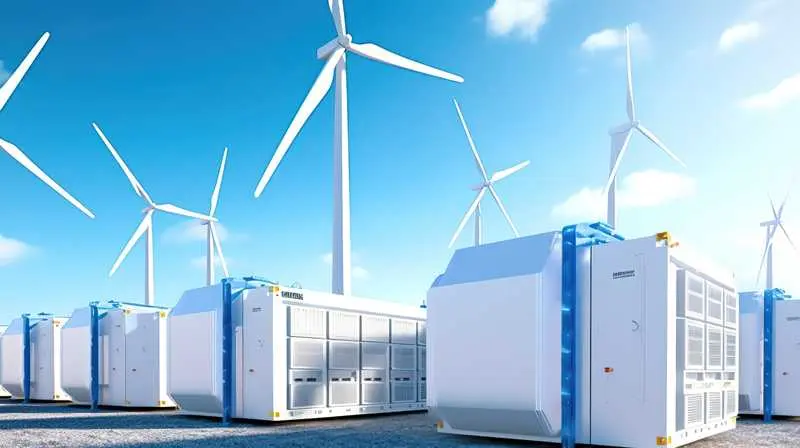
The demand for custom coil winding span across multiple global sectors. Modern power grids require high levels of copper purity and optimized fill factors to minimize line losses. In aerospace and electric vehicle drivetrains, the challenge is minimizing component size and weight while maximizing torque density and thermal dissipation. Below is an overview of regional demands and technical requirements:
| Industry Sector | Primary Technical Metric | Dominant Material Choice | Global Compliance Standard |
|---|---|---|---|
| Renewable Energy (Grid Tie) | Low-voltage ride-through capacity & low eddy current loss | Oxygen-Free Copper Foil / Cast Resin | IEC 60076-11, IEEE C57.12.01 |
| Electric Drivetrains (EVs) | Slot fill factor exceeding 75% | Rectangular Enameled Copper Wire | ISO 21782, UL 1446 |
| Industrial Heavy Machinery | Short-circuit mechanical stress tolerance | Nomex-wrapped flat wire / Helical disk structure | NEMA ST 20, GB/T 1094 |
| High-Frequency Switching | High Q-factor, minimal skin/proximity effect losses | Litz wire / Planar PCB tracks | IEC 61248, MIL-PRF-27 |
Striving for Greater Goals Through Technological Integration
Looking ahead, Wuxi Shuhong Machinery will continue to invest in R&D for advanced winding equipment, focusing on the integration of smart servo controls and real-time tension feedback systems. The next phase of coil design is driven by three main engineering trends:

Full Industrial Chain Layout and Core Technology Advantages
Shuhong manages a complete vertical industrial chain spanning design, engineering, component fabrication, sales, and service, ensuring consistent quality control across all systems.
By using flow-simulation software, our coil configurations are built to minimize thermal bottlenecks, protecting the insulation from early breakdown.
Our foil and wire winders utilize high-precision closed-loop servo controls, maintaining consistent tension and alignment to prevent coil distortion.
A Structured Approach to High-Performance Coil Windings
Collaborative Innovation Built on Professional Expertise
We host regular technical exchanges and provide training programs for our fabrication, design, and quality inspection teams to maintain alignment with international standards.
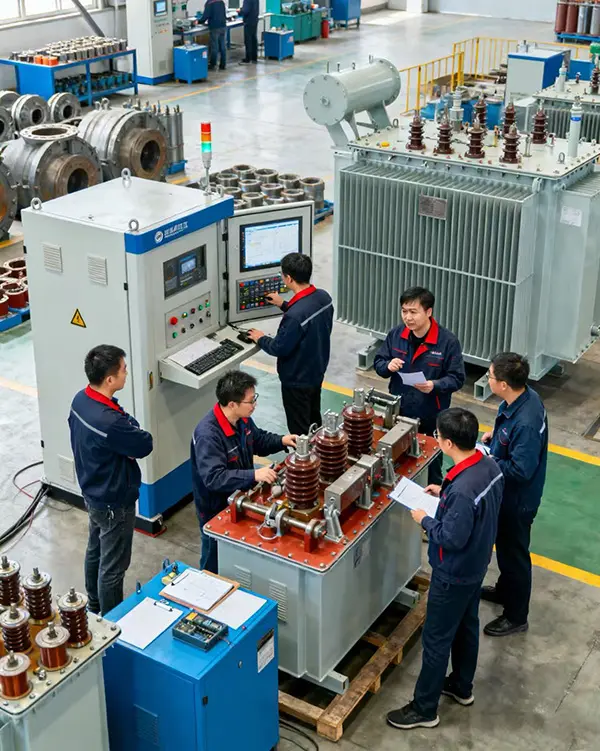
Our design team works alongside production specialists to verify that electromagnetic models transfer accurately to the shop floor, using modern project management tools.
Our performance systems reward innovation and strict adherence to quality specifications, helping our engineers maintain a zero-defect focus in their daily work.
A coil's performance depends on the precision of its assembly. By combining modern design tools with experienced assembly practices, we help ensure our systems operate reliably in challenging industrial and utility environments.
Every piece of machinery that leaves Wuxi Shuhong—whether an automated foil winder, vacuum annealing furnace, or custom core shearing tool—undergoes testing to verify it meets strict operational criteria.
Detailed insights from our electrical engineering team.
Eddy current losses increase with the square of the frequency. Custom winding designs address this by replacing large single conductors with thinner foil layers or Litz wire configurations, which limits the circulation paths of induced currents. Using high-precision CNC shearing machines for amorphous alloy cores also reduces magnetic hysteresis losses.
Foil winding provides a space-fill factor close to 90%, compared to 60-70% for round wires. This high density improves thermal conduction from the inner layers to the outer cooling surface, which helps reduce internal hot spots and increases the coil's resistance to short-circuit mechanical stresses.
Mechanical shearing processes introduce localized stresses that disrupt the magnetic domain structure of silicon steel, increasing core losses. Using a vacuum annealing furnace helps relieve these internal stresses and restores the steel's magnetic permeability, ensuring high electrical efficiency.
Our equipment features high-precision servo controls combined with real-time feedback loops. This system continuously monitors tension and wire placement, making fine adjustments during operation to prevent overlaps, uneven spacing, or insulation damage.
Contact our engineering team to discuss your winding specifications, custom transformer designs, or machinery requirements. We provide technical support from concept through to final validation.
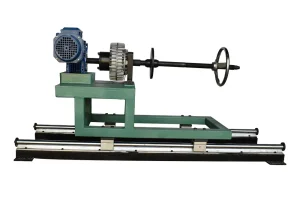
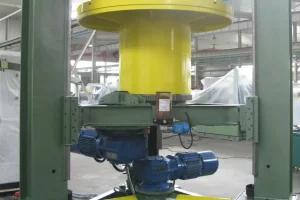
Contact Our Engineering TeamExplore our specialized winders, pay-off stands, and processing equipment designed for custom coil manufacturing.