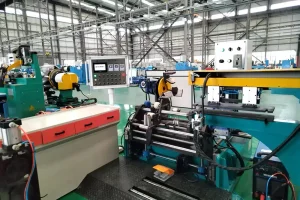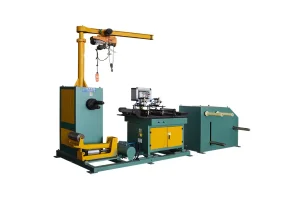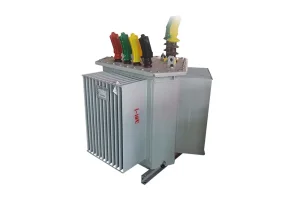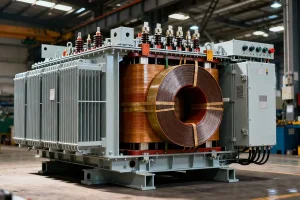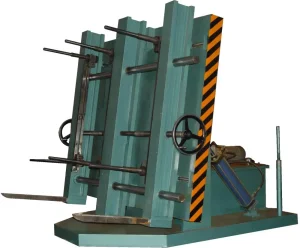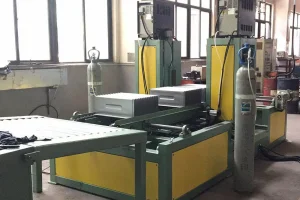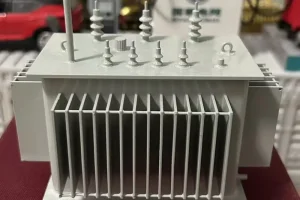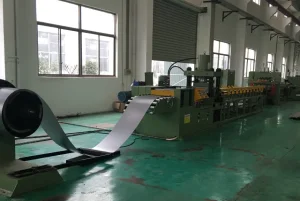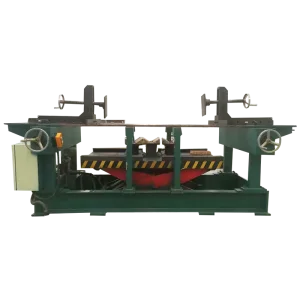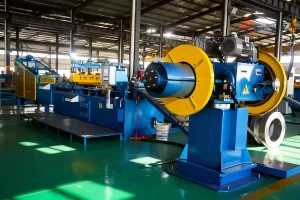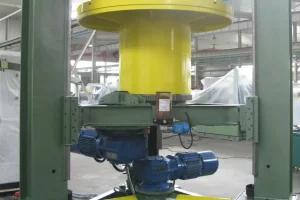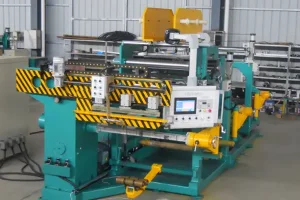
Explore our premium machinery array built for high-precision winding, silicon steel core cutting, and industrial-grade step-up/step-down transformer assembly.
Deep-dive research into high-frequency induction, core material characteristics, and the engineering behind custom voltage transformations.
In modern industrial power grids, electrical transmission efficiency relies heavily on step-up and step-down systems. A custom power transformer does more than alter voltage levels; it stabilizes current, mitigates harmonics, and minimizes excitation losses. At Wuxi Shuhong Machinery Technology Co., Ltd., we focus on this balance. Our designs address magnetic flux leakage, load imbalances, and thermal degradation. Managing voltage levels (ranging from 10kV to 110kV and beyond) requires precise wind ratios and tight core structures. Any misalignment during foil or wire winding can alter impedance, increasing active losses and risking thermal runaway in critical environments.
The foundation of energy efficiency lies in the transformer core. Standard stacked core transformers rely on Cold-Rolled Grain-Oriented (CRGO) silicon steel sheets. While cost-effective, they are subject to hysteresis and eddy current losses under variable loads. In contrast, amorphous alloy core bodies feature a non-crystalline atomic structure, which lowers excitation energy requirements and reduces no-load losses by up to 70% to 80% compared to traditional silicon steel. Our custom manufacturing lines utilize both technologies. We design machinery tailored for 3D triangular rolled cores, amorphous alloy assemblies, and flat planar wound cores to support different grid topologies.
SEO Insight on Semantic Intent: Modern electrical engineers look beyond generic equipment. They evaluate performance based on exact metrics: no-load loss (NLL) coefficients, load loss (LL) ratios, temperature rise thresholds, and total cost of ownership (TCO). Our production lines target these specific operational benchmarks.
Operating temperatures directly impact insulation lifespan. For every 8°C increase above the rated thermal limit, the life expectancy of solid insulation materials (like Kraft paper or Nomex) is halved. Shuhong Machinery integrates advanced thermal dynamics into our core and coil designs. Using multi-channel cooling ducts and corrugated cooling fins welded with precise machinery, our custom transformers reduce hot-spot temperature rises by up to 30% under peak load, extending operational life to a minimum of 15 years.
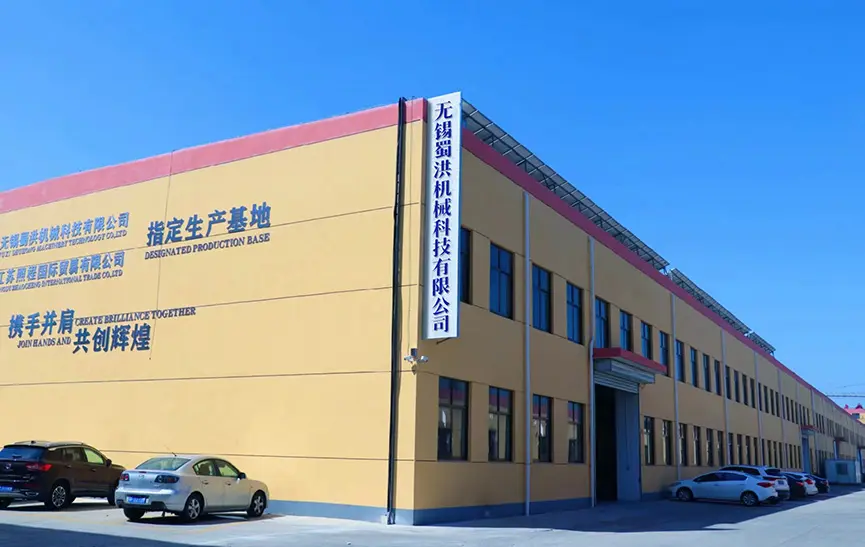
On the shores of the picturesque Taihu Lake lies Wuxi, known as the "Land of Fish and Rice." This beautiful land has nurtured countless enterprising enterprises, with Wuxi Shuhong Machinery Technology Co., Ltd. standing out among them. Since our establishment in 2018, Shuhong Machinery has consistently prioritized technological innovation and quality service, steadily advancing in the fields of electrical and plastic machinery, becoming a high-tech enterprise with both strength and reputation.
Our founder's passion for machinery drove the early development of the company. With over a decade of hands-on industry experience—moving from front-line technical roles to senior management—the founder observed the domestic machinery sector transition from following global peers to running alongside them, identifying a growing demand for energy-efficient, intelligent upgrades.
During a State Grid project exchange, our founder observed that traditional transformers frequently suffered from inadequate temperature control and short insulation lifespans. These vulnerabilities impacted grid stability and raised maintenance costs for operators. Additionally, emerging renewable energy systems introduced variable loads that placed greater stress on electrical equipment.
To address this, our engineering team focused on researching and manufacturing high-efficiency, energy-saving transformers. Overcoming early funding constraints and technical hurdles, the team optimized coil geometries and core materials in the lab. The resulting design achieved lower operational temperatures and improved durability, establishing our reputation in the market.
Development Focus: Rather than relying on standard components, we design customized solutions where each wind ratio, cooling duct, and clamp is optimized for the specific application, matching the system's thermal and electrical load profile.
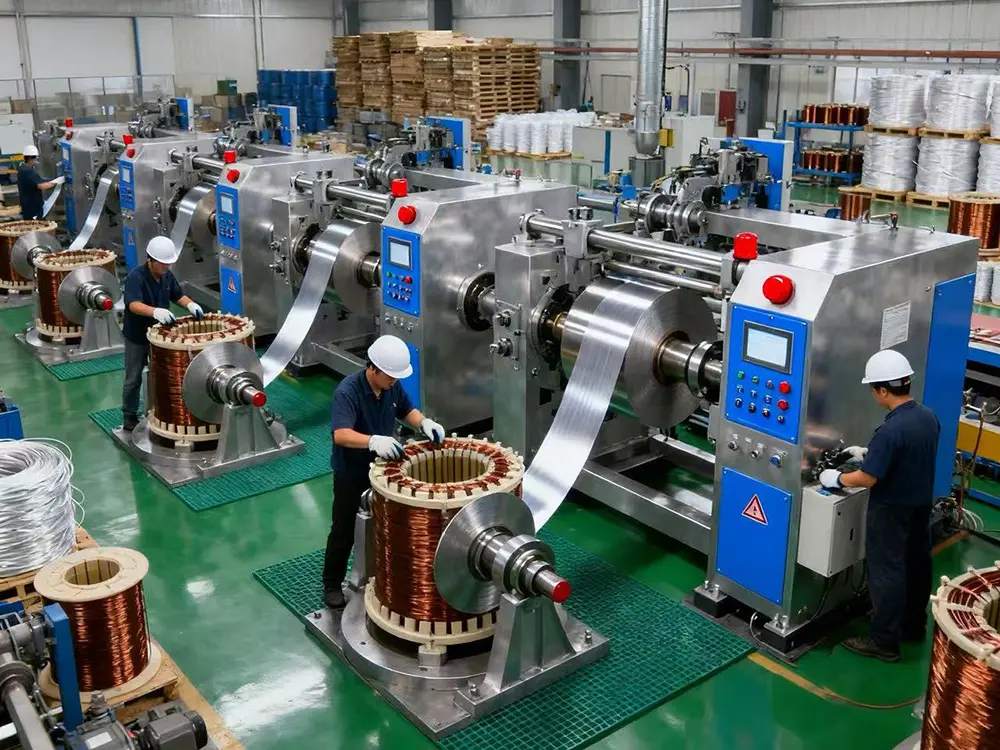
Analyzing grid modernization, international efficiency mandates, and the shift toward specialized voltage infrastructures.
Decentralized energy networks, solar integration, and battery energy storage systems (BESS) require bi-directional voltage regulation and robust transformer designs to handle reverse power flows.
Stricter regulations, such as the EU Ecodesign directives and US DOE standards, require manufacturers to minimize no-load and load losses, making high-precision core cutting and winding systems essential.
Fabs, data centers, and heavy processing plants run continuous operations where voltage fluctuations cause downtime. Custom phase shifts and low-impedance designs help prevent these disruptions.
Today's utility grids must adapt to non-linear loads, harmonic distortions from power electronics, and transient voltages from high-speed EV charging stations. Standard off-the-shelf transformers can overheat under these conditions. Shuhong Machinery provides tailored electrical matching, using advanced winding geometry to suppress harmonic heating and ensure reliable operations.
How Wuxi Shuhong machinery adjusts electrical designs for challenging physical and environmental conditions.
Offshore wind and utility solar farms experience rapid power fluctuations. Our transformers use specialized high-frequency foil windings and custom insulation to manage cyclical thermal stresses without degrading.
For high-altitude and underground mining, equipment must withstand sub-zero start-ups and seismic vibrations. Our 3D triangular rolled core designs provide mechanical stability and structural resistance to physical impacts.
Cleanroom environments demand low electromagnetic interference (EMI) and compact equipment. Our planar wound core transformers offer low flux leakage and a space-saving footprint for urban sub-stations.
Operating from Wuxi in Jiangsu Province places Shuhong Machinery within a major global hub for power transmission equipment manufacturing. This location provides access to raw materials, including grain-oriented silicon steel and high-purity oxygen-free copper, as well as specialized local components.
This concentrated industrial ecosystem enables us to source quality materials efficiently, manage production lead times, and maintain cost control. By integrating key manufacturing steps—from core slitting and precision wire winding to corrugated tank welding and final testing—we keep our operations streamlined and responsive to customer requirements.
Our localized supply network also ensures consistent access to materials, shielding clients from global shipping delays and material shortages. We manage logistics routes from major deep-water ports like Shanghai to ensure predictable delivery schedules.
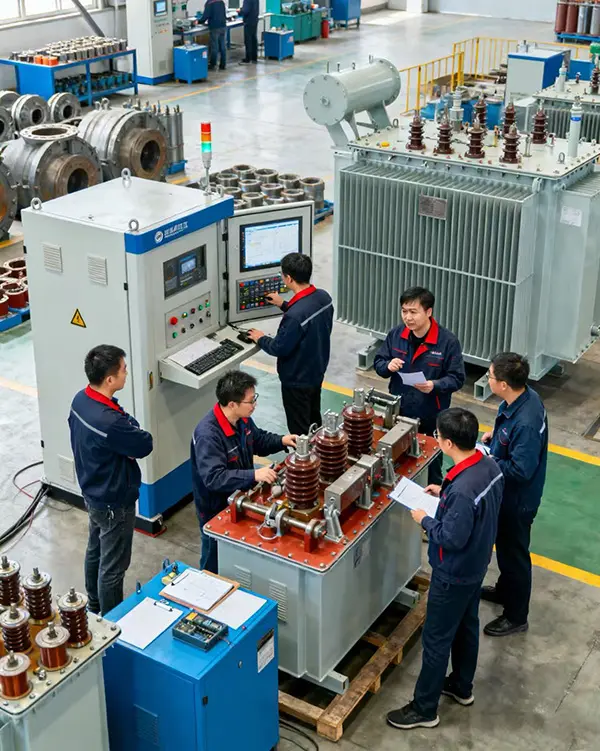
Looking forward, Shuhong Machinery will uphold its business philosophy of "People-oriented, Integrity-driven, Collaborative Innovation, and Quality First." We will deepen our focus on electrical and plastics machinery, boosting R&D investment to strengthen core technologies, and launch more efficient, energy-saving, and intelligent products.
The company will also expand domestic and international markets, cooperate with industry partners, strive to build a competitive machinery brand, and contribute to the development of the energy sector. Our R&D roadmap focuses on three main areas:

Our quality control starts from raw material preparation through to final system testing and validation.
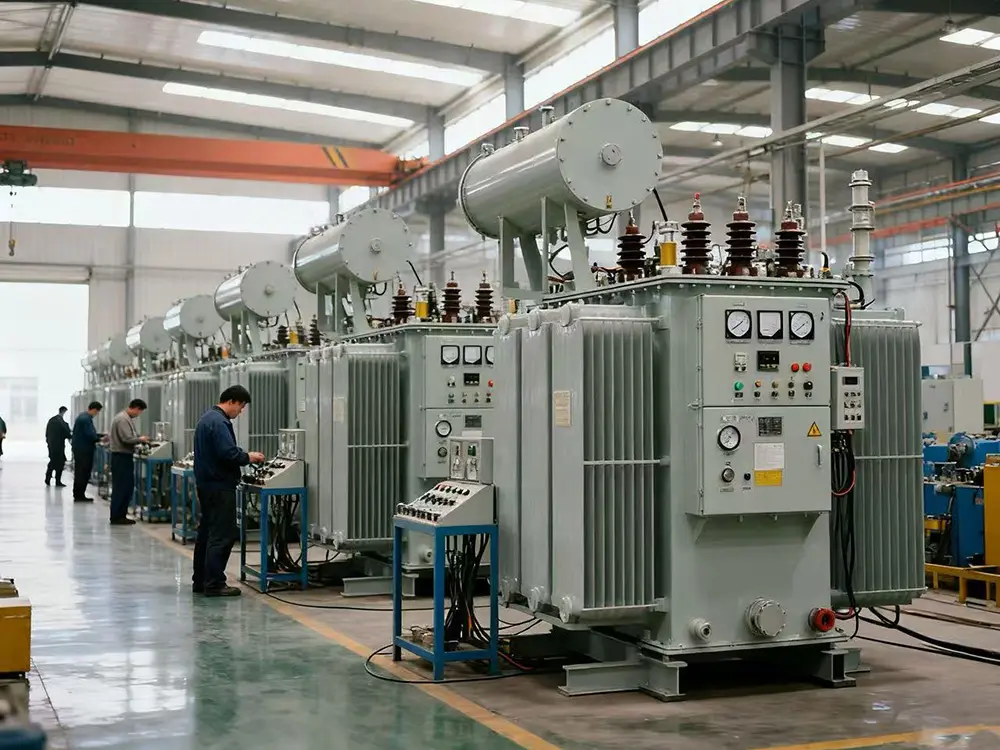
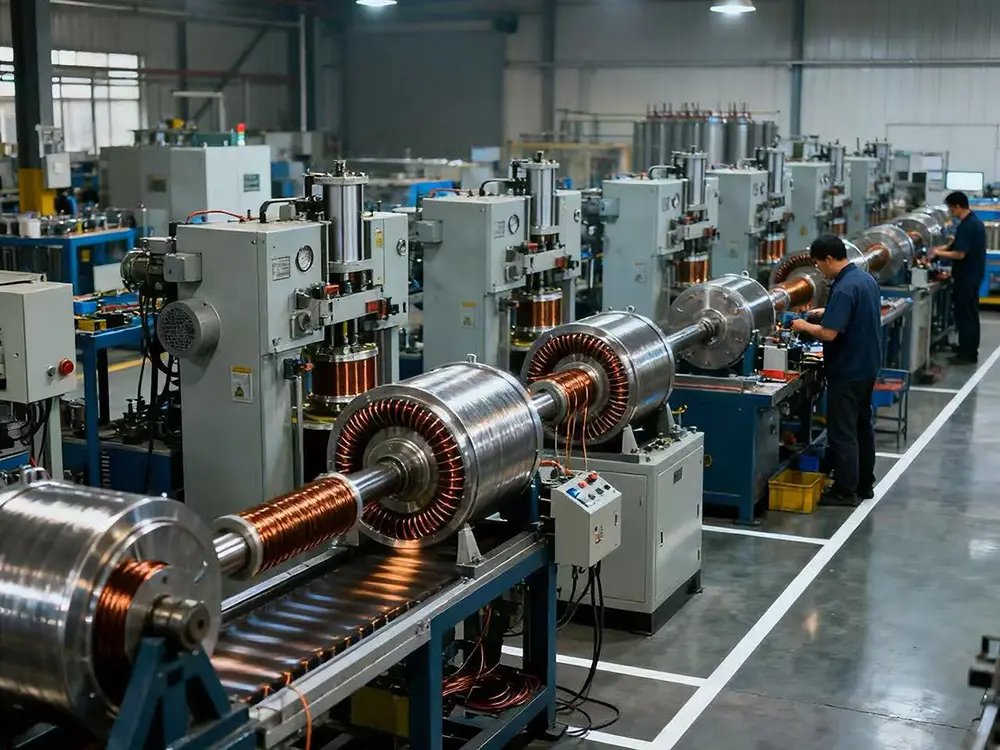
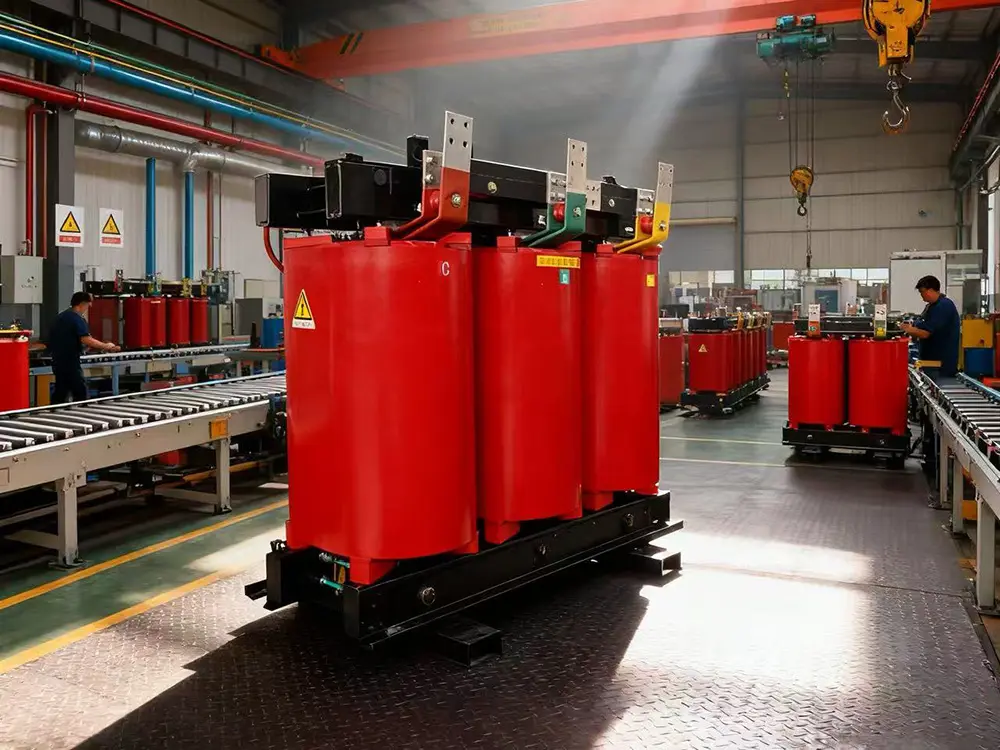
Every custom transformer undergoes a structured, multi-step production process. We utilize specialized tooling and machinery, such as our CNC silicon steel slitting and cutting lines and high-capacity winding tables, to maintain structural and electrical tolerances at each phase.
During the Winding phase, foil and wire machines regulate tension to prevent micro-gaps that cause partial discharges. The Annealing phase relieves mechanical stresses in the silicon steel cores to restore magnetic permeability, while the final Testing stage validates insulation resistance, voltage ratios, and load loss compliance.
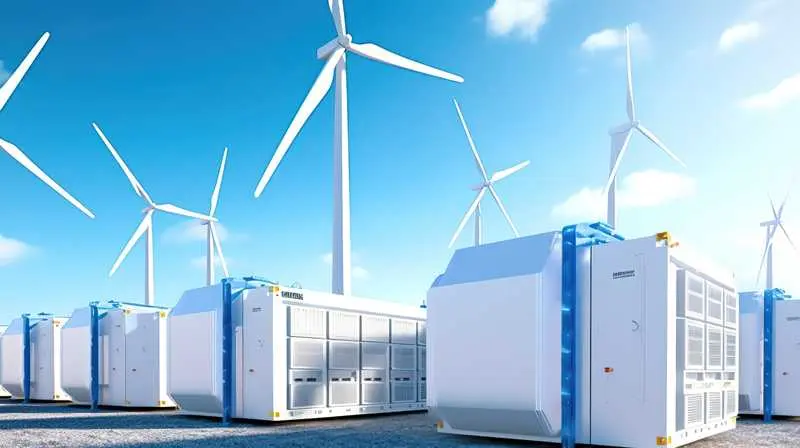
Ensuring compliance with international technical standards and supporting global operations.
Custom power transformers must meet the specific technical and regulatory requirements of the countries where they are deployed. Shuhong Machinery designs systems to align with major international standards, including IEC 60076 for global installations, ANSI/IEEE C57 for North America, and GB 20052-2020 for energy efficiency in China.
We work with international testing agencies like TÜV, SGS, and CE to verify safety and performance. Our technical support covers installation guidance, site commissioning support, and maintenance consultations, with replacement parts and support handled through our distribution network.
Common questions regarding technical specifications, selection criteria, and maintenance practices.
Copper offers higher electrical conductivity and mechanical strength, making it suitable for compact designs with high load demands. Aluminum is lighter and more cost-effective, which can be advantageous for installations with lower structural weight limits, provided the transformer volume is adjusted accordingly.
The 3D triangular design features a continuous, jointless core structure. This layout eliminates the air gaps found in traditional stacked cores, reducing magnetic reluctance and excitation current requirements to lower overall no-load losses.
Standard maintenance includes regular oil sampling to test for moisture and dielectric strength, dissolved gas analysis (DGA) to detect internal electrical or thermal faults, and inspection of seals, bushings, and cooling accessories.
Yes. Custom designs can include electrostatic shields between windings, double-sized neutral conductors, and adjusted magnetic flux densities to manage the additional thermal load and skin effect losses caused by harmonics.
Explore further processing machinery, assembly tables, and custom heat dissipation systems designed to support high-efficiency transformer manufacturing.