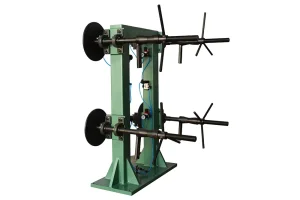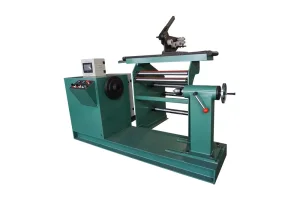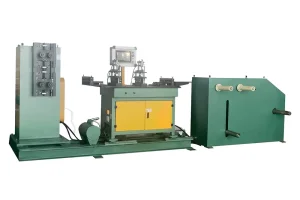
Explore our state-of-the-art winding systems, core processing assemblies, and heat-dissipation products built for peak thermodynamic efficiency.
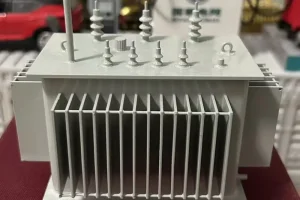
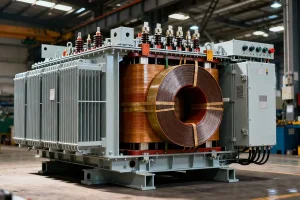
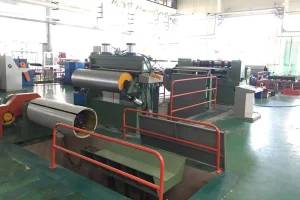
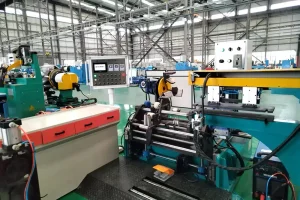
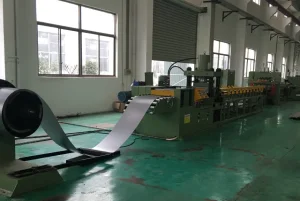
Global power distribution networks are undergoing the most significant technical transformation since the inception of the modern electrical grid. As nations target net-zero carbon footprints, the demand for energy conservation in power transmission and distribution (T&D) systems has reached unprecedented heights. Transformers, acting as the fundamental hubs of energy transmission, are responsible for an estimated 3% to 5% of global power grid losses. Mitigating these losses is no longer merely an environmental aspiration; it is a critical regulatory and financial mandate.
Historically, energy losses in transformers have been categorized into two primary vectors: no-load losses (core losses) and load losses (winding losses). No-load losses occur constantly when the transformer is energized, regardless of the load, due to magnetic hysteresis and eddy currents in the core material. High-efficiency transformer designs minimize these losses using highly oriented silicon steels or amorphous metal alloys. By adopting state-of-the-art materials and precision manufacturing configurations, modern manufacturers are capable of curbing total core losses by up to 80% compared to legacy installations.
"According to the International Energy Agency (IEA), upgrading the global transformer stock to higher efficiency levels could save more than 130 TWh of electricity annually, equivalent to eliminating the total annual power generation of several developing countries combined."
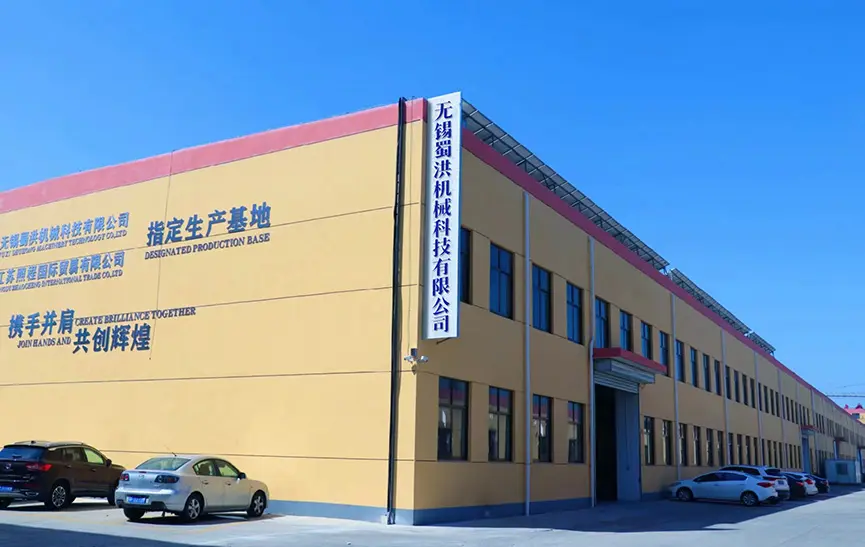
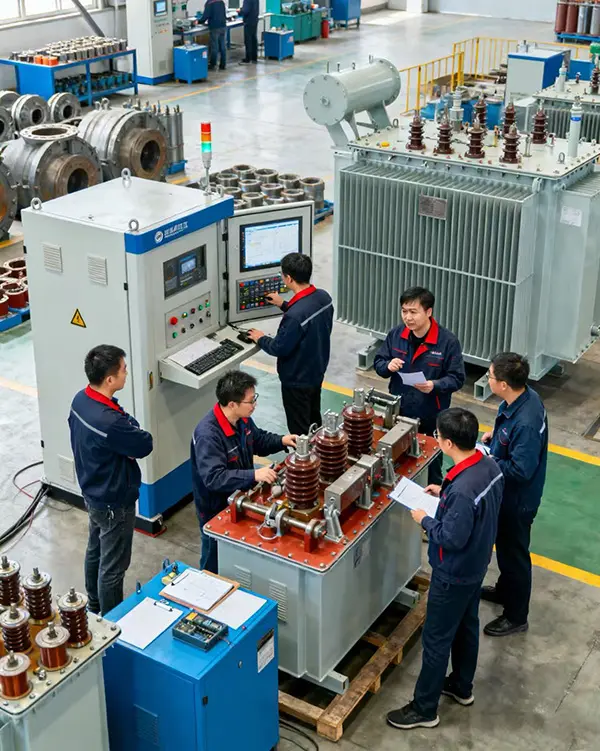
On the shores of the picturesque Taihu Lake lies Wuxi, known as the "Land of Fish and Rice." This beautiful land has nurtured countless enterprising enterprises, with Wuxi Shuhong Machinery Technology Co., Ltd. standing out among them. Since its establishment in 2018, Shuhong Machinery has consistently prioritized technological innovation and quality service, steadily advancing in the fields of electrical and plastic machinery, becoming a high-tech enterprise with both strength and reputation.
Shuhong Machinery originated from its founder’s insight into machinery manufacturing. With over a decade in the industry (from front-line technical roles to management), the founder witnessed domestic machinery shift from "following" to "running alongside" global peers, and sensed the need for energy-efficient, intelligent upgrades.
During a State Grid project exchange, the founder found traditional transformers flawed in temperature control and service life (harming power stability, raising costs) and noted new energy’s higher equipment demands—thus focusing on R&D and manufacturing of high-efficiency, energy-saving transformers. Overcoming funding and technical hurdles, the team worked day and night in labs and workshops on prototypes and optimization, finally developing an advanced transformer configuration with 30% lower temperature rise and an extended 15-year operational lifespan, winning deep client recognition.
Adhering to strict international regulatory frameworks to ensure efficiency, reliability, and grid resilience.
Compliance with European Ecodesign Regulation (EU) No 548/2014 and its amendments is mandatory for placing transformers on the European market. Likewise, in the United States, the Department of Energy (DOE) establishes stringent minimum efficiency standards (under 10 CFR Part 431) for commercial distribution transformers. Wuxi Shuhong designs its machinery to exceed these efficiency limits, facilitating global distribution.
In the global market, the choice of core material dictates the system loss profile. Amorphous metal alloys display a non-crystalline structure, offering lower coercivity and eddy-current susceptibility, reducing core losses by up to 70% to 80% compared to traditional silicon steel. However, silicon steel core variants remain dominant in heavy industrial settings requiring high mechanical strength and flux densities.
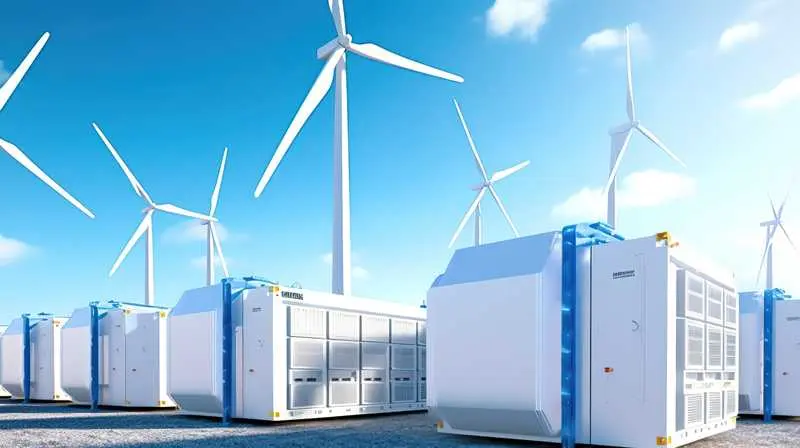
Integrating decentralized renewable energy (solar, wind, energy storage) injects significant harmonics into distribution networks. Energy-efficient transformers must feature high thermal tolerance and custom shielding configurations. This keeps winding temperatures low and preserves performance even under non-sinusoidal currents and erratic loading cycles.
After years of development, Shuhong Machinery has established a complete R&D-design-production-sales-service industrial chain, with a professional R&D team and modern factories ensuring product quality. Focused on technical innovation, the company leads in insulation and temperature control; its products have passed State Grid and international certifications. It has supplied over 2,000 substations, boosting China's power and new energy industries.
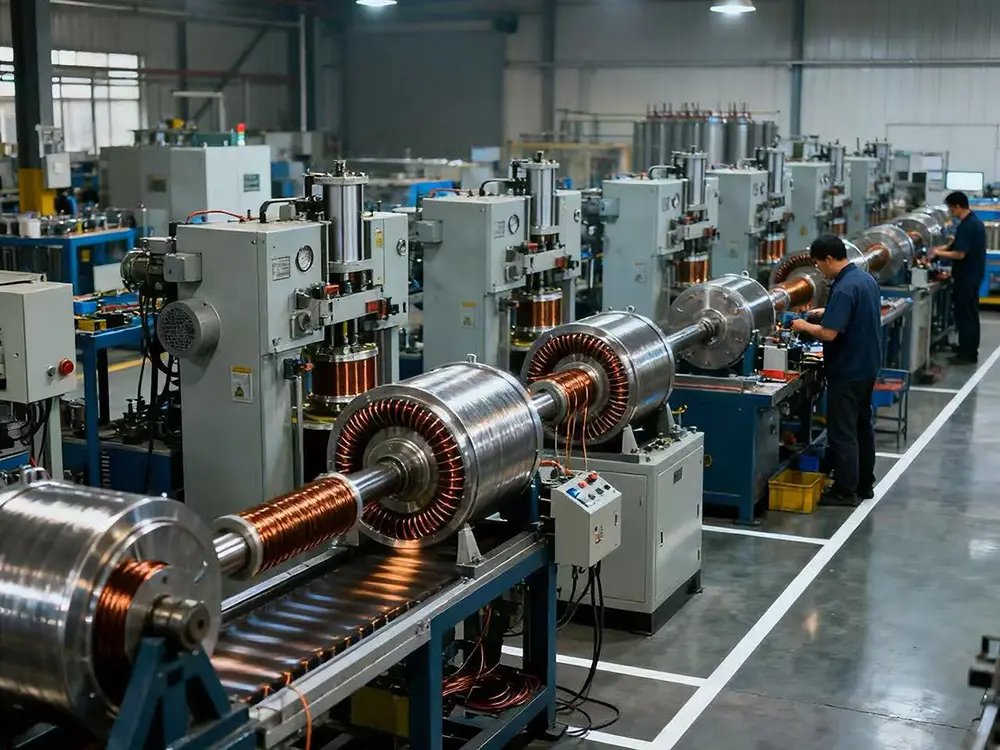
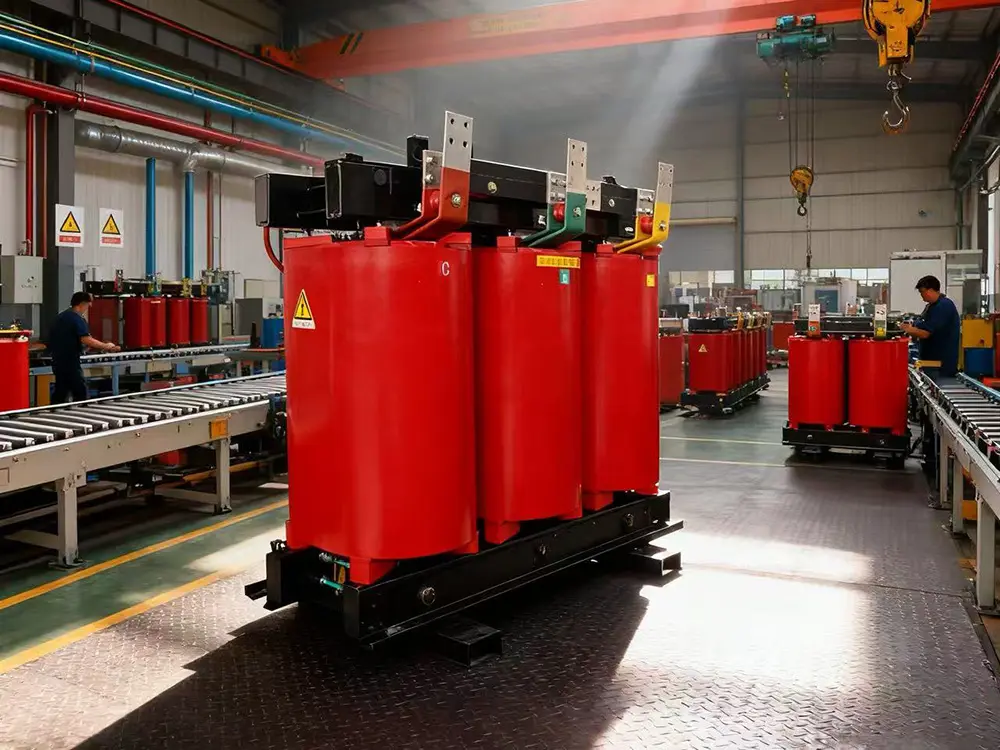
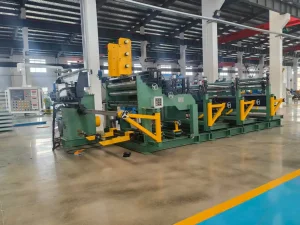
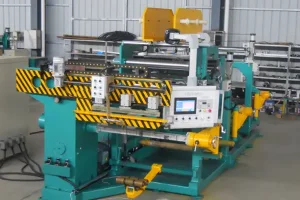
Every step in our production sequence is engineered to optimize material integrity and lower total transformer losses.
Wuxi Shuhong Machinery adheres to the team management philosophy of "People-Oriented, Collaborative Innovation," taking an excellent team as its success foundation.
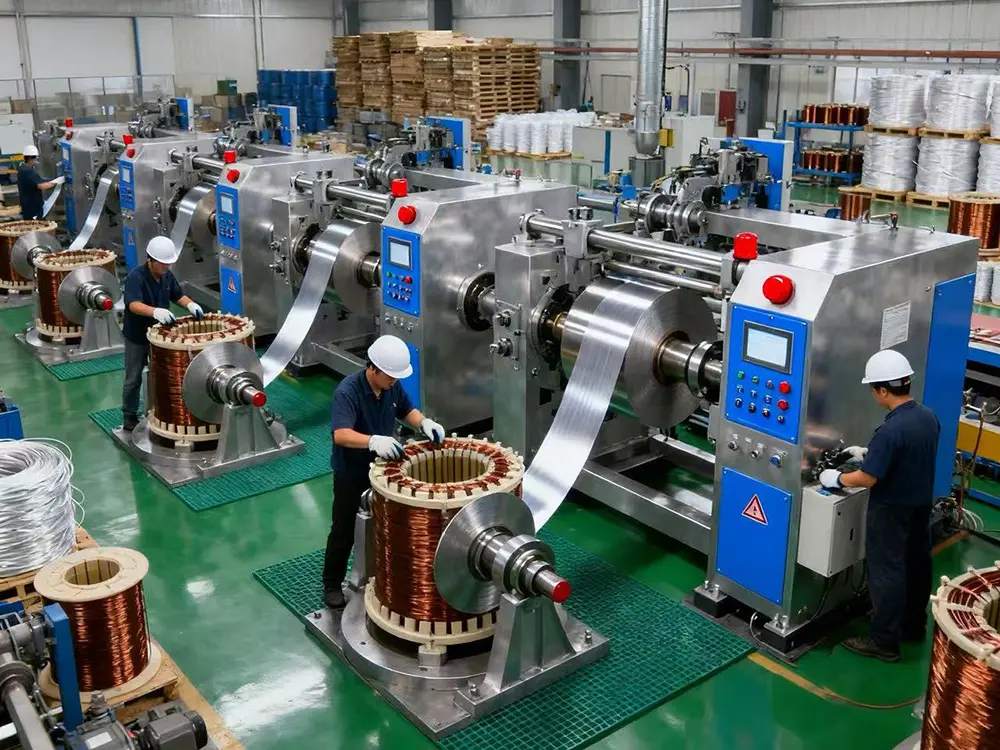
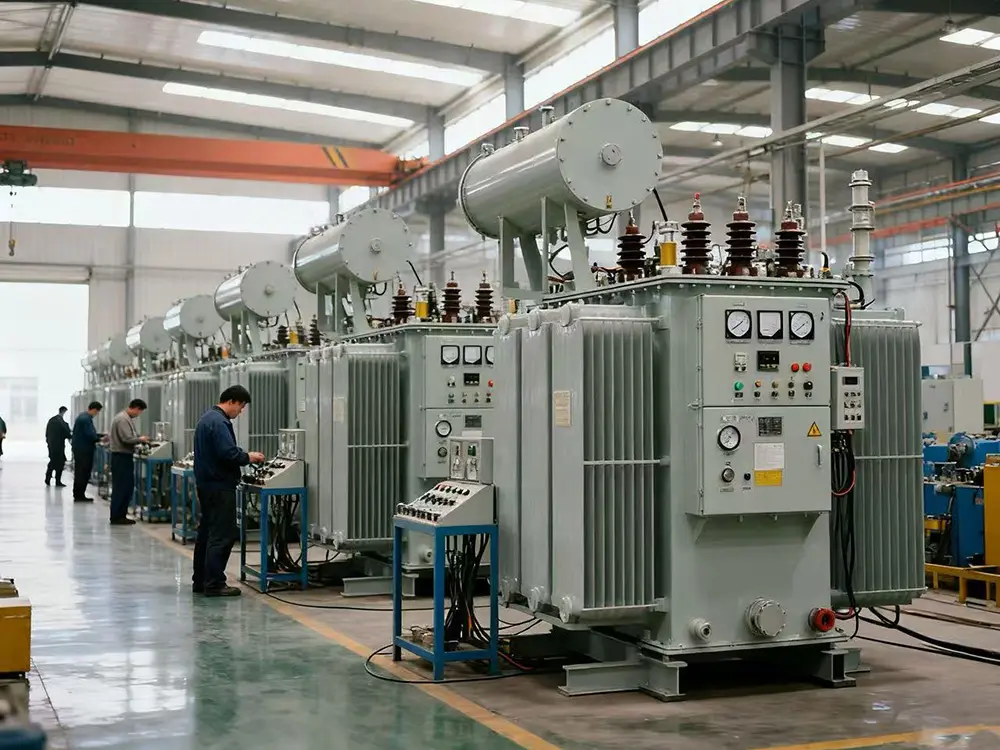
Every operational region presents unique environmental, electrical, and regulatory challenges. A standard transformer design may fail to achieve optimal energy conservation when subjected to intense tropical heat, high altitudes, or extreme coastal humidity. Wuxi Shuhong Machinery provides highly customized machinery configuration and component matching to ensure transformers perform at optimal efficiency in their respective localized environments.
Our solutions cater directly to:
Looking forward, Wuxi Shuhong Machinery will uphold its core business philosophy: "People-oriented, Integrity-driven, Collaborative Innovation, and Quality First." The company will continue to deepen its focus on electrical and plastics machinery, boosting R&D investment to strengthen core technologies and launching more efficient, energy-saving, and intelligent products.
The company will also expand domestic and international markets, cooperate with global industry leaders, strive to build an internationally competitive machinery brand, and contribute further to the development of machinery manufacturing and the global energy sector.
Customer Reviews Demonstrate Brand Strength. Since its establishment, Shuhong Machinery has prioritized meeting customer needs, winning wide acclaim with cutting-edge technology, timely service, and full compliance.
Connect with Our Engineering TeamResolving core engineering concerns, material questions, and optimization strategies for modern power distribution.
Amorphous core materials lack a crystalline grain structure, resulting in highly flexible magnetic domains that require significantly less energy to magnetize and demagnetize. This drastically reduces hysteresis loss. Furthermore, amorphous metals are typically produced in thin ribbons (about 0.025 mm), which drastically restricts the pathway for eddy currents, saving up to 80% on no-load losses.
Foil winding utilizes continuous sheet conductors (aluminum or copper) instead of round wire. This geometry reduces the skin effect at high frequencies, optimizes current distribution across the width of the winding, and eliminates spatial gaps, producing a higher filling factor. Consequently, load losses and thermal gradients are minimized.
Inconsistent winding tension introduces localized physical stresses and wire deformation, leading to uneven resistance and hot spots during operation. Uncontrolled tension can also cause winding laxity, making the coils susceptible to mechanical displacement and insulation failure under short-circuit conditions. Precise tension control ensures maximum longevity and efficiency.
Even trace moisture inside a transformer's cellulose insulation degrades its dielectric properties and increases dielectric losses. Vacuum drying extracts moisture completely without causing thermal oxidation of the paper insulation, ensuring high dielectric strength, lower leakage currents, and stable thermal behavior over decades.
Planar wound core designs utilize a continuous, uncut magnetic path with minimal joint gaps, maintaining low reluctance and low excitation current. Combined with planar windings, which feature a low profile and large surface area, these transformers achieve low leakage inductance and high power densities, making them ideal for high-frequency switching converters.
If the cutting of silicon steel sheets is imperfect, burrs are introduced along the edges. When compressed together in a core stack, these burrs bypass the insulation layer between laminations, creating localized short-circuit loops. This leads to high eddy-current losses and localized heating, reducing overall transformer efficiency.
Amorphous ribbon is highly sensitive to mechanical stress, which degrades its magnetic properties during core winding and formation. Annealing the core at temperatures of around 350°C to 400°C in an inert nitrogen environment relieves these stresses and aligns the magnetic domains, restoring the core's low-loss characteristics.
Most global markets rely on compliance with IEC 60076 standards, IEEE C57 standards, and regional grid codes like China's GB 20052-2020. These benchmarks prescribe limits for load and no-load losses at varying power ratings. Wuxi Shuhong ensures all downstream equipment supports compliance with these frameworks.
Partnering with global energy grids to provide high-precision, low-loss manufacturing systems.