Explore our industrial-grade components designed to minimize iron loss, optimize space factor, and deliver unmatched operational durability.
Unlocking potential in transmission and distribution infrastructure through advanced engineering and magnetic core materials.
Distribution transformers are critical links between power generation facilities and consumer loads. However, traditional designs suffer from continuous no-load (iron) and load (copper) losses that collectively account for up to 5% of global electrical grid transmission waste. Modernizing this infrastructure is essential to meeting carbon-reduction targets.
By transitioning to Amorphous Alloys and 3D Triangular Rolled Cores, utility companies can reduce core losses by up to 70% compared to standard silicon steel cores. Wuxi Shuhong Machinery Technology Co., Ltd. addresses this transition directly, engineering machinery that allows manufacturers to scale up the production of these ultra-low-loss core architectures.
Integrating precision-wound foil conductors and vacuum-annealed core steels ensures transformers remain cool and highly efficient, even when managing volatile renewable power feeds from wind farms and solar arrays.
Using 3D wound structures eliminates gaps in the magnetic path, drastically reducing hysteresis and eddy current losses in silicon and amorphous steel designs.
Our structures allow for a 30% reduction in temperature rise compared to traditional E-I stacked cores, preventing insulation degradation over time.
By lowering peak operating temperatures and structural stress, our system designs achieve a reliable, maintenance-free operational lifespan of 15+ years.
Combining mechanical expertise with energy-efficiency R&D since 2018.
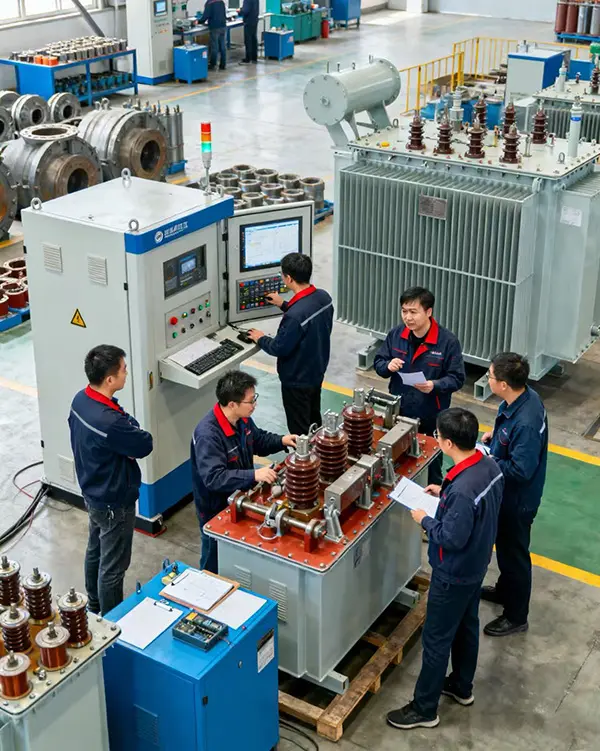
Located in Wuxi, Jiangsu province, on the shores of Taihu Lake, Wuxi Shuhong Machinery Technology Co., Ltd. was established in 2018. The company has focused on developing high-efficiency machinery that supports grid stability and green power conversion.
The company's founder transitioned from field engineering to high-end design, recognizing the operational limits of traditional laminated cores—specifically their vulnerability to thermal overload and noise pollution. During partnerships with State Grid agencies, the founder observed a clear market need for advanced machinery that could simplify the production of complex, energy-efficient wound core designs.
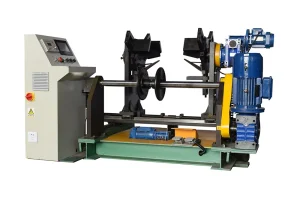
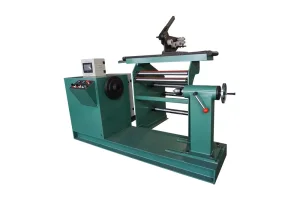
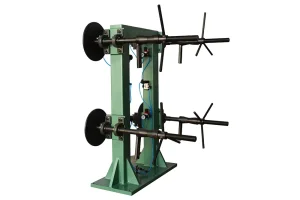
Through focused research and testing, Shuhong Machinery successfully built key manufacturing platforms, including our 3D Wound Core Winding Machine and high-precision foil winders, helping manufacturers lower core temperatures and build more reliable products.
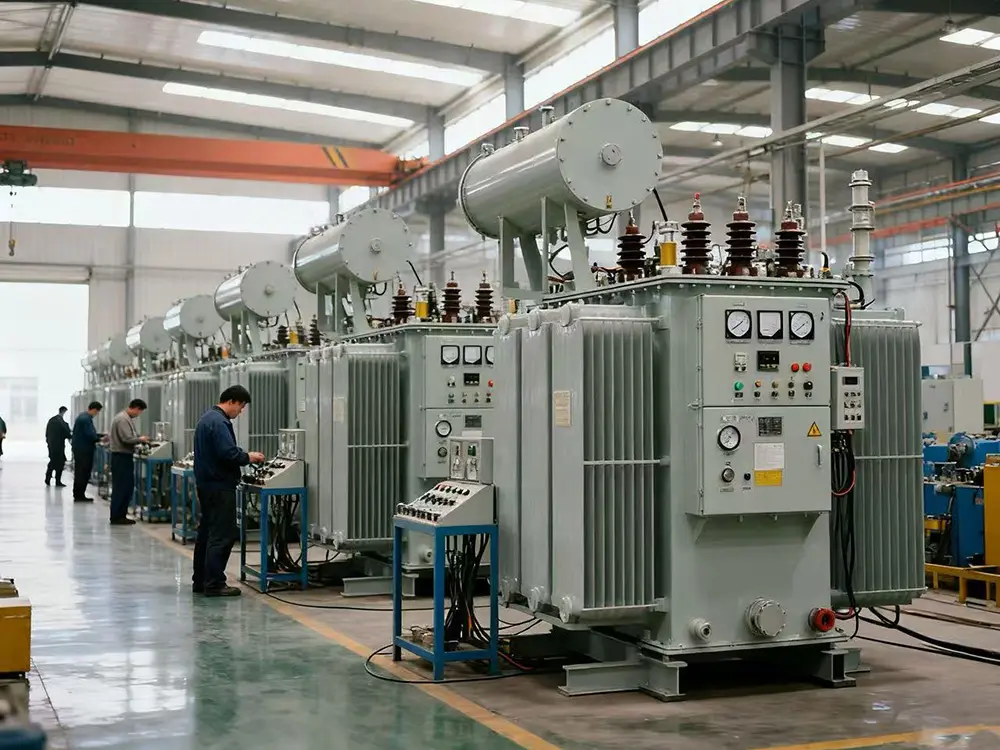
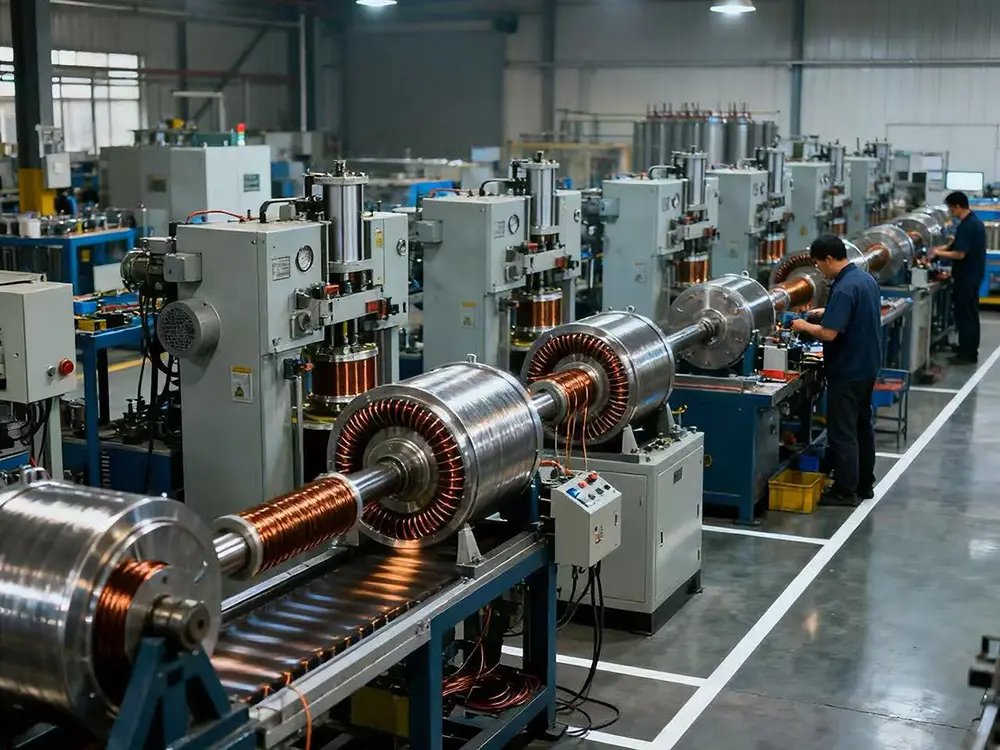
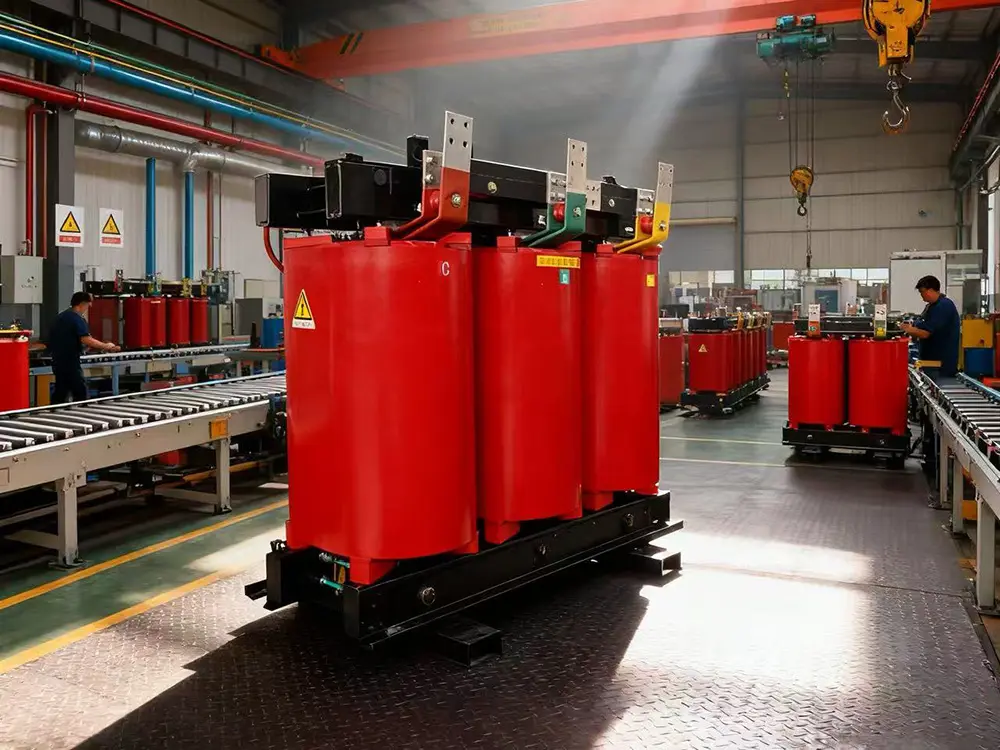
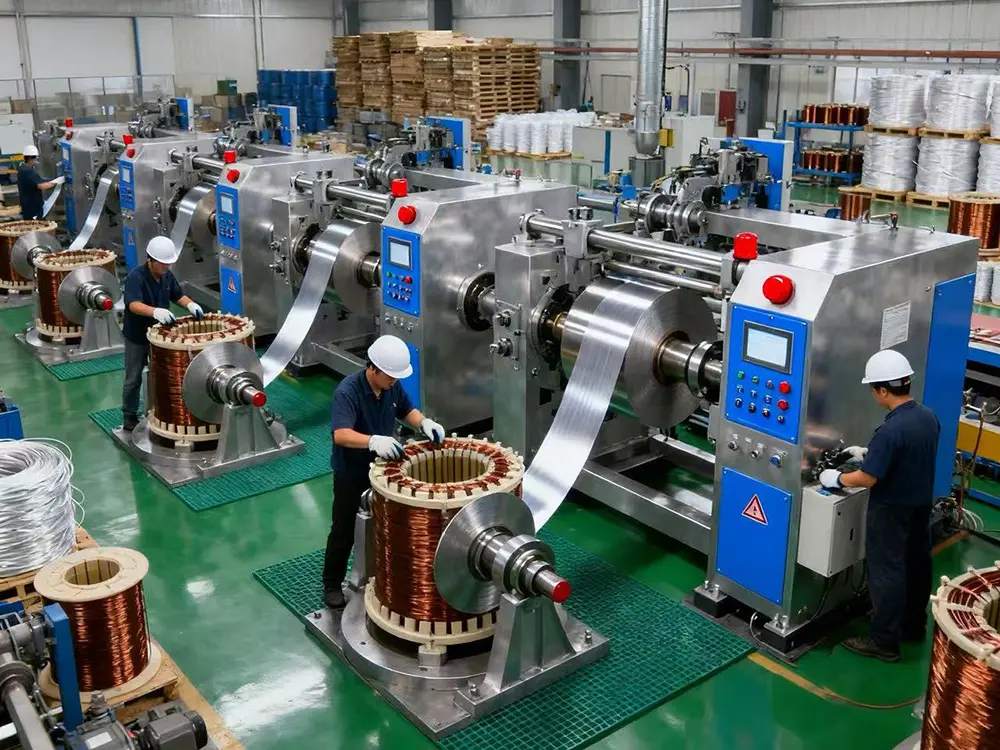
A step-by-step overview of our manufacturing process, designed to protect electromagnetic properties and extend equipment life.
Building high-efficiency distribution transformers requires precise control at every step of production. Mechanical stresses introduced during slitting and winding can compromise the grain structure of electrical steel, leading to higher eddy currents and core losses.
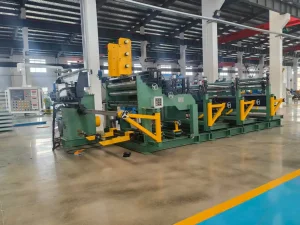
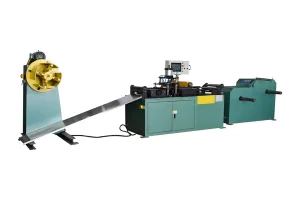
Our production workflow is optimized to avoid these losses. First, high-precision slitting machines cut raw silicon steel or amorphous ribbon without leaving micro-burrs. The core is then wound, followed by a controlled vacuum annealing process to relieve internal mechanical stress and restore the steel's magnetic performance.
Finally, we apply automated foil winding, vacuum drying, and oil injection before running full dielectric and electrical performance tests. This comprehensive setup ensures that every unit matches its designed efficiency specifications.
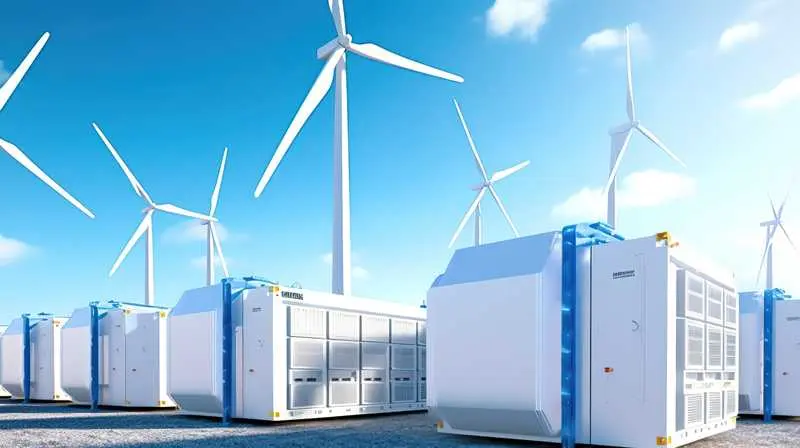
Reliable performance across industrial and utility environments, built to comply with international regulations.
Providing three-phase distribution systems designed to match modern grid automation requirements. Our 3D triangular cores help utilities reduce constant baseload losses, improving overall distribution efficiency in municipal networks.
High-current industrial operations, such as smelting and automated production lines, place high demand on power systems. Our custom low-voltage and high-voltage winding systems are built to manage harmonics and prevent thermal breakdown.
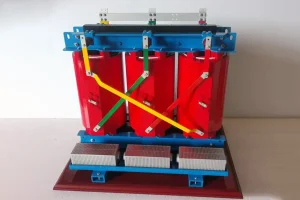
Solar arrays and wind turbines require transformer solutions that can handle fluctuating power loads. Our eco-friendly dry-type transformers isolate harmonic interference and provide stable step-up voltage transformation.
We build our machines and products to align with major international electrical standards, helping our customers navigate regional regulatory requirements:
The next generation of grid infrastructure requires manufacturing systems that are more flexible and precise. Shuhong Machinery is integrating smart controls and adaptive sensors into our winding and annealing lines to make this possible.
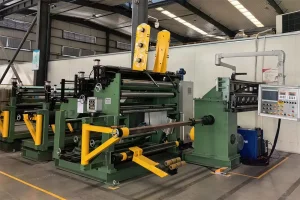
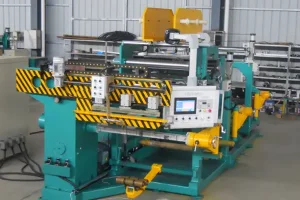
By using real-time tension feedback systems and automatic servo alignment on our foil winders, we help manufacturers prevent layer misalignment and winding defects. These precision improvements reduce magnetic noise and leakage fields, ensuring consistent product performance.
We are also working with material scientists to develop winding systems that can handle ultra-thin amorphous ribbons and high-temperature superconductors, laying the groundwork for more compact, efficient, and reliable transformer designs.

Practical insights on materials, manufacturing efficiency, and transformer design choices.
Traditional cores are built by stacking flat, rectangular silicon steel laminations (E-I configurations), which creates joints at the corners. These joints interrupt the magnetic flux, leading to high magnetic resistance, leakage, and no-load losses.
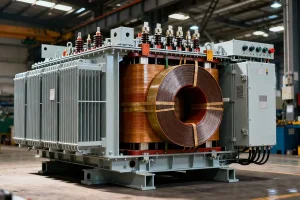
A 3D wound core is wound continuously from a single strip of electrical steel, creating a circular, joint-free magnetic path. This design allows the magnetic flux to flow in the same direction as the steel grain, reducing core loss (no-load loss) by up to 30% and significantly lowering operating noise.
Bending and tension during the winding process introduce mechanical stress to the steel's crystal structure, which increases coercive force and magnetic losses. Vacuum annealing heats the cores to specific relief temperatures (typically between 750°C and 820°C for silicon steel) in an oxygen-free vacuum, restoring the material's magnetic properties and minimizing iron losses.
Dry-type transformers rely on air convection for cooling, requiring robust insulation (such as Class H epoxy cast resin) and wider air ducts within the coils. Winding machines must handle high-tension wire and foil with clean insulation layer feed to prevent air bubbles, which can cause partial discharges.
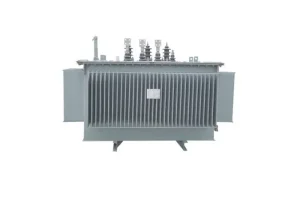
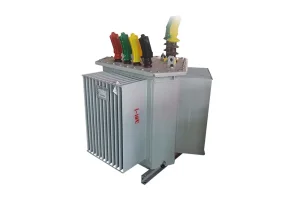
Oil-immersed transformers use mineral or ester oil for cooling and insulation, allowing for more compact coil layouts. These designs require precise paper wrapping and tension control during winding to withstand mechanical stress during short-circuit events.
Foil winding replaces individual round wires with a continuous sheet of copper or aluminum. This configuration increases the fill factor and balances the magnetic forces within the coil, reducing axial short-circuit stresses. It also eliminates hot spots by distributing heat more evenly across the width of the conductor.
Explore our industrial systems designed for precise coil winding, core shaping, and thermal management.