Explore our elite selection of low-voltage transformers and manufacturing machinery constructed for international grids.
A technical exploration of energy efficiency, core materials, and structural engineering in contemporary power distribution.
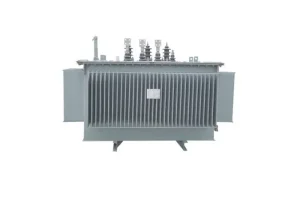
In modern industrial and commercial power distribution networks, low voltage power transformers function as the critical component for voltage regulation, isolation, and grid safety. Typically stepping down voltages from primary distribution values (e.g., 11kV, 6kV, or 400V) to localized operational voltage levels (e.g., 380V, 220V, 110V), these systems guarantee that delicate machinery operates within stable voltage tolerances. According to international standards such as IEC 60076 and IEEE C57, modern low-voltage systems must be designed to withstand electrical stresses, thermal fluctuations, and mechanical vibrations.
Choosing the right low voltage transformer involves assessing a complex matrix of variables, including total harmonic distortion (THD), efficiency indices under variable loads, environmental classifications, and dielectric insulation strength. For international buyers, sourcing these components from established Chinese manufacturing clusters offers a strategic balance of cost efficiency, compliance with stringent quality control standards, and access to state-of-the-art core-winding technologies.
Utilizing high-permeability, grain-oriented silicon steel sheets or cutting-edge amorphous alloys significantly minimizes hysteresis and eddy current losses. Amorphous cores reduce no-load losses by up to 70% compared to traditional steel cores, making them essential for green energy grids.
By leveraging precision cooling ducts and high-grade insulation varnishes, modern transformers achieve outstanding thermal dissipation. This reduces the risk of hotspots, preventing premature insulation breakdown and extending the operational lifespan to over 15-20 years.
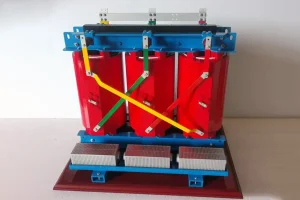
Utilizing Class H (180°C) or Class R (220°C) flame-retardant materials ensures that dry-type transformers operate securely in high-occupancy commercial settings or harsh industrial facilities without fire hazards or toxic emissions.
Nestled on the scenic shores of Taihu Lake in Wuxi—a region famed as the "Land of Fish and Rice" and celebrated as a cradle of Chinese industrial manufacturing—Wuxi Shuhong Machinery Technology Co., Ltd. has been a vanguard of technological innovation since its establishment in 2018. The company has steadily advanced in the fields of electrical and plastic machinery, establishing itself as a high-tech enterprise with a stellar reputation for engineering excellence.
Shuhong Machinery was born out of its founder’s profound insight into machinery manufacturing. Spending over a decade directly on the front line of technical and managerial roles in the transformer industry, the founder observed a historic transition: domestic machinery shifting from merely "following" global competitors to "running alongside" and, in many aspects, leading the industry. He recognized an urgent global demand for energy-efficient, smart power upgrades.
During a technical exchange for a State Grid project, the founder noticed that traditional transformers suffered from structural flaws in temperature control and service life, which jeopardized power stability and drove up operating costs. This inspired the team to focus resources on the R&D and manufacturing of high-efficiency, energy-saving transformers and specialized core processing machinery.
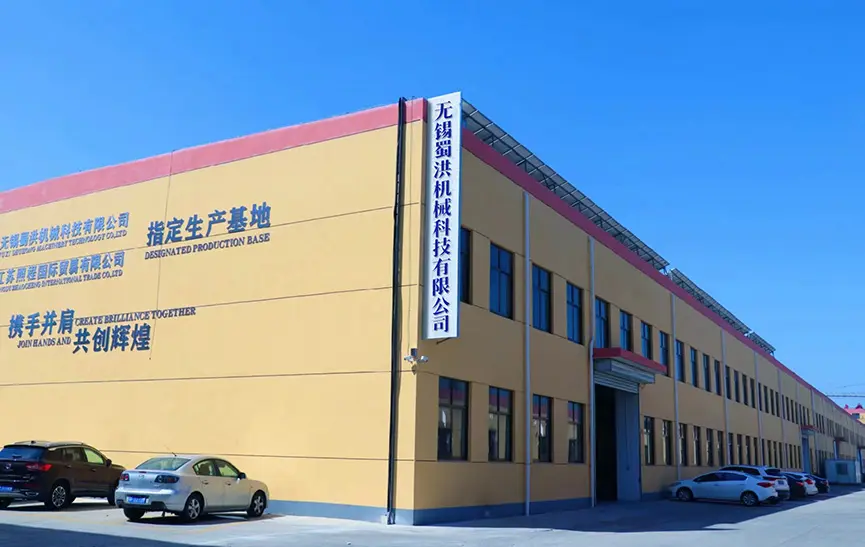
Established in 2018 in Wuxi, focusing on integrating manufacturing and modern engineering technologies to overcome limitations in traditional transformer stability.
Overcoming initial funding and technical limitations, Shuhong engineered a signature transformer that boasts a 30% lower temperature rise and an extended 15-year operational lifespan.
Successfully passed rigorous testing from the State Grid of China, subsequently supplying electrical systems and winding machinery to over 2,000 substations worldwide.
Why global procurement leaders choose Chinese manufacturers for their low-voltage grid infrastructures.
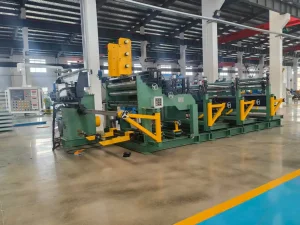
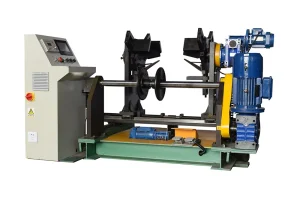
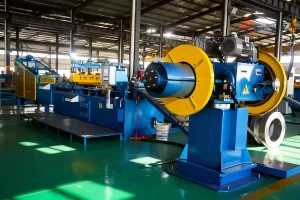
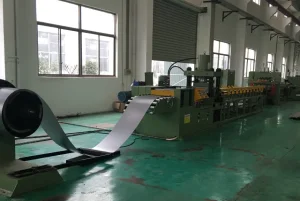
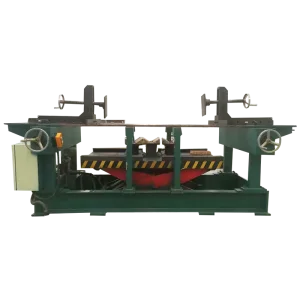
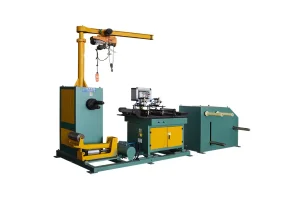
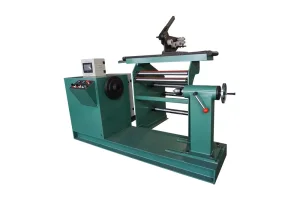
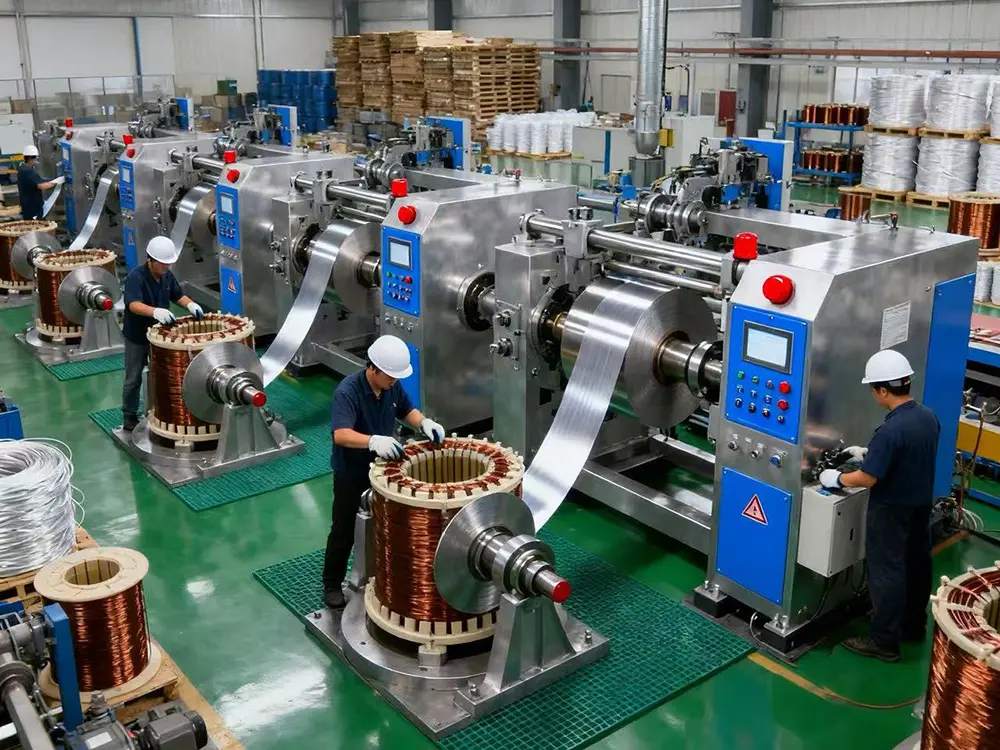
From the raw processing of grain-oriented silicon steel sheets using precision CNC cross-cutting lines to the automatic winding of coils on high-voltage wire arrangers, China's supply chain covers every single step. This integrated structure limits logistics delays and controls quality variations across sub-components.
Equipped with advanced 3D roll core winding systems and precision servo-controlled machinery, production facilities achieve sub-millimeter alignment tolerances. This level of accuracy directly translates to lower electromagnetic hum, minimal core friction, and reduced long-term mechanical degradation.
By leveraging extensive raw material reserves and efficient production scheduling, Chinese suppliers offer high-performance low voltage transformers at competitive prices, enabling global businesses to reduce capital expenditure without sacrificing system safety or efficiency.
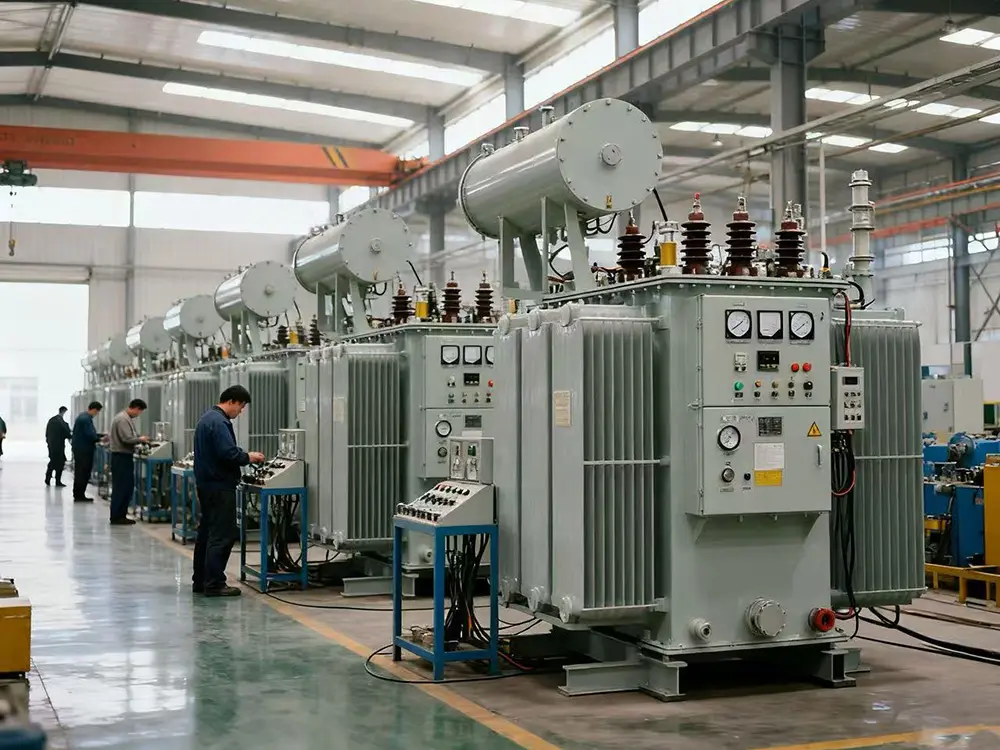
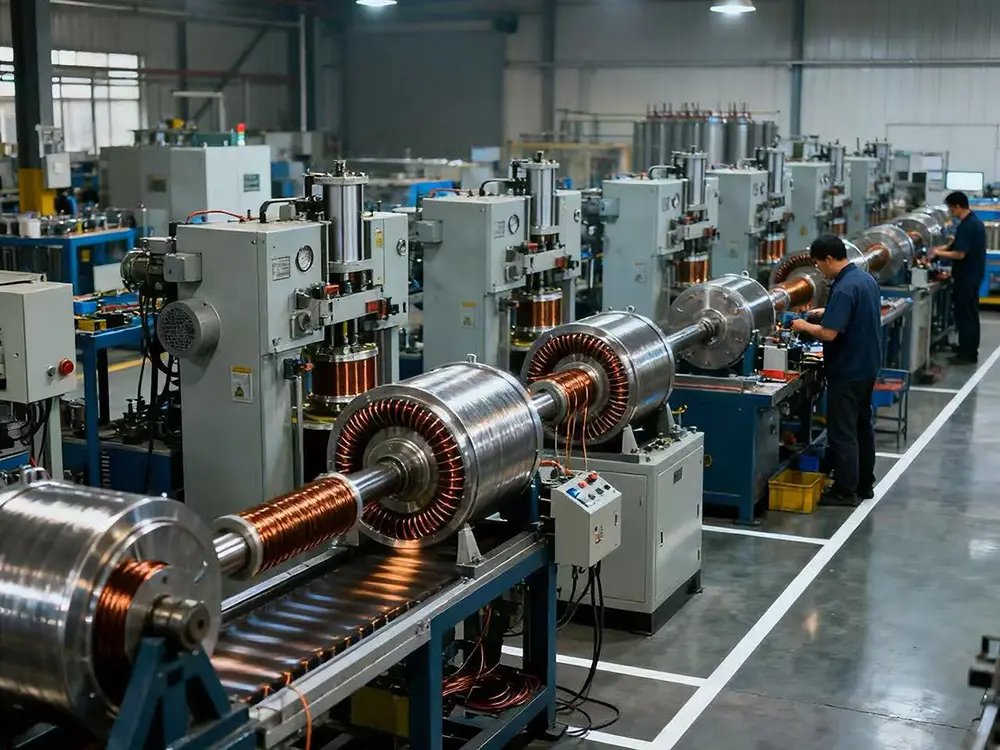
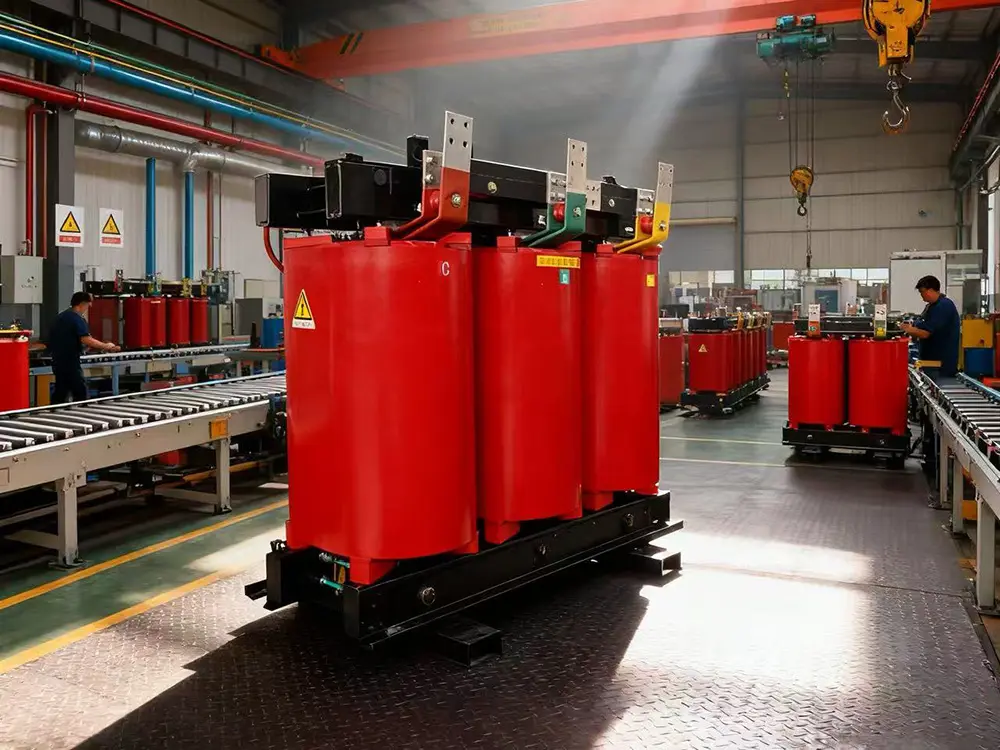
Navigating international electrical codes and building trust through certifications.
Purchasing agents from multi-national corporations, municipal utility providers, and industrial factories face a complex regulatory environment. When importing low voltage power transformers, strict adherence to national and regional electrical standards is mandatory. Our products are engineered and tested to comply with major global frameworks:
Mandatory for operations within the European Economic Area. This standard governs thermal characteristics, noise levels, and mechanical safety, ensuring compatibility with the continental grid.
Governs dry-type general-purpose power and distribution transformers. Crucial for UL listings in commercial buildings, prioritizing fire safety and overload capacity.
Ensures that no hazardous materials (e.g., lead, polybrominated biphenyls) are used in the core insulation or varnishing processes. Key for sustainable corporate ESG targets.
Enclosures rated from IP20 for indoor environments to IP65 for outdoor installations, ensuring protection against dust ingress, moisture, and accidental physical contact.
To streamline international deployment, we offer specialized customization services that align with local grid frequencies (50Hz vs 60Hz), unique vector groups (e.g., Dyn11, Yyn0), and specific altitude adjustments (for locations higher than 1000m above sea level). Additionally, we provide comprehensive technical documentation, including AutoCAD diagrams, 3D STEP files, and type test certificates, to support local grid approvals and installation processes.
Technological innovations shaping efficiency and safety in the energy sector.
Global environmental mandates are driving a shift away from traditional oil-immersed transformers in urban settings to prevent potential oil leaks and fire hazards. Dry-type designs use cast-resin systems that provide fire resistance and moisture protection, making them ideal for high-density commercial spaces.
As governments implement stricter energy conservation policies, amorphous metal cores are becoming the industry standard. Their non-crystalline atomic structure reduces core friction, minimizing no-load energy losses and significantly lowering operational carbon footprints over the transformer’s lifespan.
Modern low-voltage transformers are increasingly fitted with smart sensor networks. These IoT devices monitor coil temperatures, ambient moisture levels, and partial discharge activity in real-time, allowing operators to transition from reactive maintenance to predictive scheduling.
Engineered solutions optimized for specific industrial and commercial requirements.
Industrial machinery—such as laser cutters, CNC mills, and automatic wire arrangers—requires clean, stable power. Rapid voltage fluctuations can damage sensitive servo motors and compromise manufacturing tolerances. Our isolation low voltage transformers filter out grid harmonics, ensuring consistent, stable voltage delivery.
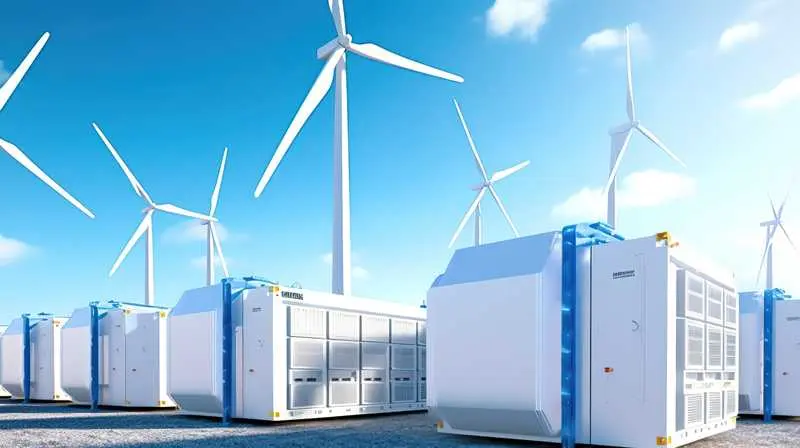
Solar photovoltaic inverters and wind turbine generators typically output electricity at varying low-voltage levels. Customized step-up or isolation transformers stabilize this power before feeding it into the main grid. Cast-resin dry-type systems are especially suited for outdoor solar farms due to their ability to withstand extreme temperatures.
In high-rise offices and data storage facilities, fire safety and sound insulation are critical priorities. Our dry-type transformers feature flame-retardant epoxy casings and vibration-dampening mounting pads, keeping operational noise levels below 45 decibels while eliminating the risk of combustible oil fires.
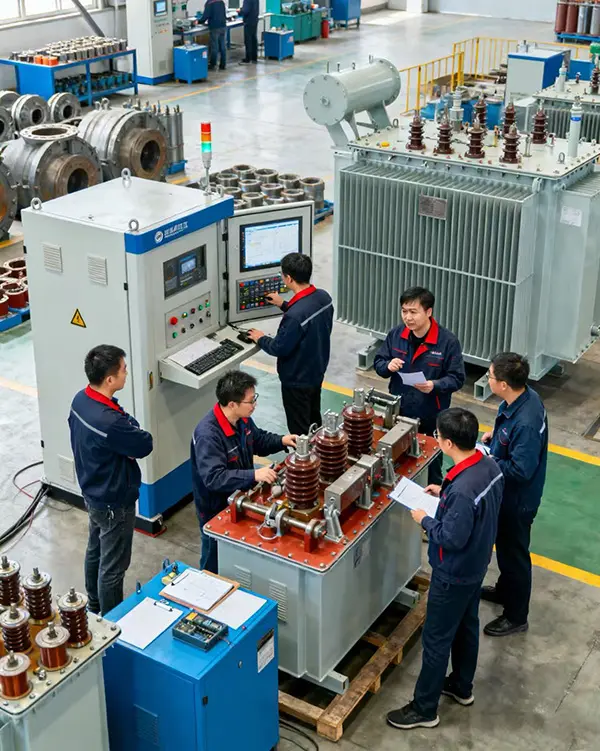
Wuxi Shuhong Machinery maintains a fully integrated industrial chain layout—spanning design, raw material preparation, coil winding, assembly, drying, and final QA testing. This complete operational control ensures that every transformer conforms to international standards.
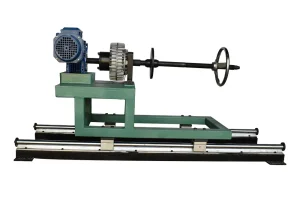
By producing our own high-precision winding equipment—including 3D wound core winders and CNC silicon steel sheet cutting lines—we maintain total control over the manufacturing tolerances of our electrical coils. This dual expertise as both transformer manufacturer and machinery builder allows us to continually optimize our designs for superior efficiency and thermal performance.
At Shuhong Machinery, our success is built on our core philosophy: "People-Oriented, Collaborative Innovation." We believe that engineering reliable electrical systems requires the dedication of highly trained, motivated professionals.
Professional Growth: We offer a comprehensive, structured training program across all manufacturing, design, and QA roles, and encourage our engineering team to participate in national power grid symposiums.
Cross-Department Collaboration: By utilizing advanced ERP and project management systems, we connect our design lab directly to the production floor, allowing for rapid prototyping and customization based on client feedback.
Performance-Driven Incentives: We maintain a merit-based incentive structure and equity programs to keep our engineers and technicians focused on quality and manufacturing precision.
"Implementing Wuxi Shuhong's dry-type transformers in our industrial automation setup reduced our downtime by 14%. The thermal performance has been outstanding, keeping temperature rise well within safe operational limits even during summer load peaks."
— Lead Electrical Engineer, Siemens Latin America Contracting

Looking to the future, Shuhong Machinery will continue to focus on its core principles: "People-oriented, Integrity-driven, Collaborative Innovation, and Quality First." We plan to increase R&D investment to further optimize core transformer technologies, with a focus on smart grids, high-efficiency amorphous systems, and advanced winding equipment.
We are actively expanding our partnerships with international distributors and engineering firms, working to supply durable, energy-efficient power equipment to infrastructure projects worldwide.
Detailed technical answers to common questions about low-voltage transformer procurement and installation.
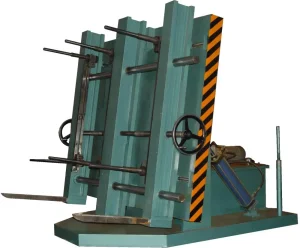
Explore our specialized heavy machinery and winding line accessories for transformer factories.