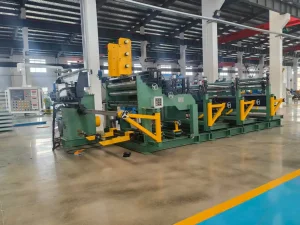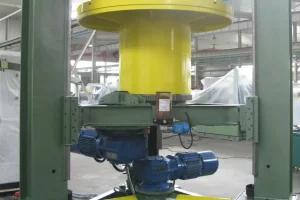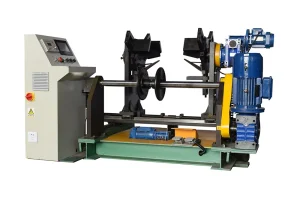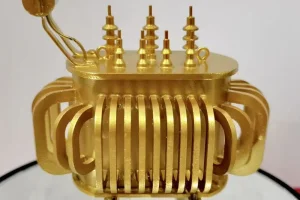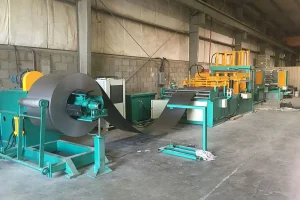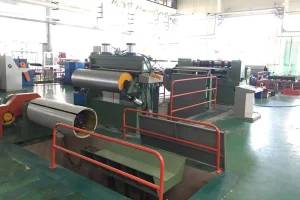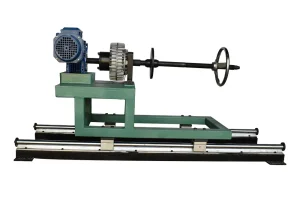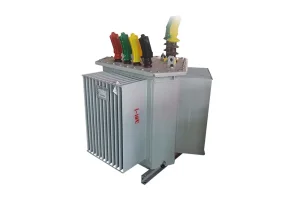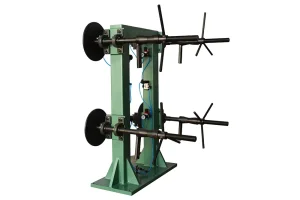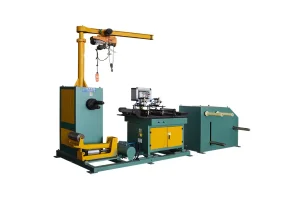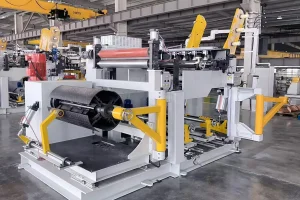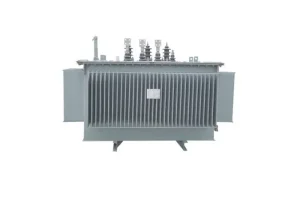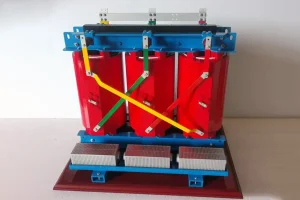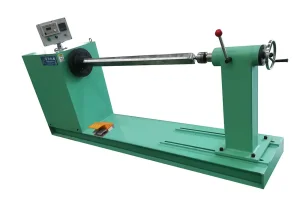
Explore our top-tier manufacturing equipment and transformer core systems designed for high-efficiency electrical applications.
High-Voltage (HV) winding represents the critical core component of electrical distribution systems, playing a crucial role in grid stability, transmission safety, and overall system efficiency. To meet the demands of global power infrastructure projects, HV winding requires unprecedented precision in winding execution, insulating materials application, and structural reinforcement. Without rigorous compliance with electrical tolerances, transformer networks run severe risks of electrical breakdown, copper losses, and catastrophic thermal runaways.
As modern electricity grids transition toward decentralized renewable energies—such as offshore wind farms and large-scale solar arrays—transformers must withstand fluctuating voltage levels and harsh environments. Advanced mechanical winding technologies, utilizing automatic tension parameters and multi-layer structural configurations, ensure that transformer coils can withstand short-circuit electromagnetic stresses. This engineering depth is what differentiates high-end machinery manufacturers from conventional suppliers.
"By integrating closed-loop control systems, modern winding equipment achieves a layer-to-layer tolerance of less than 0.1mm, eliminating partial discharges and significantly extending transformer operating lifetimes."
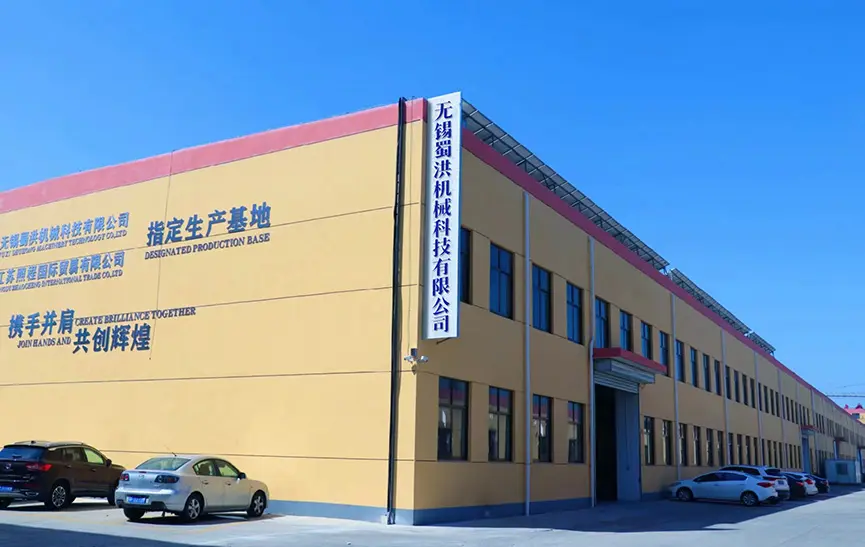
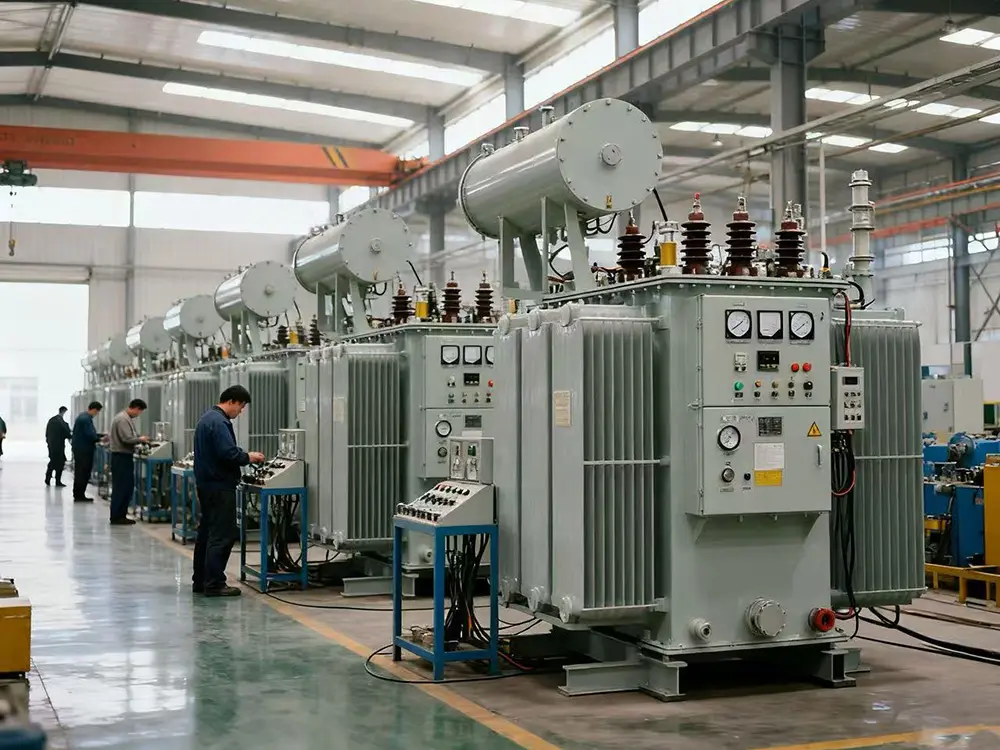
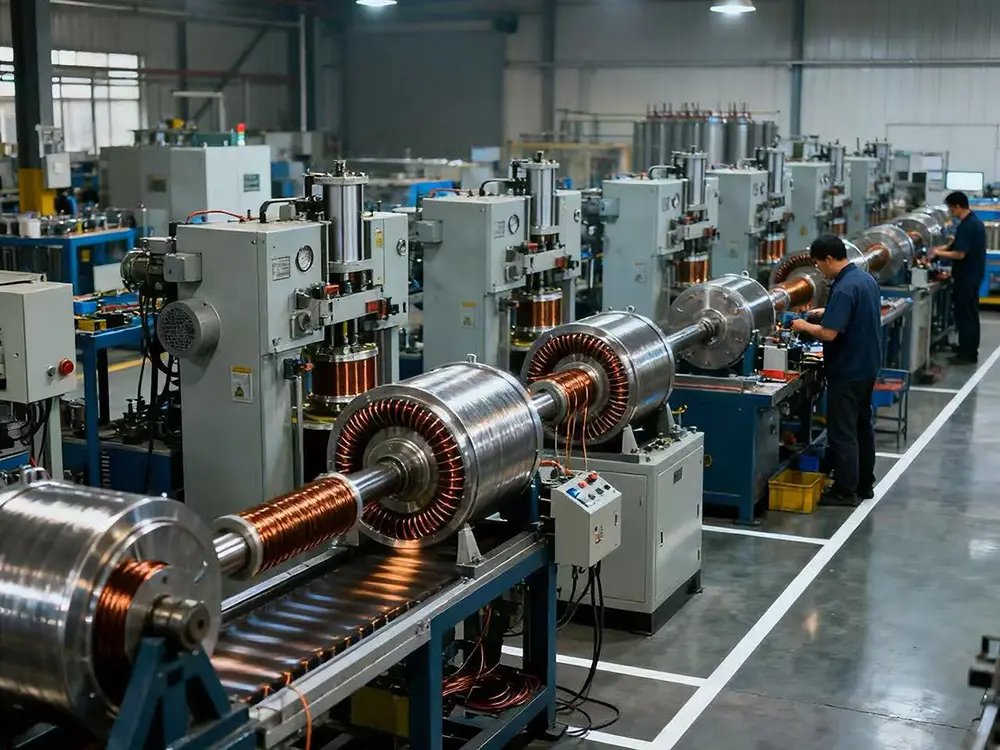
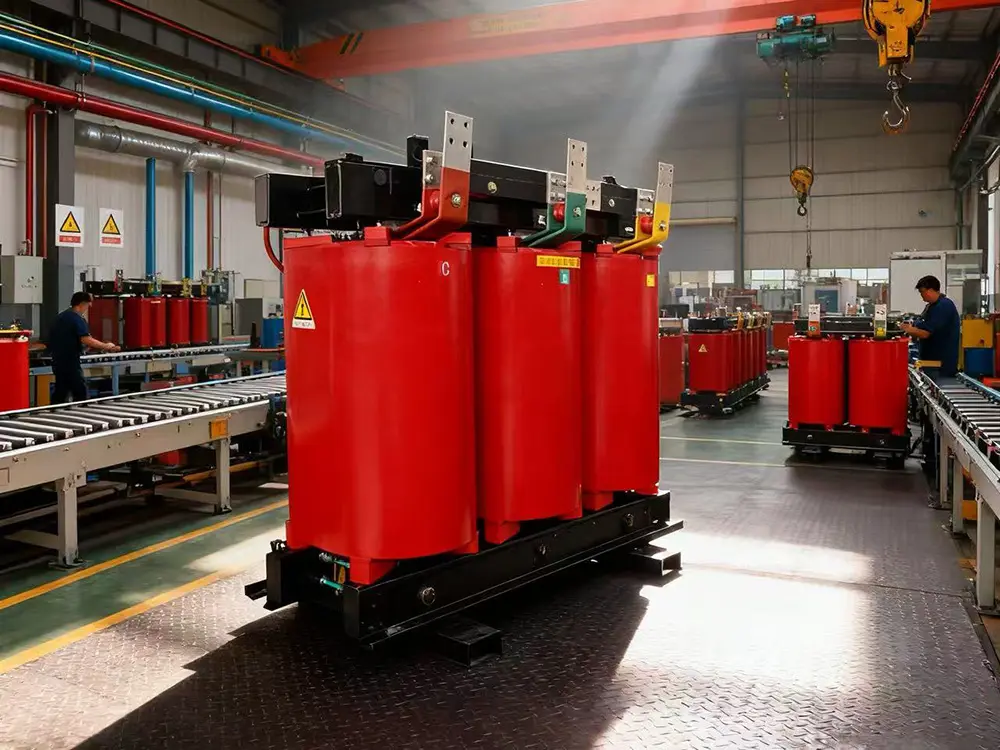
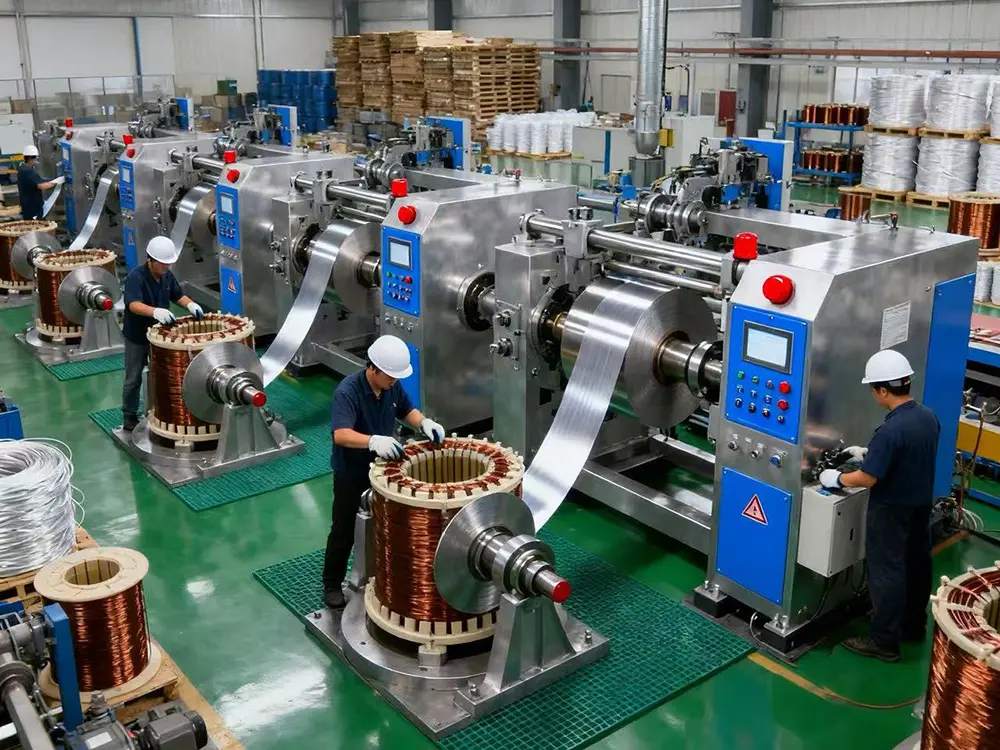
Deeply Developing the Machinery Industry, Empowering the Future of Energy. Located on the shores of the picturesque Taihu Lake in Wuxi, historically known as the "Land of Fish and Rice," Shuhong Machinery has established itself as an innovative industry leader. Since 2018, the company has consistently prioritized technological innovation and quality service, advancing within the electrical and plastic machinery sectors to become a premier high-tech enterprise.
The foundation of Shuhong Machinery is built upon the founder's deep mechanical expertise and long-term vision. With over a decade of hands-on experience, progressing from front-line technical roles to senior production management, our founder observed the domestic machinery sector's shift from "following" global giants to "running alongside" them. Recognizing the industry's need for energy-efficient, intelligent manufacturing systems, the company focused its R&D efforts on resolving stability and temperature-rise challenges in grid equipment.
Connect With Our EngineersChina's manufacturing ecosystem provides key advantages in high-voltage equipment production, combining supply-chain efficiency with technological depth.
Wuxi is situated within China's premier electrical equipment manufacturing cluster. This provides direct access to high-purity oxygen-free copper conductors, advanced CRGO (Cold Rolled Grain Oriented) silicon steel, and specialized insulation materials. This localized supply chain reduces logistics times and ensures material consistency.
Our manufacturing facility adapts to variable scale demands. We handle custom, one-off high-power prototypes as well as large-scale industrial runs, delivering optimal pricing structures without compromising on international engineering standards.
By investing a significant portion of annual revenue back into R&D, Chinese manufacturers like Shuhong lead the way in developing foil-winding micro-tension systems, 3D triangular rolled cores, and low-loss insulation geometries.
From raw material to final testing, our 8-step production cycle guarantees high compliance, thermal efficiency, and mechanical durability.
The manufacturing process at Wuxi Shuhong Machinery is characterized by strict quality checkpoints. During a State Grid project exchange, our founder observed that standard transformers often suffered from improper coil tensioning, leading to hot spots and premature failure. To solve this, we optimized our process to deliver a 30% reduction in temperature rise and a 15-year operational lifespan under standard load profiles.
Precision slitting of CRGO silicon steel coils using high-precision CNC slitting equipment, ensuring clean edges and minimizing burr formation to prevent core losses.
Concentric layer-by-layer winding utilizing microprocessor-driven tension controls to maintain precise tensile strength across copper or aluminum foils.
Thermal stress relief heating within nitrogen-protected atmospheres to restore the original crystalline magnetic properties of the wound cores.
Applying Nomex paper, resin-impregnated glass cloth, or high-grade insulation film between conductor layers to prevent dielectric breakdown.
Integrating the active part of the transformer, aligning the wound cores within the heavy structural clamp frames to resist electromagnetic vibration.
Placing assemblies into vacuum thermal chambers to extract all residual moisture from cellulosic insulation, preventing partial discharge risks.
Filling under high vacuum with inhibited transformer oil (for oil-immersed units) or casting under vacuum with epoxy resin (for dry-type units).
Subjecting products to lightning impulse tests, partial discharge (PD) measurements, load loss analysis, and heat run testing before release.
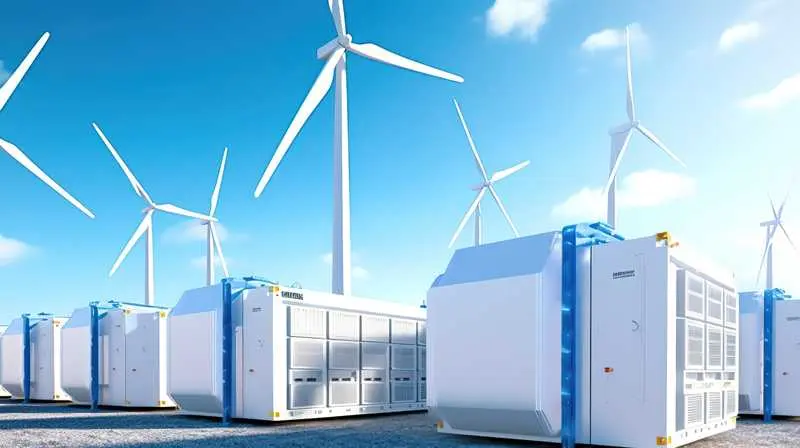
Our HV winding products and automated winding machinery are engineered to support diverse, demanding application scenarios globally:
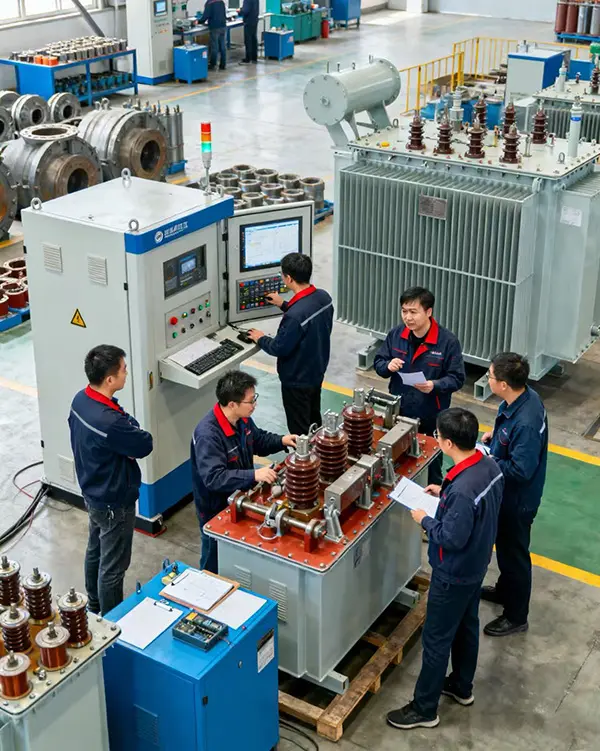

Shuhong Machinery adheres to the team management philosophy of "People-Oriented, Collaborative Innovation", taking our specialized workforce as the foundation of our success. In talent development, we implement comprehensive training paths across manufacturing roles, encouraging engineering staff to actively participate in international technical exchanges and industry symposiums.
To eliminate operational silos, we utilize cross-functional project management systems. This ensures that client specifications from global procurement teams are directly integrated into our automated CNC slitting and foil winding production lines. Our performance incentive systems follow a clear "more work, better performance, better rewards" model, including equity incentives that align team objectives with client satisfaction.
Looking ahead, we continue to prioritize energy-efficient and intelligent machinery designs. By expanding cooperation with global industry leaders, we aim to build an internationally competitive brand, contributing to long-term grid modernization and sustainable energy sectors.
Get answers to critical technical questions regarding high-voltage winding processes, equipment selection, and quality assurance.
Discover our range of heavy-duty rolled core machinery, slitting lines, and energy-saving amorphous alloy core systems.
Our production aligns with ISO 9001:2015, CE directives, and international electrotechnical commissions.