Explore our factory-integrated automated machinery and custom transformer lines designed to minimize grid dissipation and maximize production output.
The global push for carbon-neutral grid distribution has put severe constraints on traditional silicon steel core architectures. Historically, distribution networks lost an estimated 5-8% of total generated electrical energy in the final distribution steps—primarily driven by constant, 24/7 no-load losses within substation transformers. As energy grids move towards integration of decentralized renewable loads and volatile electric vehicle charging requirements, maximizing efficiency has transformed from a regulatory choice to an operational mandate.
Wuxi Shuhong Machinery Technology Co., Ltd. (established in 2018) stands at the convergence of raw material innovation and machinery automation. Strategically operating out of the manufacturing corridor of Wuxi, China, the company's founder built the entity upon over a decade of hands-on technical and managerial experience. Under his vision, Shuhong Machinery addressed critical industry bottlenecks, developing high-efficiency systems capable of delivering a 30% reduction in operating temperature rises and securing structural core lifespans in excess of 15 years.
By shifting from standard flat-stacked configurations to advanced 3D wound cores and amorphous alloy ribbon structures (Fe-Si-B chemistry), Shuhong-engineered systems reduce magnetic hysteresis and eddy current losses, paving the way for ultra-low carbon footprint power distribution.
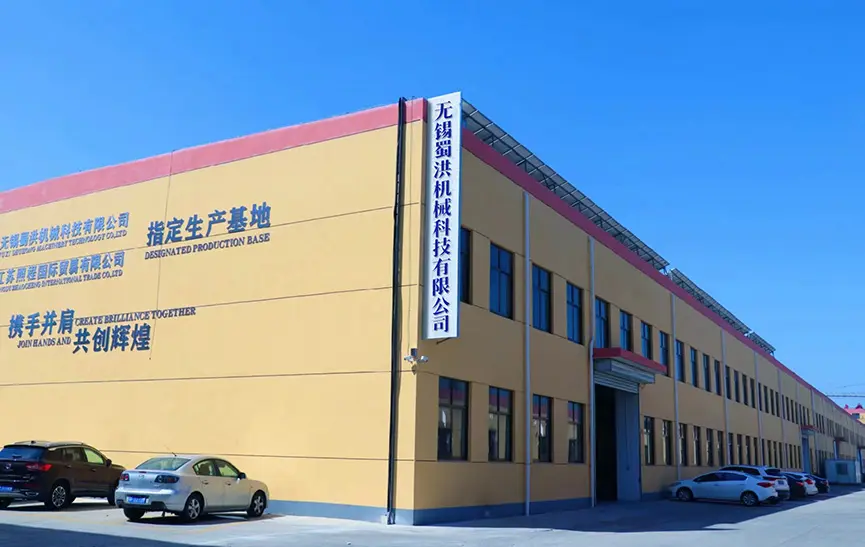
Standardizing organizations and governments are enforcing stringent eco-design policies to enforce high-efficiency grids worldwide.
Europe’s Tier 2 requirements demand stringent reductions in load and no-load losses for liquid-immersed and dry-type transformers. Amorphous core technologies provide the primary pathway to achieve class-leading A-grade efficiency profiles without massive chassis increases.
The revised DOE efficiency standards targeting 2027 implementation heavily favor amorphous material properties. Real-world modeling proves that conventional grain-oriented electrical steel (GOES) cores must become bulkier and more costly to compete with amorphous setups.
Globally, utilities are tackling aging infrastructure. With over 2,000 installations across municipal grids and industrial complexes, Wuxi Shuhong designs demonstrate stability, mitigation of odd harmonics, and reliable performance under volatile grid behaviors.
| Performance Indicator | Standard Grain-Oriented Silicon Steel (GOES) | 3D Triangular Wound Core (Silicon) | Amorphous Alloy Core (Fe-Si-B Ribbon) |
|---|---|---|---|
| Atomic Array Structure | Crystalline (Regular alignment, high resistance to spin rotation) | Crystalline (Optimized grain orientation along winding path) | Non-Crystalline (Randomized glass-like, near-zero domain drag) |
| No-load Core Losses | Baseline Reference (100% loss index) | Reduced by 15% - 25% vs GOES | Reduced by 70% - 80% vs GOES |
| Temperature Rise Profile | Standard limits (e.g., 65K rise) | Slightly cooler running (approx. 5-10% improvement) | 30% cooler running under matching load profiles |
| Audible Noise Level (dB) | Standard (Magnetostriction effects) | Reduced by 5 to 10 dB due to seamless loops | Slightly elevated; mitigated by Shuhong resin dampening |
| Mechanical Deformation Resistance | High mechanical strength | Extremely high, stable geometric frame | Ribbons are brittle; requires specialized structural frame support |
Shuhong Machinery manages a full industrial chain from customized precision tooling to raw materials processing, creating robust transformers built to run cooler and last longer.
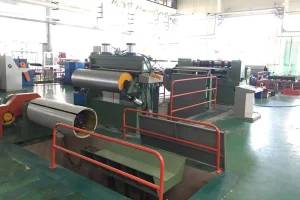
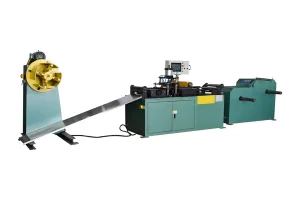
High-precision slitting of silicon steel coils and amorphous ribbons using specialized CNC longitudinal slitting equipment. Tool tolerances are kept within microns to eliminate edge burrs that trigger localized eddy-current clusters.
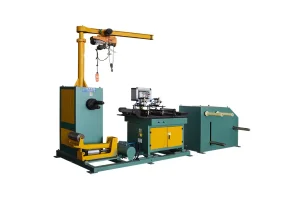
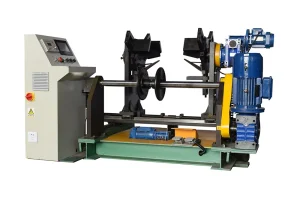
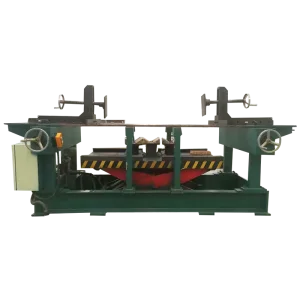
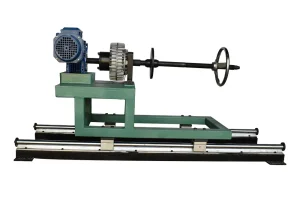
Using our custom 3D wound core winding machines, ribbons or strips are continuously wound onto circular or triangular mandrels under strict mechanical tension controls, eliminating air gaps.
Crucial heat-treatment inside dynamic vacuum furnaces filled with protective nitrogen atmosphere. A transverse magnetic field is applied to align magnetic domains and relieve residual mechanical stresses from the winding step.
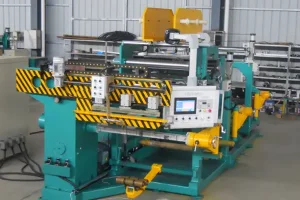
High & Low voltage foil winding machinery wraps copper or aluminum conductors directly over core windows. Dynamic tensioning ensures tight electrical integration, reducing mechanical shift during thermal cycles.
Components are joined on assembly tables using specialized heavy-duty clamps and vibration-damping polymers to house the fragile amorphous ribbon and protect it from mechanical vibration.
Complete assembly undergoes controlled thermal vacuum drying cycles to remove deep moisture from internal insulation board and paper structures, safeguarding the dielectric strength.
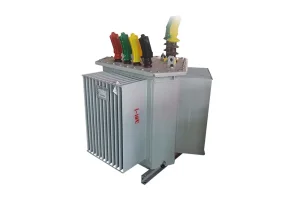
For liquid-immersed units, premium quality dielectric transformer oil is injected under vacuum conditions to eliminate pocket bubbles that could cause corona discharges.
Strict performance verification covering resistance, ratio checks, insulation properties, no-load loss verification, impulse tests, and thermal imaging calibration to prove operational lifespan.
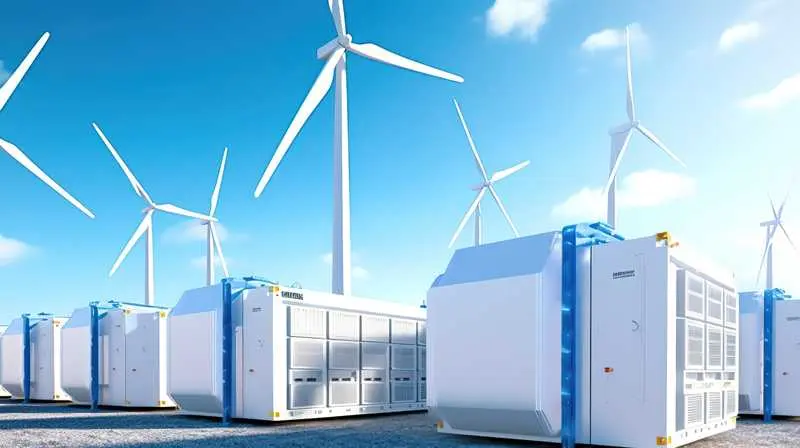
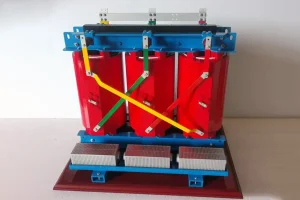
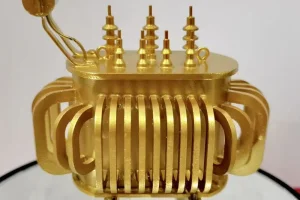
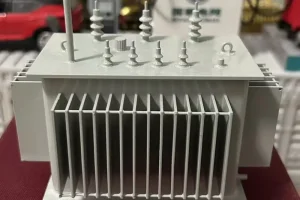
A look at the winding patterns and physical configurations that define Wuxi Shuhong machinery
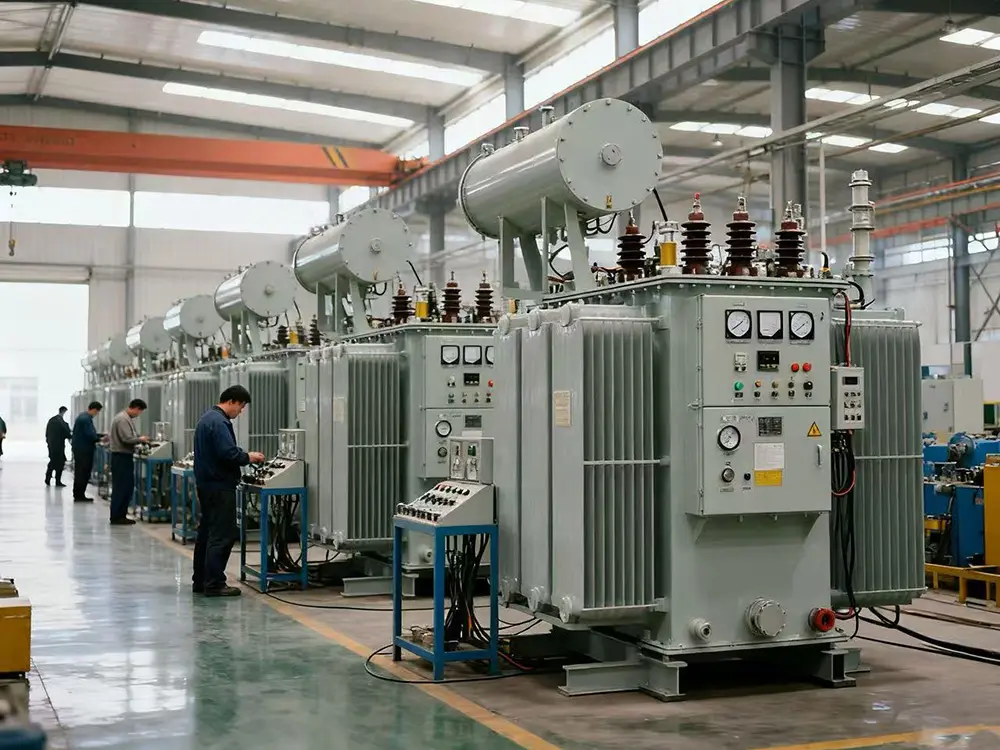
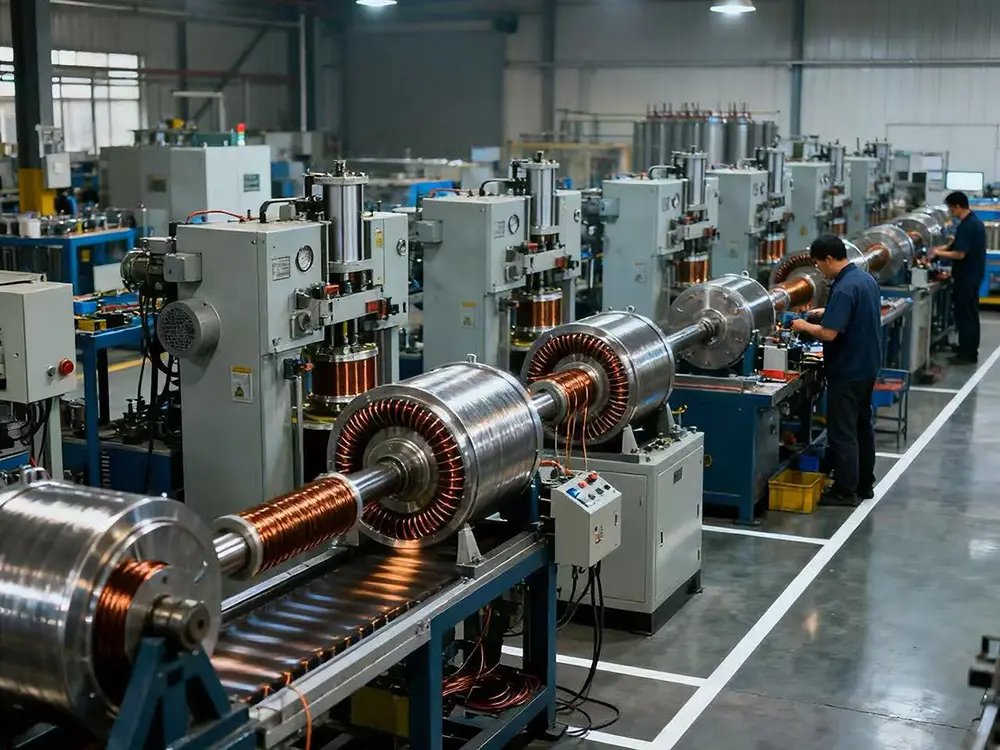
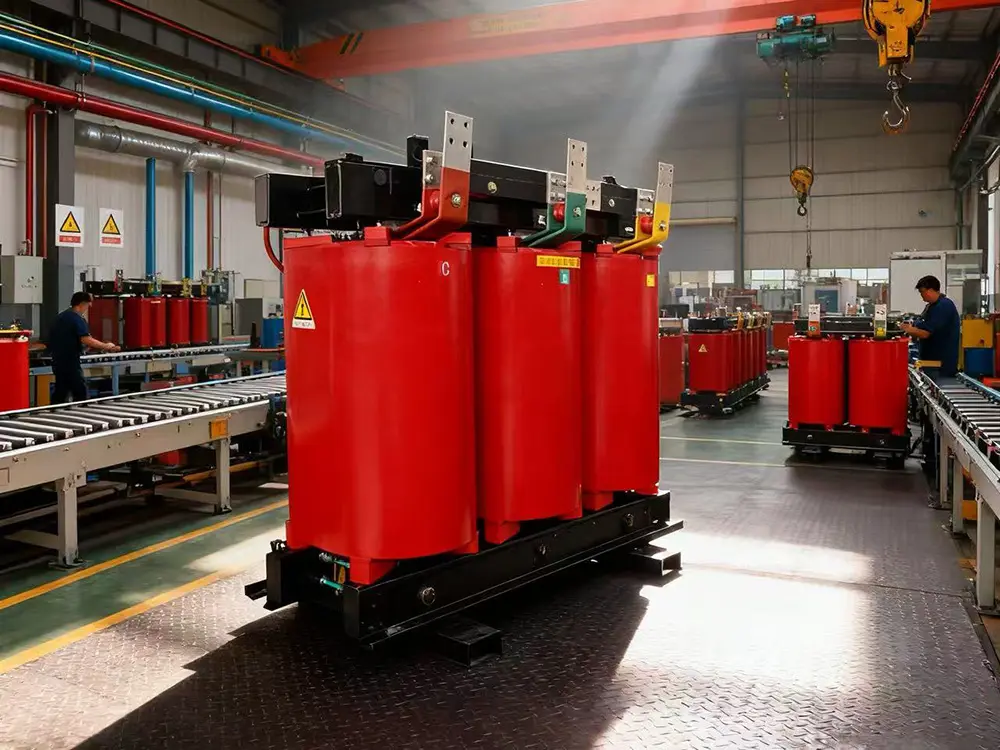
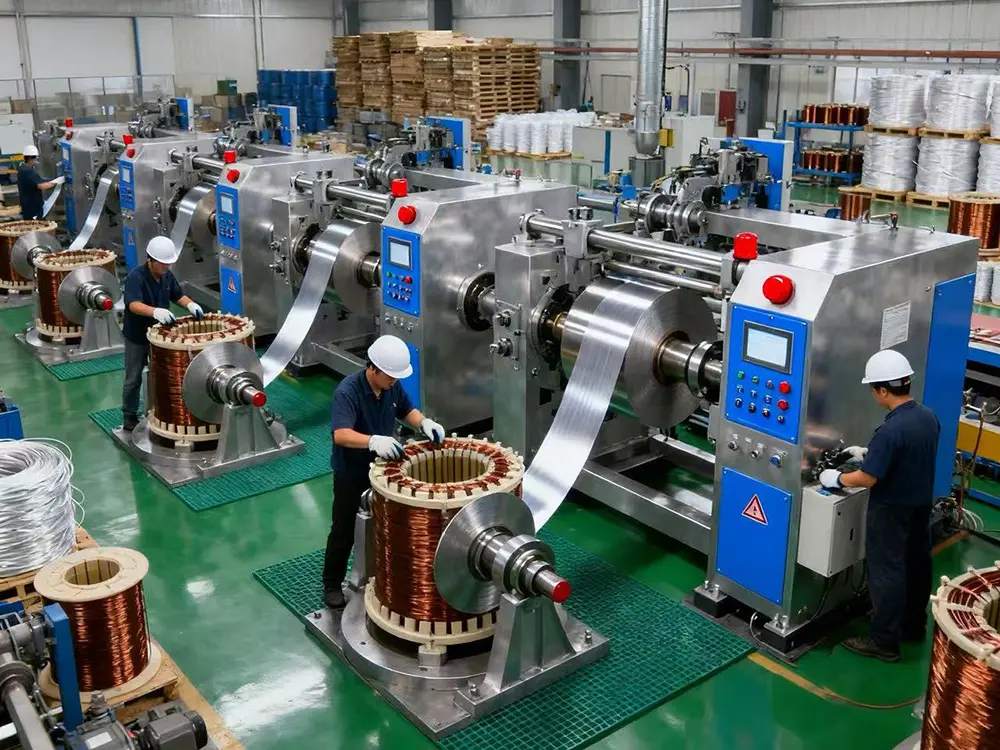
The Yangtze River Delta cluster provides an unparalleled base for specialized electromagnetic component fabrication. Because Wuxi Shuhong Machinery controls both the machinery manufacturing and downstream transformer engineering pipelines, we bypass typical component delays that stall international distribution projects.
By procuring raw Fe-Si-B amorphous ribbons from domestic processing bases and slitting them locally using our CNC equipment, we insulate client projects from supply chain shocks. This vertical integration yields a reliable product that helps control operational budgets:
Amorphous core transformers excel in scenarios with low average loading factors or volatile peak demand cycles, offering a fast return on investment.
Renewable power generation relies on sun or wind availability. During non-generating hours (e.g. night-time solar), standard transformers draw significant base excitation currents from the grid. Switching to amorphous cores reduces this constant draw, improving net plant yields.
With thousands of servers operating under dynamic virtualization loads, even a fraction of a percent efficiency gain significantly cuts power bills and cooling needs. The low-loss characteristics of these units match the high-efficiency goals of green server centers.
Residential load profiles peak in the mornings and evenings, leaving transformers lightly loaded during mid-day hours. Amorphous core models reduce base iron losses when power demand is low, lowering operational costs for utility providers.

Looking ahead, Wuxi Shuhong Machinery is targeting two primary technological goals:
1. Nanocrystalline Core Development: We are testing alloy ribbons featuring ultra-fine grains (approximately 10 nm in diameter) embedded in an amorphous matrix. These structures offer higher saturation flux density, helping reduce core volumes and housing weights while maintaining excellent low-loss properties.
2. Smart Winding Equipment: We are integrating automated, real-world monitoring systems directly into our winding machinery. Real-time optical sensors detect winding anomalies, automated tension controls adjust for wire variation, and robotic tooling aligns core assemblies to prevent mechanical damage to the amorphous sheets.
By linking precision mechanical tooling with next-generation magnetic alloys, Shuhong ensures its partners maintain a technology lead, providing robust solutions that help power grids reduce carbon emissions and run efficiently.
Review answers to common technical, manufacturing, and operational questions regarding amorphous core applications.
Amorphous metals lack a crystalline structure. During production, molten metal alloy (Fe-Si-B) is rapidly cooled at approximately one million degrees Celsius per second, preventing the formation of a crystalline grid. The resulting random, glass-like atomic structure allows magnetic domains to rotate with minimal resistance under alternating currents. This significantly reduces hysteresis losses. Additionally, the alloy's high electrical resistivity and thin ribbon form factor (typically 25-30 μm) help minimize eddy current losses.
Amorphous ribbons are highly sensitive to mechanical strain, which can degrade their magnetic properties. To prevent this, our core assemblies are supported by specialized structural frames rather than carrying the load of the coils. The coils are wound on separate tubes, and the core is carefully inserted. We also use specialized assembly tables and vibration-damping polymers to insulate the core from mechanical impacts during shipment and grid operations.
All our products comply with international specifications, including the IEC 60076 series for power transformers, IEEE C57.12.00 standards for general distribution configurations, European Eco-Design Tier 2 requirements, and GB/T 22072 specifications for amorphous alloy distribution transformers. Quality checks are run at our certified facility to ensure each unit meets client load specifications.
Annealing helps relieve stress introduced when the amorphous ribbon is wound. The process is conducted under vacuum or protective nitrogen atmospheres at temperatures around 350°C to 400°C. An external magnetic field is applied to align the easy axis of magnetization along the direction of the operating flux. Proper temperature control and field alignment are essential to achieve optimal low-loss performance.
Due to the higher magnetostriction coefficient of Fe-Si-B alloys compared to conventional silicon steel, amorphous cores can generate slightly more noise. To mitigate this, Wuxi Shuhong uses specialized core-clamping designs, dampening pads, and sound-absorbing resin treatments. These methods keep the overall sound level within IEC and municipal utility noise limits.
While amorphous core transformers have a slightly higher upfront cost compared to standard silicon units, their lower no-load loss results in significant energy savings. Depending on local utility energy rates and loading patterns (e.g., wind farms or grids with low average load factors), the initial price difference is typically recovered within 3 to 6 years of continuous operation.
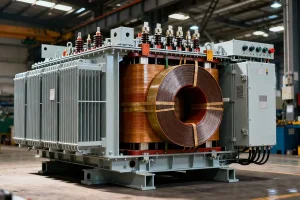
The 3D triangular wound core configuration features a symmetrical three-phase design that eliminates air gaps at the joints and balances the magnetic paths for all three phases. This symmetry helps reduce magnetizing current draw, minimizes third harmonic distortions, lowers noise levels, and results in a lighter weight and smaller footprint compared to traditional rectangular flat-stacked cores.
We provide complete design flexibility. This includes voltage levels from 10kV to 35kV, capacity ratings from 30kVA up to 2500kVA, dry-type or oil-immersed configurations, custom enclosure protection ratings (e.g. IP23, IP54), integrated temperature control relays, and specialized terminal orientations to match existing substation footprints.
Select from our specialized machinery and transformer configurations to match your local project needs.