For decades, procurement managers for utility substations, renewable energy grids, and large industrial facilities struggled with a classic compromise: selecting between low initial capital expenditures (CapEx) and long-term operational efficiency (OpEx). Historically, the term "cheap power transformer" triggered concerns regarding compromised materials, shorter lifespans, and thermal issues.
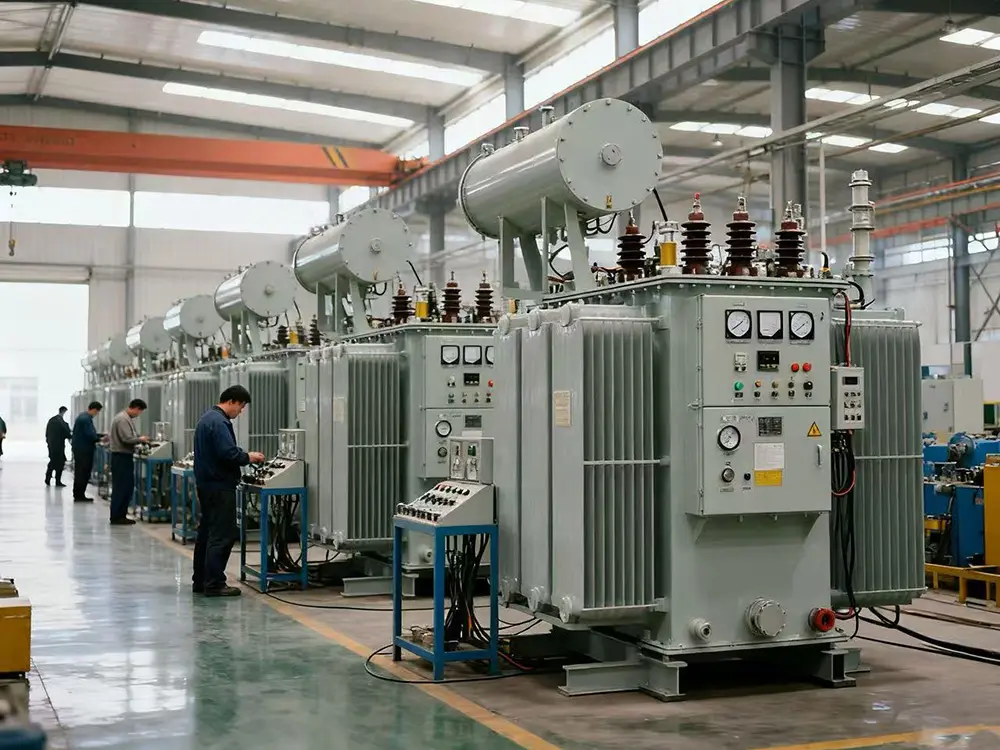
Today, advanced manufacturing ecosystems, particularly those concentrated in Chinese industrial centers, have changed this landscape. By leveraging supply chain integration, automated winding equipment, and advanced core-slitting systems, factories can produce high-efficiency power transformers that comply with international efficiency standards (such as IEEE C57 and IEC 60076) at a significantly lower production cost.
True efficiency is calculated via Total Cost of Ownership (TCO), factoring in no-load loss (core loss) and load loss (winding loss) over a service life exceeding 20 years. This document explores how precision machinery, structural optimization, and regional supply chain synergies allow modern factories to deliver cost-effective, high-efficiency electrical equipment.
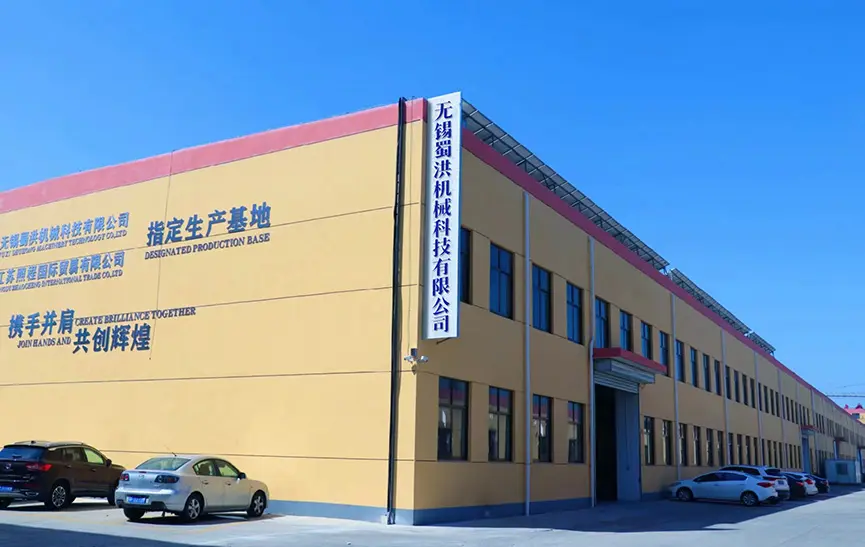
Deeply developing the machinery industry, Shuhong Machinery is a high-tech enterprise located in Wuxi, Jiangsu, on the shores of Taihu Lake. Since 2018, the company has prioritized technological innovation and quality service, advancing in the electrical and plastic machinery sectors to become a trusted global supplier.
Shuhong Machinery originated from its founder’s insight into machinery manufacturing. With over a decade in the industry—moving from front-line technical roles to management—the founder witnessed domestic machinery shift from "following" to "running alongside" global peers, recognizing the demand for energy-efficient, intelligent upgrades.
During a State Grid project exchange, the founder observed that traditional transformers frequently suffered from inadequate temperature control and shortened service life, which compromised grid stability. Recognizing that the emerging renewable energy sector demanded higher equipment reliability, the team shifted focus to the research, development, and manufacturing of high-efficiency, energy-saving transformers and specialized manufacturing equipment.
Overcoming funding and technical hurdles, the team worked in labs and workshops on design optimization. They developed a transformer line boasting a 30% lower temperature rise and a 15-year lifespan under nominal loading. These design refinements received strong recognition from industrial operators and distribution network managers.
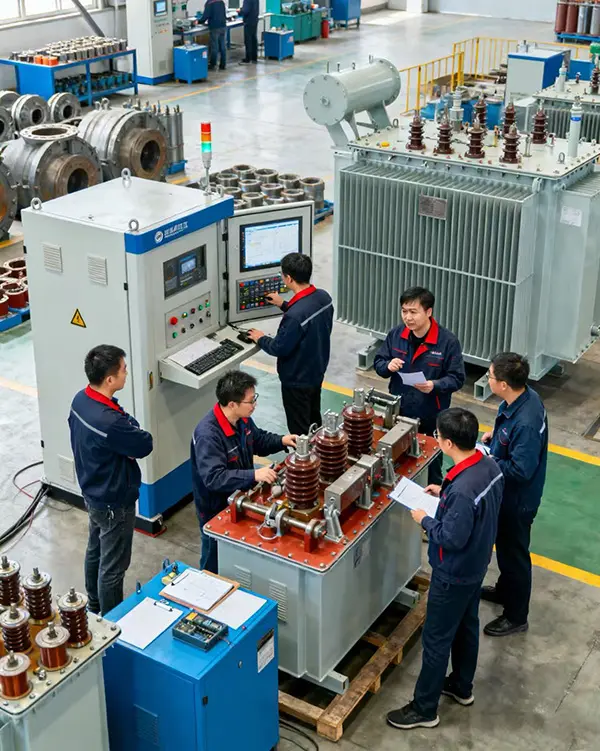
To evaluate a transformer's efficiency, we analyze the thermal and magnetic behaviors of its core and windings. The two primary loss mechanisms are:
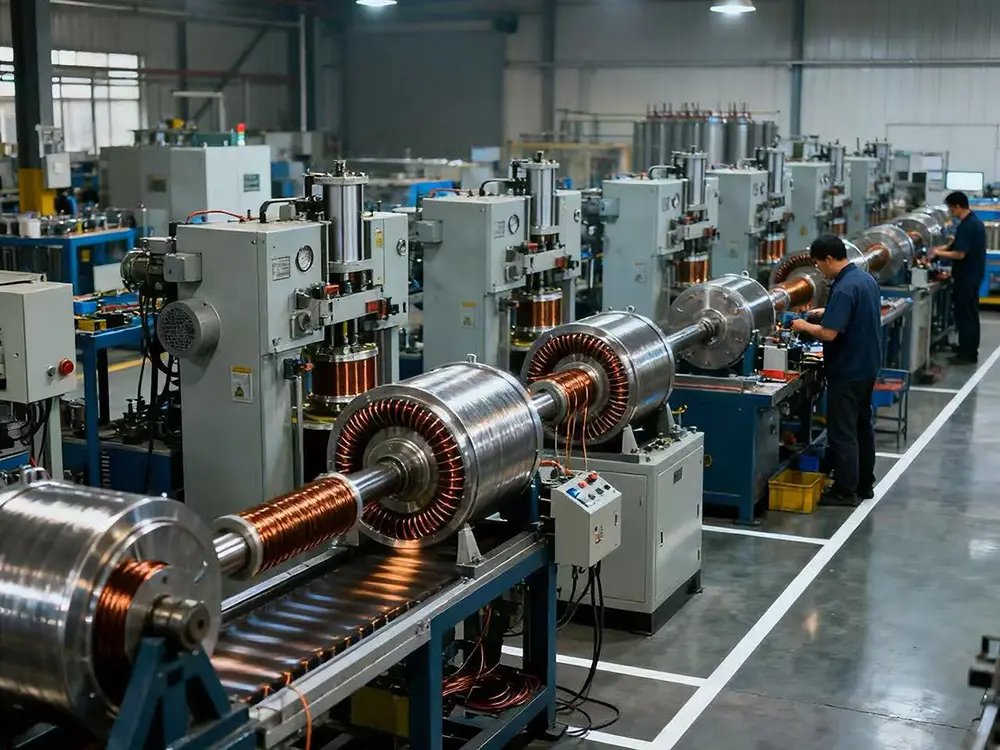
Chinese factories lower these losses by utilizing automated, high-precision equipment. For instance, using 3D wound cores significantly reduces the magnetic circuit length and eliminates standard joints, reducing no-load losses by up to 30% compared to traditional stacked core configurations.
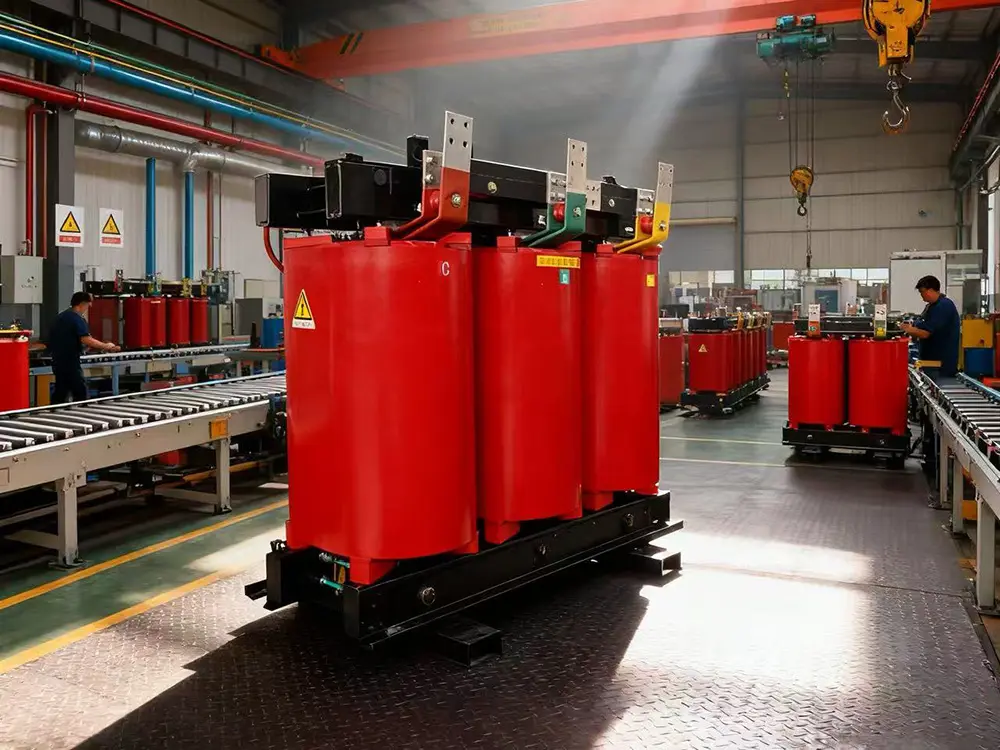
Furthermore, insulation integrity directly affects temperature control. Lower operating temperatures protect the insulation from premature degradation, extending the transformer’s operational life.
The capability of Chinese factories to deliver high-performance equipment at competitive prices relies on structured industrial cluster dynamics, supply chain integration, and automation.
Proximity to raw materials like high-grade CRGO silicon steel, copper conductors, and synthetic insulation oils reduces transportation costs and lead times. This enables local factories to source materials rapidly, keeping operational overhead low.
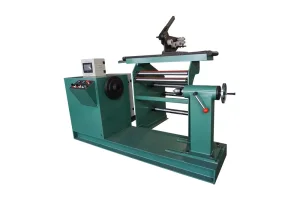
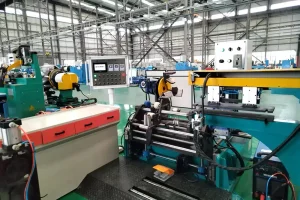
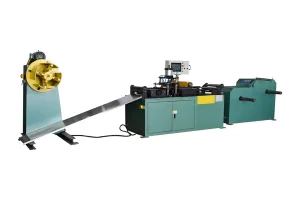
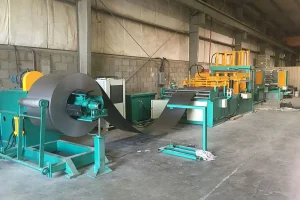
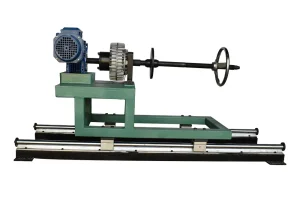
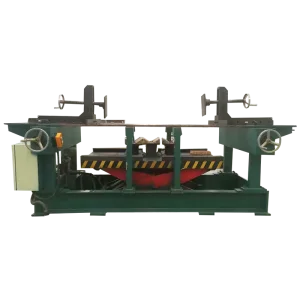
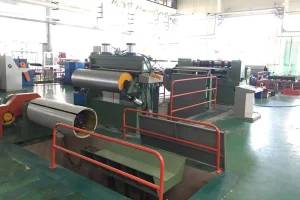
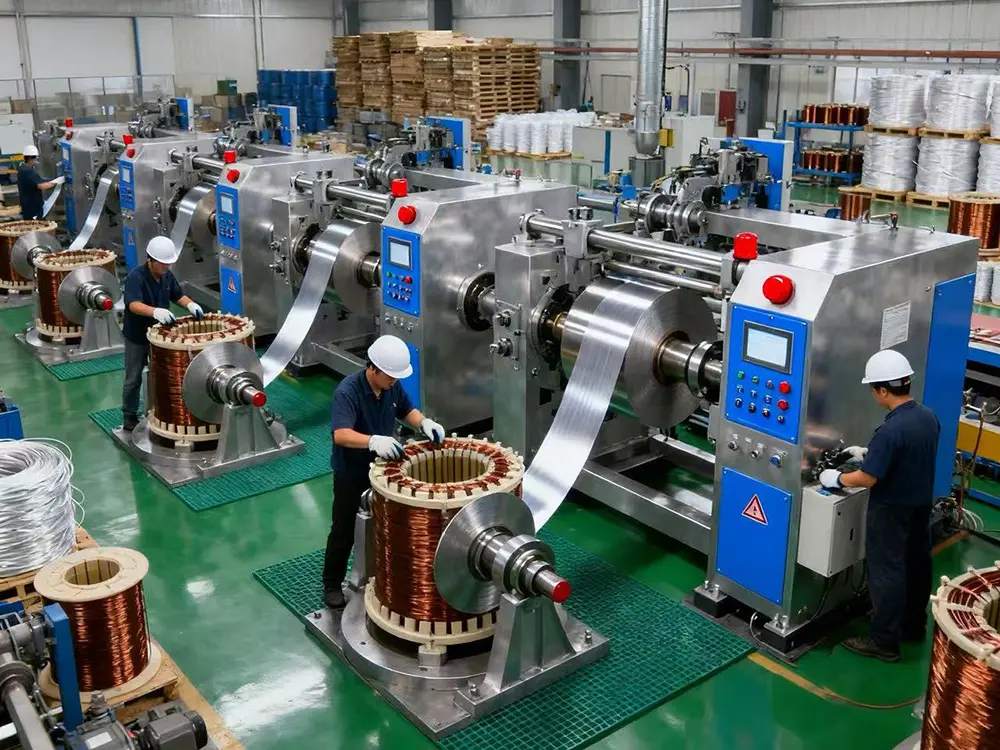
Using computerized numerical control (CNC) slitting lines, automatic foil winders, and specialized assembly tables minimizes manual labor errors. Automation ensures tight core construction and neat coil layering, which reduces localized hot spots and operational losses.
Whether producing standard distribution transformers for urban grids or custom amorphous alloy units for industrial plants, factories can adapt production setups with minimal downtime. This flexibility allows for competitive pricing on both bulk orders and custom units.
Quality assurance steps involved in fabricating high-efficiency power transformers
High-precision slitting of silicon steel or amorphous ribbon.
Creating the magnetic path with minimal gaps.
Relieving mechanical stress to restore magnetic properties.
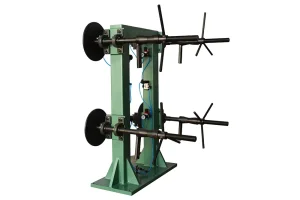
Winding copper or aluminum conductors with precise tension control.
Integrating core, windings, and structural insulation elements.
Removing moisture from cellulose insulation under vacuum.
Filling the tank with degassed dielectric fluid under vacuum.
Verifying losses, insulation resistance, and dielectric strength.
Quality control is central to the manufacturing lifecycle. Each power transformer undergoes standard factory testing, including insulation resistance tests, winding resistance measurements, turns ratio verification, and load/no-load loss checks.
Advanced diagnostic tools confirm that core clamping pressures, oil quality, and mechanical tolerances meet structural integrity and efficiency targets before delivery.
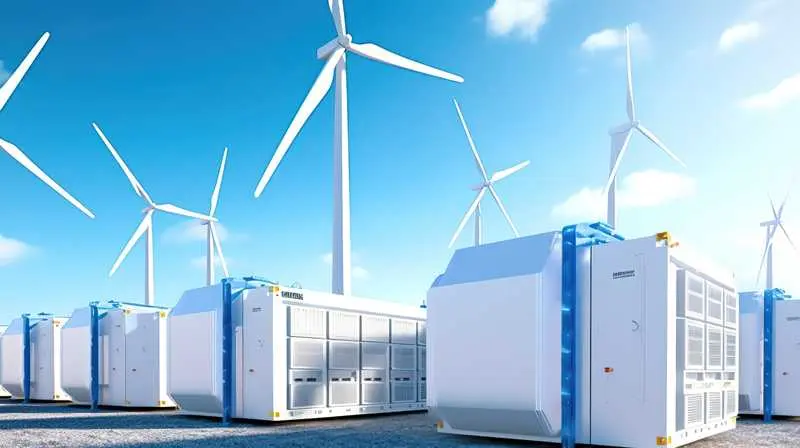
Industrial facilities, utility companies, and EPC contractors use high-efficiency transformers to support grid stability, clean energy integration, and operational efficiency.
Solar and wind generation systems require step-up transformers that can handle fluctuating loading profiles and harmonic content. High-efficiency amorphous alloy transformers help minimize power losses during low-generation periods, maximizing total energy yield.
Aging grid infrastructures contribute to distribution system losses. Upgrading to high-efficiency distribution transformers helps utilities reduce grid losses, lower operating costs, and meet carbon emissions targets.
Manufacturing complexes, metallurgical plants, and chemical facilities rely on stable voltage profiles and high load capacity. Low-loss transformers with superior thermal dissipation prevent voltage drops, protect equipment, and minimize cooling requirements.
When sourcing power transformers internationally, procurement teams should evaluate several factors beyond the initial price quote:
Staying True to Our Original Aspiration and Striving for Greater Goals
Looking forward, Shuhong Machinery will uphold its business philosophy of "People-oriented, Integrity-driven, Collaborative Innovation, and Quality First." The company plans to deepen its focus on electrical and plastics machinery, expanding R&D investment to strengthen core technologies and develop more efficient, energy-saving, and automated products.
By expanding partnerships in domestic and international markets, the company aims to support global electrical machinery manufacturing and energy infrastructure development.
Shuhong Machinery values a collaborative innovation model. The company utilizes structural training programs, a performance-based incentive system, and cross-departmental project management to maintain manufacturing quality and support product development.

Technical insights regarding power transformer efficiency, manufacturing, and sourcing
Need custom specifications or factory capacity assessments?
Contact Our Technical Engineers