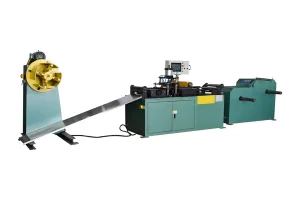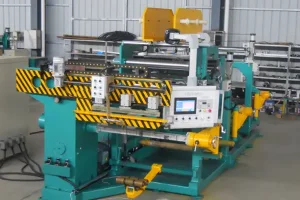
Industry-standard automation equipment engineered for high-performance power transformer and electrical cable manufacturing.
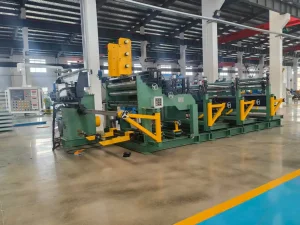
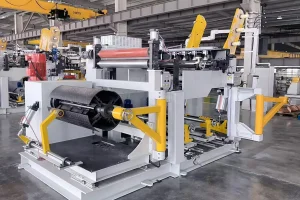
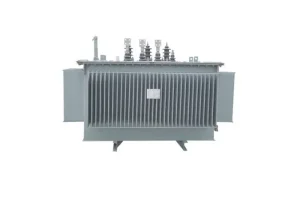
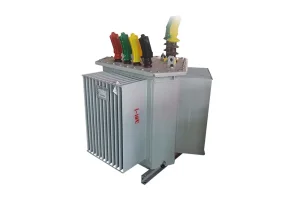
An in-depth whitepaper on transformer assembly lines, core cutting technologies, and manufacturing automation trends.
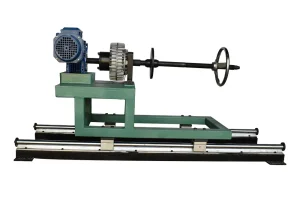
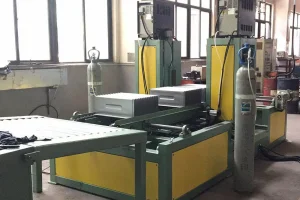
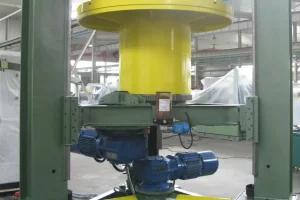
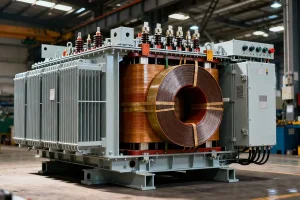
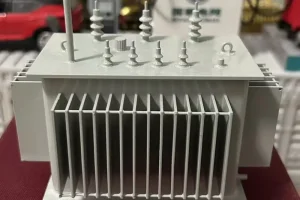
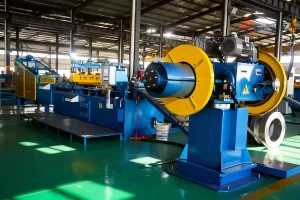
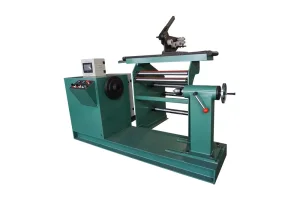
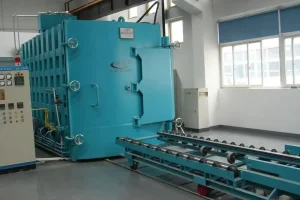
The global electric power infrastructure is undergoing the most significant transformation since its inception. Driven by the rapid growth of renewable energy integration (solar, wind, and tidal networks), the rapid expansion of EV charging grids, and global carbon reduction mandates, demand for advanced power transformers has skyrocketed. At the core of this transition are "Voltage Machines"—highly specialized manufacturing systems utilized to produce distribution transformers, high-power reactor systems, and specialized industrial coils. The machinery includes automatic foil winding machines, CNC silicon steel cross-cutting lines, vacuum heat treatment annealing furnaces, and core-winding systems.
Historically, the power transformer sector relied heavily on manual winding, sheet stacking, and traditional laminations. However, modern standards require lower core losses, minimal electromagnetic interference, and compact designs. For instance, the switch from standard silicon steel stacked cores to amorphous alloy and 3D triangular rolled cores has dramatically altered the machinery required for production. Manufacturers must transition from mechanical systems to ultra-precision CNC-driven servo control setups capable of maintaining structural integrity and exact dimensions under high production speeds.
Furthermore, geographical grid conditions dictate equipment demand. In the European Union, ecodesign regulations require ultra-low loss distribution units, forcing manufacturers to adopt specialized amorphous alloy core machinery. In the United States, grid updates demand high-durability stacked core machinery capable of rolling out heavy-duty step-lap transformers. In fast-developing economies, the focus is on standard distribution and power transformer manufacturing lines to expand grid reach quickly. Thus, the choice of a high-performance voltage machine factory is critical to keeping pace with these regional regulatory dynamics.
On the shores of the picturesque Taihu Lake lies Wuxi, known as the "Land of Fish and Rice." This beautiful land has nurtured countless enterprising enterprises, with Wuxi Shuhong Machinery Technology Co., Ltd. standing out among them. Since its establishment in 2018, Shuhong Machinery has consistently prioritized technological innovation and quality service, steadily advancing in the fields of electrical and plastic machinery, becoming a high-tech enterprise with both strength and reputation.
By leveraging its strategic location in the Yangtze River Delta engineering hub, Shuhong Machinery bridges the gap between sophisticated software automation and heavy industrial hardware. The company's engineering team focuses on developing machines that decrease physical labor while enhancing the coil winding precision of multi-layered high-power transformer units.
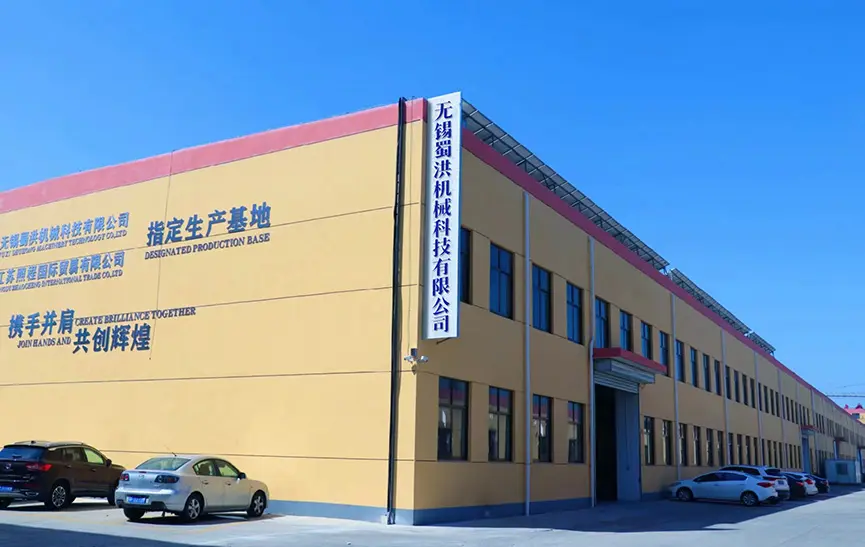
A look at the dedication behind our high-efficiency machinery innovations and research milestones.
Shuhong Machinery originated from its founder’s insight into machinery manufacturing. With over a decade in the industry (from front-line technical roles to management), the founder witnessed domestic machinery shift from "following" to "running alongside" global peers, and sensed the need for energy-efficient, intelligent upgrades.
During a State Grid project exchange, the founder found traditional transformers flawed in temperature control and service life (harming power stability, raising costs) and noted new energy’s higher equipment demands—thus focusing on R&D and manufacturing of high-efficiency, energy-saving transformers.
Overcoming funding and technical hurdles, the team worked day and night in labs and workshops on demos and optimizations, finally developing a transformer design with 30% lower temperature rise and 15-year lifespan, winning high client recognition and establishing a strong core technology base.
Integrating mechanical design, custom automation programming, and modern assembly configurations.
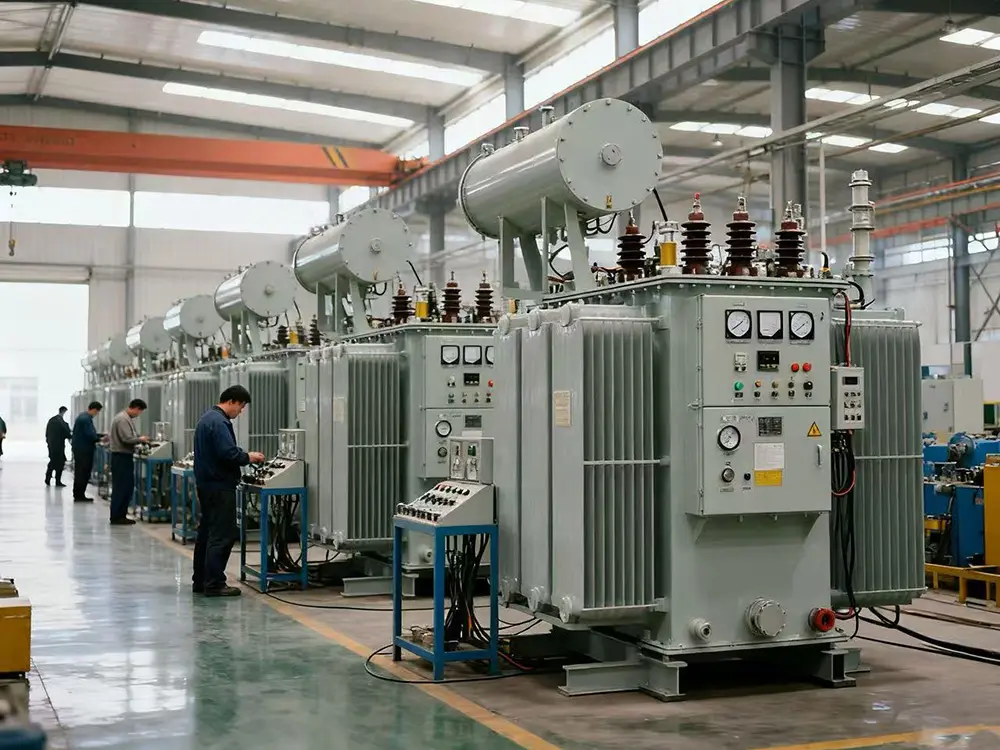
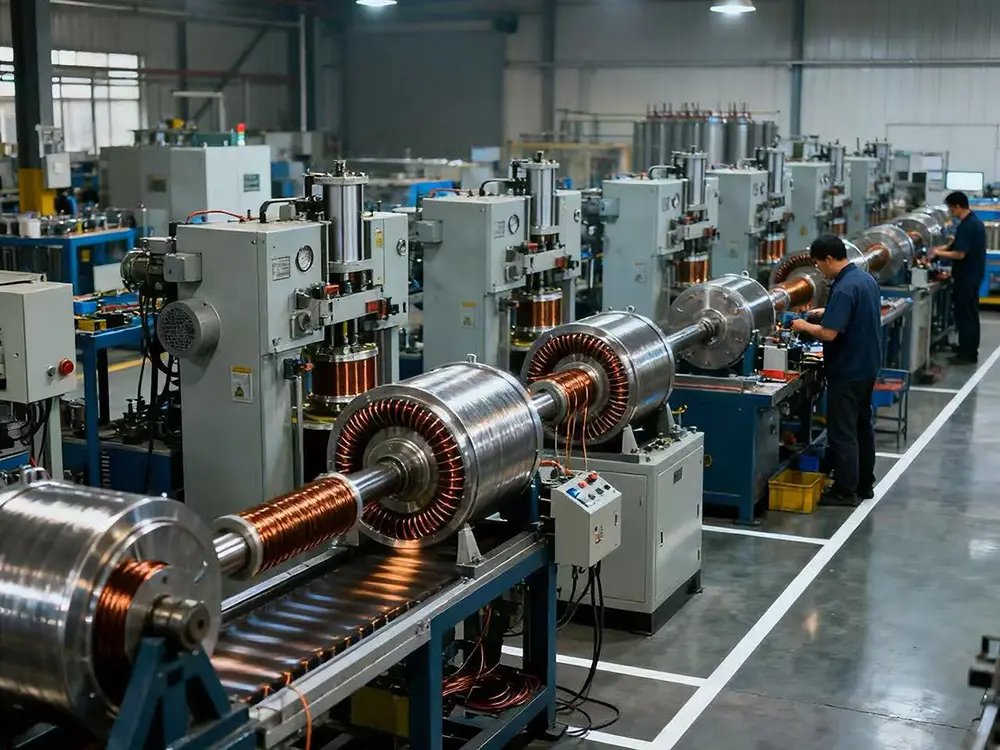
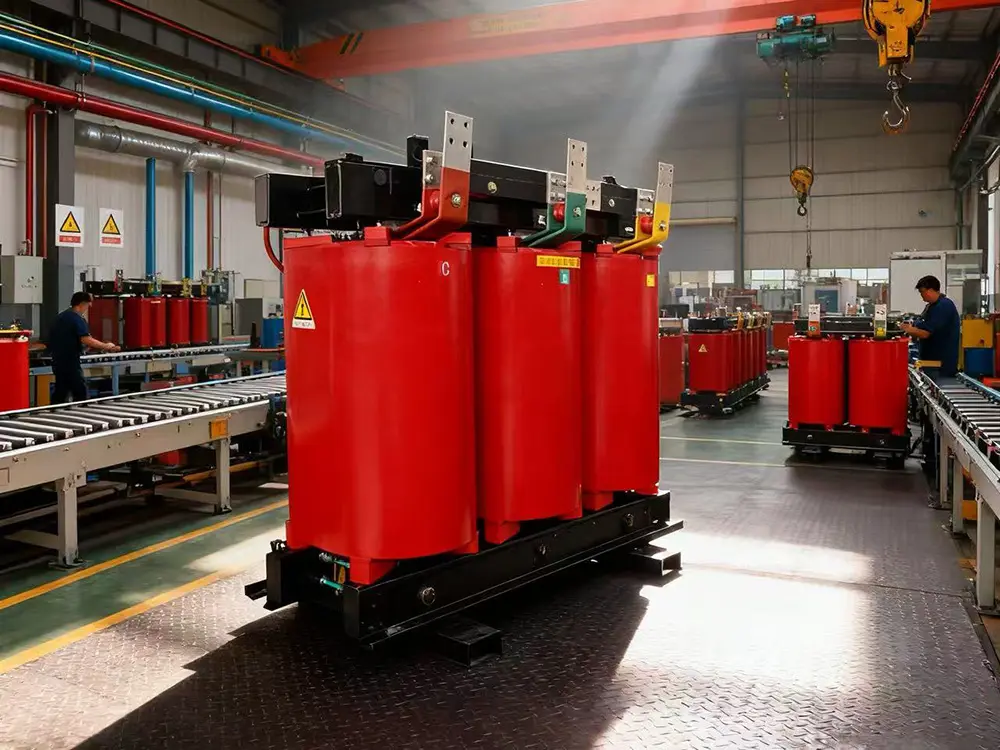
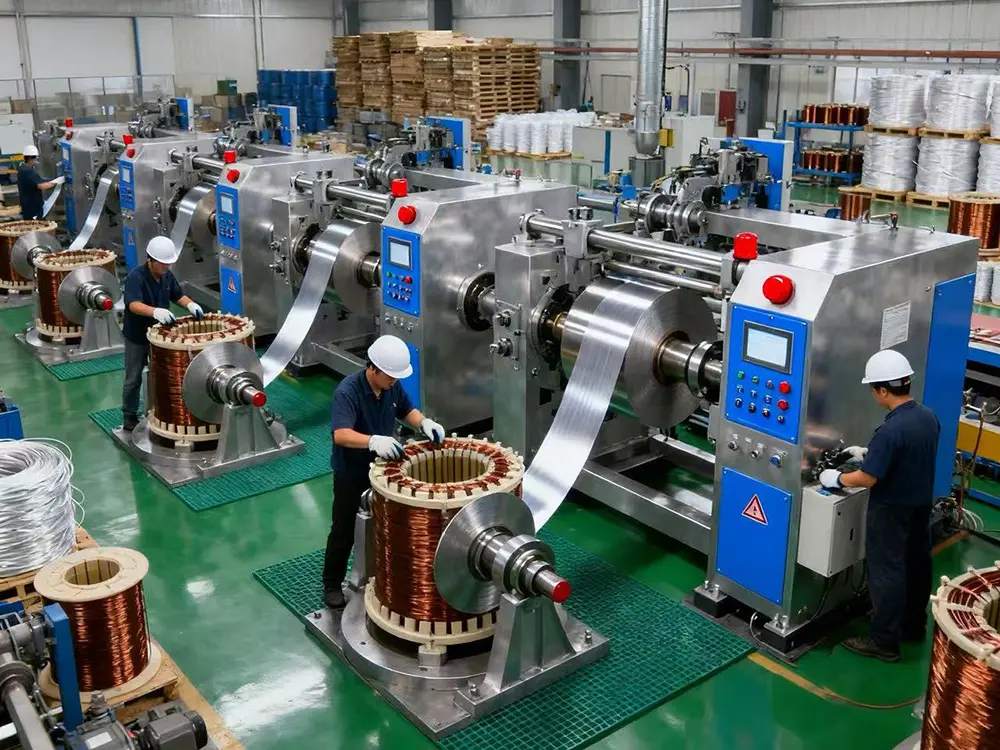
After years of development, Shuhong Machinery has established a complete R&D-design-production-sales-service industrial chain, with a professional R&D team and modern factories ensuring product quality. Focused on technical innovation, it leads in insulation and temperature control; its products have passed State Grid and international certifications. It has supplied over 2,000 substations, boosting China's power and new energy industries.
Servo-driven closed-loop tension systems prevent line breaks, keeping tension uniform on the thinnest copper foils and heavy aluminum strips alike.
CNC silicone sheet cutting lines minimize mechanical burrs, preserving optimal magnetic permeability and core efficiency.
Our designs lower transformer temperature rise by 30% and extend equipment lifespan up to 15 years in rugged conditions.
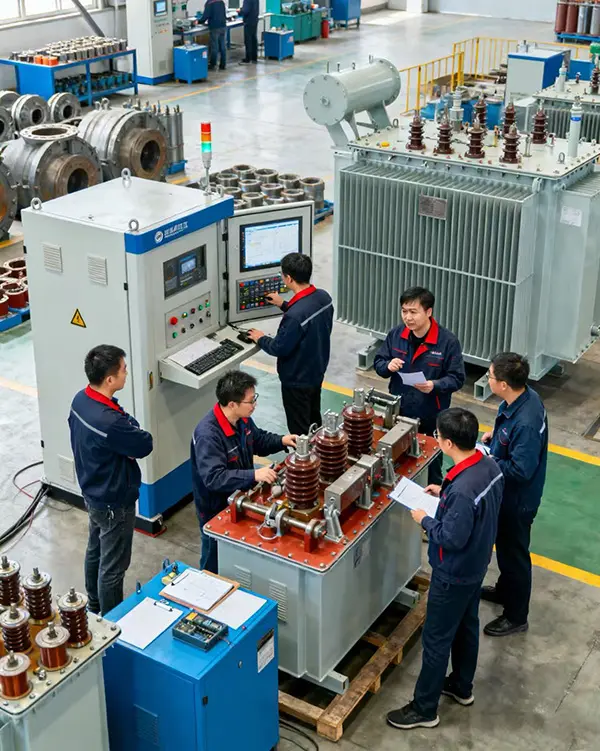
Shuhong Machinery adheres to the team management philosophy of "People-Oriented, Collaborative Innovation", taking an excellent team as its success foundation.
In talent development, it has a comprehensive training system for different positions and encourages employees to join industry technical exchanges.
In teamwork, it breaks departmental barriers with cross-departmental collaboration, uses an advanced project management system, and holds regular team-building activities.
In incentives, it follows "more work, better performance, better rewards", with a scientific performance appraisal system and benefits like equity incentives, motivating employees' enthusiasm.
Uncovering the supply chain efficiencies, technological density, and economic value within Wuxi's manufacturing cluster.
Wuxi and the wider Jiangsu province house the world's most integrated electrical steel and motor components hub. Raw materials, microprocessors, and custom-molded parts are sourced locally, reducing lead times from months to weeks.
Chinese machinery factories design systems targeting diverse markets. Shuhong machines comply with CE standards, UL directives, and standard electrical safety guidelines, making them drop-in ready for global production lines.
Chinese automation integrates advanced features like optical alignment cameras and laser distance sensors as standard, keeping pricing competitive compared to premium European alternatives.
Developing robust voltage machinery requires absolute process control at every manufacturing step, ensuring high durability under long operational cycles.
From core lamination processing to the final multi-level testing sequences, every phase of production is handled in-house to protect machinery tolerances.
Sourcing precision-grade steel alloys and high-purity electrical conductor foils, followed by primary tension winding.
Atmospheric vacuum annealing to relieve molecular stress in magnetic sheets, then winding active insulation and conductors.
Structural mounting, core insertion, and advanced vacuum heating cycles to extract ambient moisture from coils.
Inserting dielectric insulation oils followed by multi-phase testing (impulse voltage, insulation resistance, and thermographic mapping).
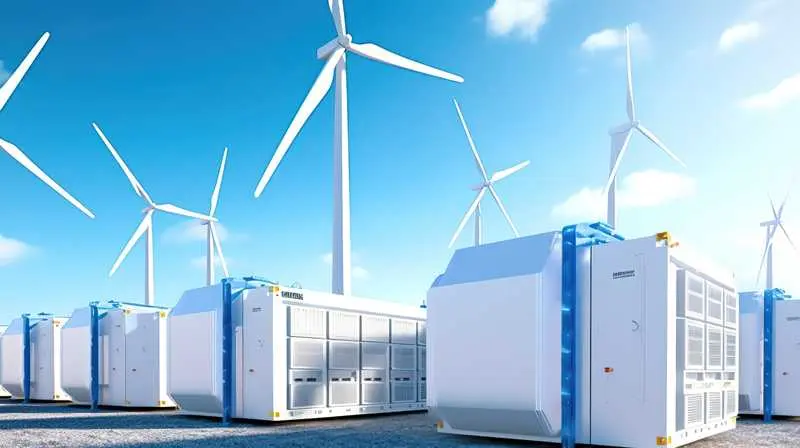
Innovative trends shaping the transformer core fabrication sector.
Because amorphous alloys lack crystalline structure, core losses are up to 70% lower than traditional silicon steel. However, the alloy foil is brittle and thin, requiring automated handling systems that prevent mechanical stress.
Unlike standard planar E-I core setups, 3D triangular cores feature three symmetrical loops. The configuration balances the magnetic circuit, lowers exciting current, and reduces audible transformer hum.
Integrated laser scanners monitor winding profile consistency in real time, auto-adjusting spool speeds to correct tension shifts and maintain alignment within 0.05mm tolerances.
Looking forward, Shuhong Machinery will uphold its business philosophy of "People-oriented, Integrity-driven, Collaborative Innovation, and Quality First." It will deepen focus on electrical and plastics machinery, boost R&D investment to strengthen core technologies, and launch more efficient, energy-saving and intelligent products.
The company will also expand domestic and international markets, cooperate with industry leaders, strive to build an internationally competitive machinery brand, and further contribute to China’s machinery manufacturing and energy sector development.

Key technical specifications procurement managers evaluate when sourcing production machinery.
Precision servos must control wire layout pitch, aligning the wire to the fraction of a millimeter. Any layer overlaps or voids create localized heat build-up and insulation failure.
Poor shear blades create micro-burrs along the silicon steel edges, generating short circuits in laminations and increasing no-load losses.
Industrial lines rely on user-friendly human-machine interfaces. Advanced setups allow programming of winding sequences, wire pitches, and speeds directly from a central touchscreen.
How and where these voltage machines are deployed to support power grid applications globally.
Wind and solar generators output power under fluctuating currents, demanding specialized step-up transformers. Heavy-duty three-layer foil winding machines produce the high-thermal-rating coils required to handle these load swings safely.
Space in dense cities is at a premium. By utilizing amorphous alloys and compact 3D triangular cores, substation designers compress footprint sizes while lowering idle energy losses.
Heavy smelters, high-speed rail lines, and chemical processing facilities consume massive blocks of energy, requiring durable, stable power. Heavy-gauge winding lines produce the robust coils needed to withstand continuous operation without failure.
Expert answers addressing transformer manufacturing equipment, winding parameters, and core line operations.
A foil winding machine is designed to wind wide, flat sheets of copper or aluminum foil along with inter-sheet insulation, typically used for low-voltage, high-current coils. A wire winding machine winds round or rectangular copper wire and requires precise traverse mechanisms to guide the wire across the winding face layer-by-layer, which is ideal for high-voltage windings.
During cold-rolling and slitting processes, mechanical stresses are introduced into the silicon steel core, which disrupt its crystal structure and increase magnetic hysteresis losses. Vacuum annealing heats the steel to around 800°C to relieve these internal stresses, restoring its low-loss magnetic characteristics while preventing oxidation.
3D triangular wound cores feature a symmetrical configuration that balances magnetic flow across all three phases. This design eliminates waste corner pieces, resulting in a 20% to 30% reduction in no-load losses, lower exciting currents, and significantly quieter transformer operation.
Modern machines utilize precision servo motors paired with high-resolution optical sensors and closed-loop PLC feedback. If the system detects a tiny variation in the wire gauge or spooling path, it automatically adjusts the feeding pitch to prevent gaps or overlaps.
Customer Reviews Demonstrate Brand Strength
Since its establishment, Shuhong Machinery has prioritized "meeting customer needs," winning wide acclaim with cutting-edge technology, timely service and full compliance.
Explore our full range of winding machinery, wire handling gear, and custom core processing systems.