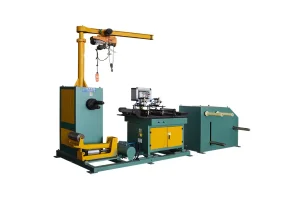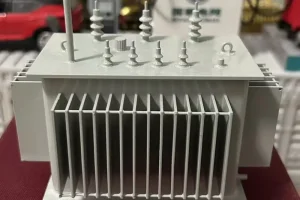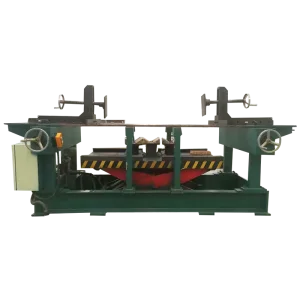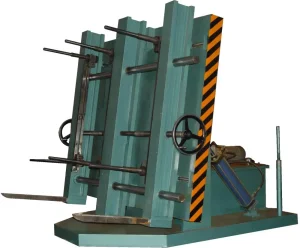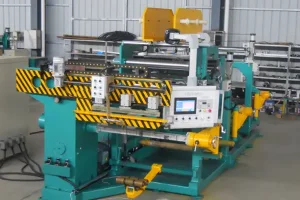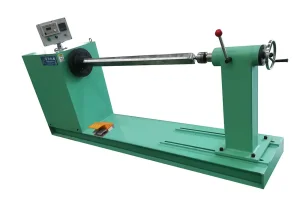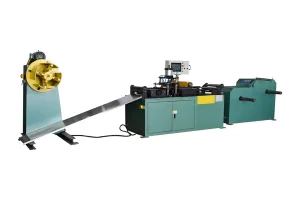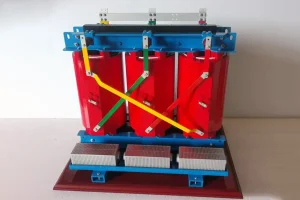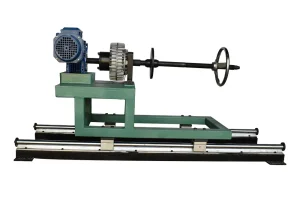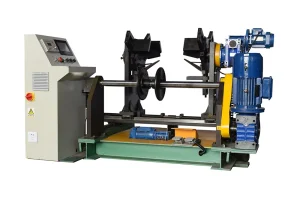
Explore our industrial-grade core assembly systems, automatic winding machines, and highly efficient amorphous alloy processing units.
Evaluating modern utility grid performance, magnetic core design breakthroughs, and global thermal management dynamics.
In modern electrical grids, Transformer Rate (often denoting transformer core efficiency, winding ratios, and voltage/power capacity ratings) sits at the foundation of sustainable energy distribution. The transition to decentralized renewable power networks requires robust core manufacturing systems that can handle extreme current shifts and limit total harmonic distortion (THD). When calculating life-cycle costs, procurement departments realize that core and coil engineering choices are the primary drivers of total ownership value.
Traditional silicon steel designs are increasingly giving way to amorphous alloy core structures. The high magnetic permeability and minimal coercive force of amorphous materials reduce no-load losses by up to 70% to 80% compared to traditional designs. In parallel, advanced winding machines—both foil-based and multi-layered—ensure consistent insulation distribution, improving short-circuit resilience and lowering hot-spot temperatures.
As smart-grid implementations accelerate in the Americas, Europe, and the APAC region, strict efficiency standards require manufacturers to verify operational efficiency metrics. Industrial organizations no longer evaluate transformer procurement through upfront capital expenses alone. Instead, they look at performance factors like optimal core winding tension, automated alignment tables, and the long-term reliability of structural core configurations.
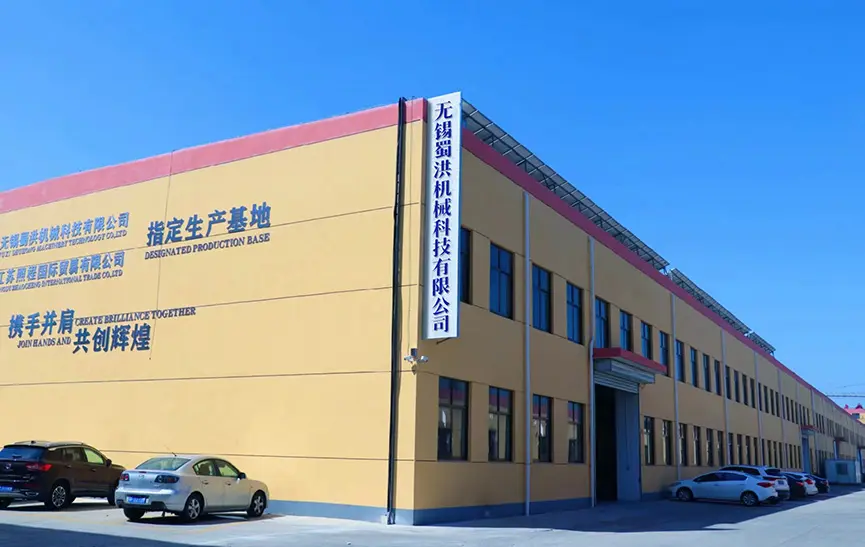
Deeply Developing the Machinery Industry, Empowering the Future of Energy.
Located on the shores of the picturesque Taihu Lake in Wuxi—long recognized as China's premier hub for industrial equipment production—Wuxi Shuhong Machinery Technology Co., Ltd. has established itself as an innovative force. Established in 2018, Shuhong Machinery prioritizes technical innovation and dependable service, developing specialized solutions for electrical and winding applications.
Shuhong Machinery originated from our founder’s hands-on experience in industrial manufacturing. Having spent over a decade in technical roles and operations management, our leadership team observed domestic equipment evolve from following overseas engineering to running alongside global competitors. This unique perspective drove us to focus on energy-efficient and automated core winding machinery.
During a State Grid technical exchange, our team saw firsthand the limitations of traditional distribution transformers—specifically regarding temperature control and service life. These issues led to grid instabilities and increased maintenance costs. We directed our research and development resources to design systems that produce high-efficiency, energy-saving, and long-lasting transformer architectures.
By refining design tolerances and core configurations, our engineering team developed advanced winding platforms that help clients construct transformers with 30% lower temperature rises and an operational lifespan of 15 years. These efforts have earned strong recognition from power companies and global grid systems.
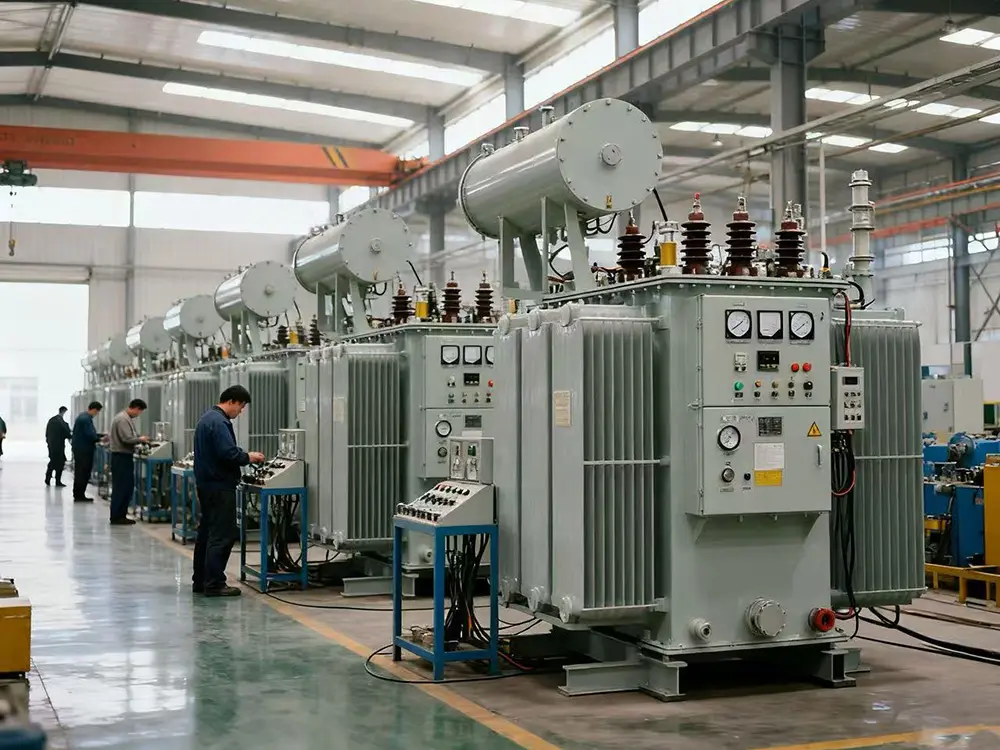
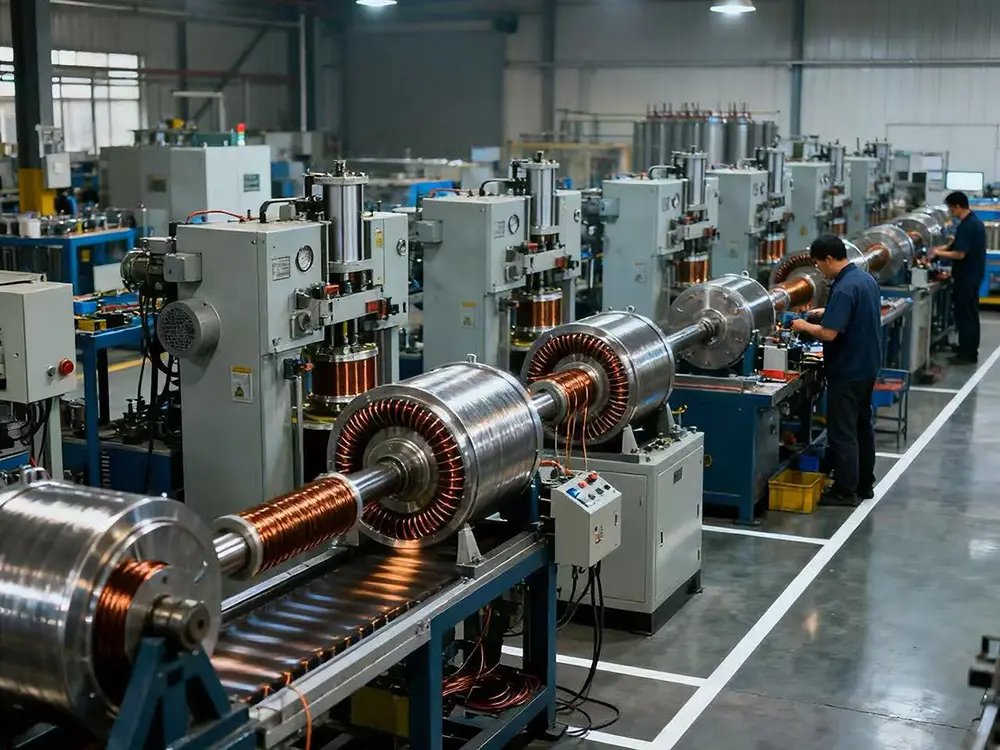
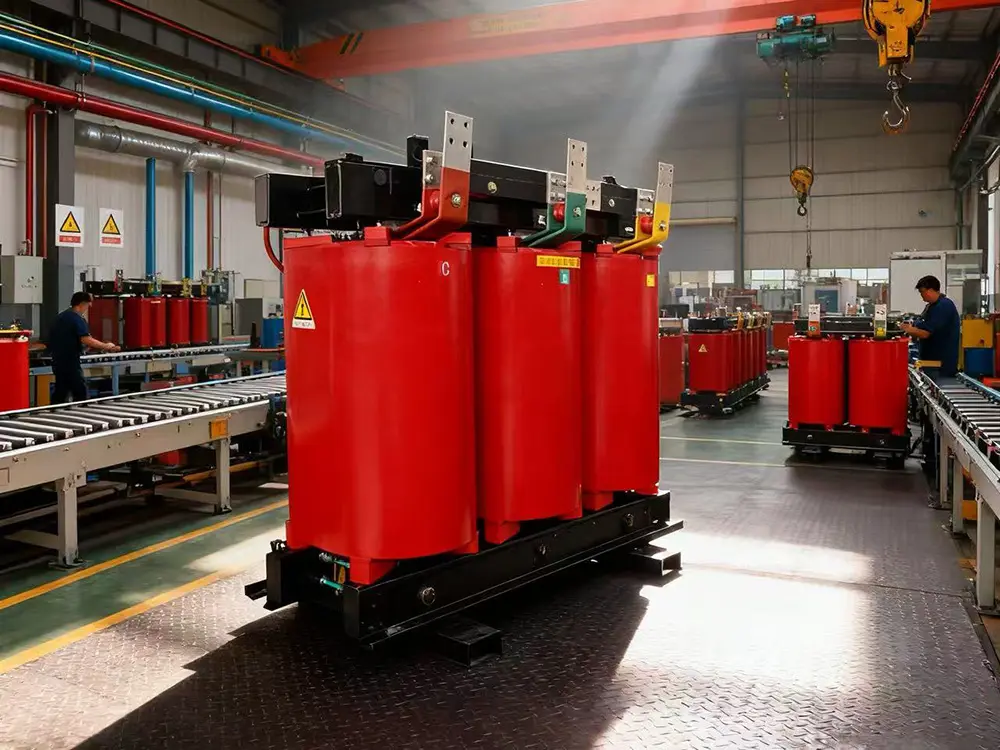
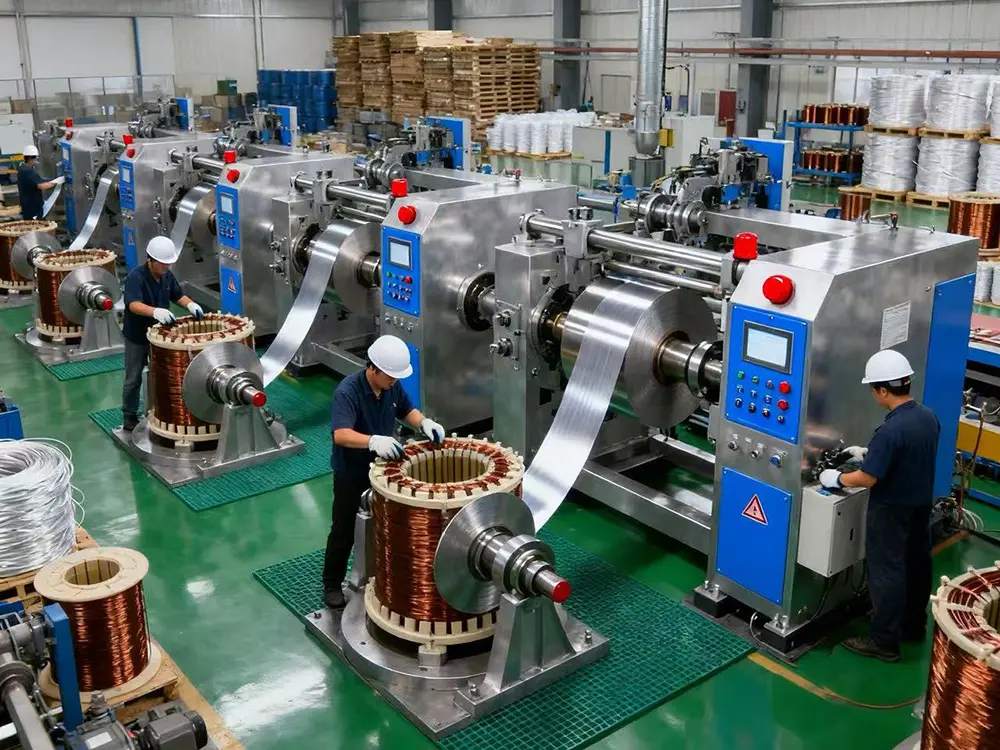
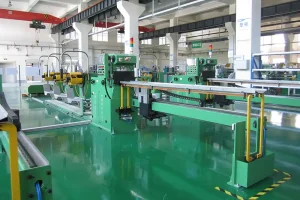
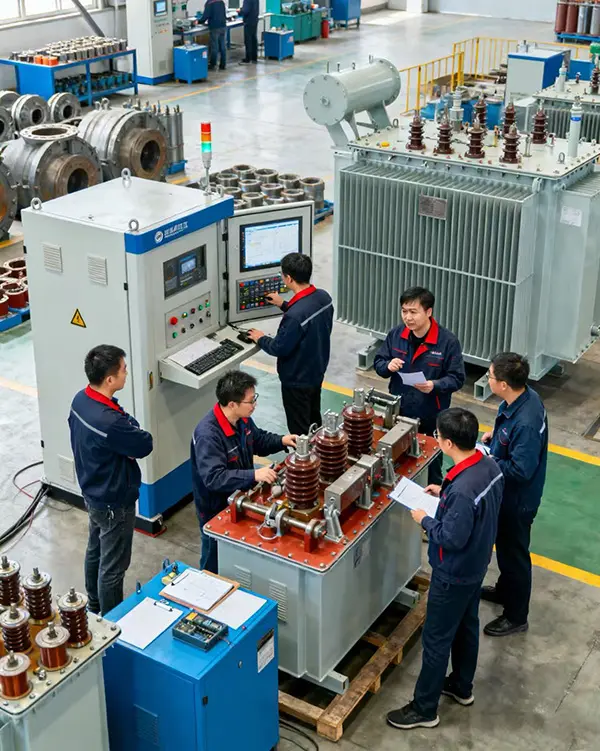
Inside our modern facility: where high-capacity winding tools and core assembly tables are constructed.
Our integrated R&D, design, manufacturing, and support infrastructure ensures exceptional product quality.
By managing our entire production chain, Shuhong Machinery maintains tight control over design, component sourcing, frame welding, and software integration. Our internal engineering department works closely with clients to build custom equipment suited for specific electrical projects, whether using amorphous alloys or standard silicon steel sheets.
Our systems lead the industry in insulation layering and thermal management. Our equipment has passed certifications for major utilities, helping power over 2,000 substations worldwide and supporting the growth of clean energy infrastructure.
Wuxi's established machinery ecosystem allows Shuhong Machinery to provide significant efficiency and economic benefits for international buyers. The concentration of specialized raw materials, mechanical casting plants, CNC component manufacturers, and experienced electrical engineers in East China reduces lead times and lowers shipping costs.
Unlike regional suppliers with fragmented supply lines, Shuhong handles raw material sourcing, heavy component machining, precision assembly, and control system programming under one unified quality management program. This integrated manufacturing model helps our factory quickly adapt to client feedback and design updates, ensuring that custom winding platforms meet or exceed international standards.
Modern electrical networks require transformer equipment tailored to distinct environmental and operational environments:
Global procurement teams look beyond initial purchase prices to evaluate the Total Cost of Ownership (TCO) of electrical equipment. Our manufacturing processes focus on three key variables that help lower TCO:

Striving for greater achievements by staying true to our core manufacturing principles.
Moving forward, Shuhong Machinery will continue to uphold its core principles: "People-oriented, Integrity-driven, Collaborative Innovation, and Quality First." We plan to expand our research and development investments in automatic electrical processing and high-precision core winding systems to build cleaner, more efficient industrial solutions.
We are also working to expand our presence in international markets, partnering with global energy contractors and utilities to deliver robust machinery that advances modern energy systems worldwide.
Following strict manufacturing steps to ensure consistent quality and reliable performance.
To ensure high reliability, we monitor and control every step of the manufacturing process—from initial steel processing to final oil filling and quality testing:
Essential guidance on choosing transformer machinery, evaluating core designs, and understanding efficiency standards.
Browse our selection of heavy-duty pay-off stands, vertical winding machines, and custom shear solutions.