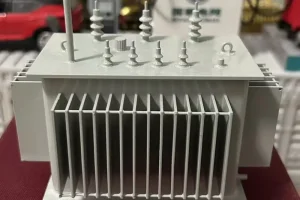
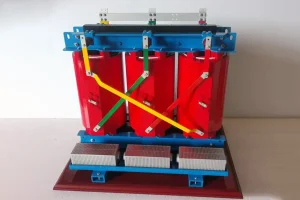
As the global energy transition accelerates, distribution networks face unprecedented stress. Distribution transformers, the unsung workhorses of the power grid, account for approximately 25% to 30% of total transmission and distribution network losses. In this context, optimizing distribution transformer efficiency is no longer an incremental operational improvement; it is a critical mandate for utilities, heavy industrial facilities, and renewable energy developers worldwide.
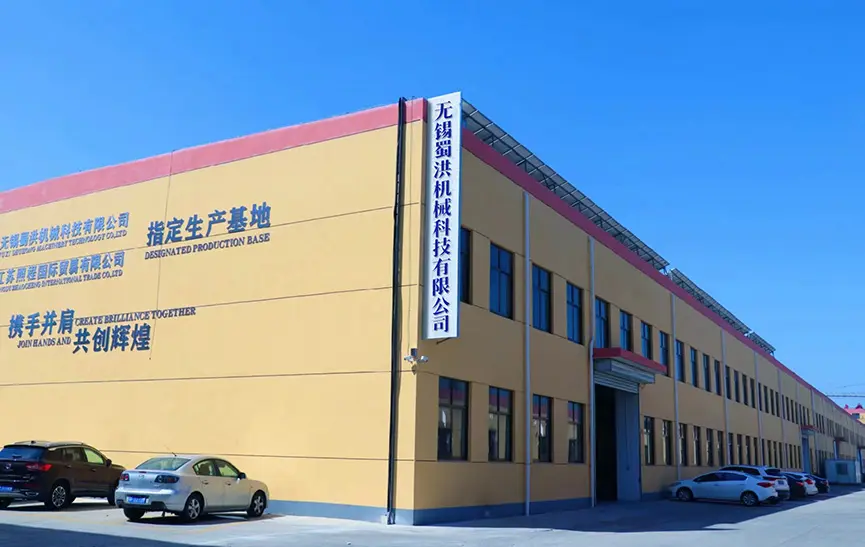
Wuxi Shuhong Machinery Technology Co., Ltd., established in 2018 on the shores of Taihu Lake, has risen as an industry pioneer. Guided by a founding team with decades of front-line technical and engineering expertise, Wuxi Shuhong has driven domestic machinery manufacturing from standard operations to globally recognized, energy-efficient solutions.
The company's core mission is to resolve traditional transformer design flaws, specifically addressing excessive temperature rise and premature degradation of insulation systems. Through years of research and development, Wuxi Shuhong's systems have helped manufacture transformers featuring a 30% reduction in temperature rise and a stable operational life exceeding 15 years.
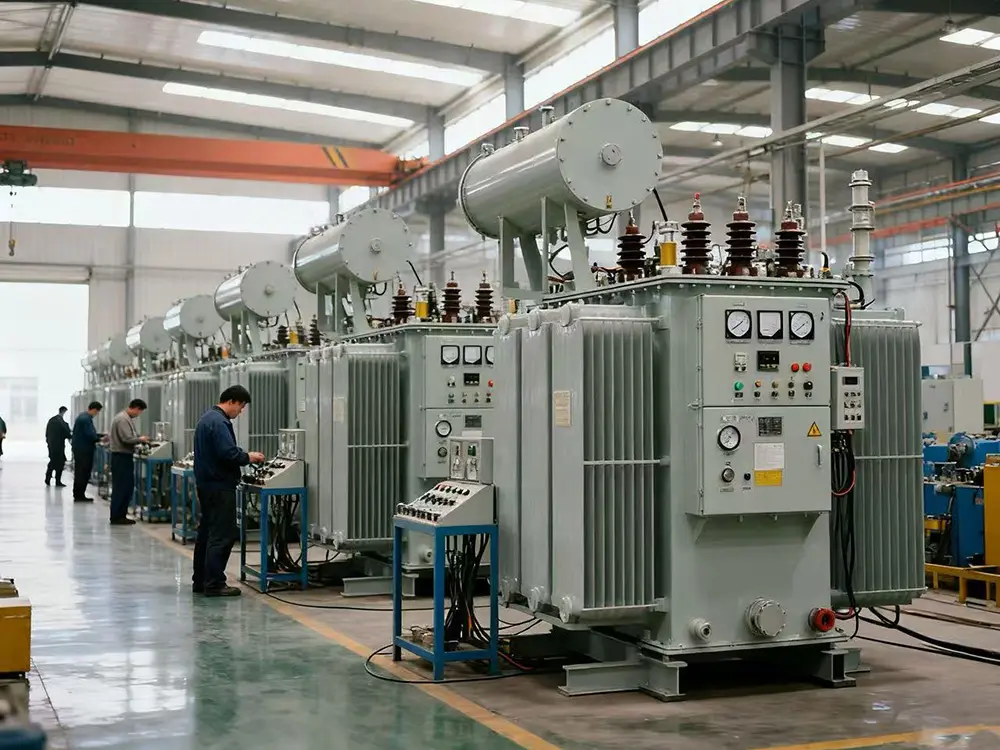
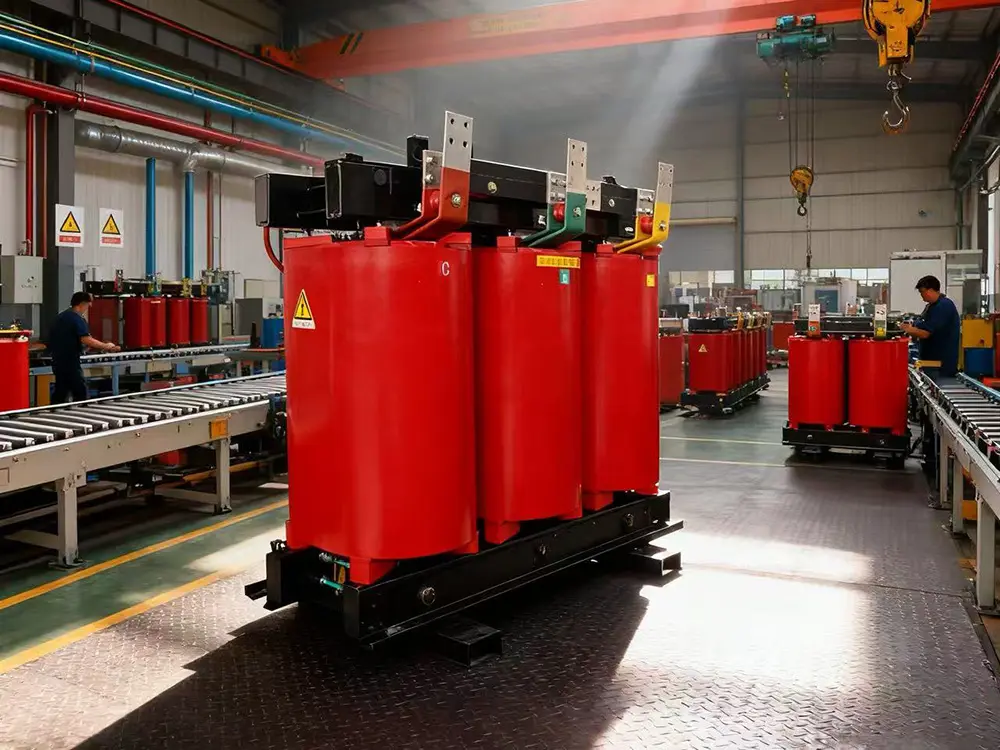
Regulatory pressures across the globe are driving the adoption of high-efficiency distribution transformers. In Europe, the **Ecodesign Directive (Tier 2 rules)** enforces strict limits on both load and no-load losses for liquid-immersed and dry-type transformers. Concurrently, the United States Department of Energy (**DOE 2025 Standard**) mandates unprecedented efficiency gains, pushing manufacturers to phase out lower-grade silicon steel in favor of advanced grain-oriented electrical steel (GOES) and amorphous alloy cores.
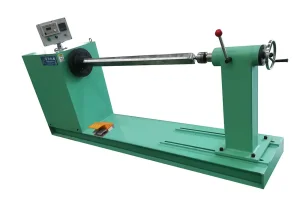
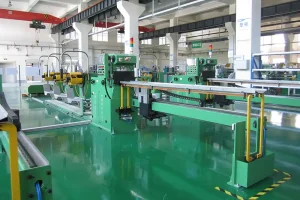
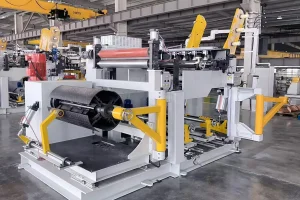
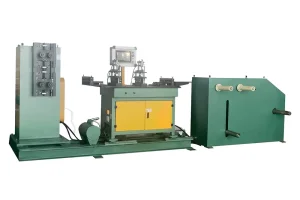
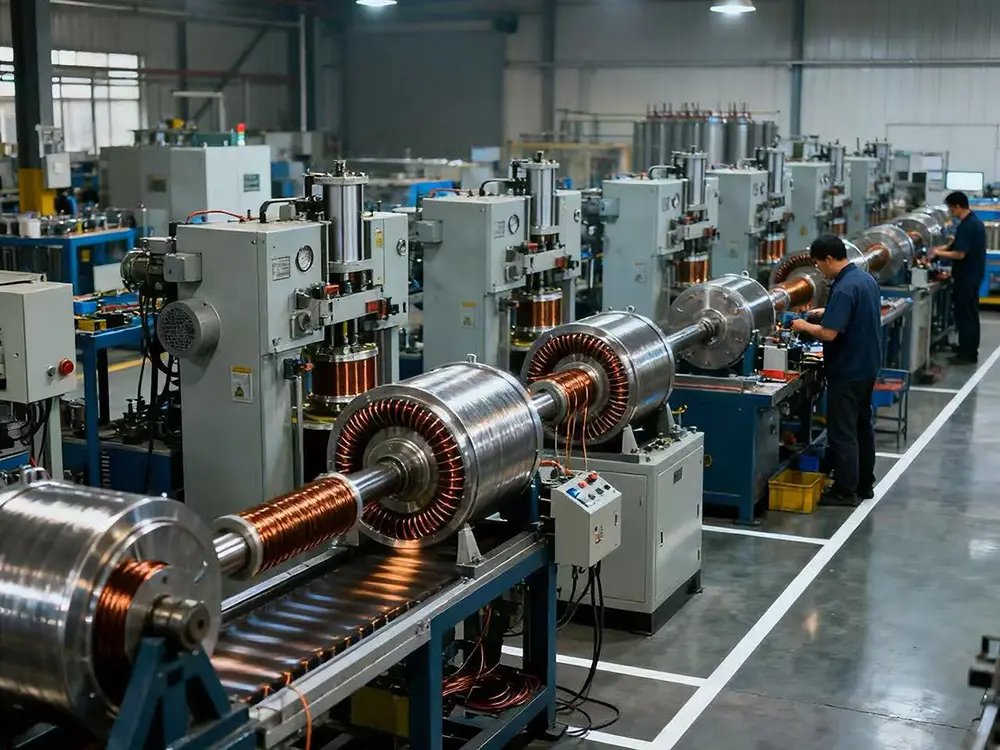
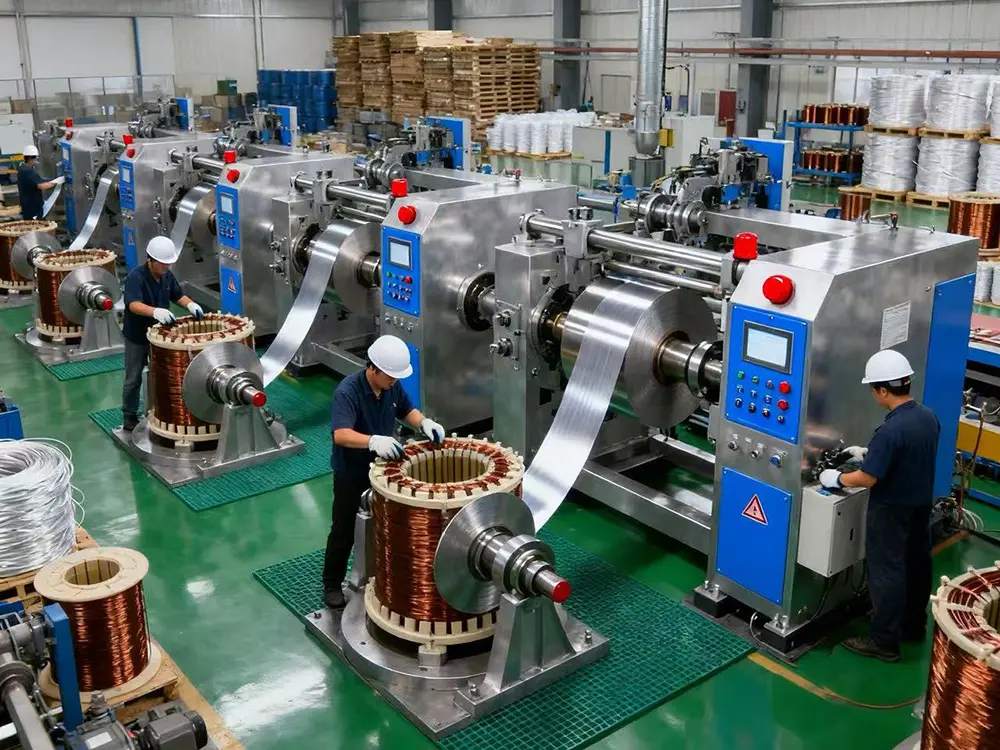
These changing regulatory conditions demand that manufacturers retool their operations. Traditional manually wound transformers struggles to meet the tight geometric tolerances required for next-generation efficiency targets. Minor core deformations, inconsistent winding tensions, and improper annealing can completely negate the low-loss properties of advanced core materials. Wuxi Shuhong helps close this technological gap by providing high-precision CNC slitting, shearing, and automated winding machinery designed to preserve material integrity and minimize parasitic losses.
An efficient transformer relies on strict quality control throughout the manufacturing lifecycle. Wuxi Shuhong offers a complete **R&D-design-production-sales-service** industrial chain, providing specialized machinery for each step of production:
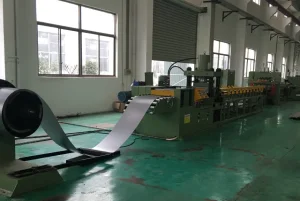
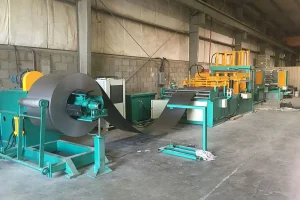
High-speed longitudinal slitting with minimal mechanical stress.
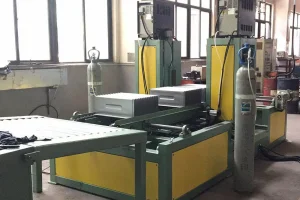
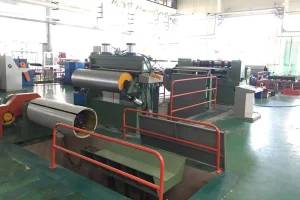
Optimized geometries using CNC automated shearing equipment.
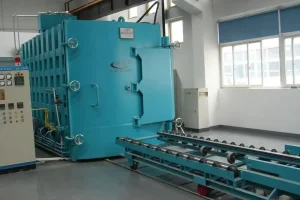
Precision temperature profiling to restore magnetic characteristics.
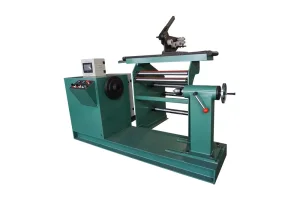
High-precision tension control systems for foil and wire coils.
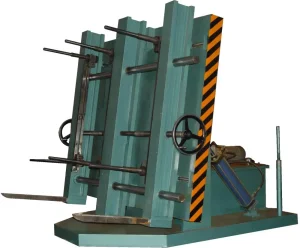
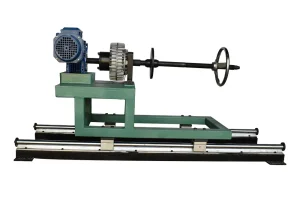
Precise alignment of core and coils using specialized turning tables.
Complete moisture extraction to preserve long-term insulation integrity.
Precise fluid filling under high vacuum conditions to prevent gas bubbles.
Rigorous verification of partial discharge and no-load/load loss profiles.
By using thin (approx. 25 μm) amorphous alloy ribbons instead of traditional silicon steel sheets, our production systems help achieve up to a 70% to 80% reduction in no-load losses.
Through optimized oil ducts and precise heat dissipation paths, our equipment helps build transformers that operate at 30% lower temperature rises, preventing thermal hot spots.
Automated coil winding equipment guarantees a high fill factor, reducing load losses and increasing mechanical strength against short circuits.
Although initial capital expenditures may be slightly higher, the long-term energy savings and reduced maintenance costs typically yield a full return on investment (ROI) within 3 to 5 years.
By utilizing high-grade insulating papers and vacuum impregnation techniques, our solutions protect electrical coils from moisture, chemical corrosion, and thermal aging.
Our design guidelines accommodate built-in temperature sensors and partial discharge monitoring interfaces, supporting real-time diagnostics and predictive maintenance.
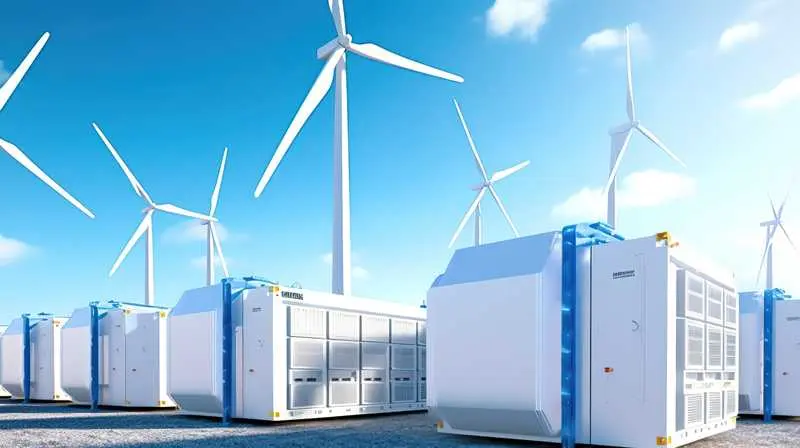
Solar PV plants and wind farms experience highly variable load profiles. Transformers in these environments face periodic overloading, high harmonic distortion, and transient voltage spikes. Wuxi Shuhong's high-efficiency systems are designed to handle these irregular loading patterns, minimizing core saturation risks and mitigating thermal stress under cyclic load profiles.
Steel mills, chemical processing plants, and mining sites require high reliability. A transformer failure can cause costly production halts. Using dry-type, non-flammable insulation systems with low electromagnetic field interference ensures continuous, safe operation, even under high vibration and high dust levels.
In densely populated urban environments and underground substations, space is limited and safety requirements are strict. Liquid-immersed designs are often restricted due to fire hazards. Here, eco-friendly dry-type transformers built with our precision foil winders offer a compact, self-extinguishing alternative that eliminates the risk of oil leaks.
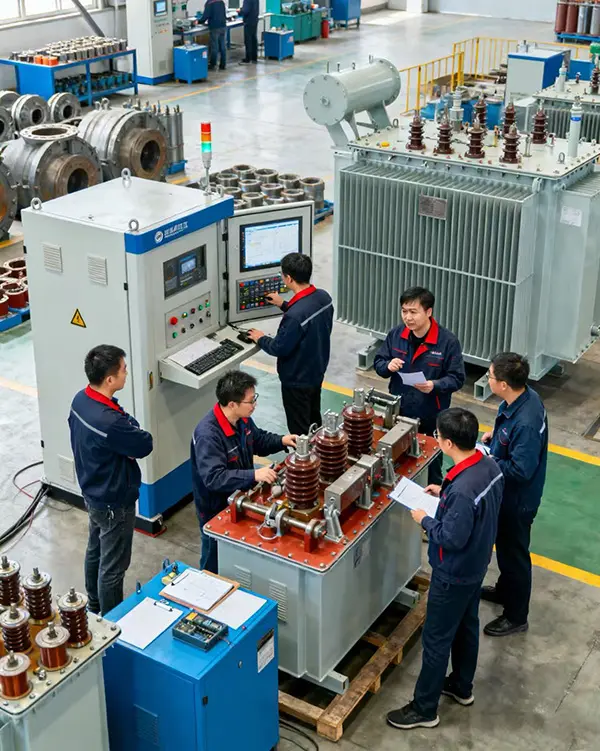
"Collaborative innovation and continuous team training allow us to address unique local grid constraints, ensuring compliance with both local safety regulations and international efficiency standards."
Looking forward, Wuxi Shuhong continues to focus on its business philosophy of **"People-oriented, Integrity-driven, Collaborative Innovation, and Quality First."** The company is continuously investing in its R&D program to develop advanced manufacturing solutions.
Our core technological roadmap focuses on integrating Artificial Intelligence (AI) and Machine Learning (ML) directly into CNC core processing systems. By using real-time sensor feedback from shearing and winding lines, our upcoming machines will dynamically correct dimensional variations caused by material thickness deviations. This closed-loop quality control system is designed to minimize edge stresses and structural micro-fractures, helping core materials achieve optimal electromagnetic properties.
Additionally, we are expanding our collaborations with international research institutions to explore hybrid insulation designs and low-loss magnetic alloys, paving the way for next-generation distribution grids.