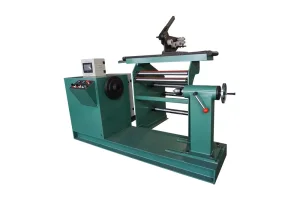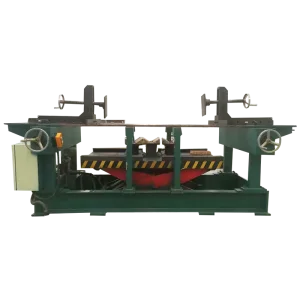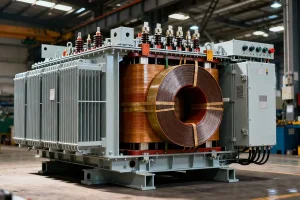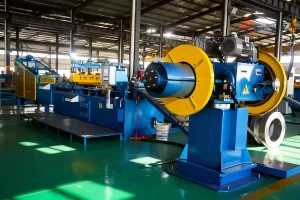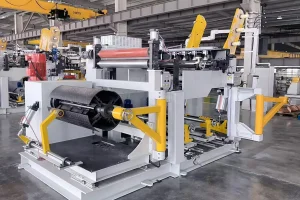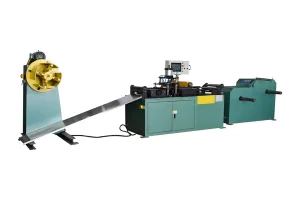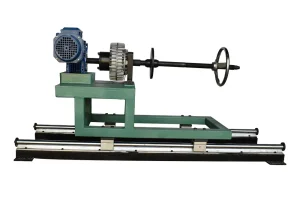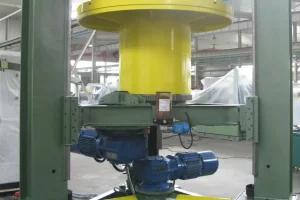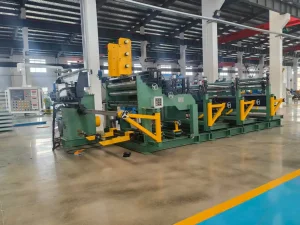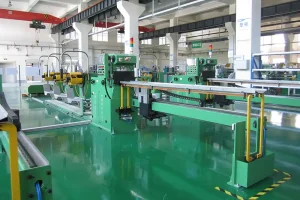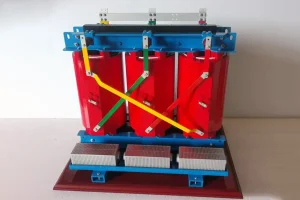
Explore high-performance coil Winders, automated shears, and assembly stations engineered to drastically minimize load losses in modern power networks.
In high-performance power distribution systems, managing electrical efficiency boils down to an engineering battle against losses. While no-load losses (also known as core losses) occur constantly when the magnetic circuit is energized, load losses (often referred to as copper losses or winding losses) are dynamically generated as the load current flows through the transformer windings. These losses scale quadratically with the current load ($I^2R$).
Load losses consist of two main components:
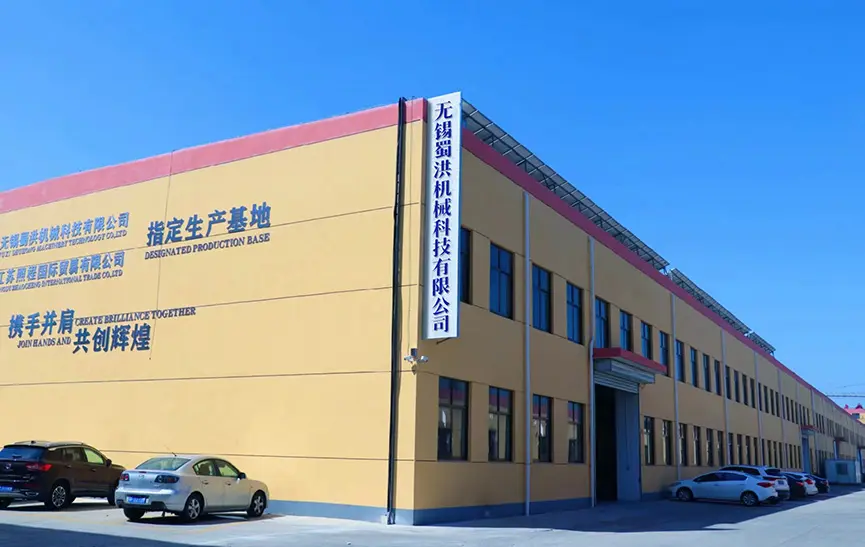
Deeply Developing the Machinery Industry, Empowering the Future of Energy
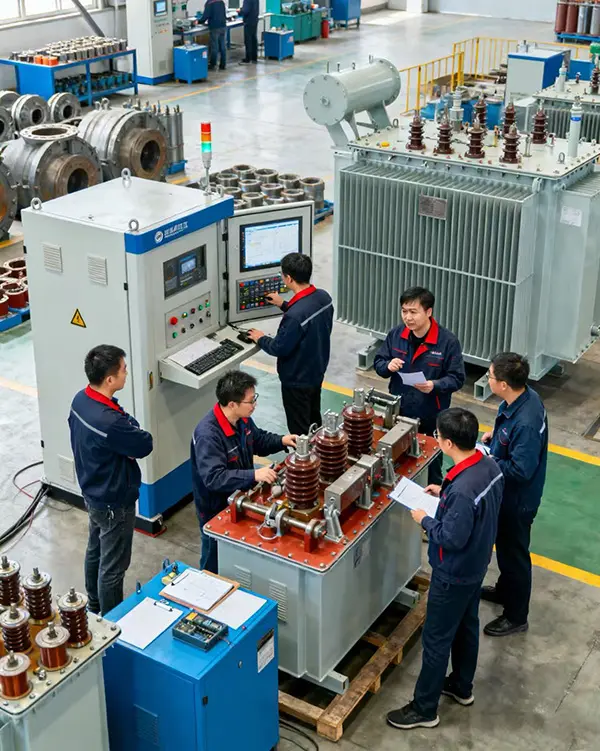
On the shores of the picturesque Taihu Lake lies Wuxi, known as the "Land of Fish and Rice." This beautiful land has nurtured countless enterprising enterprises, with Wuxi Shuhong Machinery Technology Co., Ltd. standing out among them. Since its establishment in 2018, Shuhong Machinery has consistently prioritized technological innovation and quality service, steadily advancing in the fields of electrical and plastic machinery, becoming a high-tech enterprise with both strength and reputation.
After years of development, Shuhong Machinery boasts a complete R&D-design-production-sales-service industrial chain, with a professional R&D team and modern factories ensuring unmatched product quality. Focused on technical innovation, the company leads in coil insulation technology and temperature control mechanics. Its products have passed State Grid and international certifications, and have supplied over 2,000 substations, boosting China's power grids and new energy industries.
Contact Us & Explore SolutionsA journey from front-line technical engineering to pioneering energy-efficient core assembly and winding systems.
Shuhong Machinery originated from its founder’s deep insight into machinery manufacturing. With over a decade in the industry, transitioning from front-line technical roles to senior management, the founder witnessed domestic machinery shift from "following" to "running alongside" global peers, sensing the urgent need for energy-efficient, intelligent upgrades.
During a State Grid project exchange, the founder observed that traditional transformers suffered from structural flaws in temperature control and service life, harming power stability and raising operating costs. The rapid rise of new energy sources placed even greater demands on substation equipment, inspiring a focus on high-efficiency, low-loss manufacturing systems.
Overcoming funding barriers and rigorous technical hurdles, the engineering team worked day and night in laboratories and workshops on functional models and structural optimization. They ultimately developed a transformer design that demonstrated a 30% lower temperature rise and extended working lifespans to 15 years, gaining major client recognition.
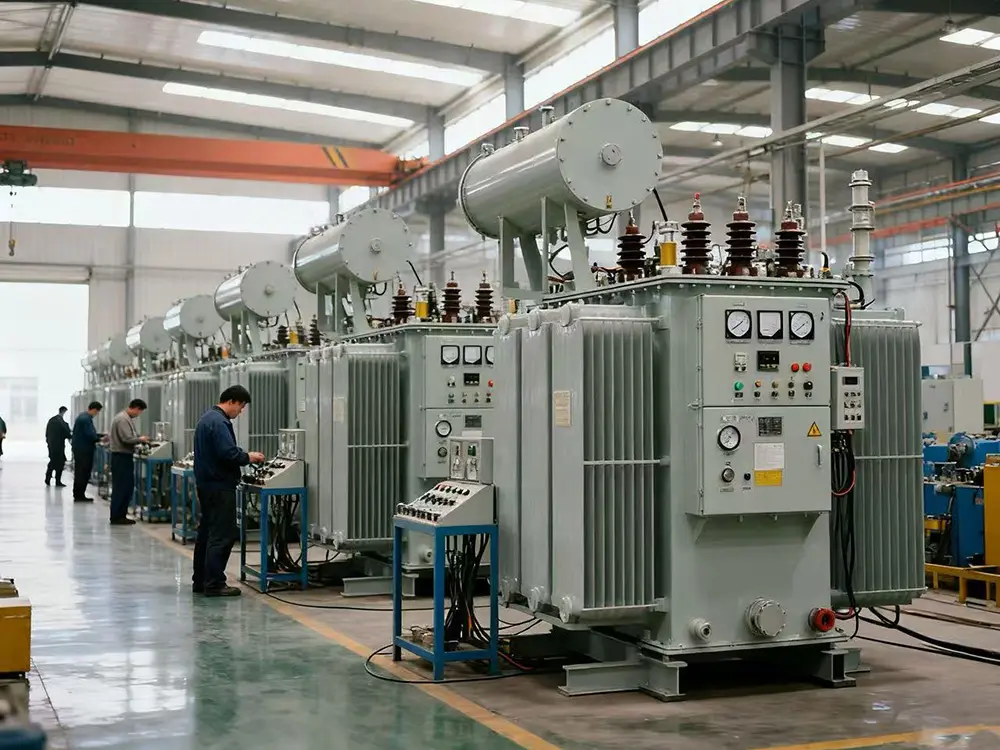
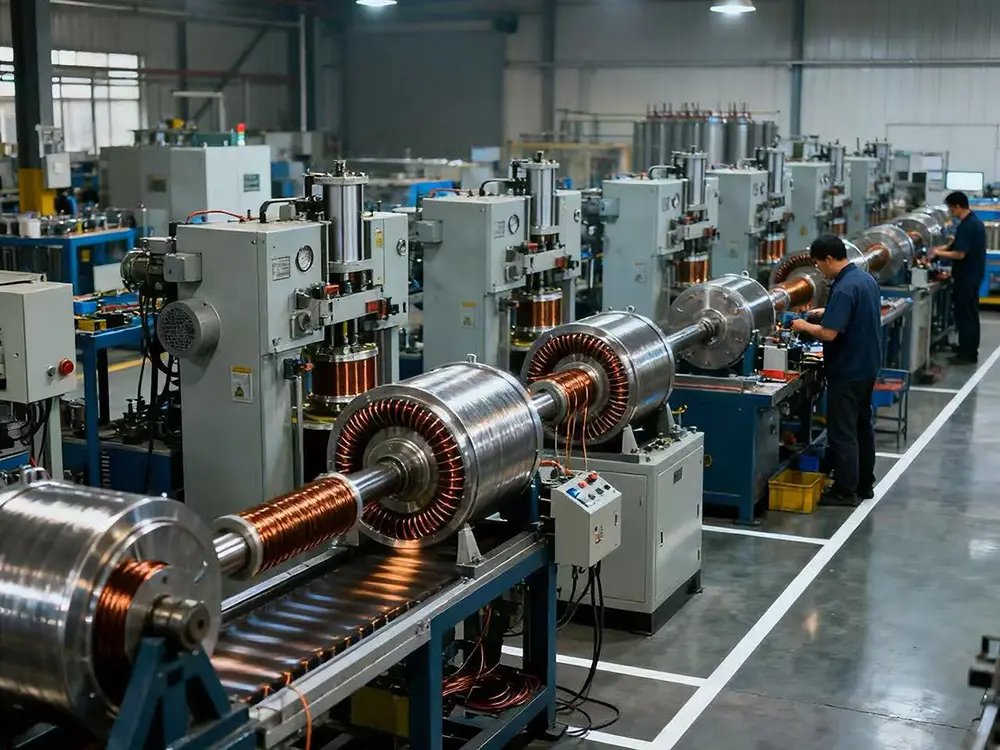
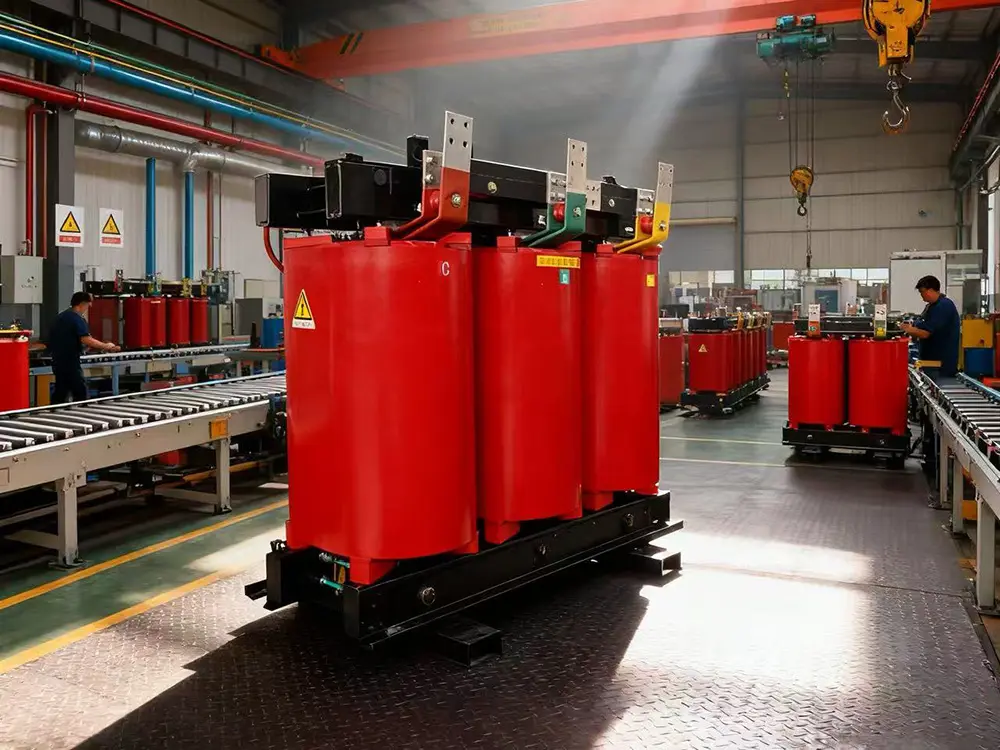
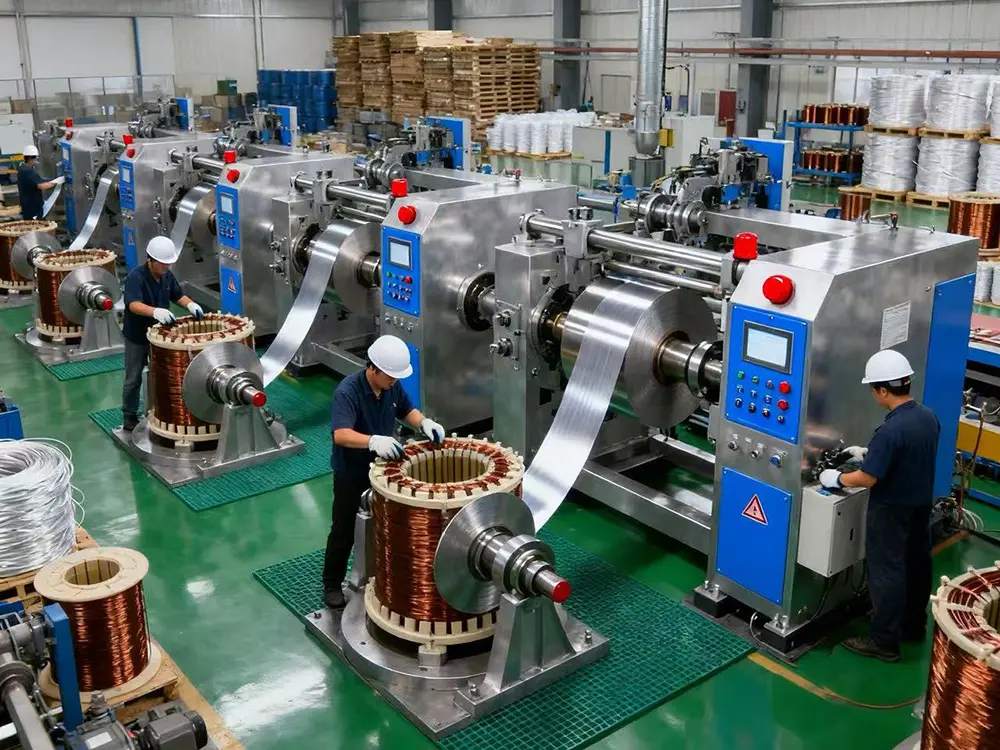
How Shuhong Controls Losses at Every Processing Node
Minimizing load loss requires micro-level control over material integrity and coil winding alignment. Small deviations in wire layout, foil insulation, or core assembly pressure can create structural imbalances that trigger severe eddy currents and excess heat. Our structured production process is designed to prevent these inefficiencies from the start:
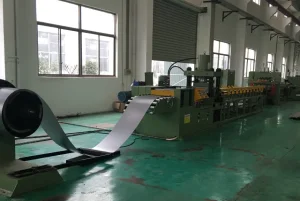
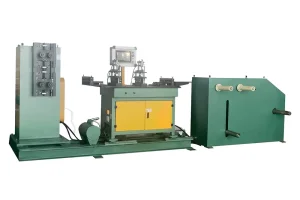
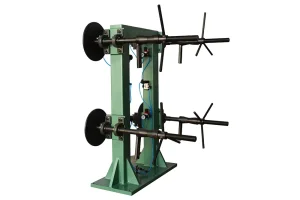
Each stage leverages advanced machinery—from CNC Silicon Steel Sheet Cross-Cutting lines to High-Precision Servo Arranger-Winders. The resulting coils exhibit optimized resistance and spatial geometry, greatly reducing the final load losses of the distribution system.
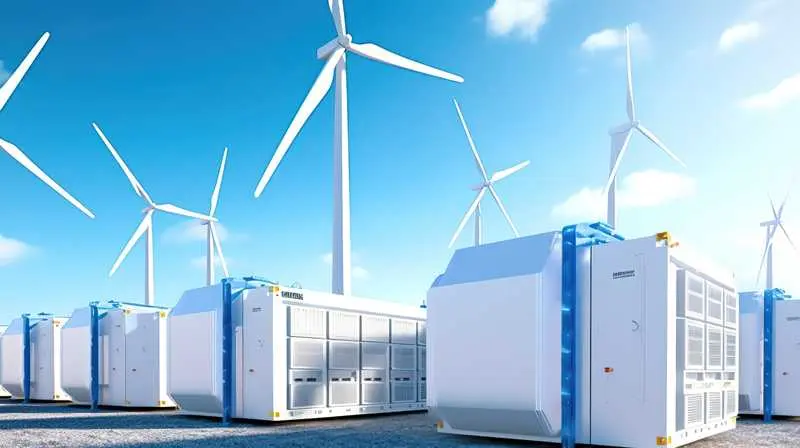
Combining complete supply chains, metallurgical dominance, and advanced automation to deliver premium transformers at a competitive scale.
China's industrial regions host integrated supply chains for oxygen-free copper wires and premium electrical steel sheet coils. Access to high-grade materials guarantees low electrical resistance in the windings, optimizing the primary component of ohmic load losses ($I^2R$) and reducing transformer operating costs.
By using CNC cross-cutting lines and 3D wound core cutting systems, Chinese factories ensure burr-free cuts and exact laminations. Eliminating structural irregularities directly reduces the stray magnetic flux that causes localized overheating and stray losses inside the transformer tank walls.
Leading Chinese exporters utilize high-precision loss measurement systems and advanced power analyzer racks. Every unit undergoes no-load and full-load loss tests under strict temperature controls, ensuring verified, certified compliance with IEC, IEEE, and GB/T international standards before shipment.
Addressing the shifting landscape of high-efficiency utility and industrial power infrastructure.
| Market Trend | Technical Requirement | Impact on Load Losses | Optimal Solution |
|---|---|---|---|
| Decarbonization of Grids | Ultra-low losses under fluctuating load profiles. | Reduces continuous I²R loss during peak transmission. | Planar and Amorphous core configurations with precision-wound foil coils. |
| Renewable Energy Integration | High harmonic tolerance (Solar / Wind inverters). | Prevents stray losses caused by harmonic frequencies. | Transposed conductors (CTC) wound on auto tension stands. |
| Rapid Urbanization | Compact substations with high power density. | Requires minimal heat dissipation footprint. | Dry-type systems with lightweight, high-performance heat sinks. |
| Smart Grid Analytics | Real-time temperature and load monitoring. | Enables active thermal management to maintain optimal load conditions. | Sensors integrated within vacuum-dried, oil-immersed transformers. |
As grid operators migrate to higher voltages to reduce transmission losses over long distances, substation equipment must withstand intense transient voltages. Under these operating conditions, stray losses in structural metallic components can surge, causing localized hot spots that degrade the transformer's oil and paper insulation.
By employing 3D wound core architectures and automated foil winders, manufacturers can construct a highly balanced magnetic circuit. This minimizes leakage flux and helps ensure the transformer operates reliably under load, shielding the asset from thermal breakdown and premature aging.

Operational data and client testimonials confirming Wuxi Shuhong’s commitment to quality.
"Since its establishment, Shuhong Machinery has prioritized meeting customer needs, winning wide acclaim with cutting-edge technology, timely service, and full compliance."
— Global Infrastructure TestimonialPeople-Oriented, Building an Efficient and Collaborative Team:
Looking forward, Wuxi Shuhong Machinery will uphold its core business philosophy of "People-oriented, Integrity-driven, Collaborative Innovation, and Quality First." We will continue to deepen our focus on electrical and plastics machinery, boost R&D investment to strengthen core technologies, and launch more efficient, energy-saving, and intelligent products.
Get professional answers to common technical queries about load loss reduction, testing procedures, and manufacturing machinery.
Discover our complete line of heat sinks, amorphous assembly tables, and advanced industrial winding systems.