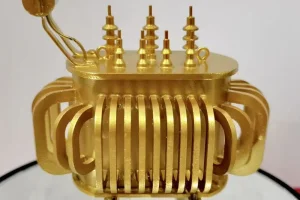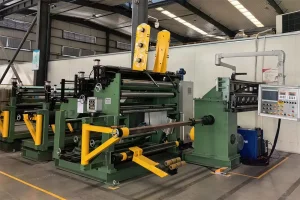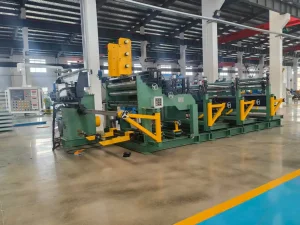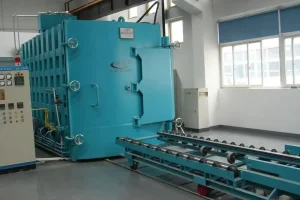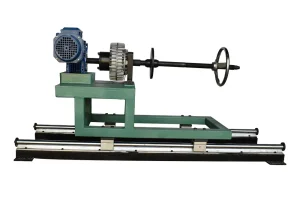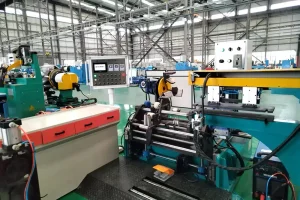
Explore our premium machinery line engineered to optimize magnetic core construction and improve electromagnetic induction efficiency.
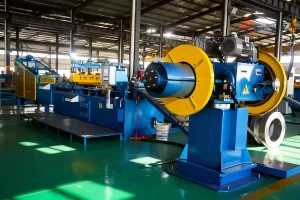
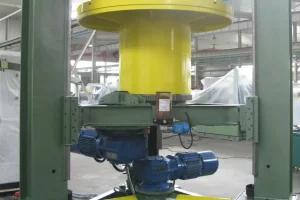
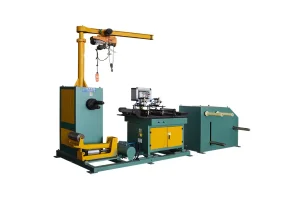
Electromagnetic induction is the bedrock of modern electrical infrastructure. Central to this paradigm is the "Energy in Coil" domain—a specialization addressing how electrical power is converted, controlled, and conducted across magnetic pathways. As global carbon-neutral mandates drive electrification, the demand for high-performance transformers, inductors, and specialized machinery has grown exponentially.
Industrial manufacturing, automotive EV systems, renewable grid integration, and heavy equipment applications rely on the efficiency of laminated silicon cores and foil-wound structures. Operating in these landscapes demands high quality control, precise material cutting, and optimized cooling capabilities. Through modern foil winding machines and automated silicon steel slitting lines, global manufacturers can mitigate eddy current losses and achieve minimal thermal drift under high loads.
"High efficiency in modern power grid assets starts at the coil level. By minimizing winding gaps and eliminating micro-abrasions in silicon steel sheets, manufacturers can boost overall transformer operational life by up to 35%."
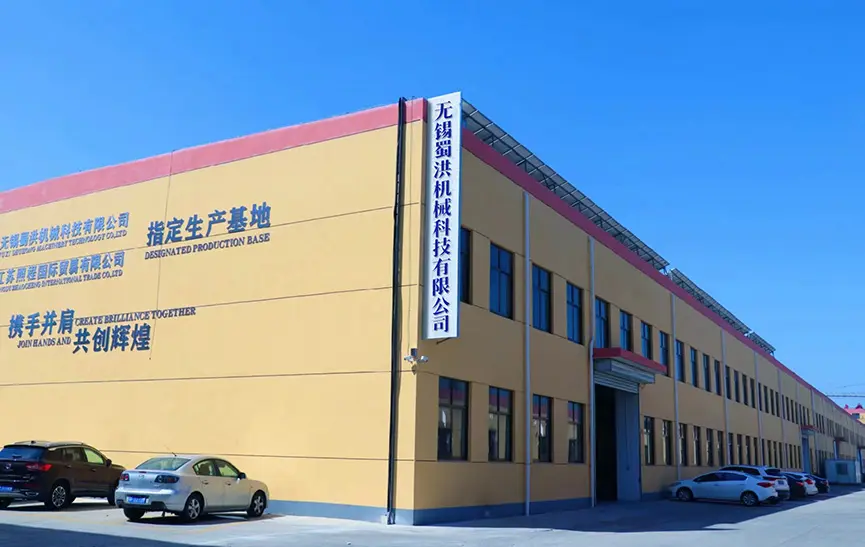
Located on the shores of Taihu Lake in Wuxi, known as the "Land of Fish and Rice," Wuxi Shuhong Machinery Technology Co., Ltd. has grown to become an expert developer in the electrical and plastic machinery industries. Established in 2018, Shuhong Machinery prioritizes technological innovation and dedicated service, cementing its reputation as a high-tech enterprise with robust manufacturing and engineering strength.
Our core competencies center around the development of state-of-the-art transformer coil winding equipment, high-efficiency foil winders, precision silicon steel core stacking tables, and material annealing furnaces. Shuhong serves a vital function in the global supply chain: equipping transformer factories and power grid component manufacturers with automated solutions that guarantee structural integrity and electrical efficiency.
Contact Our Engineering Team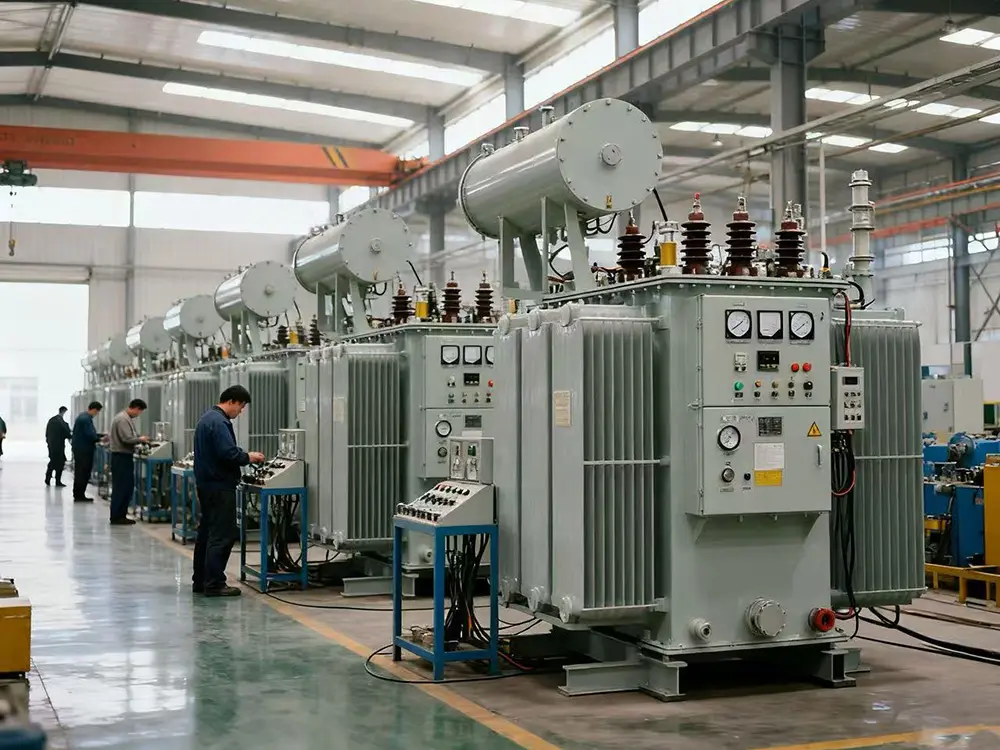
Moving from front-line technical engineering to executive leadership to build the next generation of power transmission machinery.
With over a decade in the manufacturing industry, our founder witnessed the domestic electrical machinery sector transition from following global standards to running alongside leading international manufacturers, identifying a clear need for energy-efficient, intelligent equipment upgrades.
During an exchange program for a State Grid project, the founder noted that traditional transformers suffered from thermal dissipation challenges and shortened lifespans. By focusing design parameters on low temperature-rise profiles, a path to long-term reliability emerged.
By refining foil-to-coil tension mechanics and optimizing raw silicon steel heat distribution, the R&D team successfully engineered machinery capable of building transformers with 30% lower temperature rises and an average 15-year service life expansion.
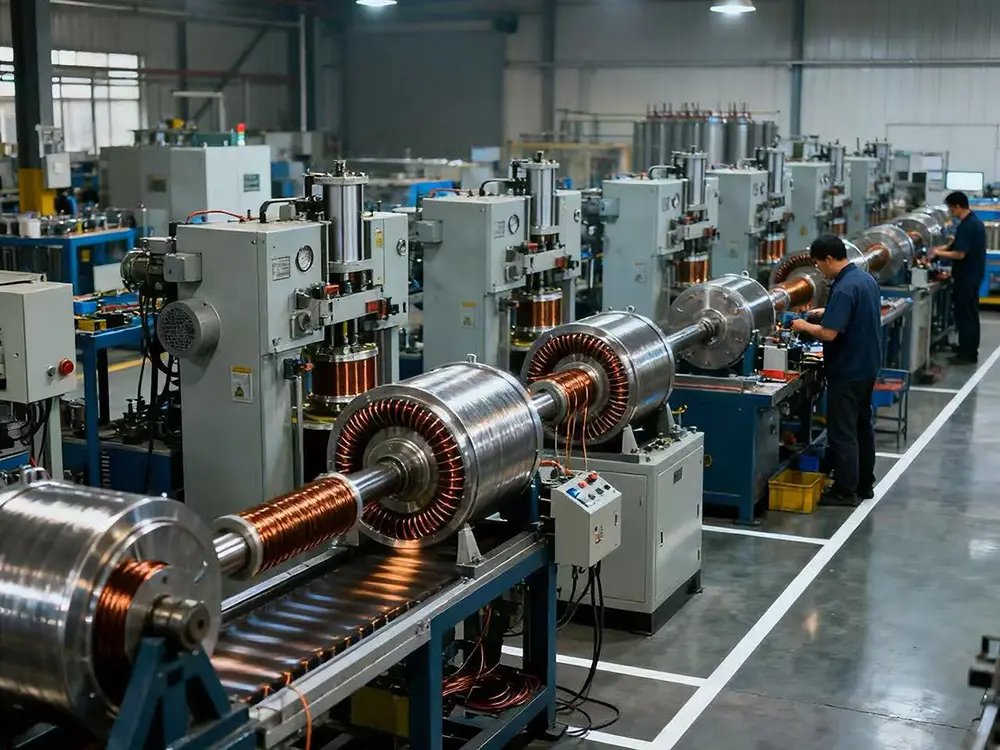
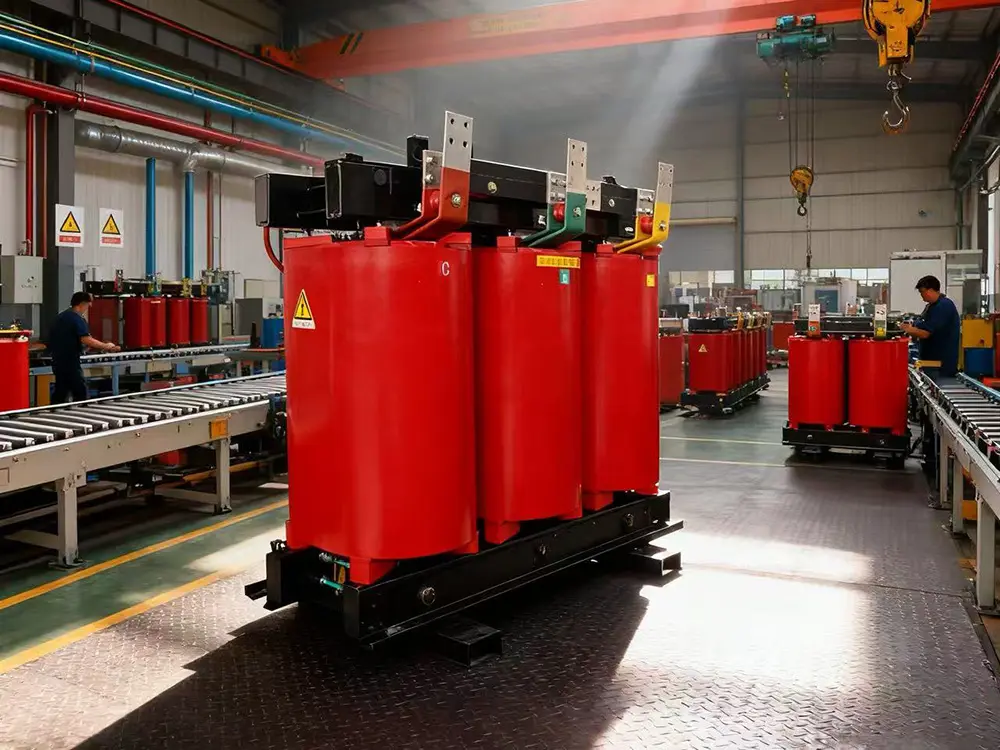
An in-depth analysis of the electromagnetic properties, machinery calibration, and metal treatments that define ultra-efficient coil designs.
The performance of an induction coil is closely linked to the core it surrounds. Cold-Rolled Grain-Oriented (CRGO) silicon steel exhibits high magnetic permeability along the rolling direction. To exploit this property, CNC cutting lines must cut the steel sheets precisely at a 45-degree angle to create step-lap joints.
This step-lap assembly configuration reduces air gaps at the joints, decreasing no-load losses and noise level. Even minor shearing burrs can create short circuits between adjacent laminations, leading to localized heating. Our CNC cross-cutting machinery operates at low tolerance margins to preserve the crystalline grain structure of the steel sheet.
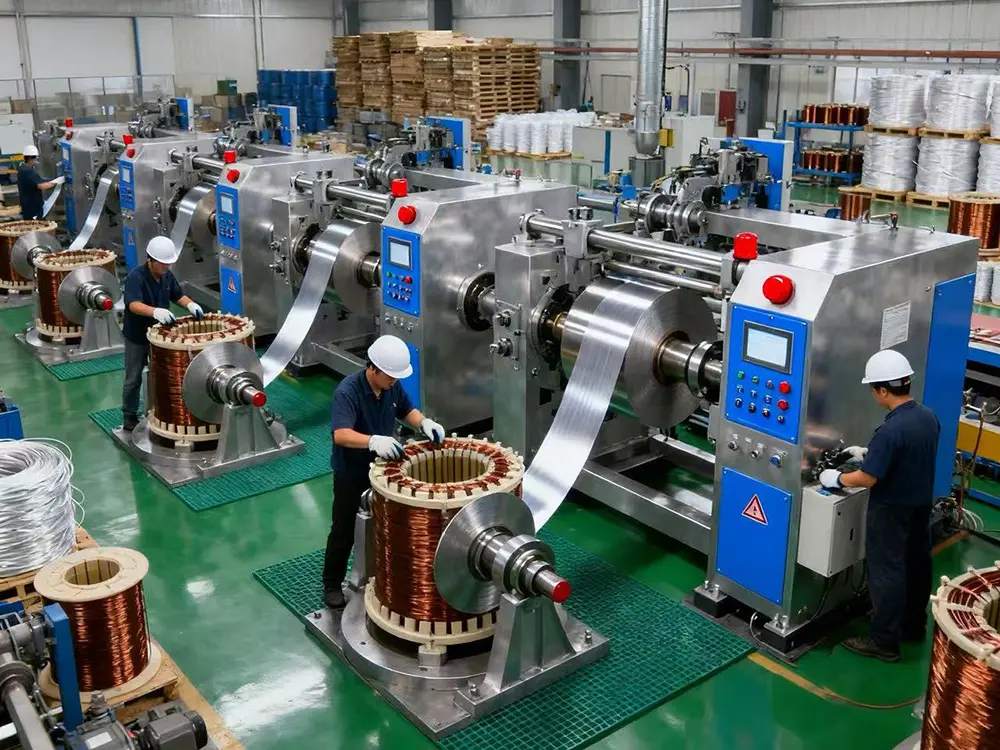
For low-voltage, high-current applications, copper or aluminum foil winding has replaced traditional round wire winding. Round wire presents challenges at high current densities due to the **skin effect** (where current congregates on the wire's outer surface) and high packing space loss.
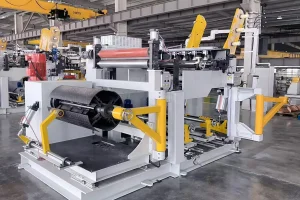
Foil windings provide a filling factor of up to 95%, allowing more conductive material to occupy the window area of the core. This uniform current distribution reduces hot spots and improves short-circuit resistance. Implementing automated double-layer and three-layer foil winding machines ensures precise tension control to prevent inter-layer insulation damage.
Our technical footprint spans critical power, industrial, and clean-energy projects worldwide.
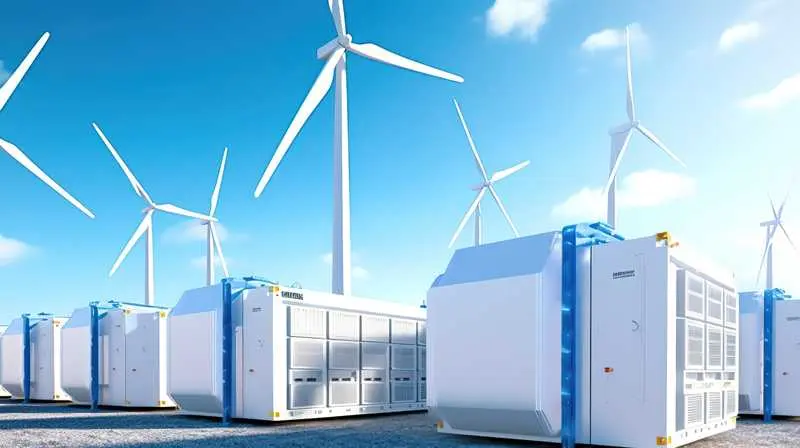
Integration into solar inverters and wind turbine step-up transformers, where compact footprints and thermal resilience are critical.
Megawatt-scale fast chargers require cooling and high-frequency capabilities to process continuous power transfers.
Providing consistent, stable voltage for arc furnaces, chemical processes, and automated automotive manufacturing plants.
Every step in our production sequence is monitored to maintain design tolerances and structural stability.
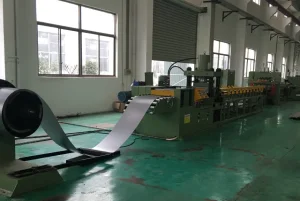
CNC lines precision-shear CRGO silicon steel sheets at low tolerance margins to maintain clean grain alignment.
Conductive foils and insulation layers are prepped and aligned to prevent inter-turn micro-shorts.
Sheared core steel is heat-treated to remove internal stresses, restoring its electromagnetic permeability.
Automated foil winders wrap the conductors around insulated cylinders, maintaining optimal tension profiles.
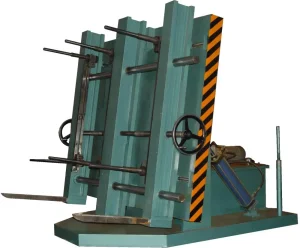
Cores are stacked using turning tables, and the wound coil is fitted onto the magnetic core limbs.
The assembly goes through drying chambers to remove moisture from the solid insulation materials.
The core-and-coil system is immersed in dielectric fluid under vacuum conditions, filling all remaining micro-voids.
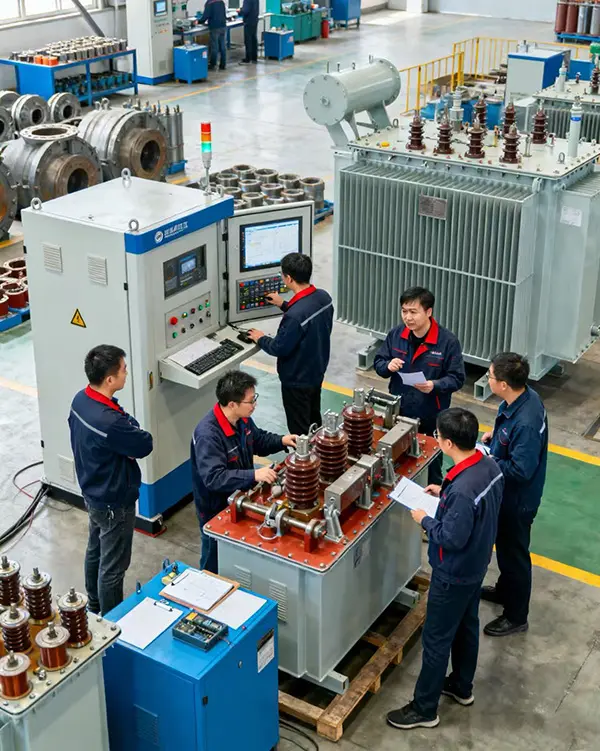
Comprehensive electrical testing is performed, including dielectric strength, turn-ratio, and partial discharge tests.
Shuhong Machinery adheres to the philosophy of **"People-Oriented, Collaborative Innovation"** as the foundation of our manufacturing processes. An advanced engineering workforce requires a supportive structure to maintain manufacturing quality across complex machinery assemblies.
Get answers to key technical questions about transformer coil manufacturing, silicon steel cores, and machinery configuration options.
Foil winding uses sheet conductors (copper or aluminum) that occupy the complete width of the winding layout. This setup minimizes inter-turn voltage gradients and provides a higher space filling factor (up to 95%). Furthermore, current is distributed more evenly across the foil's width, which reduces hot spots, improves thermal dissipation, and helps prevent mechanical deformation during short-circuit events.
Shearing, cutting, and stamping processes generate mechanical stresses that disrupt the grain alignment of Cold-Rolled Grain-Oriented (CRGO) silicon steel. This disruption increases hysteresis and eddy current losses. Vacuum annealing heats the steel sheets in a controlled oxygen-free environment to restore the material's crystalline structure, lowering magnetic core losses and minimizing overall transformer humming noise.
Maintaining constant tension during winding is critical. Loose winds can lead to movement during operation, causing friction that wears down inter-layer insulation and risks internal shorts. Over-tensioning, conversely, can stretch the copper or aluminum, reducing the cross-sectional area and causing hotspots. Our winding machines feature dynamic tension feedback loops to ensure a uniform wound structure.
Yes. Because different grid configurations require unique coil shapes and capacities, Shuhong Machinery offers custom winding machines, CNC cross-cutting lines, and core turning tables built to handle specific production requirements, from 3T to 10T load capacities.

Looking forward, Shuhong Machinery will continue to uphold its core principles: **"People-oriented, Integrity-driven, Collaborative Innovation, and Quality First."** We plan to expand our R&D investments to integrate smart IoT diagnostics into our coil winding machinery, enabling predictive maintenance and automated adjustments during production.
As the global power sector transitions toward high-voltage direct current (HVDC) transmission and decentralized microgrids, our winding systems will adapt to accommodate multi-layer high-frequency foils, ensuring our partners are equipped for tomorrow's energy challenges.
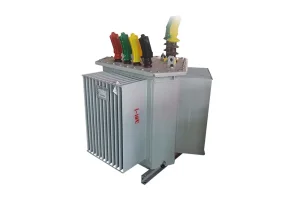
Collaborate with UsComplete your production line with our selection of specialized transformers, heat sinks, pay-off stands, and core turning tables.