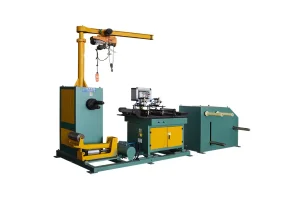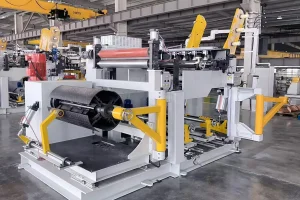
Explore our selection of heavy-duty transformer manufacturing lines, winding systems, and high-precision core cutting equipment.
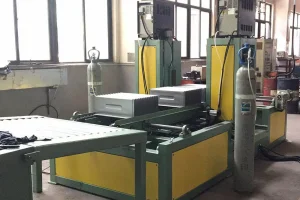
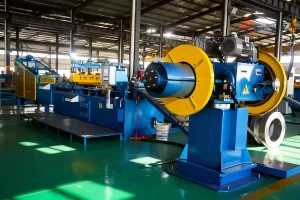
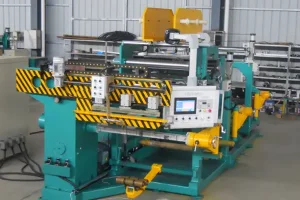
A technical guide to the operating principles, safety protocols, and industrial classification of electrical transmission systems.
In electrical engineering terminology, particularly in Southeast Asian commercial markets using phrases like "Apa Itu High Voltage" (What is High Voltage), it refers to systems utilizing electrical potentials of sufficient magnitude to pose physical hazards or require highly specialized insulation barriers. According to international standards defined by the International Electrotechnical Commission (IEC), high voltage represents anything operating above 1,000 Volts (1 kV) for alternating current (AC) and 1,500 Volts for direct current (DC).
Within large-scale manufacturing facilities and power grid operations, high voltage represents the backbone of transmission efficiency. The higher the voltage, the lower the current required to deliver the same amount of real power (Wattage), which drastically reduces resistive grid losses (I²R losses) along conductors. Designing, manufacturing, and housing transformers, winding equipment, and distribution boards that manage these voltages requires rigorous testing, precision assembly lines, and specialized production machinery.
"Safety, thermal insulation, and insulation integrity are the core requirements of high-voltage transmission. Every micro-gap in coil winding risks structural arc flash incidents."
Understanding how clean energy integration and material science are redefining heavy electric machinery manufacturing.
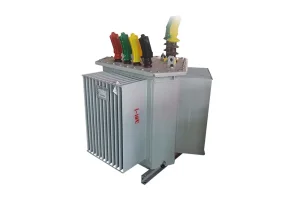
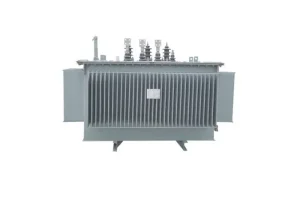
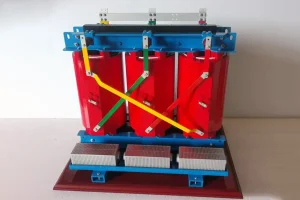
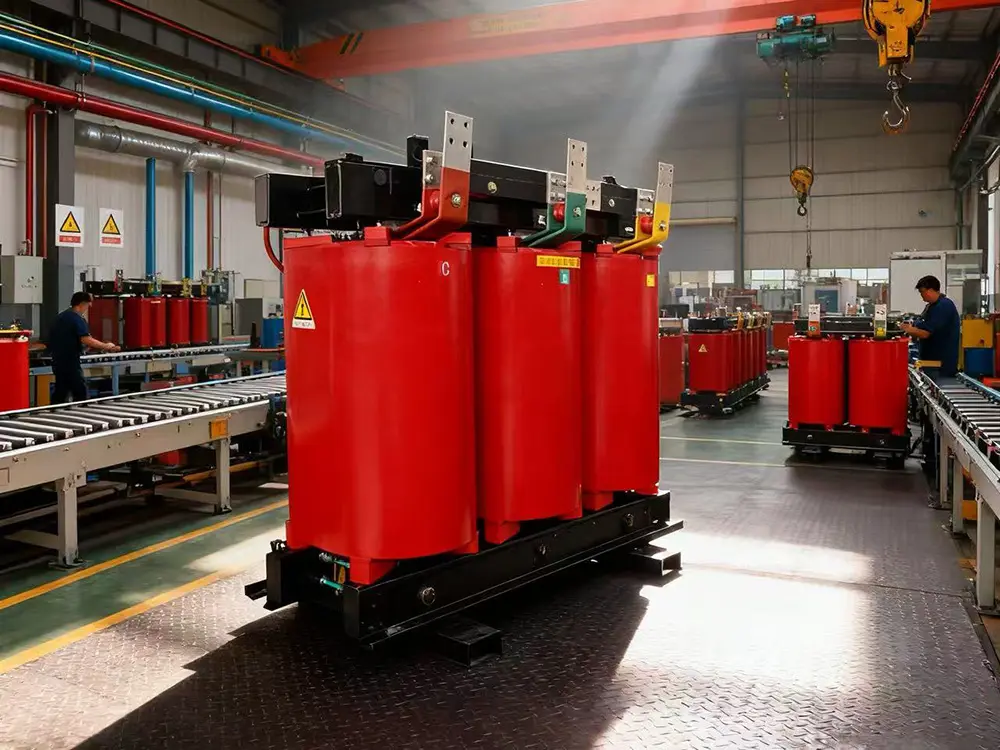
Modern distribution grids are phasing out heavy oil-filled units in favor of self-extinguishing, leak-free, epoxy-cast dry-type transformers. They minimize fire hazards in high-density urban substations and wind-farm turbines, eliminating environmental contamination risks.
Amorphous alloy core designs provide non-crystalline atomic structures that dramatically reduce magnetization losses. Implementing amorphous cores reduces "no-load losses" by up to 70-80% compared to traditional grain-oriented silicon steel configurations.
A major design breakthrough, the 3D triangular rolled core features a symmetrical three-phase layout. This geometry shortens magnetic paths, balances core excitation currents, lowers structural acoustic noise, and results in a highly compact foot-print.
| Core Parameters | Standard Silicon Steel Core | Amorphous Core Assembly | 3D Triangular Rolled Core |
|---|---|---|---|
| No-Load Heat Dissipation Loss | Baseline (100%) | Reduction by 70% to 80% | Reduction by 15% to 25% |
| Noise Level (dB) | High (Baseline) | Moderate | Low (Up to 10dB reduction) |
| Magnetic Path Balancing | Asymmetrical Phase Loads | Standard Configuration | 100% Symmetrical Balance |
| Inherent Lifetime Expectancy | 10-15 Years | 20+ Years | 15-25 Years |
Deeply Developing the Machinery Industry, Empowering the Future of Energy.
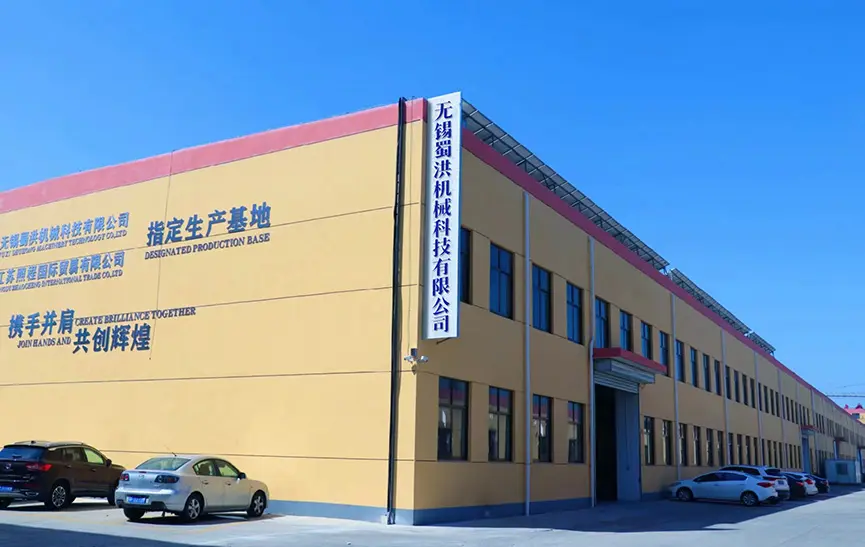
On the shores of the picturesque Taihu Lake lies Wuxi, known as the "Land of Fish and Rice." This beautiful land has nurtured countless enterprising enterprises, with Wuxi Shuhong Machinery Technology Co., Ltd. standing out among them. Since its establishment in 2018, Shuhong Machinery has consistently prioritized technological innovation and quality service, steadily advancing in the fields of electrical and plastic machinery, becoming a high-tech enterprise with both strength and reputation.
Shuhong Machinery originated from its founder’s insight into machinery manufacturing. With over a decade in the industry (from front-line technical roles to management), the founder witnessed domestic machinery shift from "following" to "running alongside" global peers, and sensed the need for energy-efficient, intelligent upgrades.
During a State Grid project exchange, the founder found traditional transformers flawed in temperature control and service life (harming power stability, raising costs) and noted new energy’s higher equipment demands—thus focusing on R&D and manufacturing of high-efficiency, energy-saving transformers.
Overcoming funding and technical hurdles, the team worked day and night in labs/workshops on demos and optimizations, finally developing a transformer with 30% lower temperature rise and 15-year lifespan, winning high client recognition.
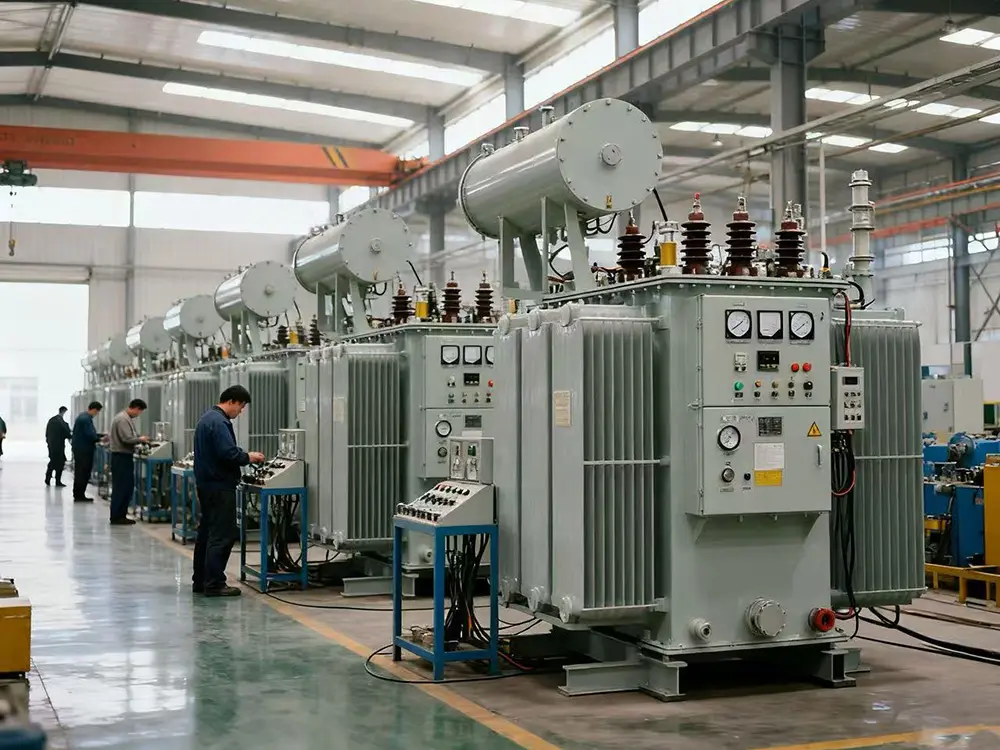
Analyzing key requirements of procurement specialists and engineers searching for high voltage solutions.
Global grids operate under diverse regulatory bodies including IEEE, IEC, GB, and NEMA. Quality wholesale suppliers must design machinery capable of manufacturing components that strictly conform to these international safety and efficiency metrics.
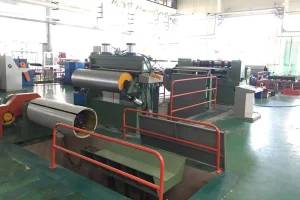
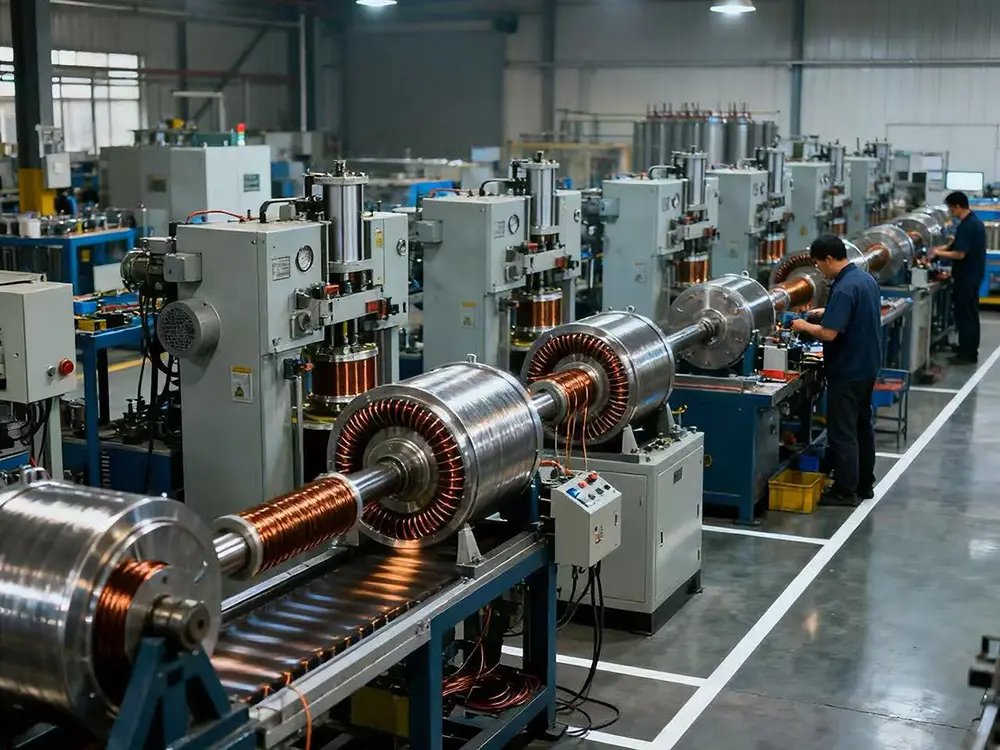
High voltage machinery runs continuously. Components such as automatic foil winding systems require precision servo motors, automatic tension alignment, and error detection software to ensure years of uninterrupted component fabrication.
Substation spaces can be extremely tight. Buying direct from manufacturing plants allows you to adjust spacing parameters, modify heat sink layouts, change winding dimensions, and choose custom cooling mechanisms to match specific application needs.
Combining complete industrial chain control, R&D depth, and production automation.
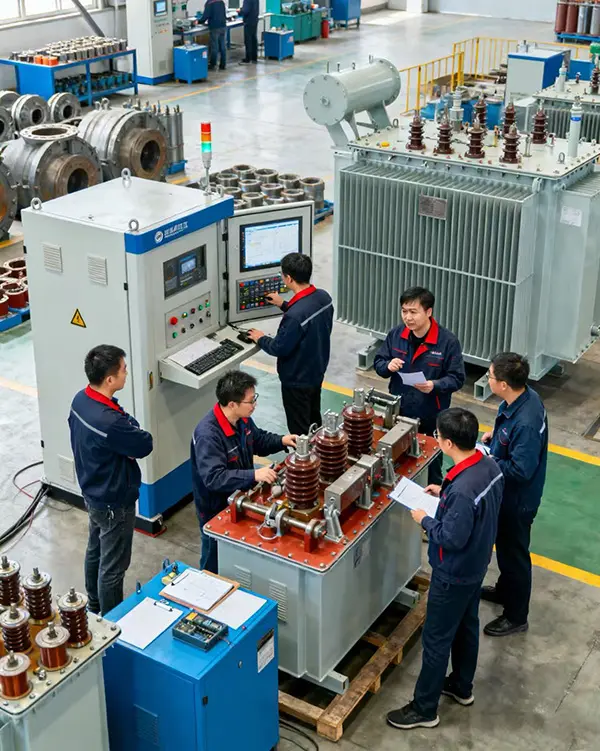
The global machinery market is transitioning from simple assembly practices to intelligent, integrated manufacturing platforms. Under the China Factory 4.0 paradigm, Wuxi Shuhong Machinery Technology Co., Ltd. has established a comprehensive R&D-design-production-sales-service industrial chain. This integration guarantees consistent component supply and provides key design feedback loops that reduce time-to-market for custom client orders.
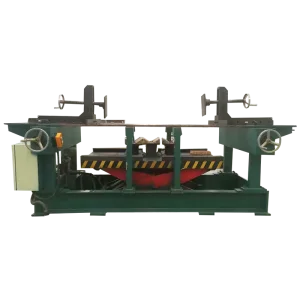
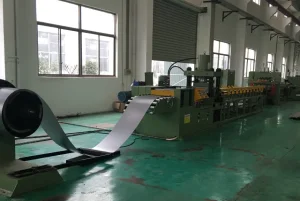
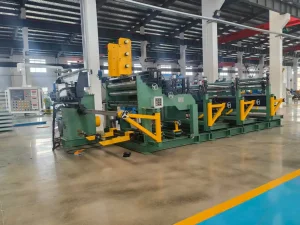
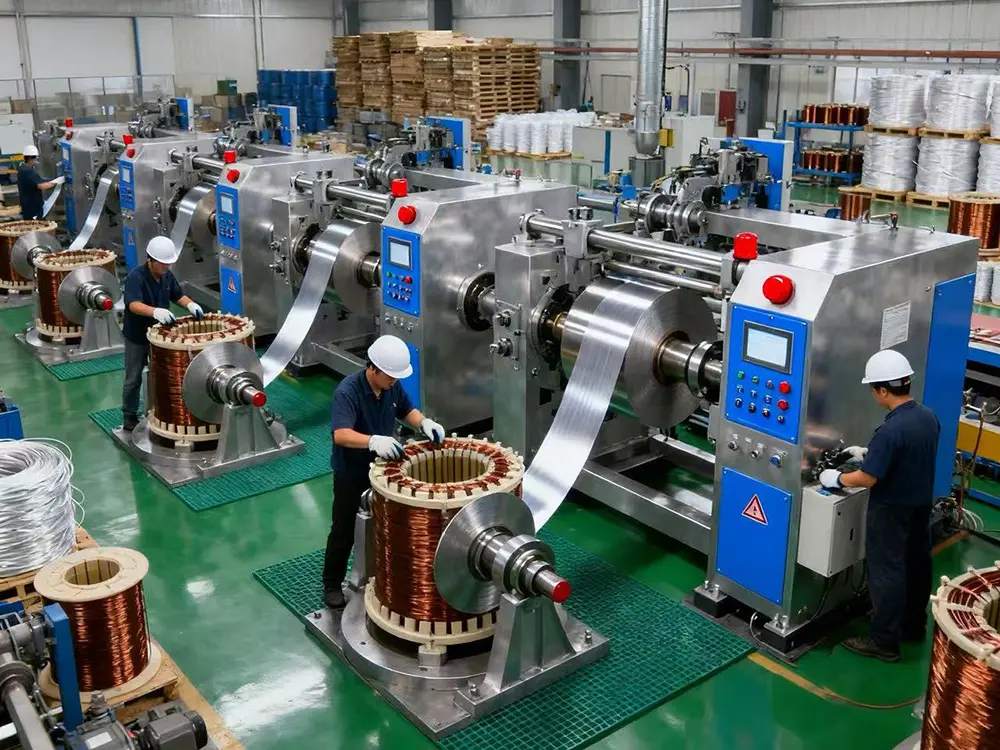
By using modern, automated CNC silicon steel slitting equipment, automatic corrugated sheet welding machines, and high-precision foil winders, the facility achieves extreme repeatability. This mechanical reliability is critical because even minor winding defects can compromise insulation and lead to electrical faults in high-voltage environments.
Tailoring system designs for diverse operating conditions and regional grid architectures.
High humidity, heavy rain, and airborne salt spray in tropical and coastal areas accelerate oxidation on exposed metal surfaces. To address this, specialized transformers utilize high-grade anticorrosive exterior coatings, stainless steel enclosures, and fully encapsulated epoxy castings to prevent moisture ingress.
Steel mills, chemical plants, and heavy manufacturing facilities require extremely stable, clean power distribution. These environments utilize high-capacity dry-type and rolled core transformers to handle voltage spikes, harmonic distortions, and high starting currents from heavy industrial loads.
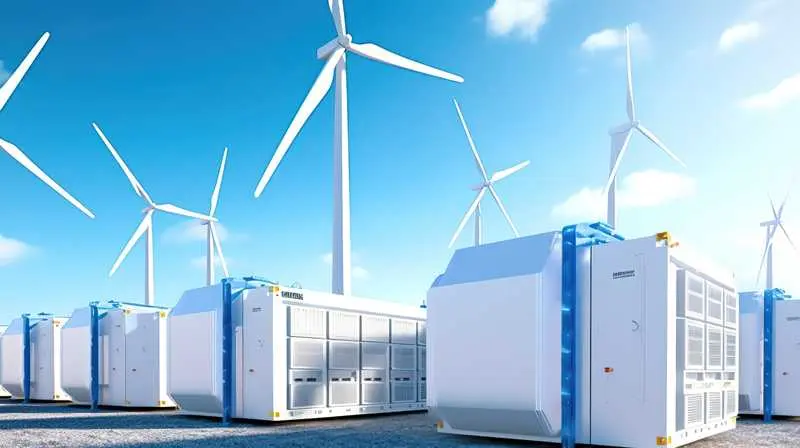
Solar fields and wind installations generate fluctuating currents that vary with environmental conditions. This variability requires smart step-up substations with dynamic load balancing, high heat dissipation efficiency, and responsive controllers to safely manage feed-in power levels.
A structured breakdown of our step-by-step transformer manufacturing process.
Every industrial-grade transformer manufactured at our plant undergoes a strict, 9-stage sequence to guarantee high operating efficiency, structural integrity, and long service life. This systematic process is designed to prevent winding issues, control hot-spot temperatures, and ensure compliance with international grid standards.
Looking forward, Shuhong Machinery will uphold its business philosophy of "People-oriented, Integrity-driven, Collaborative Innovation, and Quality First." It will deepen focus on electrical and plastics machinery, boost R&D investment to strengthen core technologies, and launch more efficient, energy-saving and intelligent products.
The company will also expand domestic and international markets, cooperate with industry leaders, strive to build an internationally competitive machinery brand, and further contribute to China’s machinery manufacturing and energy sector development.

Insights from our engineering and design departments on frequently asked technical questions.
Explore our secondary lineup of winding machines, amorphous alloy assemblies, and heat dissipation solutions.