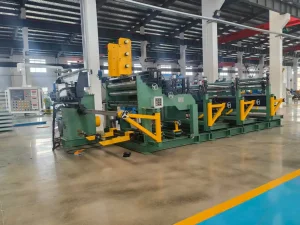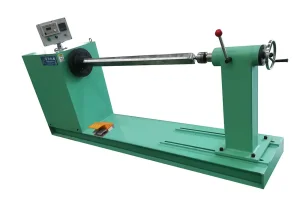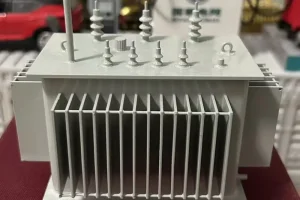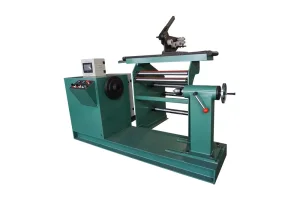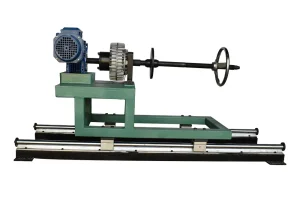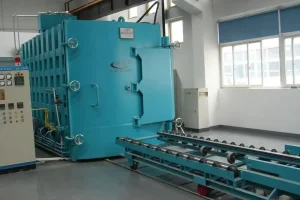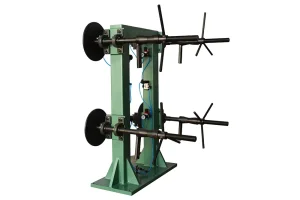
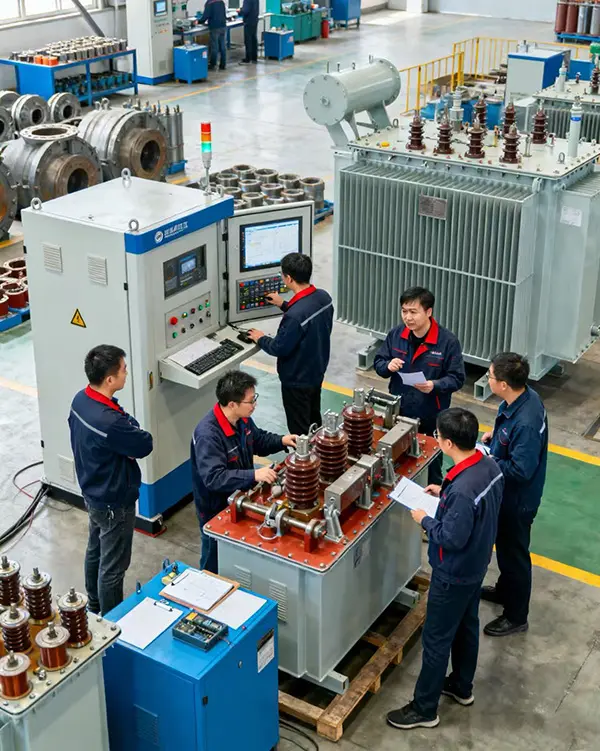
Advanced equipment supporting custom engineering lines for low-to-high voltage transformer manufacturing.
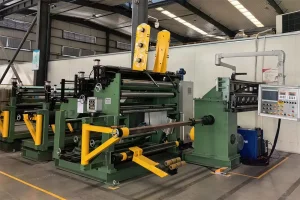
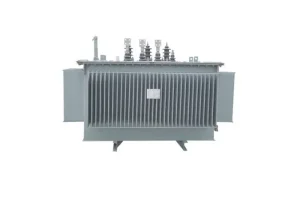
How Low-to-High Voltage step-up transformers serve as the critical bottleneck and enabling technology for the modern energy revolution.
In the contemporary electrical engineering landscape, step-up transformers that convert low voltage (LV) output to high voltage (HV) transmission levels represent the foundational pillar of utility infrastructure. As power generation shifts away from centralized fossil-fuel thermal plants to highly decentralized, localized renewable setups (such as utility-scale photovoltaic farms, wind power installations, and battery energy storage complexes), the engineering demand for highly efficient, cost-optimized, and extremely durable step-up solutions has skyrocketed globally.
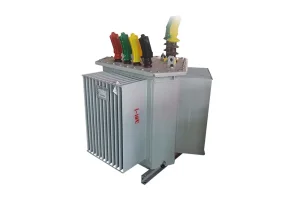
A typical step-up transformer in these settings takes the generation-level low voltage (often within the range of 400V, 690V, or 1.2kV AC) and scales it to medium or high voltage levels (ranging from 11kV up to 110kV or higher) to minimize I²R line losses over long transmission spans. Because these transformers operate in harsh environmental conditions—facing high thermal fluctuations, variable duty cycles, and harmonics generated by modern solid-state power inverters—the structural and metallurgical integrity of the magnetic cores and windings must meet the highest industry criteria. Supply chain constraints, fluctuating prices of raw silicon steel, and the premium cost of high-grade copper windings have motivated global buyers to seek cost-competitive procurement channels that do not compromise operational reliability.
Renewables generate low voltage AC or DC power. Stepping up to HV stabilizes grids, prevents voltage sag, and minimizes thermal loss during long-haul transport.
Large manufacturing facilities step down distribution voltage, but step-up systems are crucial for local cogeneration and heavy induction machinery startup profiles.
Expanding mega-cities demand reliable step-up transformer substations at municipal waste-to-energy plants and secondary rail networks.
On the shores of the picturesque Taihu Lake lies Wuxi, known as the "Land of Fish and Rice." This beautiful land has nurtured countless enterprising enterprises, with Wuxi Shuhong Machinery Technology Co., Ltd. standing out among them. Since its establishment in 2018, Shuhong Machinery has consistently prioritized technological innovation and quality service, steadily advancing in the fields of electrical and plastic machinery, becoming a high-tech enterprise with both strength and reputation.
Shuhong Machinery originated from its founder’s insight into machinery manufacturing. With over a decade in the industry (from front-line technical roles to management), the founder witnessed domestic machinery shift from "following" to "running alongside" global peers, and sensed the need for energy-efficient, intelligent upgrades.
During a State Grid project exchange, the founder found traditional transformers flawed in temperature control and service life (harming power stability, raising costs) and noted new energy’s higher equipment demands—thus focusing on R&D and manufacturing of high-efficiency, energy-saving transformers.
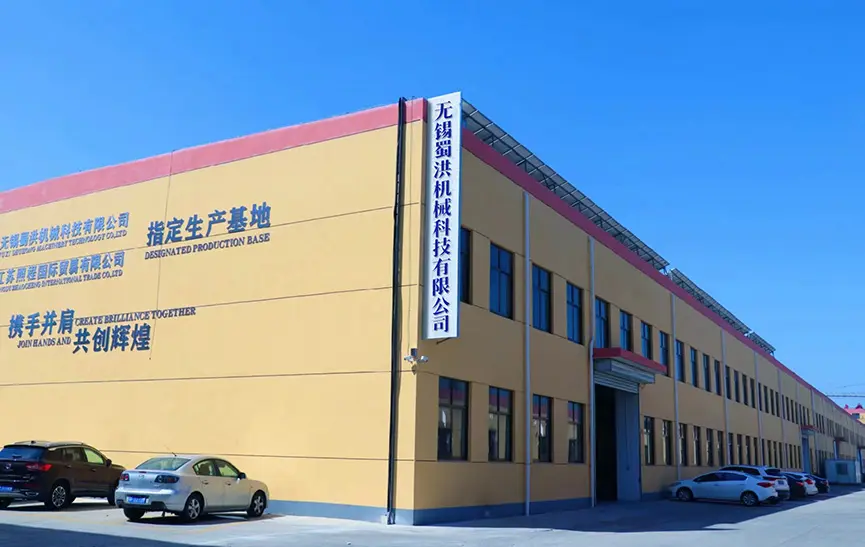
Why domestic manufacturing processes yield cheaper step-up transformers with higher technical tolerances.
The global dominance of Chinese suppliers in the transformer and core manufacturing domain is not merely a product of lower labor costs. Rather, it is the direct result of a highly integrated industrial ecosystem, massive scale effects, and rapid mechanical optimization. Overcoming funding and technical hurdles, Wuxi Shuhong’s engineering team worked day and night in labs and workshops on design demos and structural optimizations. They finally succeeded in developing a transformer topology displaying a 30% lower temperature rise and an extended operational lifespan exceeding 15 years, earning deep recognition from municipal clients and international developers.
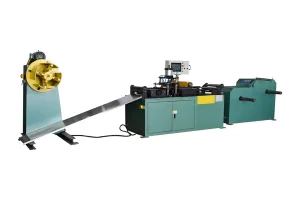
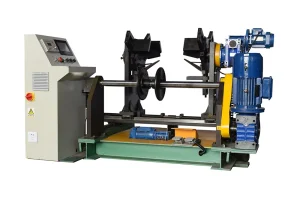
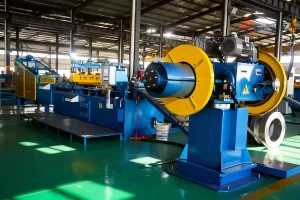
A key factor in achieving these competitive price structures (often marketed as "discount" or high-value propositions) is our internal mastery over the production equipment itself. Because Shuhong designs and deploys CNC cross-cutting lines, horizontal winding units, vacuum annealing furnaces, and high-tension pay-off stands internally, the capital expenditure needed for machinery is dramatically lower than Western competitors. Consequently, the discount passed to procurement agencies is rooted in industrial efficiency, rather than compromising material parameters.
By using custom vacuum annealing chambers, the microstructural stresses of grain-oriented silicon steel or amorphous ribbon cores are eliminated, bringing core losses down to minimal values.
CNC cross-cutting technologies slice ultra-thin silicon lamination sheets without introducing edge burrs. This prevents localized eddy currents and eliminates hot-spot failure risks.
Using double-layer and three-layer foil winding systems, Shuhong ensures tight, gap-free copper/aluminum layups capable of withstanding massive electrodynamic forces under short-circuits.
Renewable Energy Substations: Solar power generators convert sunlight to low voltage DC, which is immediately converted to roughly 690V AC by central inverters. Step-up transformers located next to inverter cabins boost this to 33kV or 35kV to interface with local collector grids. Wuxi Shuhong’s solutions are engineered to cope with high harmonic loading in these specific configurations.
Industrial Cogeneration & Peak Shaving: Modern steel mills, cement factories, and petrochemical plants utilize waste heat recovery or heavy diesel engines to generate backup power. Integrating these low-voltage generation units into their own medium-voltage internal distribution buses requires robust, heavy-duty step-up units designed for high-stress operation.
Amorphous Alloy Advancements: Traditional CRGO (Cold Rolled Grain Oriented) silicon steel cores are increasingly being replaced by amorphous metal alloy cores. Because amorphous alloys have a non-crystalline atomic structure, their magnetic hysteretic footprint is negligible, resulting in up to 70-80% lower no-load energy losses compared to conventional designs. This shift is critical for utilities looking to meet strict environmental and energy mandates.
Building specialized machinery solutions requires top engineering talent and strict quality management workflows.
After years of development, Shuhong Machinery has a complete R&D-design-production-sales-service industrial chain, with a professional R&D team and modern factories ensuring product quality. Focused on tech innovation, it leads in insulation and temperature control; its products have passed State Grid and international certifications. It has supplied over 2,000 substations, boosting China's power and new energy industries.
Shuhong Machinery adheres to the team management philosophy of "People-Oriented, Collaborative Innovation", taking an excellent team as its success foundation.
In talent development, the company maintains a comprehensive training system for different technical roles and actively encourages employees to join global industry forums.
In incentives, the company follows "more work, better performance, better rewards", with a scientific appraisal system and benefits like equity options to motivate core engineering staff.
Key metrics global engineering buyers must prioritize when selecting low-to-high voltage transformer suppliers.
When procurement managers look for low-to-high voltage step-up transformers, they frequently prioritize upfront unit cost. However, long-term efficiency parameters (Total Cost of Ownership - TCO) represent the real metric of profitability. Experienced EPC (Engineering, Procurement, and Construction) companies employ deep decision-making check sheets:
Looking forward, Shuhong Machinery will uphold its business philosophy of "People-oriented, Integrity-driven, Collaborative Innovation, and Quality First." It will deepen focus on electrical and plastics machinery, boost R&D investment to strengthen core technologies, and launch more efficient, energy-saving and intelligent products.
The company will also expand domestic and international markets, cooperate with industry leaders, strive to build an internationally competitive machinery brand, and further contribute to China’s machinery manufacturing and energy sector development.
Since its establishment, Shuhong Machinery has prioritized "meeting customer needs," winning wide acclaim with cutting-edge technology, timely service and full compliance.
Technical, procurement, and installation inquiries concerning low-voltage to high-voltage transformer technologies.
In step-up transformers, the primary winding connected to the energy source has fewer turns of thicker copper wire or foil to handle high current profiles. The secondary winding contains a significantly higher number of turns of thinner conductor wire to deliver high voltage. The design must handle strong electromagnetic forces, especially at the high-voltage side.
3D triangular wound cores feature a continuous wound structure with three identical core limbs arranged in a three-dimensional equilateral triangular setup. This arrangement ensures symmetrical magnetic paths, reduces iron losses by up to 25%, lowers magnetostriction noise levels, and minimizes stray magnetic fields, resulting in a robust, compact transformer layout.
Foil winding uses broad sheets of copper or aluminum instead of thin circular wires. This maximizes the electrical space factor and distributes axial short-circuit forces evenly across the coil length. It significantly reduces local heating, improves thermal transfer capabilities, and reduces the overall risk of turn-to-turn insulation breakdown.
Standard protocols mandate routine tests including winding resistance measurements, voltage ratio checks, phase displacement verification, short-circuit impedance tests, and no-load loss measurements. Advanced commissioning also requires impulse tests and partial discharge checks to ensure long-term dielectric performance under grid surges.
Premium solutions from Wuxi Shuhong for high-precision coil winding, core cutting, and steel processing.