Discover precision production solutions engineered for high performance transformer manufacturing.
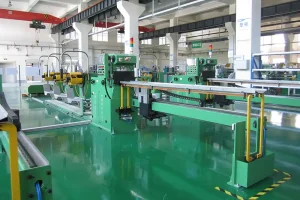
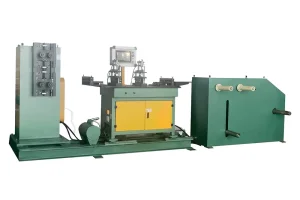
Optimizing copper and aluminum path topologies for maximum thermal and magnetic performance.
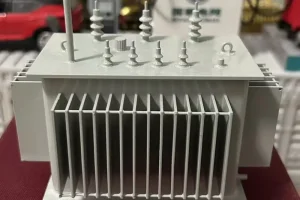
Within high-voltage distribution networks and localized industrial power networks, the electrical transformer coil remains the single most critical structural element dictating operational efficiency. A professionally engineered transformer coil represents the convergence of high-purity electrical metallurgy, precision geometry, and advanced polymeric or composite insulation barrier technologies. The ultimate objective of custom transformer coil design is minimizing losses—specifically load losses (copper losses) and magnetic hysteresis losses—while optimizing the heat transfer pathways to eliminate hot-spot formations.
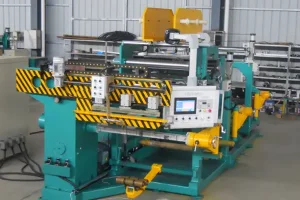
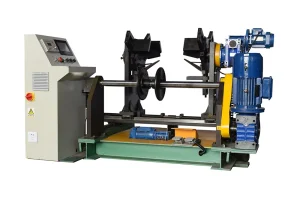
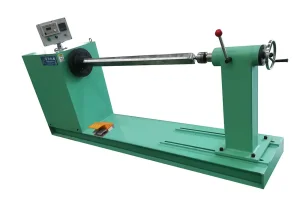
By shifting manufacturing techniques from hand-wound geometries to highly automated computerized numerical control (CNC) horizontal and foil winding configurations, global transformer manufacturers can achieve higher packing factors, lower leakage inductance, and superior short-circuit integrity. Utilizing high-efficiency raw materials such as oxygen-free copper foils and high-permeability grain-oriented silicon steel sheets, manufacturers can achieve optimal dielectric strength, assuring long-term grid security.
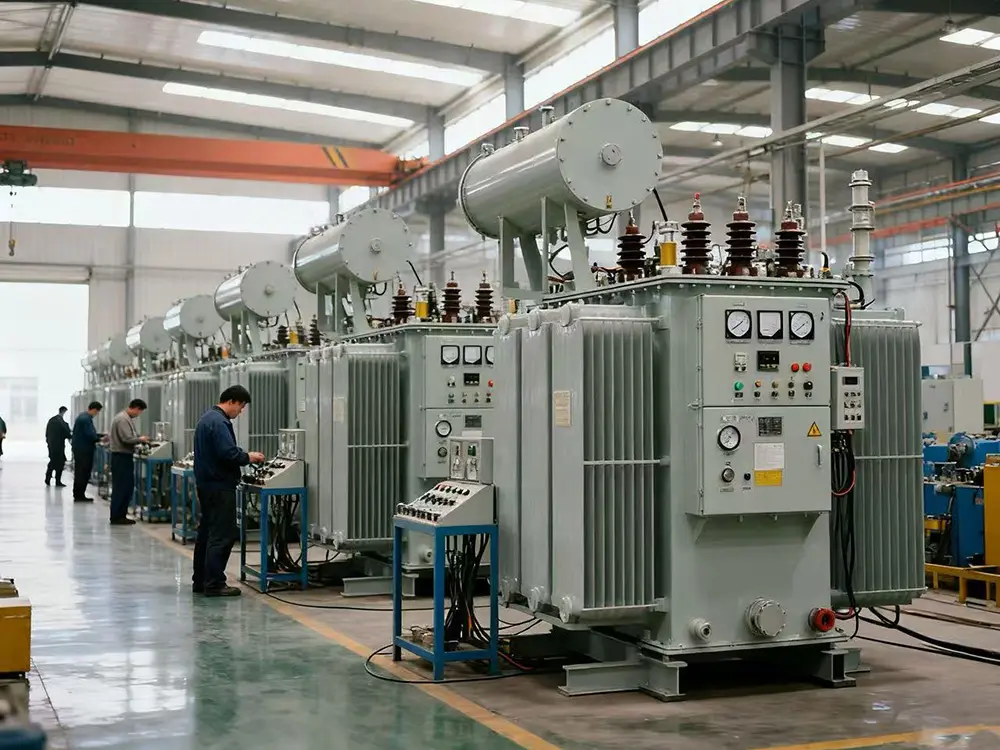
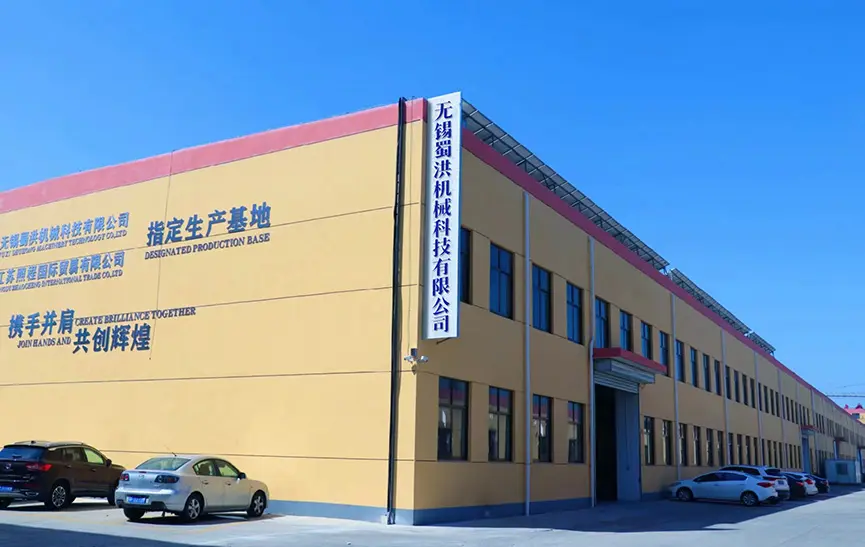
Located on the strategic shores of Taihu Lake in Wuxi—a region widely recognized as a premier high-technology hub—Wuxi Shuhong Machinery Technology Co., Ltd. has established itself as an innovative manufacturing entity since its founding in 2018. Over years of focused technical evolution, the company has integrated scientific research, hardware design, assembly-line optimization, and global logistics support into a robust industrial chain footprint.
The origin story of Shuhong Machinery stems from its founder’s extensive, decade-long hands-on history in Chinese heavy industry, transitioning from early technical roles to operational leadership. Observing the shift of domestic manufacturing from replication to global technological leadership, the founder identified critical issues in traditional transformer cooling profiles and lifecycle durations. Standard industry coils frequently suffered from localized heating failures, compromising grid safety and inflating capital expenditure for utilities.
Driven by this market gap, the Shuhong engineering team collaborated with leading domestic institutions during a State Grid project exchange. By refining the structural design of winding systems and optimizing automated tension controls, the company introduced equipment that helps customers fabricate transformers boasting a 30% lower temperature rise and a projected 15-year operational lifespan.
How localized material abundance, precision tooling, and technological automation yield global competitiveness.
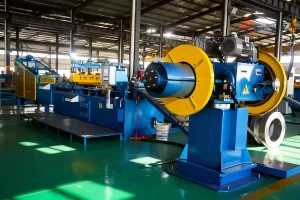
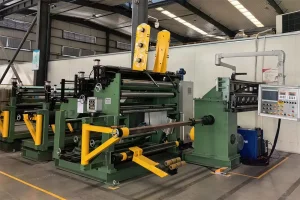
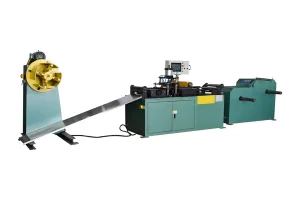
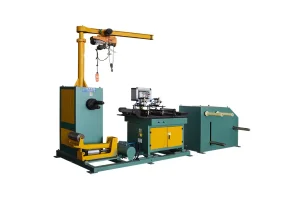
By utilizing dual-layer foil winding systems, CNC sheet shearing machines, and highly automated R-type planar winding technology, Wuxi Shuhong ensures every coil matches exact tolerances. Automated tension loops eliminate microscopic cracks in wire structures, preventing dielectric failures during high-voltage operations.
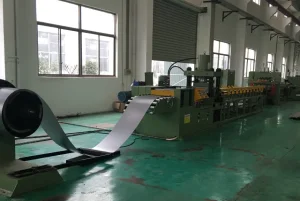
Our technologies support processing of both conventional grain-oriented silicon steel sheets and next-generation amorphous alloys. Implementing precision CNC cross-cutting and shearing ensures stress-free fabrication, preserving optimal magnetic domains for lowered core loss profiles.
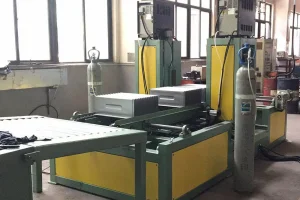
From custom heat sink manufacturing (aluminum-copper thermal dissipators) to automatic corrugated sheet welding systems and vacuum drying chambers, our design integration provides massive cost savings. We supply global procurement professionals with single-source solutions that eliminate sub-vendor risks.
For multinational corporations and grid operators, selecting transformer equipment involves rigorous engineering vetting. Wuxi Shuhong’s machinery output satisfies international consensus testing protocols, securing high reliability metrics. We focus on matching critical international certifications, including IEC 60076 series standards for power transformers, IEEE C57 standards for distribution installations, as well as CE and UL compliance parameters for control systems.
Key quality assurance measures implemented within our factory systems include:
Tailoring transformer designs for demanding physical environments and regional grids.
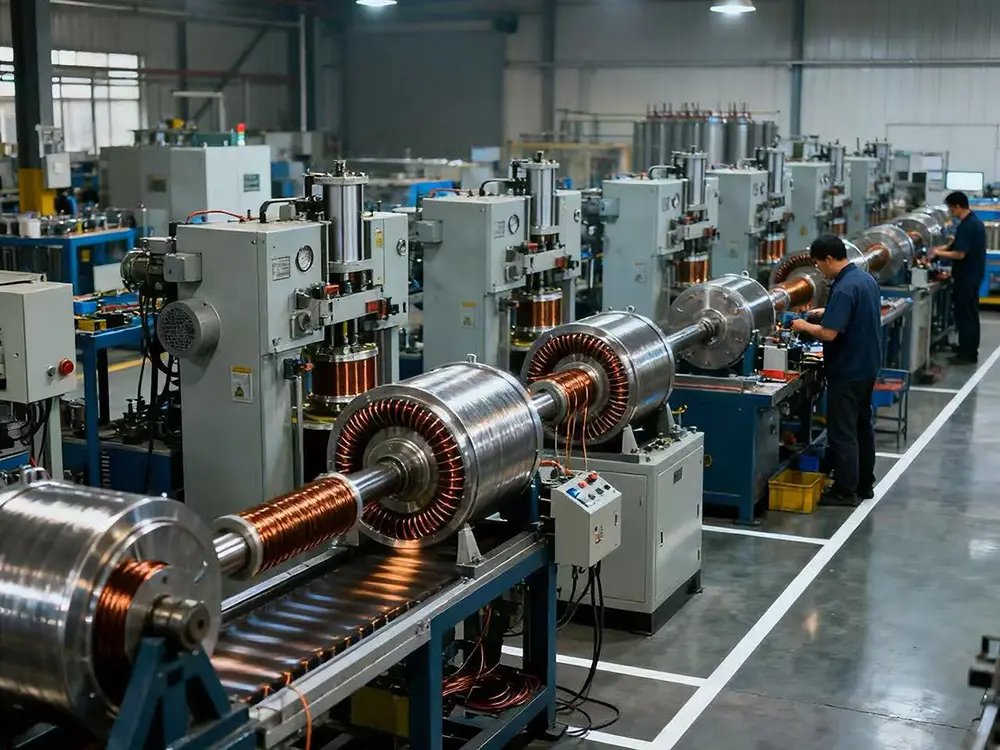
Wind and solar installations exhibit fluctuating load cycles that subject transformers to intense thermal strain. Using double-layer foil winding systems reduces eddy-current losses in wind turbine nacelle step-up transformers, helping prevent premature dielectric breakdown caused by harmonic overloads.
Modern cities demand minimal footprints and noise pollution levels. R-type planar cores and 3D wound core transformers, wound on Shuhong automated winding units, deliver compact dimensional profiles and near-zero vibration parameters, making them ideal for high-density municipal substations.
Offshore offshore installations require superior corrosion shielding and thermal management. Our custom aluminum-copper lightweight heat sinks combined with high-precision automatic corrugated sheet welding guarantee airtight tank enclosures, preventing seawater ingress and cooling oil degradation.
Maintaining absolute control over structural geometry and magnetic integrity from raw materials to finalized testing protocols.
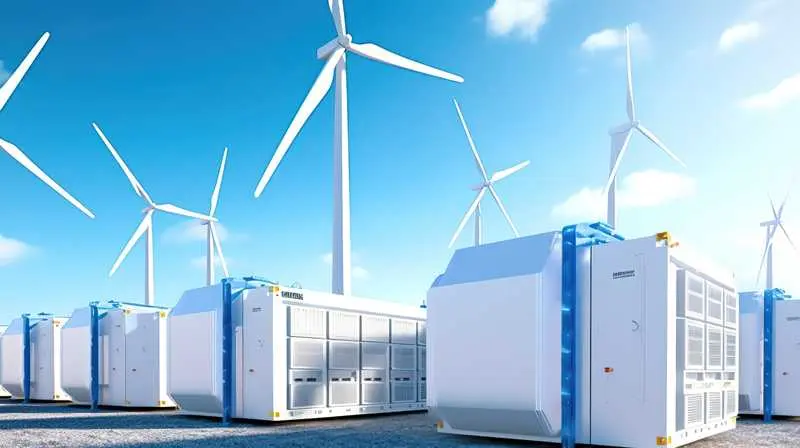
Each phase of Wuxi Shuhong’s manufacturing chain correlates with a specific electrical metric. Precision cutting of core lamination prevents localized magnetic short-circuits. Winding controls ensure zero overlapping of turns, while controlled annealing restores material permeability after mechanical shear stress.
Our advanced thermal drying and vacuum oil injection processes remove every trace of moisture, preventing internal partial discharges. Final testing includes high-voltage impulse trials and partial discharge detection to verify compliance prior to dispatch.
As international focus shifts toward carbon neutrality and smart grid infrastructure, the transformer industry is undergoing a structural transition. Equipment manufacturers must modernize their factories to handle next-generation designs, including:
Through proactive investments in technological research, Wuxi Shuhong Machinery Technology Co., Ltd. continuously updates its product portfolio to help partners navigate these regulatory shifts, ensuring long-term competitiveness.

Expert answers to common engineering, procurement, and equipment selection queries.
A collaborative corporate environment focused on technical innovation and reliability.
At Wuxi Shuhong Machinery Technology Co., Ltd., we operate on the principle of "People-Oriented, Collaborative Innovation." By coordinating cross-departmental development efforts, our design, assembly, and quality assurance groups work in lockstep to minimize design errors and delivery delays. We invest heavily in ongoing technical training, encouraging our engineers to participate in international energy and machinery exhibitions to bring fresh insights to our manufacturing processes.
"Since its establishment, Wuxi Shuhong has prioritized meeting customer requirements. We have secured long-term contracts across multiple regions by focusing on robust technical designs, responsive service support, and strict compliance with local regulations."
— Global Client Operations Team
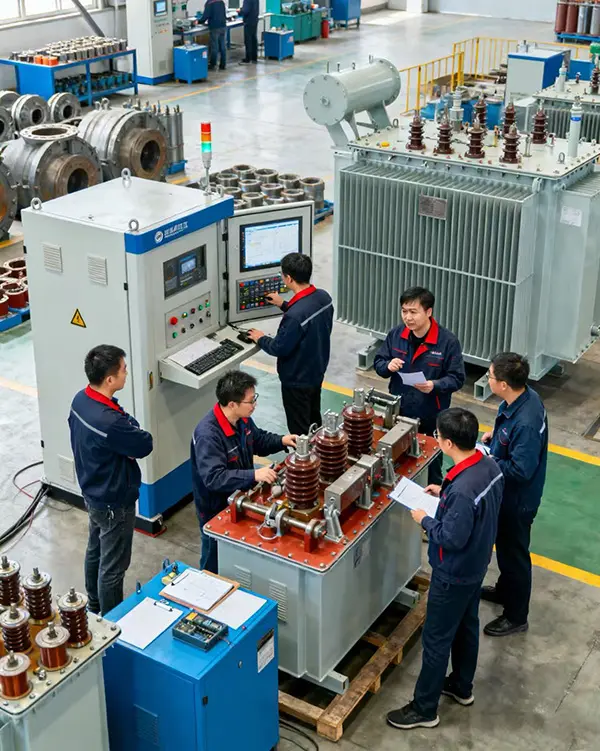
Looking ahead, Wuxi Shuhong will continue to invest in R&D, focusing on efficient, energy-saving, and intelligent machinery. We aim to strengthen collaboration with global industry partners, expanding our brand presence and contributing to international grid modernizations.
Partner With UsHigh-precision processing machinery built to expand your production capabilities.