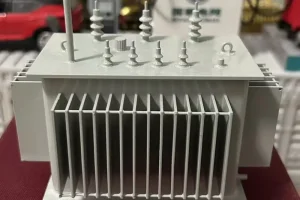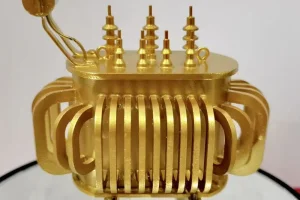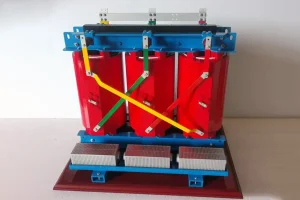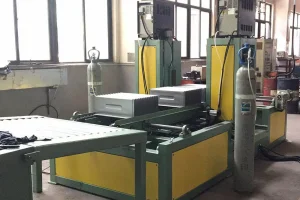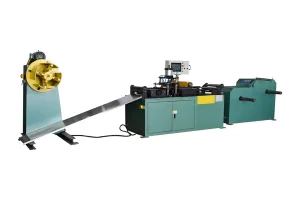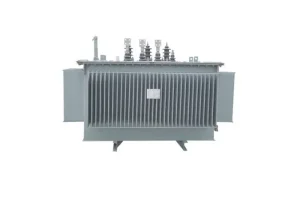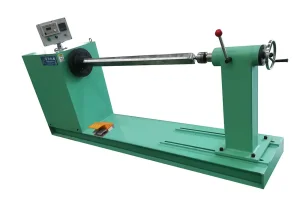
Explore our industrial grade equipment range designed for extra high voltage (EHV) production operations and specialized distribution requirements.
As the global community accelerates towards absolute decarbonization, grid resilience has shifted from a utility-level concern to a macroeconomic priority. Extra High Voltage (EHV) transformers serve as the vital arteries of modern power grids. Operating at voltage thresholds of 345kV, 500kV, and upward, these massive electromechanical systems facilitate low-loss electricity transmission across continental distances.
Historically, EHV substations relied on standardized designs. However, the rise of multi-directional power flows—triggered by remote wind arrays and massive solar fields—requires a shift toward highly customized EHV solutions. Operating dynamics are no longer static. Transient overvoltages, harmonics, and sudden load swings demand robust core geometry, insulation chemistry, and advanced cooling topologies. Customized designs address localized load centers, complex reactive power demands, and stringent environmental thresholds, ensuring long-term grid stability.
How utilities, multinational EPC firms, and industrial enterprises mitigate risk in large-scale EHV procurement contracts.
Aging urban networks require EHV retrofitting within restricted physical footprints. Custom low-noise profiles and compact structures are essential to pass municipal zoning and meet local safety codes.
Sub-stations linked to offshore wind farms or vast solar zones must handle cyclic loading and thermal swings. Double-shielded windings minimize harmonic distortions from modern inverter systems.
Smelters, mining complexes, and green hydrogen hubs need consistent voltage stability. Tailored impedance matching prevents voltage dips during high-current startups, shielding sensitive production equipment.
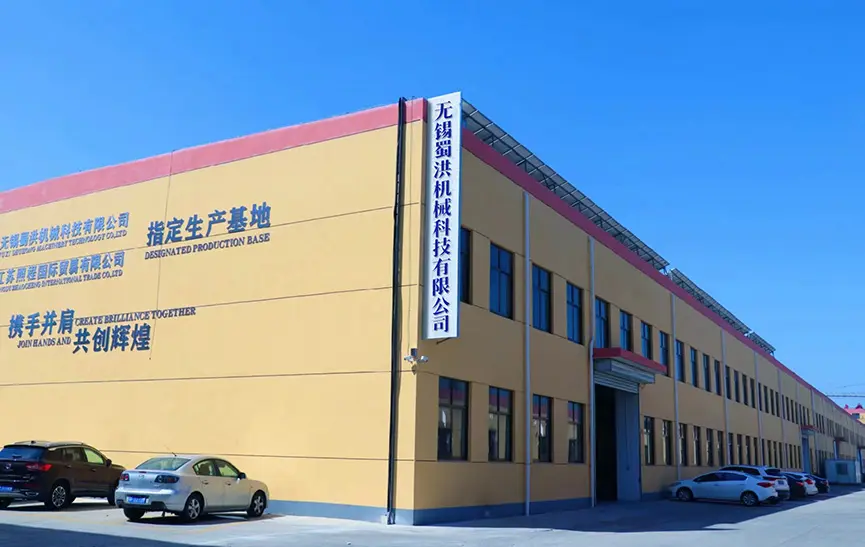
Located near the scenic Taihu Lake in Wuxi, known as the "Land of Fish and Rice," Wuxi Shuhong Machinery Technology Co., Ltd. has established itself as an innovative force in the electrical and plastic machinery industries since its founding in 2018.
Drawing on the founder's decade of hands-on technical and managerial experience, the company was established during a period of industrial change, as manufacturing moved toward high-efficiency, energy-saving, and intelligent upgrades. During a State Grid project exchange, the founder observed that standard transformers often suffered from insufficient temperature control and short lifespans. This led the team to focus on developing advanced thermal management systems and robust winding layouts.
Through dedicated research and development, Shuhong Machinery engineered a transformer line achieving a 30% reduction in temperature rise and a 15-year operational lifespan. Today, our capabilities span the entire industrial value chain—from initial research, layout design, and component production to global logistics, installation support, and after-sales service.
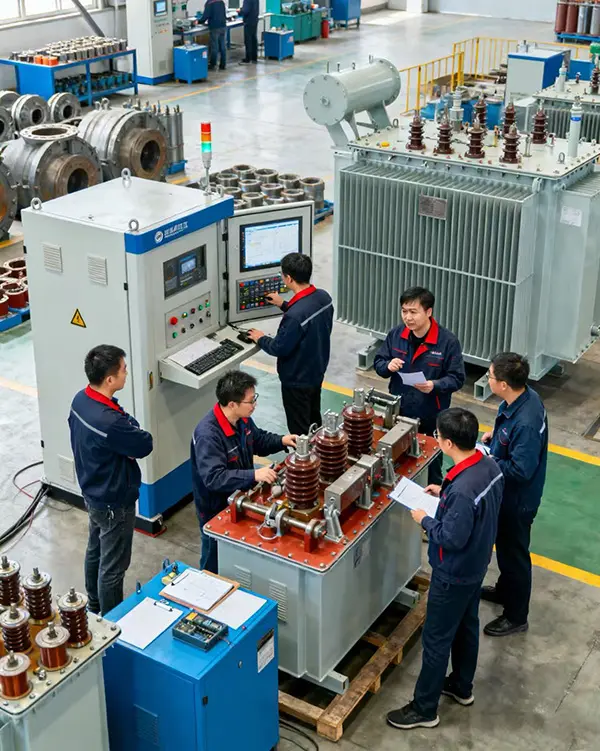
A step-by-step overview of our manufacturing process, ensuring reliability and performance for every EHV unit produced.
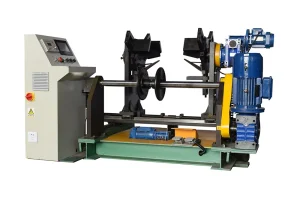
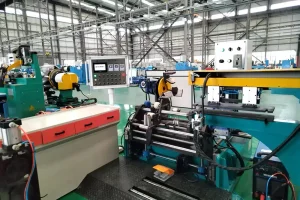
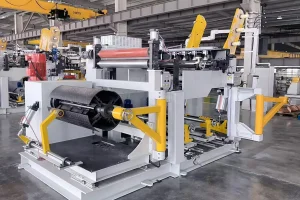
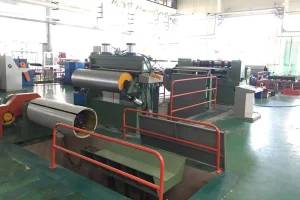
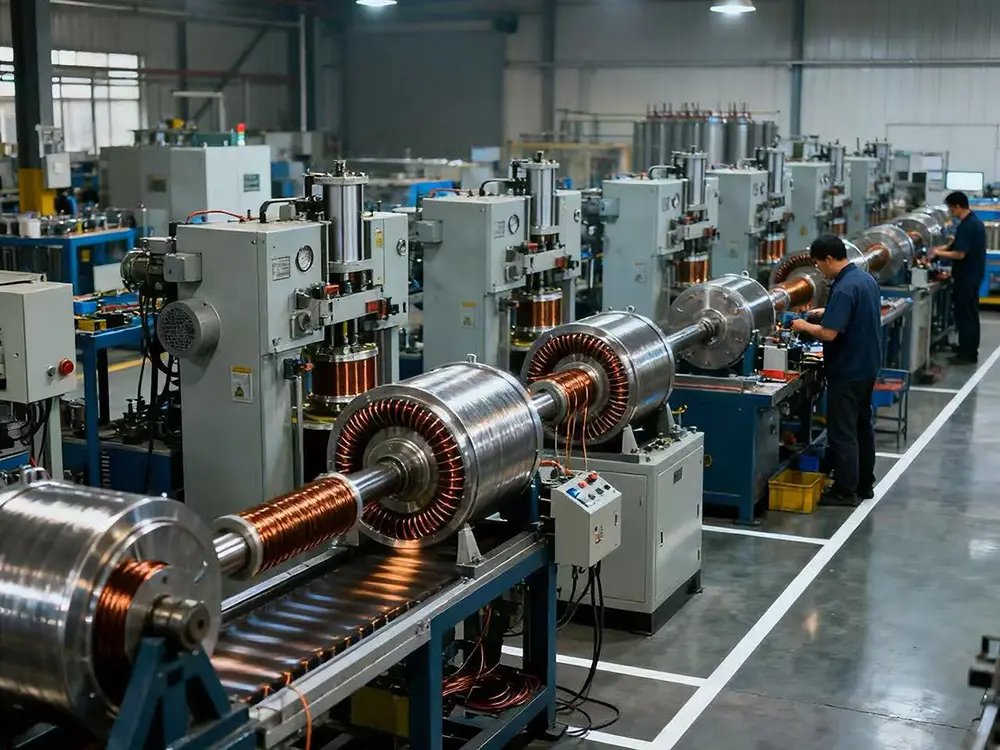
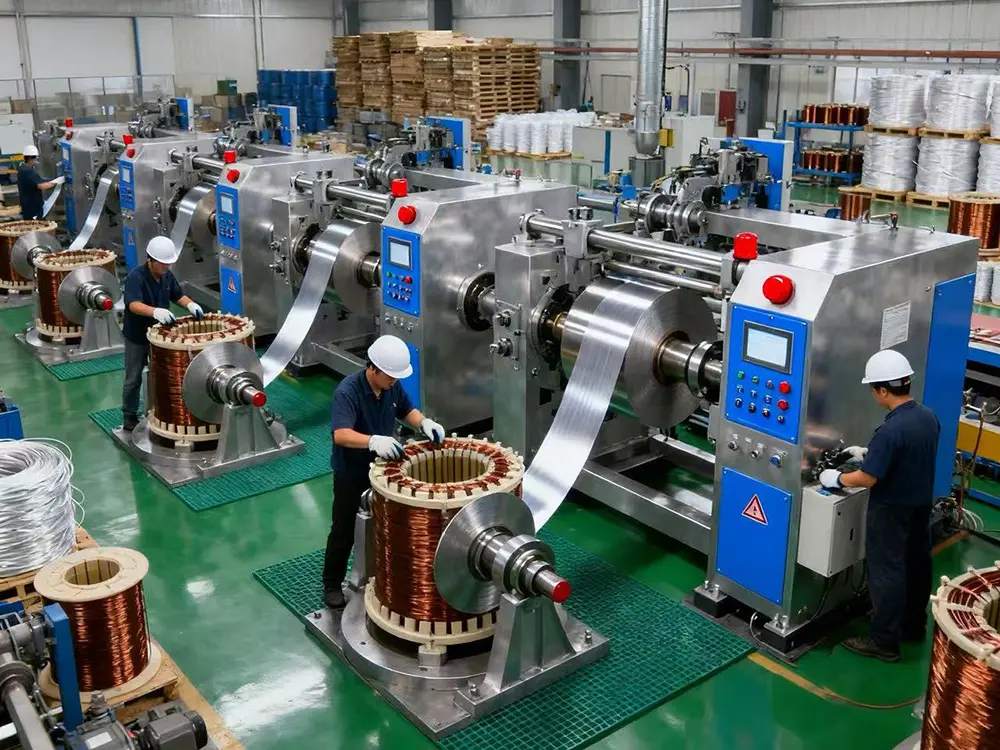
By integrating automated processes with precision machinery, we maintain tight control over every production stage. Raw silicon steel coils are cut using high-precision CNC slitting equipment, minimizing edge burrs to reduce core losses. Coils are wound using automated foil and wire winding machinery to ensure uniform tension and prevent electrical hot spots.
Our vacuum drying chambers remove residual moisture from insulation materials, preventing partial discharge issues. The assembly is then housed in a robust, oil-tight tank, vacuum-filled with processed dielectric fluid, and subjected to a comprehensive series of dielectric and impulse tests to verify long-term performance in demanding conditions.
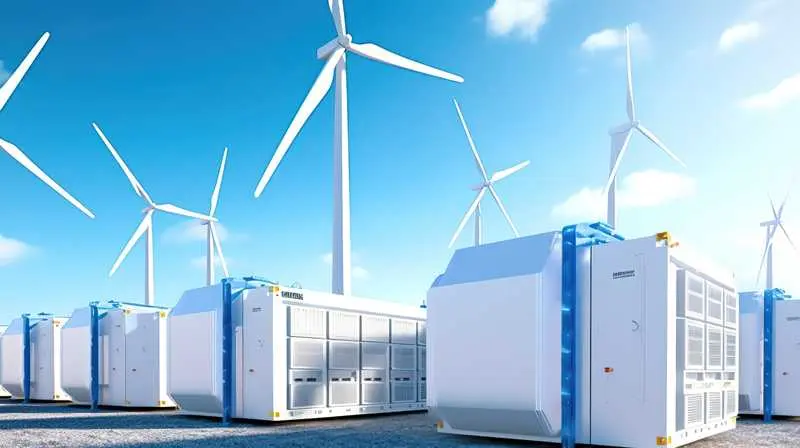
Our ongoing initiatives to enhance transformer efficiency and support green energy integration.
Transitioning toward natural ester fluids with high fire points and rapid biodegradability, reducing environmental footprint and enhancing fire safety in sensitive municipal zones.
Integrating real-time fiber-optic hot-spot monitoring and dissolved gas analysis (DGA) to enable predictive maintenance and prevent unexpected outages.
Refining core geometry using laser-scribed domain-refined silicon steel, significantly cutting no-load losses to meet strict international efficiency mandates.
Every transformer is manufactured and tested to meet international standards and local requirements.
Our design and testing processes adhere to international standards, ensuring seamless grid integration across regions:
We provide comprehensive support throughout the project lifecycle to ensure optimal equipment performance:
Detailed answers to common questions regarding EHV transformer engineering, specification selection, and operational reliability.
We optimize internal cooling dynamics by shaping oil ducts within the winding assembly. Using advanced computational fluid dynamics (CFD) software, we predict hot spots and align oil flow paths (directed oil cooling) to match heat dissipation needs, lowering thermal stress and extending insulation life.
Stacked cores use overlapping sheets of grain-oriented silicon steel, which is cost-effective for large power transformers. 3D wound cores use continuous steel strips wound in a triangular configuration, eliminating air gaps at corner joints to reduce no-load losses, lower excitation current, and minimize operating noise.
PD prevention requires clean assembly environments and thorough drying. We assemble active parts in climate-controlled cleanrooms, followed by deep vacuum cycles to extract moisture. Oil is processed through multi-stage dehydration and degasification units before being vacuum-filled into the transformer tank.
We customize short-circuit impedance (typically from 8% to 18%) to balance fault current limitation with voltage regulation requirements, coordinating design parameters with the customer's system protection needs.
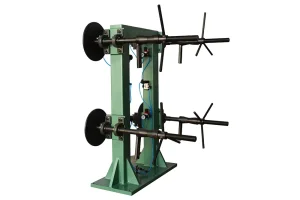
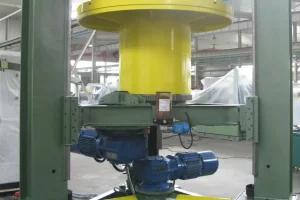
Browse our selection of specialized equipment for coil winding, core processing, and industrial applications.
Custom EHV transformers require careful planning and coordination between grid operators, EPC contractors, and manufacturing teams. Our engineering team assists at every stage—from analyzing primary network currents and evaluating regional wind loads to customizing outer paint options for harsh coastal conditions.
By integrating automated manufacturing systems with rigorous physical testing, we deliver reliable equipment designed to meet long-term grid performance requirements.
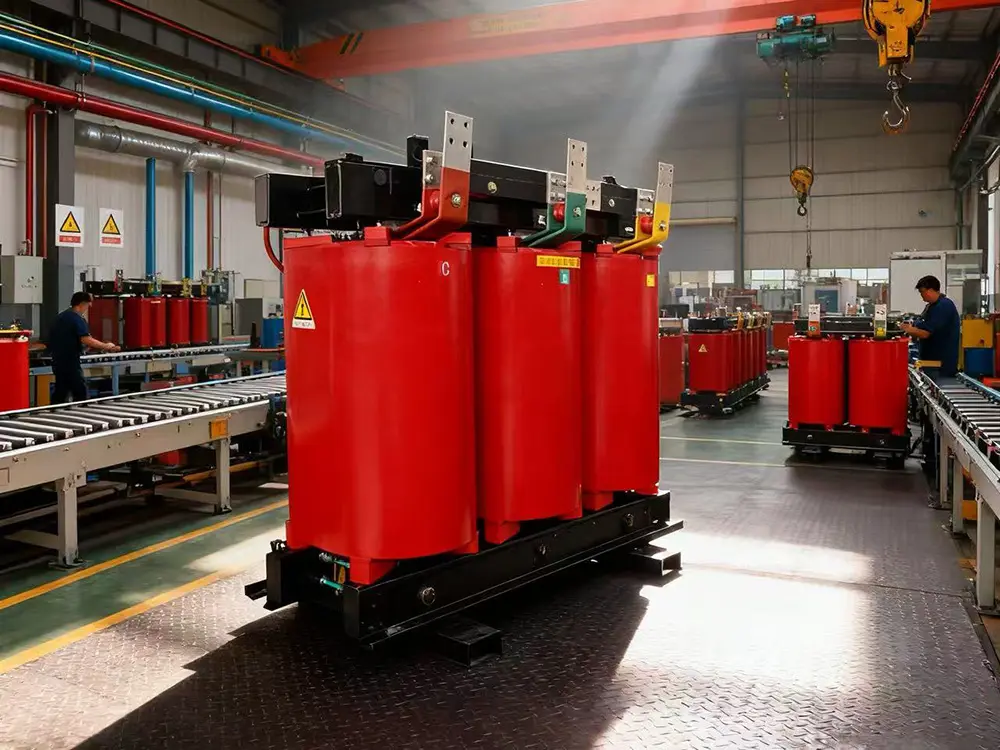
Our quality control program verifies electrical performance, thermal limits, and physical stability. Transformers undergo testing in certified environments to verify insulation integrity and efficiency profiles.
We also provide on-site technical support during installation and commissioning, helping teams verify fluid levels, connections, and alignment for a smooth grid integration.
Optimizing EHV transformers requires ongoing maintenance and performance tracking. We support asset management programs through sensor integration, analysis options, and high-quality replacement parts.
Our support team remains available post-installation to help operators track operating trends, schedule inspections, and optimize equipment performance over its lifecycle.
Discuss your system parameters, impedance profiles, and mechanical constraints with our engineering team to design a custom solution for your grid.
Contact Our Technical Sales Team