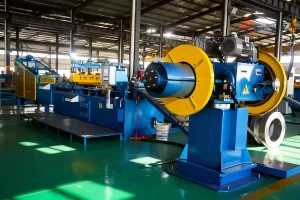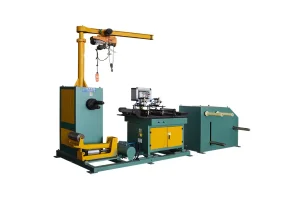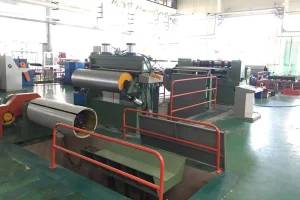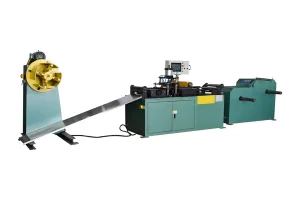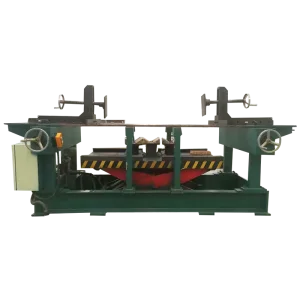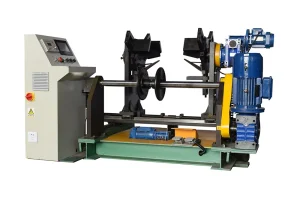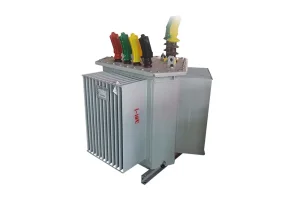
Explore our foundational machinery line optimized for high-efficiency wound core production, slitting, and structural assembly.
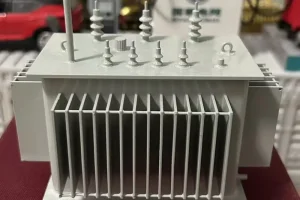
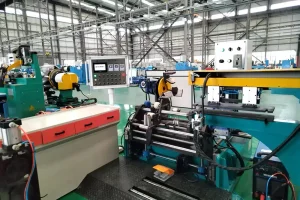
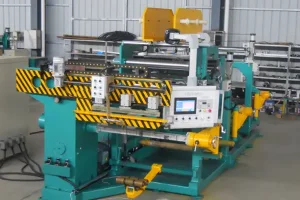
The global distribution transformer market is undergoing an unprecedented technological paradigm shift. Driven by utility decarbonization targets, industrial electrification, and localized smart grid requirements, modern power networks demand transformers that operate with minimal core losses, absolute thermal stability, and exceptional operational lifespans. As a leading high-tech manufacturer, Wuxi Shuhong Machinery Technology Co., Ltd. addresses this demand by combining advanced transformer production technology with cost-optimized supply chain structures.
When searching for a "cheap" distribution transformer, experienced global procurement directors look beyond the initial purchase price to assess the Total Cost of Ownership (TCO). High-quality construction, precise core geometry, and robust winding insulation prevent costly down-time and minimize load losses. By developing proprietary winding, slitting, and welding machinery in-house, we eliminate intermediate supply chain markups, allowing us to deliver high-performance distribution transformers directly from our modern manufacturing facility in Wuxi, China, without compromising on materials or rigorous international standards.
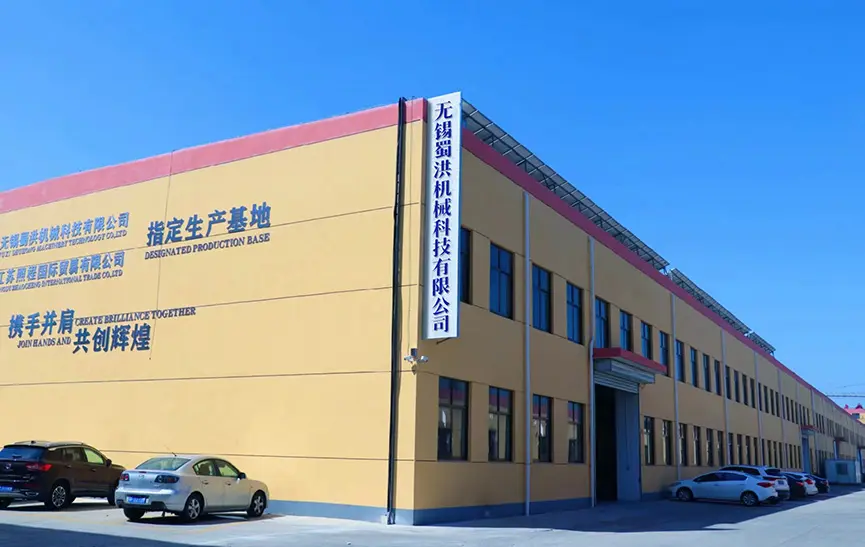
Analyzing key microeconomic and technical shifts reshaping power distribution technologies worldwide.
Traditional stacked silicon steel cores are increasingly being replaced by 3D triangular wound cores and amorphous alloy configurations. Amorphous metal ribbons reduce no-load losses by up to 70% compared to typical cold-rolled grain-oriented (CRGO) steel cores, helping utility systems comply with strict eco-design standards such as the EU Tier 2 and US DOE 2016 efficiency limits.
Distribution networks require real-time load analytics and failure diagnostics. Modern smart distribution transformers integrate sensor arrays monitoring top oil temperature, winding hotspots, harmonic distortion, and insulation oil degradation, enabling proactive fleet management and predictive maintenance.
The rapid integration of solar photovoltaic (PV) installations, onshore wind projects, and electric vehicle (EV) fleet charging infrastructure introduces bidirectional power flow challenges. Transformers must now withstand cyclic loading variations and high harmonic inputs without thermal runaway.
A comprehensive framework detailing what engineering, procurement, and construction (EPC) firms prioritize when qualifying factory partners.
Buyers require strict compliance with international manufacturing and safety frameworks, notably standard IEC 60076, IEEE C57.12, CE directives, and regional grid standards. Routine type test reports (temperature rise, lightning impulse, short-circuit withstand) from third-party certified testing bodies are essential for qualification.
Industrial buyers are highly sensitive to capitalized losses (A and B factors). A lower purchase price (CapEx) can be easily negated by higher operational costs (OpEx) over a 25-year lifecycle. Therefore, modern factories optimize costs not by choosing low-grade raw materials, but by using automated fabrication lines to minimize processing faults.
Lead times for key materials, including electrical-grade core steel, copper and aluminum foil, and mineral insulating oil, have fluctuated significantly. Procurement managers prioritize factories with vertically integrated raw material reserves and long-term supply agreements to guarantee on-time project execution.
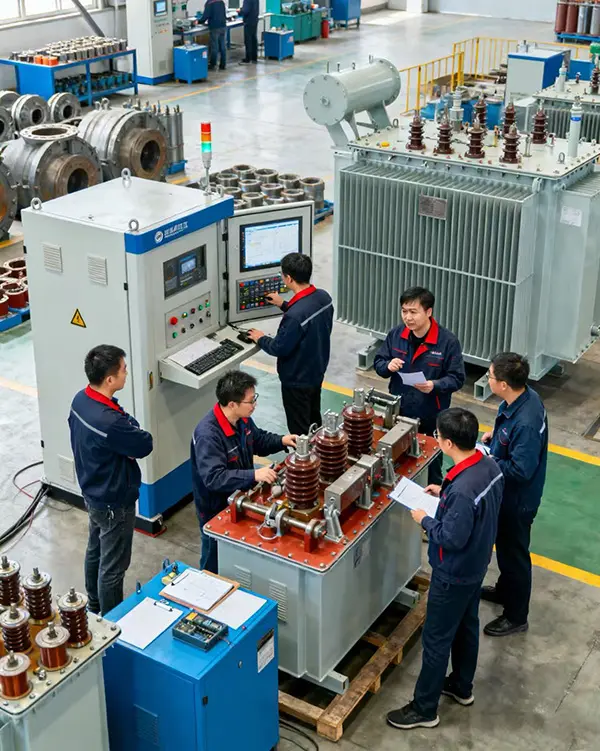
The phrase "Made in China" has evolved from simple assembly to high-precision engineering. Under the Factory 4.0 framework, our facility in Wuxi integrates IoT sensors, CNC slitting systems, automatic corrugated fin welding lines, and advanced robotic assembly to deliver distribution transformers with high repeatability and lower production costs.
Our automation controls the mechanical pressure of core stacking and winding tension, reducing human error. This precision helps prevent localized hot spots, partial discharges, and insulation degradation, which are common causes of transformer failure. By using CNC slitting equipment, we maintain burr control within 0.02 mm, minimizing eddy current losses in core assemblies.
Wuxi is a key industrial hub in China's Yangtze River Delta, which hosts a highly developed power transmission equipment cluster. This location gives us direct access to high-grade cold-rolled grain-oriented (CRGO) steel suppliers, advanced insulation paper factories, and specialized oil blending companies. This proximity reduces logistic times, protects materials from moisture, and helps lower transport costs.
Deeply Developing the Machinery Industry, Empowering the Future of Energy
On the shores of the picturesque Taihu Lake lies Wuxi, known as the "Land of Fish and Rice." This beautiful land has nurtured countless enterprising enterprises, with Wuxi Shuhong Machinery Technology Co., Ltd. standing out among them. Since its establishment in 2018, Shuhong Machinery has consistently prioritized technological innovation and quality service, steadily advancing in the fields of electrical and plastic machinery, becoming a high-tech enterprise with both strength and reputation.
The Original Aspiration: The Founder's Passion for Machinery and Entrepreneurial Journey. Shuhong Machinery originated from its founder’s insight into machinery manufacturing. With over a decade in the industry (from front-line technical roles to management), the founder witnessed domestic machinery shift from "following" to "running alongside" global peers, and sensed the need for energy-efficient, intelligent upgrades.
During a State Grid project exchange, the founder found traditional transformers flawed in temperature control and service life (harming power stability, raising costs) and noted new energy’s higher equipment demands—thus focusing on R&D and manufacturing of high-efficiency, energy-saving transformers. Overcoming funding and technical hurdles, the team worked day and night in labs/workshops on demos and optimizations, finally developing a transformer with 30% lower temperature rise and 15-year lifespan, winning high client recognition.
After years of development, Shuhong Machinery has a complete R&D-design-production-sales-service industrial chain, with a professional R&D team and modern factories ensuring product quality. Focused on tech innovation, it leads in insulation and temperature control; its products have passed State Grid and international certifications. It has supplied over 2,000 substations, boosting China's power and new energy industries.
Shuhong Machinery adheres to the team management philosophy of "People-Oriented, Collaborative Innovation", taking an excellent team as its success foundation. In talent development, it has a comprehensive training system for different positions and encourages employees to join industry technical exchanges. In teamwork, it breaks departmental barriers with cross-departmental collaboration, uses an advanced project management system, and holds regular team-building activities.
Looking forward, Shuhong Machinery will uphold its business philosophy of "People-oriented, Integrity-driven, Collaborative Innovation, and Quality First." It will deepen focus on electrical and plastics machinery, boost R&D investment to strengthen core technologies, and launch more efficient, energy-saving and intelligent products. The company will also expand domestic and international markets, cooperate with industry leaders, strive to build an internationally competitive machinery brand.
From raw steel coils to high-efficiency distribution transformers—every step is executed in-house with precise quality controls.
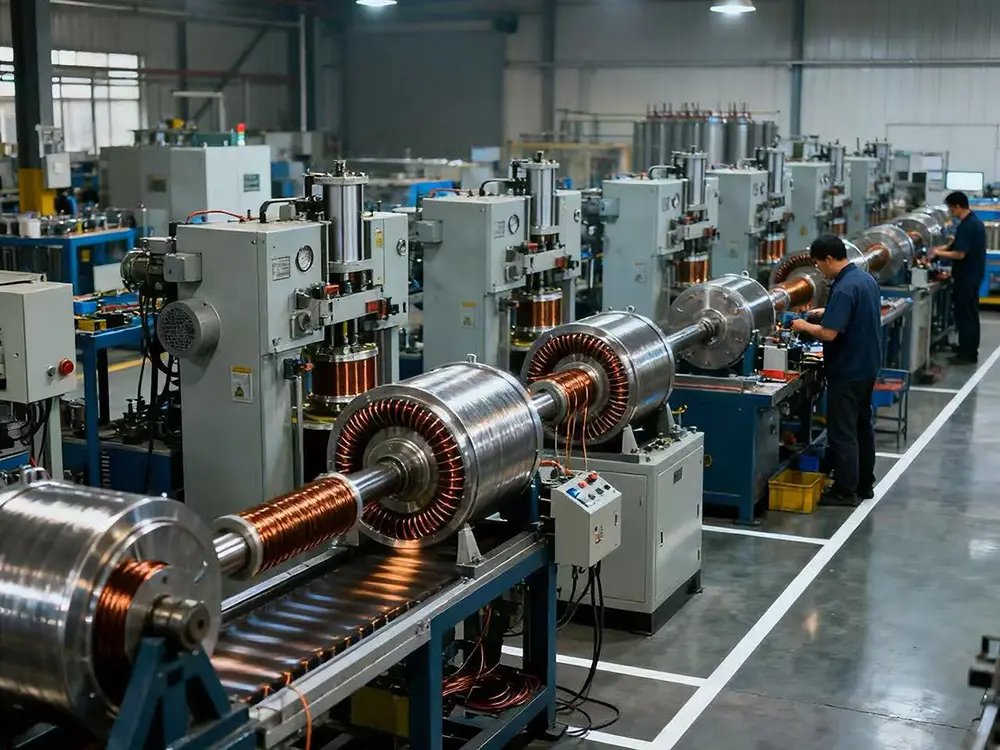
Every step of the process is engineered to optimize performance parameters, including core magnetic flux density, insulation integrity, and short-circuit mechanical strength. By integrating our custom-built manufacturing machines—such as 3D wound core curve cutters and automatic corrugated sheet welders—we maintain tight process tolerances across all eight production phases.
High-precision CNC slitting ensures burr-free silicon steel and amorphous ribbons.
Winding core structures using 3D roll core machines for uniform flux distribution.
Vacuum annealing relieves internal mechanical stresses, restoring magnetic properties.
LV and HV foil/wire coiling with precise tension and layer-to-layer insulation.
Core-and-coil assembly with balanced mechanical clamping for noise reduction.
Vacuum thermal chamber drying completely extracts moisture from insulation fibers.
Degassed mineral oil filling under high vacuum to prevent partial discharge.
Final routing tests covering transformation ratio, insulation resistance, and dielectric strength.
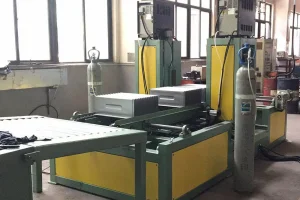
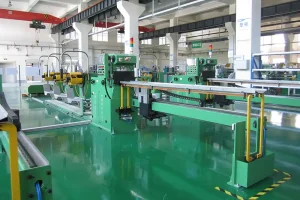
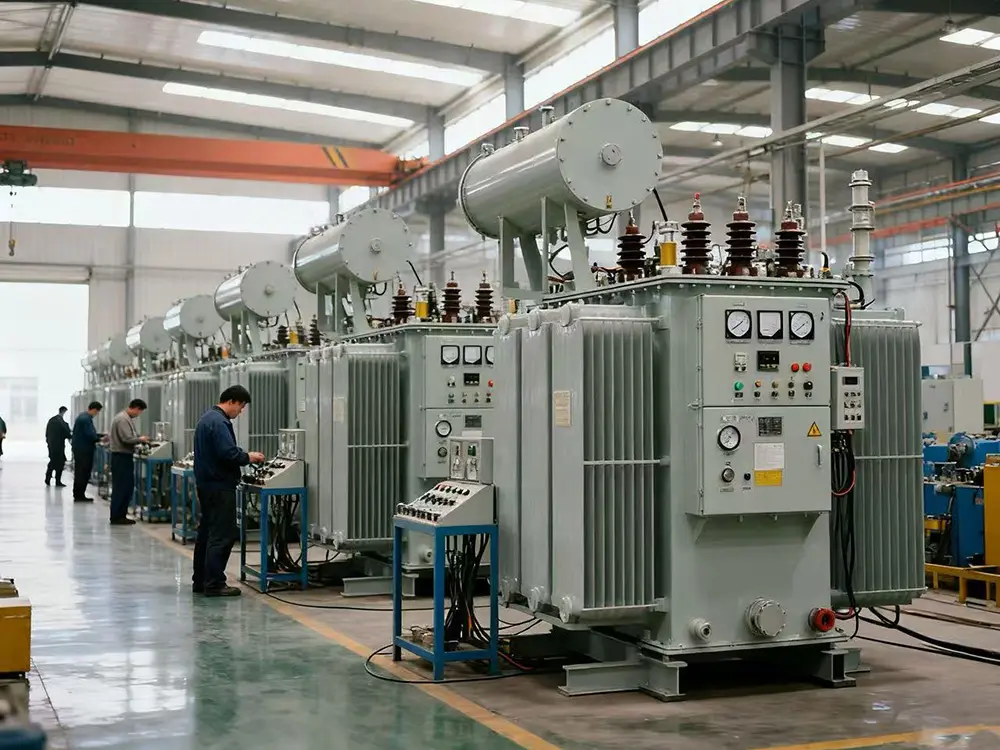
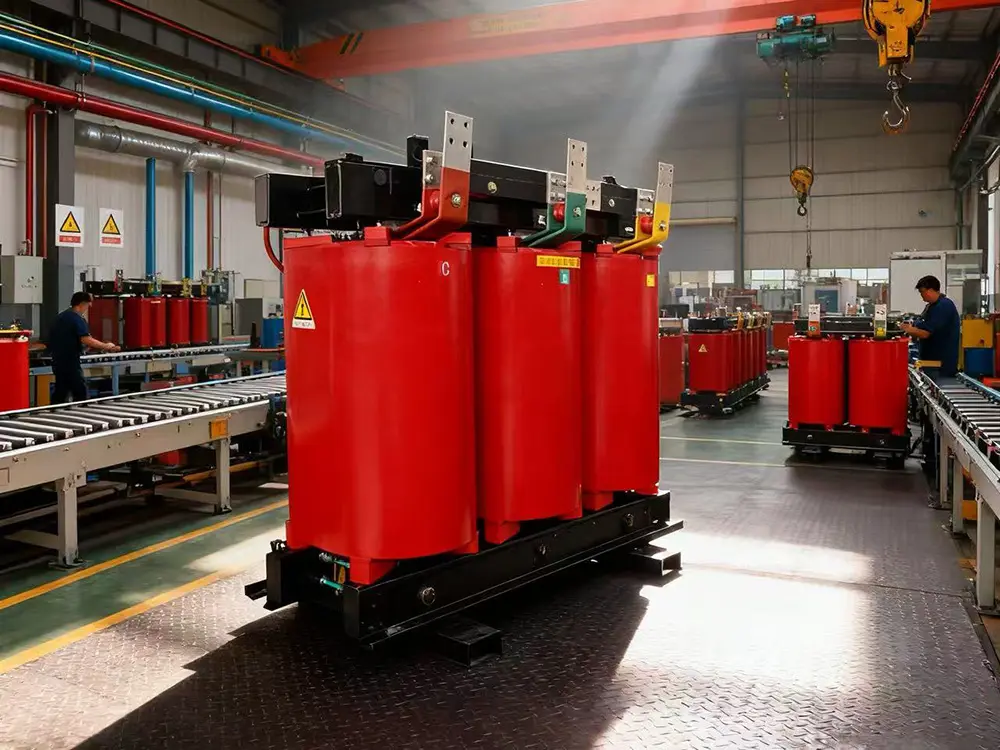
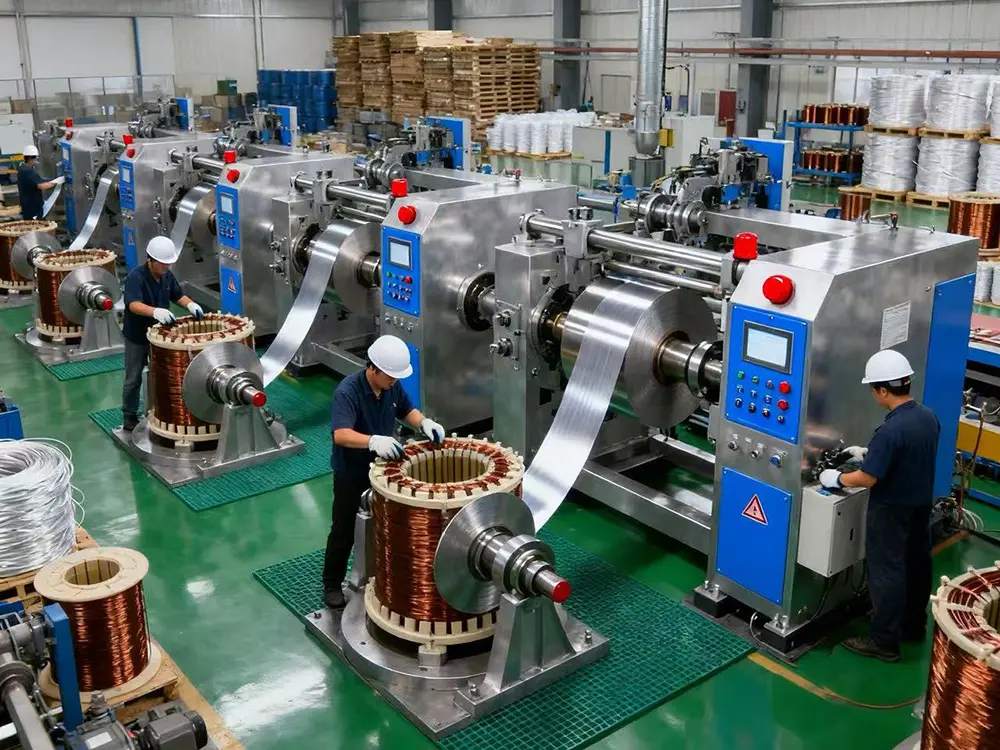
A transparent look inside Wuxi Shuhong's manufacturing bays, highlighting our advanced machinery assets and engineering environment.
Adapting power distribution systems to meet the demands of diverse industrial and municipal environments.
Heavy machinery, high-power HVAC systems, and manufacturing lines introduce harmonic distortions and variable load cycles. Our low-loss stacked and 3D wound core transformers handle these complex profiles without excessive heating, helping to protect sensitive automation equipment from voltage fluctuations.
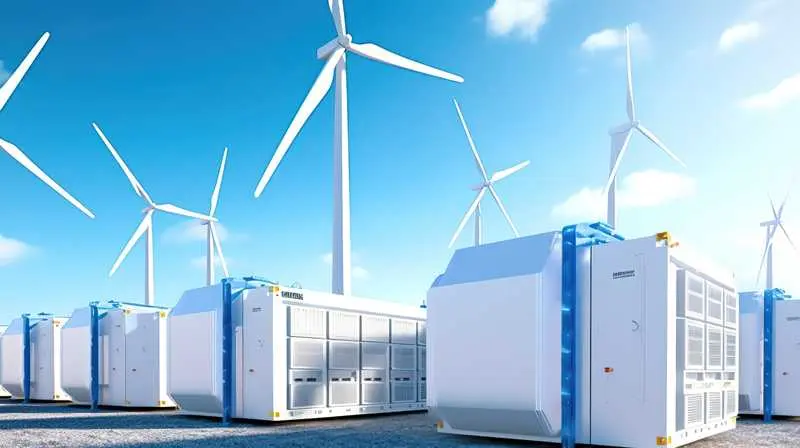
Solar arrays and wind farms operate under fluctuating daily generation cycles, placing unique stresses on step-up and distribution systems. Designed with low core losses and high thermal capabilities, Wuxi Shuhong's transformers adapt well to continuous cyclic loading and high phase imbalances.
Residential and commercial areas require highly reliable grid equipment with quiet operation. Utilizing 3D wound core and amorphous alloy technologies, Shuhong's distribution transformers help utility networks optimize distribution efficiency while keeping operational noise to a minimum.
"Since its establishment, Shuhong Machinery has prioritized 'meeting customer needs,' winning wide acclaim with cutting-edge technology, timely service and full compliance."
We work closely with global grid developers, regional utility companies, and industrial builders to provide reliable power hardware. From design consulting through routine testing and shipping, our engineering team ensures that every unit meets the project's exact technical requirements.

Answering common design, structural, and procurement questions for grid infrastructure engineers.
A: 3D wound cores feature a triangular layout that helps eliminate high-angle joints found in traditional stacked cores, reducing no-load losses by up to 25% to 30%. They also have a shorter magnetic path and lower magnetostriction, which helps reduce operation noise by up to 10 dB.
A: Making our own core slitting and winding machinery helps us control the mechanical tolerances of core winding and copper coiling. This direct control minimizes material variations, lowers production costs, and allows us to pass these savings on to our clients.
A: We optimize our oil duct designs and use high-grade insulation materials alongside automatic corrugated sheet welding. This configuration increases the effective oil cooling surface area, allowing heat to dissipate more efficiently and extending the life of the transformer's paper insulation.
A: Yes. We can customize the winding configuration and copper cross-sections to match specific K-factor ratings. This helps protect the transformer from winding hotspot damage caused by non-linear loads and harmonic currents.
A: Every unit undergoes routine tests in our factory, including winding resistance measurements, voltage ratio verification, phase displacement checks, impedance voltage testing, no-load loss and current measurements, insulation resistance checks, and applied voltage tests, all in compliance with IEC 60076 standards.
A: Amorphous alloys feature a non-crystalline atomic structure that allows for easy magnetization and demagnetization, resulting in up to 70% lower no-load core losses than silicon steel. While the initial capital cost is higher, the operational savings over time make it highly efficient for systems with fluctuating load profiles.
Explore our advanced processing machinery, core winding tools, and completed 3D rolled core distribution transformer configurations.