
Explore our core engineering catalog designed to elevate manufacturing throughput, control winding tension, and produce optimal magnetic circuits.
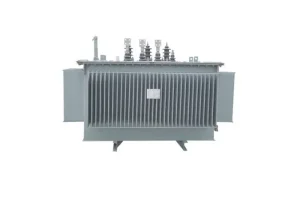
The contemporary global power paradigm is undergoing its most massive structural transition since the second industrial revolution. The aggressive expansion of distributed renewable integration, the rise of localized microgrids, and the relentless demand of mega data centers running high-performance computation have placed unprecedented pressure on transmission and distribution systems. At the heart of this grid evolution lies the power transformer—a vital asset whose reliability and performance dictate the stability of national energy grids.
Optimizing Power Transformer Assembly is no longer merely a challenge of mechanics; it is a complex materials-science and thermodynamic challenge. Low-loss configurations, exceptional dielectric isolation, and robust short-circuit withstand capabilities are critical requirements. As global standards demand lower core losses and zero leakage tolerances, manufacturers rely on highly automated winding, tensioning, and cutting lines to maintain electrical efficiency and prevent field degradation.
Understanding the core drivers forcing energy operators to pivot from conventional core topologies to advanced, automated winding systems.
By shifting from conventional grain-oriented electrical steel (GOES) to amorphous alloys, transformer fabricators can slash no-load core losses by up to 70–80%, aligning with strict tier-2 green energy efficiency mandates.
Transitioning from stacked planar cores to continuous 3D wound structures eliminates the air gap gaps present in standard mitered designs. This reduces magnetic resistance, noise emissions, and structural weight.
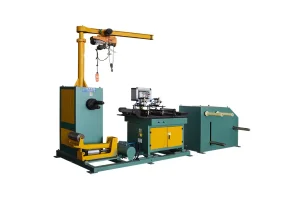
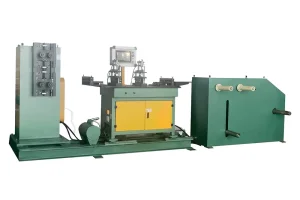
Modern foil and wire winding machinery integrate closed-loop feedback systems. This guarantees consistent tension across every layer, eliminating mechanical stress spots that cause internal short circuits.
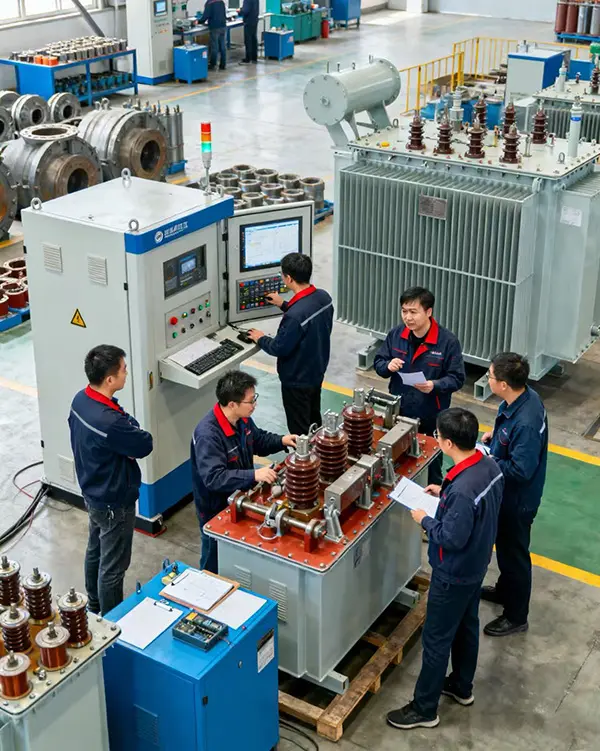
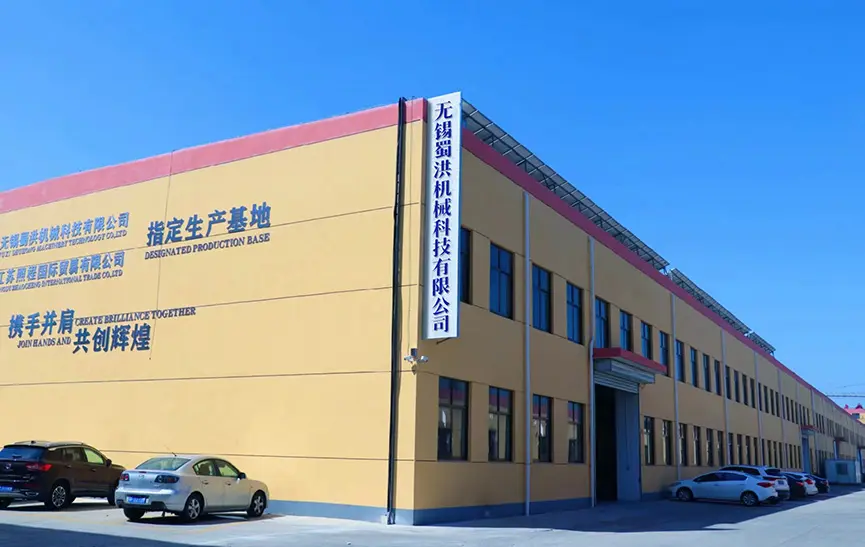
Situated in Wuxi near Taihu Lake, Wuxi Shuhong Machinery Technology Co., Ltd. has been a prominent player in electrical and plastic machinery since 2018. Over the years, the company has grown into a high-tech enterprise, prioritizing innovation and customer service.
The founder's journey began with hands-on technical and management experience. Realizing that traditional transformers faced challenges with temperature regulation and service life, the focus shifted to developing high-efficiency, energy-saving equipment. Through dedicated research and testing, Shuhong's team engineered products that achieve a 30% lower temperature rise and extend service life to 15 years.
Today, Shuhong maintains a comprehensive supply chain—covering R&D, design, production, sales, and service. The company's products have supported over 2,000 substations, contributing to power grids and renewable energy installations.
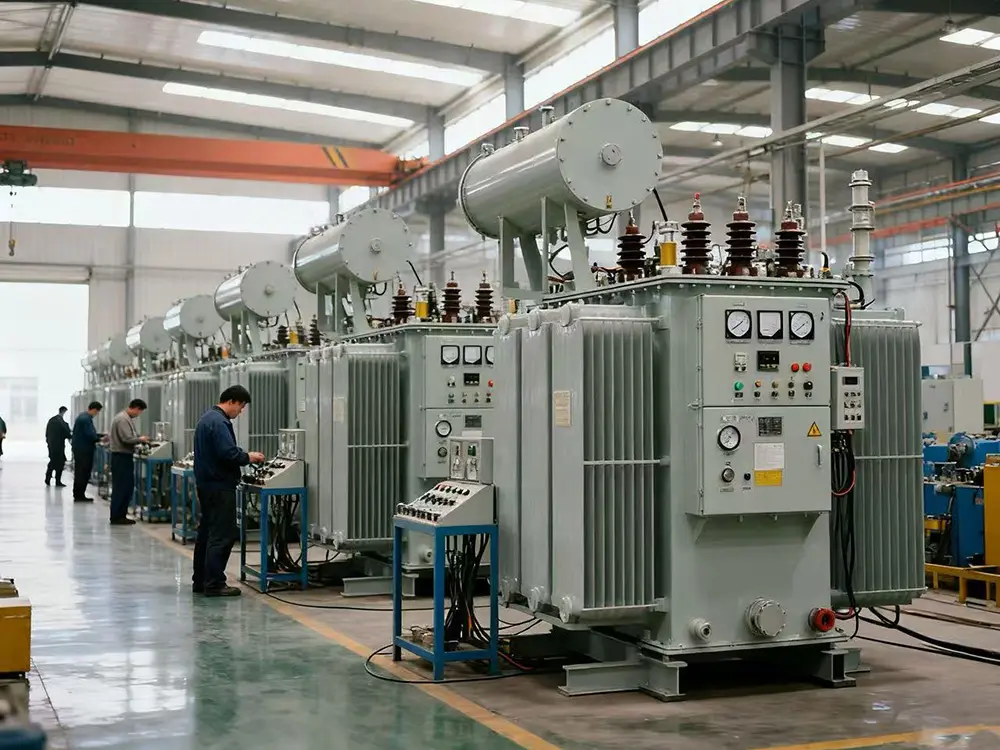
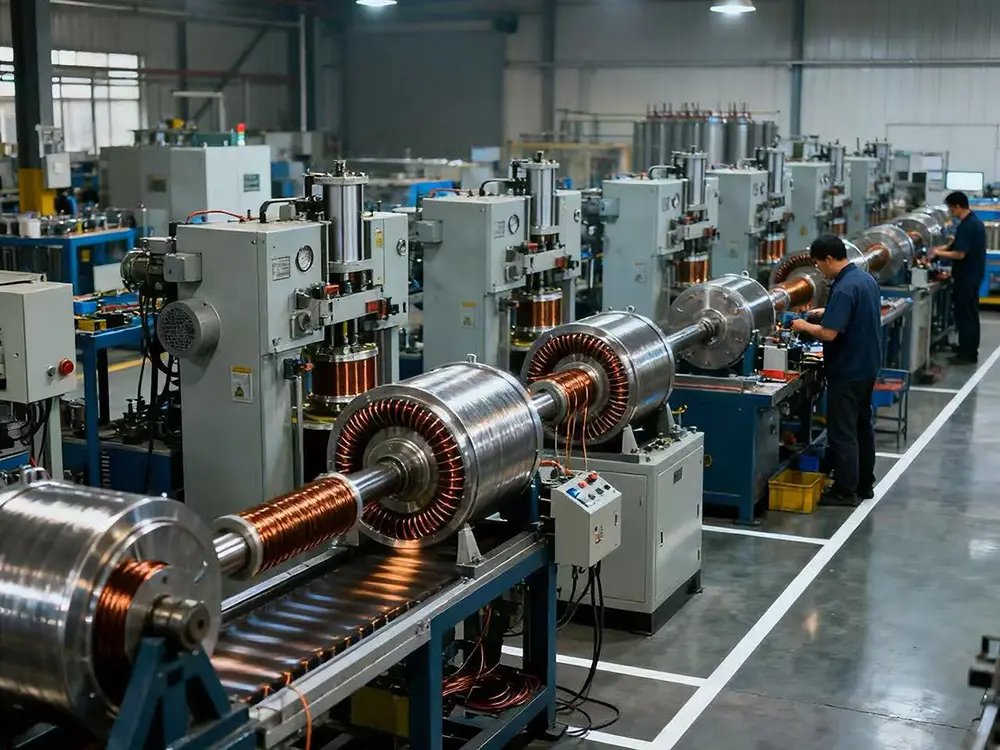
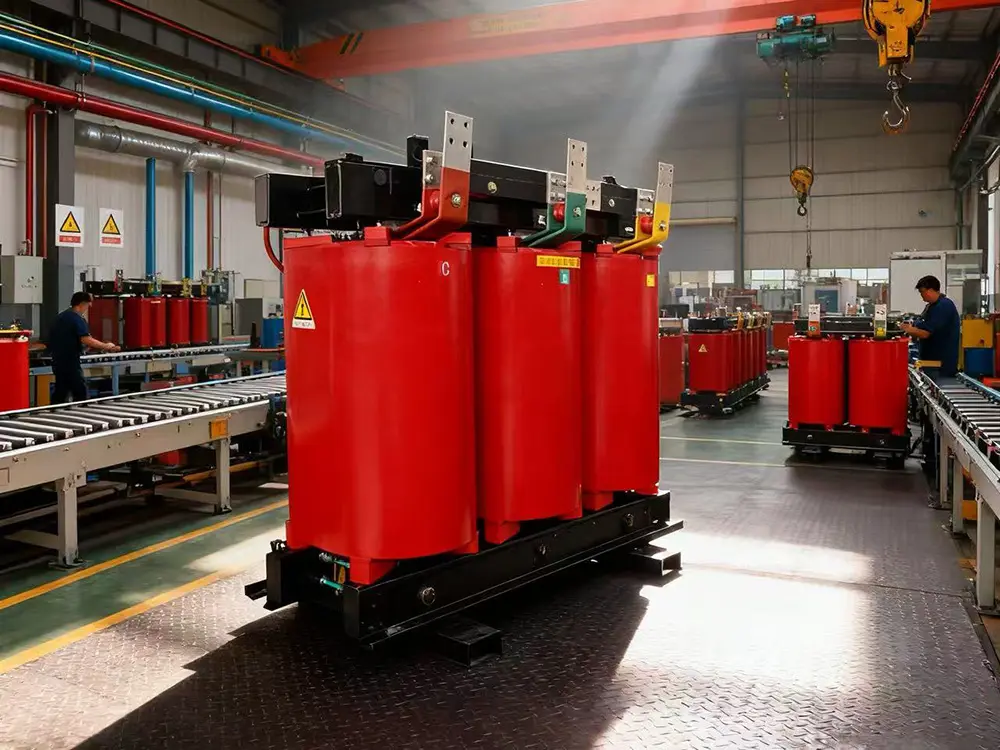
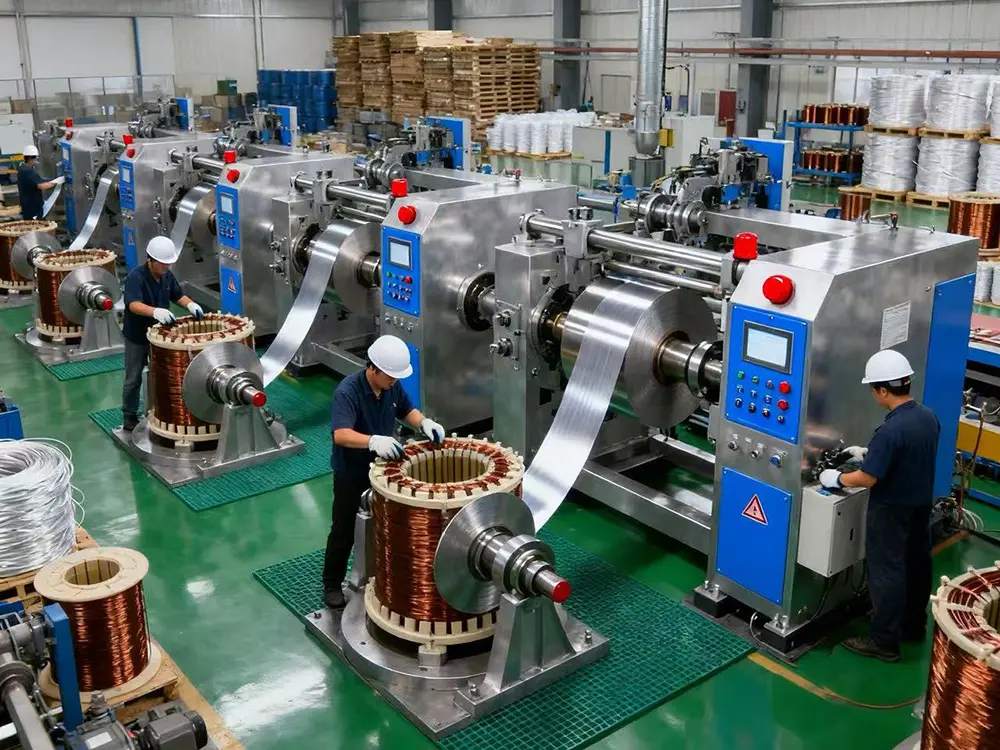
Building high-quality transformers requires close attention to detail. Every step, from cutting the core laminations to final insulation testing, must be carefully controlled to prevent failures under electrical load.
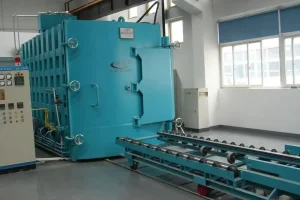
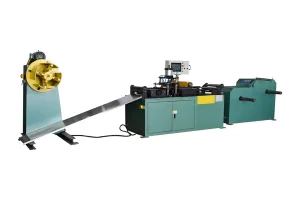
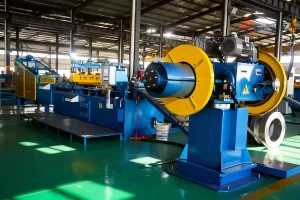
Our facility uses automated machinery to keep dimensions within tight tolerances. For instance, the transition from Material Cutting to core forming must avoid creating microscopic burrs, which can cause local heating and reduce core efficiency over time. The subsequent winding and annealing steps are performed under strict heat controls to preserve the magnetic qualities of the alloy.
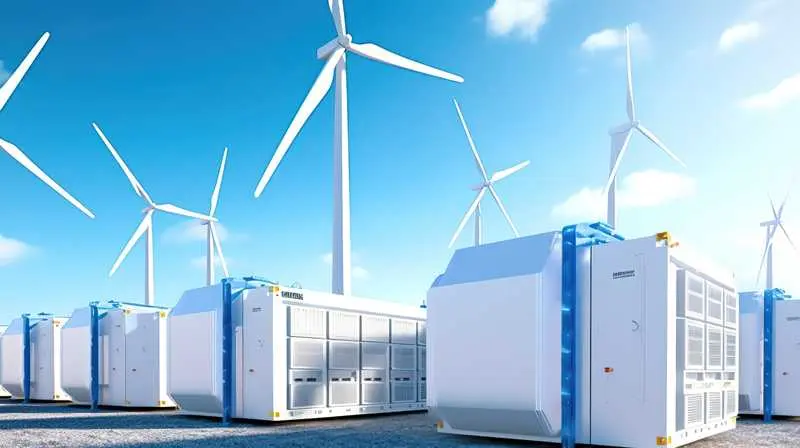
Delivering reliable performance across diverse geographical and regulatory environments.
Our manufacturing and assembly processes align with major international standards, including IEEE C57 and IEC 60076. This compliance helps ensure our transformers integrate smoothly into different utility networks around the world.
From heavy steel manufacturing to chemical plants, industrial operators require transformers that can handle non-linear loads and harmonics. Our designs are built to prevent local overheating in these demanding conditions.
Wind and solar installations generate variable power that places thermal stress on transformers. Our high-efficiency systems are designed to withstand these load variations and support stable grid injection.
Looking ahead, Wuxi Shuhong plans to combine traditional transformer design with digital monitoring features. Future networks will require transformers to communicate real-time health data to grid operators.
We are researching the integration of temperature sensors and gas monitoring systems directly into the transformer assembly. These sensors track winding temperatures and identify early insulation issues, allowing operators to plan maintenance before a fault occurs. In addition, we are refining our core cutting processes to support ultra-low loss amorphous cores, helping utility companies meet their net-zero targets.

Common questions regarding material performance, insulation requirements, and automated production tooling.
Amorphous alloy cores have a disordered, glass-like atomic structure that significantly reduces magnetic resistance compared to silicon steel. This design lowers no-load losses by up to 80%, improving efficiency in utility distribution networks.
Cutting and winding operations introduce mechanical stresses that disrupt the magnetic domains in the core material. Annealing under vacuum or controlled gas atmospheres relieves this stress, restoring the material's magnetic properties and minimizing energy losses.
Automated winding machines maintain uniform tension control, preventing overlap or loose coils. This consistency helps avoid local hot spots and reduces the risk of dielectric breakdown under high voltage.
The fully assembled core-and-coil unit undergoes a vacuum drying phase to remove residual moisture from the solid insulation. Reducing moisture levels is critical to preserving dielectric strength and preventing premature aging of the insulation system.
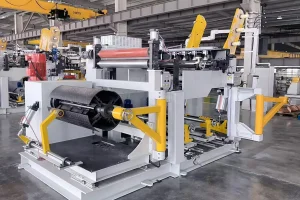
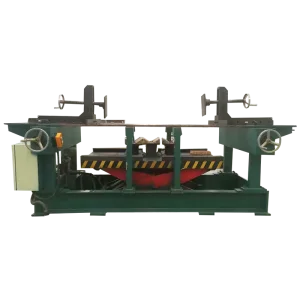
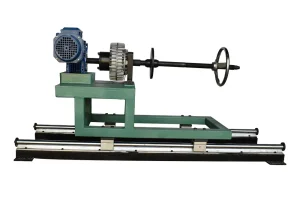
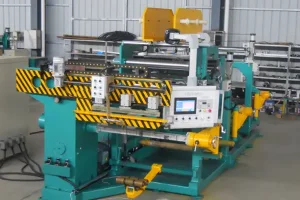
Refining every phase of transformer assembly, from precise core cutting lines to R-Type planar winding solutions.
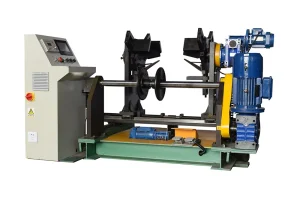
Discuss your processing requirements, custom winding parameters, or request detailed quotes for complete assembly lines. Our engineers are here to support your operation.
Contact Engineering Support