Analysis of the global power distribution market, efficiency regulations, and the supply chain dynamics powering electrification.
The global energy infrastructure is undergoing a structural paradigm shift. As nations accelerate their transition toward renewable energy, modernize legacy grids, and prepare for the massive power requirements of electric vehicles (EVs) and hyperscale data centers, power and distribution transformers have emerged as critical bottlenecks in the energy supply chain. Finding the right transformer manufacturer is no longer just a purchasing decision—it is a cornerstone of corporate operational resilience.
Historically, transformer production relied on standardized design principles. Today, the market demands high-efficiency units constructed with advanced materials, such as amorphous alloy cores and oriented silicon steel sheets. These advanced configurations drastically reduce no-load losses, aligning with stringent international standards including the European Union's EcoDesign Directive and the United States Department of Energy's (DOE) efficiency mandates.
Procurement directors and utility engineering groups face unprecedented volatility. Supply chain lead times for large power transformers (LPTs) have ballooned from an average of 30-50 weeks in 2020 to upwards of 120-150 weeks today. Consequently, developers are diversifying their supplier footprints. While European and North American tier-1 manufacturers remain dominant in the ultra-high voltage (UHV) transmission sector, the commercial, industrial, and medium-voltage distribution spaces are turning to highly efficient, agile manufacturers who can execute fast-turnaround, customized designs.
Key global procurement concerns include:
China's industrial landscape has transitioned from a high-volume manufacturing center to a precision-engineering hub powered by Industry 4.0 principles. For the global transformer supply chain, this evolution is manifest in specialized machinery production. The precision of the final transformer is directly linked to the capabilities of the industrial machinery used to cut, wind, and treat its structural elements.
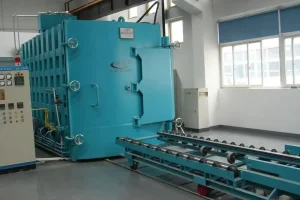
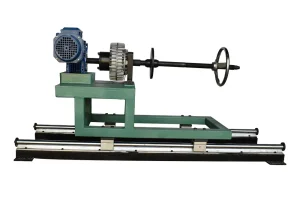
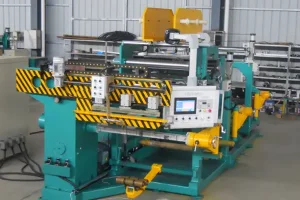
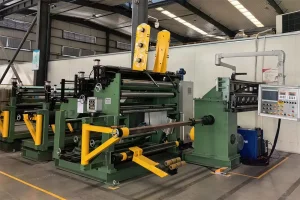
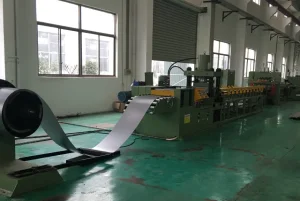
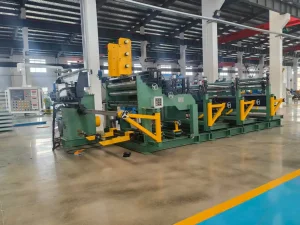
This is where specialized equipment manufacturers like Wuxi Shuhong Machinery Technology Co., Ltd. play an instrumental role. By providing high-precision foil winding machines, CNC cross-cutting lines, and vacuum annealing ovens, they empower downstream transformer factories to produce equipment that meets modern, low-loss energy criteria.
The integrated supply chain in locations like Wuxi enables immediate access to raw materials (oriented silicon steel, high-conductivity copper and aluminum coils) and co-located machinery clusters, reducing production lead times for specialty components by up to 40% compared to Western competitors. This structural advantage ensures global grid operators receive reliable, high-specification equipment without prohibitive lead times.
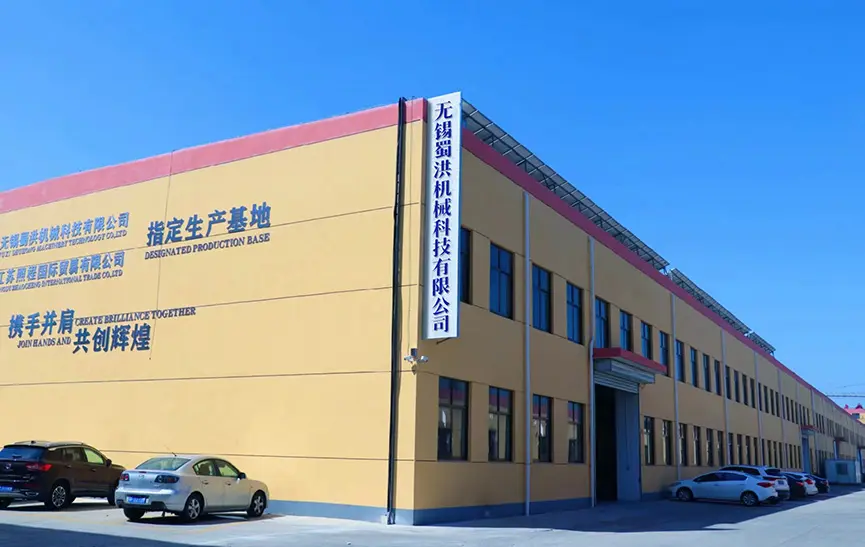
Deeply Developing the Machinery Industry, Empowering the Future of Energy
Established in 2018 on the shores of Taihu Lake in Wuxi—a historical industrial engine known as the "Land of Fish and Rice"—Shuhong Machinery has consistently prioritized technological innovation. Operating as a high-tech enterprise, the company designs, develops, and delivers machinery tailored for modern energy applications, notably focusing on the electrical and plastic machinery domains.
The company was founded on deep industry experience. Having spent over a decade transitioning from frontline technical roles to engineering management, our founder identified critical flaws in legacy transformer manufacturing equipment. These flaws translated to poor temperature control and compromised operational lifespans—bottlenecks that modern grid environments cannot tolerate.
After intensive research and development, Shuhong Machinery successfully built a transformer framework featuring 30% lower temperature rise and an estimated 15-year operational lifespan under demanding industrial loads. Today, our advanced equipment supports the deployment of electrical grids worldwide.
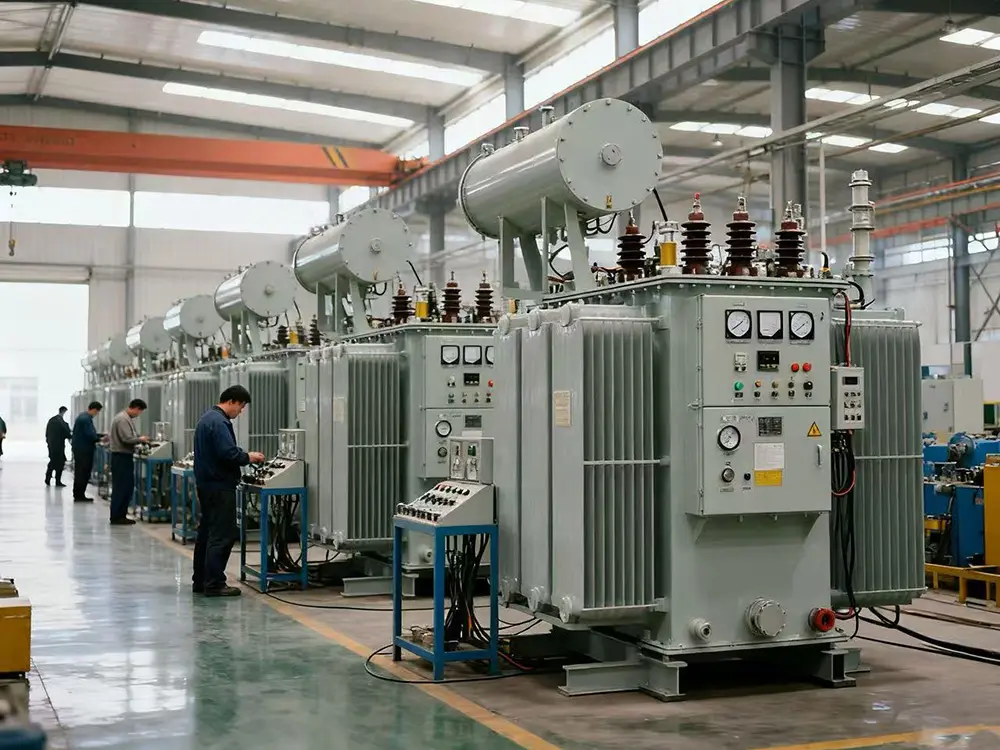
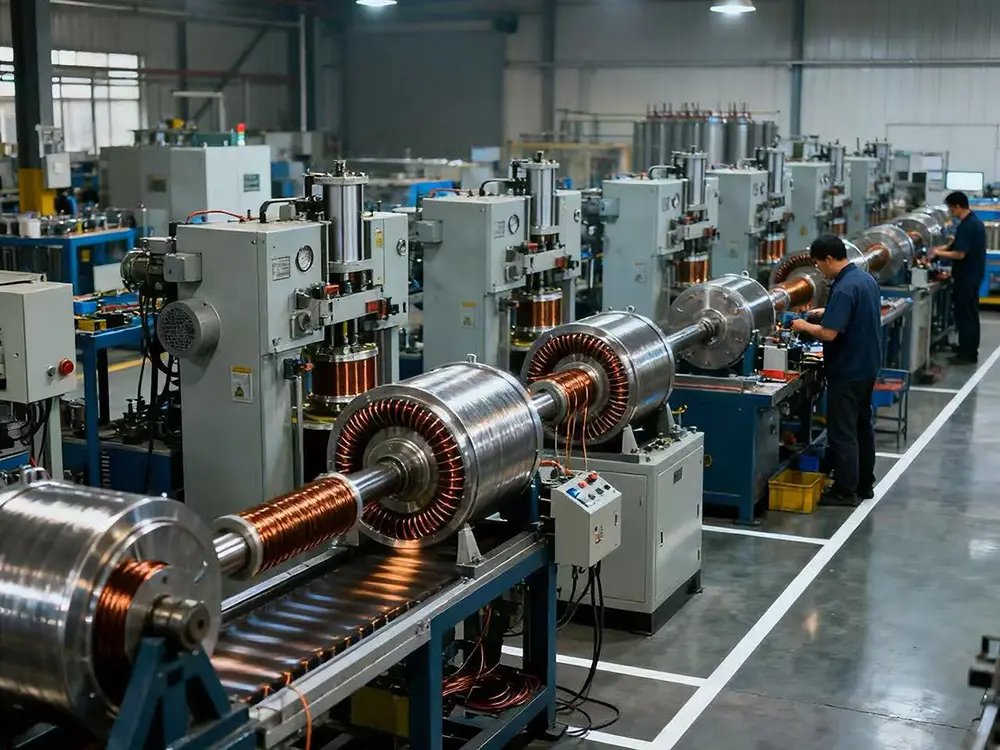
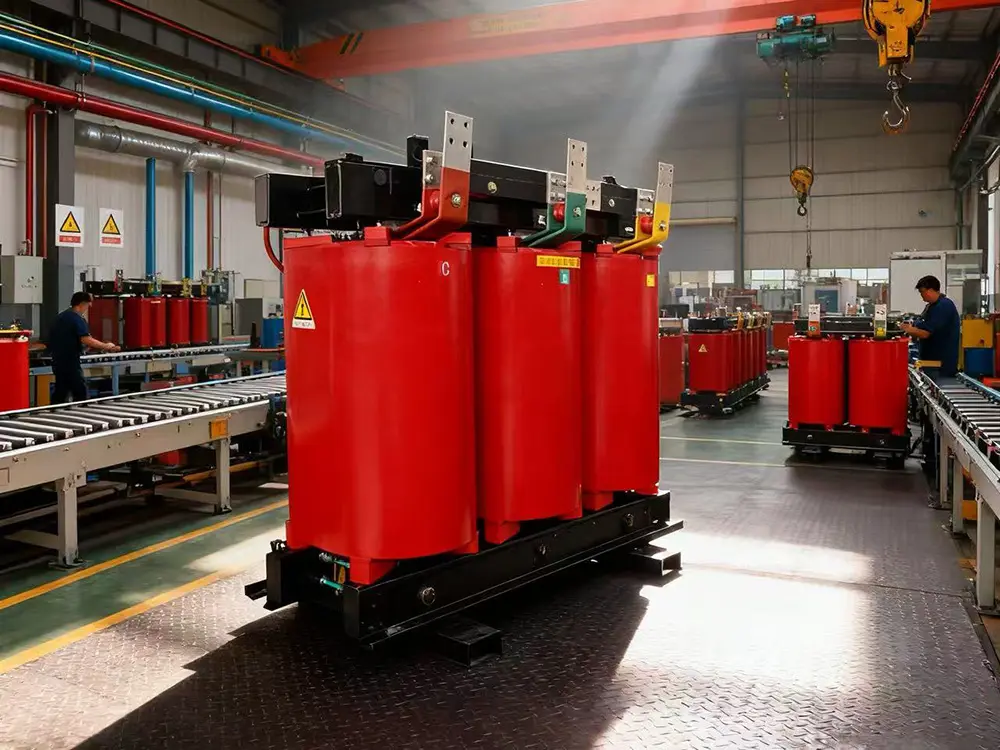
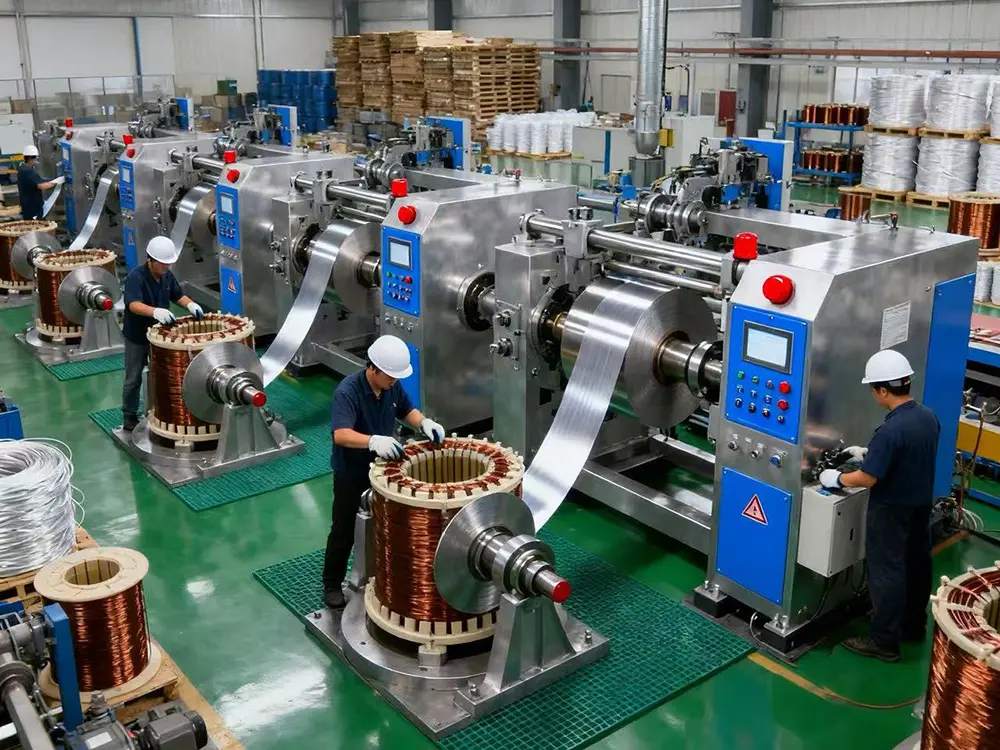
How quality is built at the manufacturing level using advanced machinery systems.
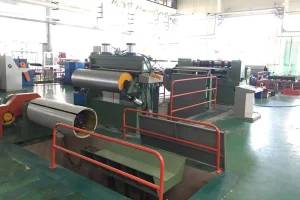
Precision slitting of silicon steel coils into exact dimensions using CNC longitudinal slitting lines to minimize edge burrs.
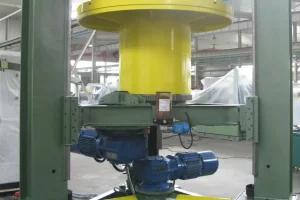
Copper or aluminum foils are wound using automated foil winding machines to guarantee precise layer tension and electrical contact.
Core components undergo stress relief in vacuum annealing furnaces, restoring magnetic properties disrupted during cutting.
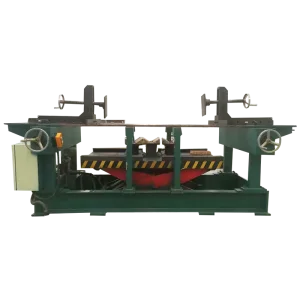
Coils are positioned on core legs using specialized assembly tables, ensuring perfect structural balance and insulation alignment.
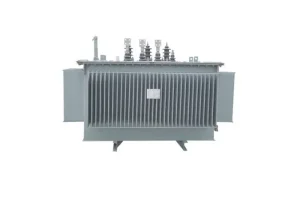
The complete core-and-coil structure is clamped and housed within the transformer tank with low-tolerance fittings.
Vacuum heating is applied to eliminate any microscopic trace of moisture within the solid insulation paper.
De-aerated, moisture-free insulating oil is injected under vacuum conditions to fill all internal voids.
Final performance checks: partial discharge tests, winding resistance, insulation resistance, and dielectric testing.
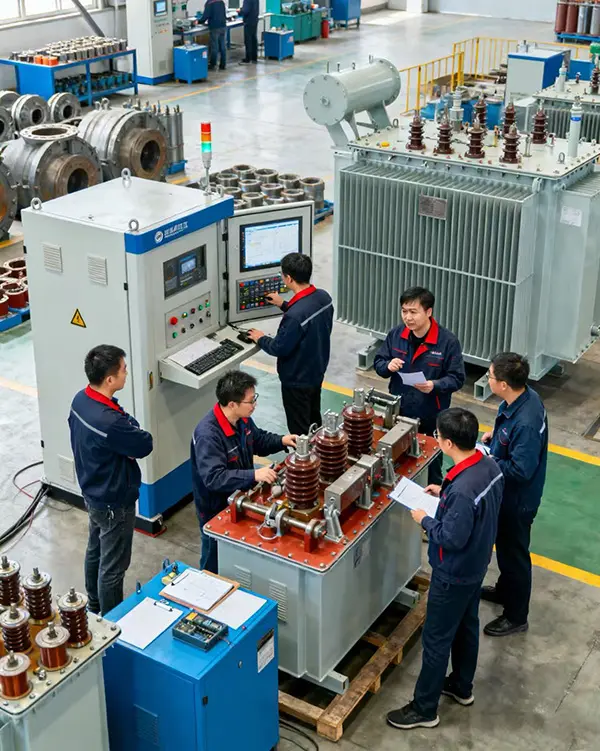
Engineering excellence is not just a function of machinery; it is built on human expertise. Shuhong Machinery maintains a team-oriented philosophy built around continuous education, cross-disciplinary training, and rigorous process alignment.
By implementing a modern project management structure, the company eliminates communication silos between R&D, assembly, and post-sales installation teams. Additionally, engineers are given equity and performance incentives, which drives a shared focus on quality. This dedication directly benefits clients through stable machine operations, high accuracy, and reliable project support.
Our collaborative environment enables rapid adaptation of customer requirements, allowing for customized slitting widths, variable coil tensions, and custom vacuum chambers to meet strict specifications.
Transformers operate in diverse environments, each posing unique challenges for designers and manufacturers. Selecting the correct system configuration and ensuring proper manufacturing quality is key to long-term reliability:
Renewable installations subject transformers to cyclical loads that shift with weather patterns. Inverters generate high levels of harmonics, heating the transformer and stressing the insulation. Winding equipment must handle specialized foil and wire configurations to withstand these stresses, while using advanced cooling geometries to prevent localized hot spots.
Arc furnaces, chemical facilities, and manufacturing plants require extremely stable voltage control and high current handling. The integration of robust heat sinks and corrugated cooling panels ensures heat dissipation under constant peak loads, preventing insulation breakdown.
In residential areas, space is limited and noise levels must be kept low. Amorphous alloy core transformers, assembled with precision core tables, significantly reduce acoustic noise and no-load losses, making them ideal for high-density metropolitan areas.
"Looking forward, Shuhong Machinery will uphold its core business philosophy: People-oriented, Integrity-driven, Collaborative Innovation, and Quality First. We are committed to deepening our research and development in the electrical machinery sector, striving to build a globally competitive machinery brand that supports the energy transition."
— The Leadership Team, Wuxi Shuhong Machinery Technology Co., Ltd.

Technical insights on transformer manufacturing, machinery requirements, and supply chain logistics.
Connect with the engineering team at Wuxi Shuhong Machinery. We provide technical consulting, factory design layouts, and custom equipment built to help you meet modern energy efficiency regulations.
Request Engineering Consultation