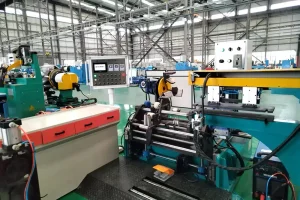
Explore our elite selection of high-precision silicon steel core turning tables, foil winding equipment, and industrial-grade transformers manufactured at scale.
The transition toward a decarbonized and highly digitalized global economy has accelerated the demands placed upon grid networks. At the center of this transformation lies the humble but critical asset: the power and distribution transformer. Modern distribution networks are no longer simple, unidirectional conduits of energy; they are complex, bidirectional webs managing decentralized generation, energy storage, and EV fast-charging loads.
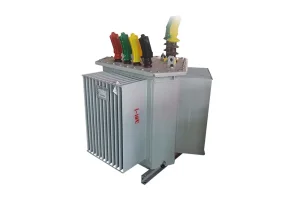
In this challenging environment, procuring reliable, low-loss electrical machinery is a primary driver of operational efficiency and commercial viability for grid operators, EPC contracting firms, and heavy industrial facilities. The procurement decision rests on a delicate balance: maximizing reliability, longevity, and electrical efficiency while maintaining capital expenditure under budget. Finding a qualified Discount Power And Distribution Transformer Manufacturer that complies with rigorous international testing frameworks is the ultimate operational objective.
This comprehensive whitepaper outlines the structural advantages of partnering with key manufacturing centers in China, the technological breakthroughs optimizing transformer core structures, the industrial automation equipment driving high-yield production, and a holistic procurement framework designed for global engineering decision-makers.
To understand the longevity and performance metrics of a power transformer, one must evaluate the core material and geometry. The core is responsible for routing the magnetic flux; any resistance in this process results in core losses, primarily through hysteresis and eddy currents. Reducing these losses is the single most effective way to maximize grid efficiency and reduce the Total Cost of Ownership (TCO).
Traditionally, cold-rolled grain-oriented (CRGO) silicon steel sheet is the standard core material. By aligning the crystal grain direction of the steel sheet, magnetic permeability is maximized along the rolling direction, significantly reducing core loss and exciting current. Manufacturers leverage high-grade, laser-scribed thin silicon steel laminations to suppress eddy currents.
Amorphous alloy metal features a disordered, non-crystalline atomic structure. By cooling liquid metal at extremely high rates, the material prevents the formation of standard crystal structures. This result yields incredibly low magnetic coercivity and high electrical resistivity, slashing no-load losses by up to 70% to 80% compared to standard silicon steel cores. It represents the pinnacle of energy-saving grid infrastructure.
Departing from traditional planar, stacked cores, the 3D triangular rolled core features a continuously wound configuration shaped into a triangular prism. This three-dimensional geometry eliminates joint air gaps, balances three-phase magnetic circuit lengths, reduces magnetostriction-induced noise, and achieves a lighter overall weight with increased mechanical structural integrity.
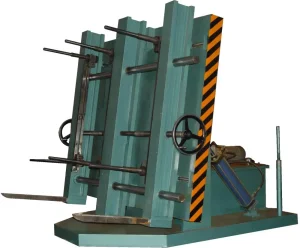
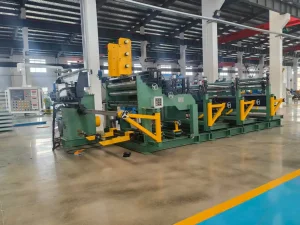
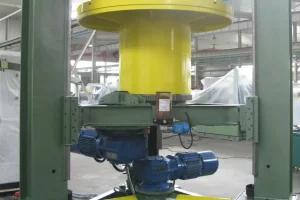
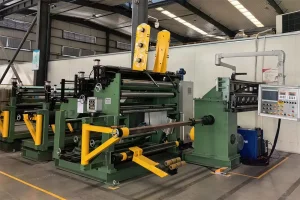
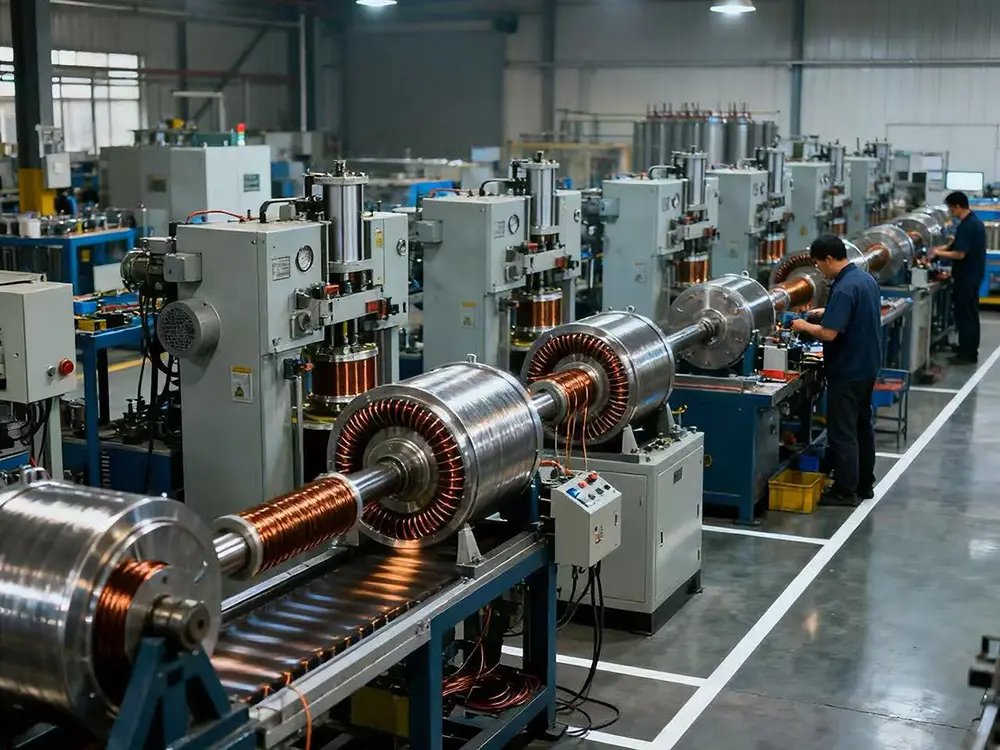
To achieve high-yield assembly of these core typologies, heavy industrial machinery such as specialized Silicon Steel Core Turning Tables are deployed. Capable of handling load capacities from 3 to 10 metric tons, these machines maintain precision positioning during core stacking, ensuring that mechanical tolerances remain tight, preventing microscopic core defects that lead to localized hot spots and accelerated insulation degradation.
An optimized transformer design is only as good as the execution of its winding and insulation processes. Even micro-level deviations in coil winding tension can cause uneven voltage distribution, high electromagnetic stress, and eventually, dielectric breakdown during a grid surge.
Laser-precise shearing of grain-oriented silicon steel or amorphous ribbon sheets to custom design dimensions, mitigating edge burrs which can increase core loss.
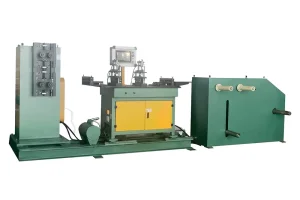
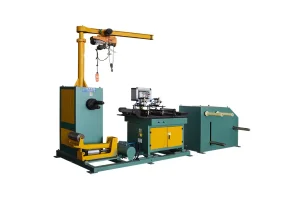
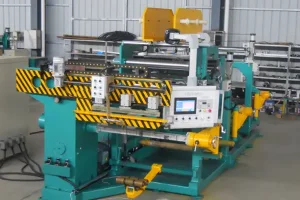
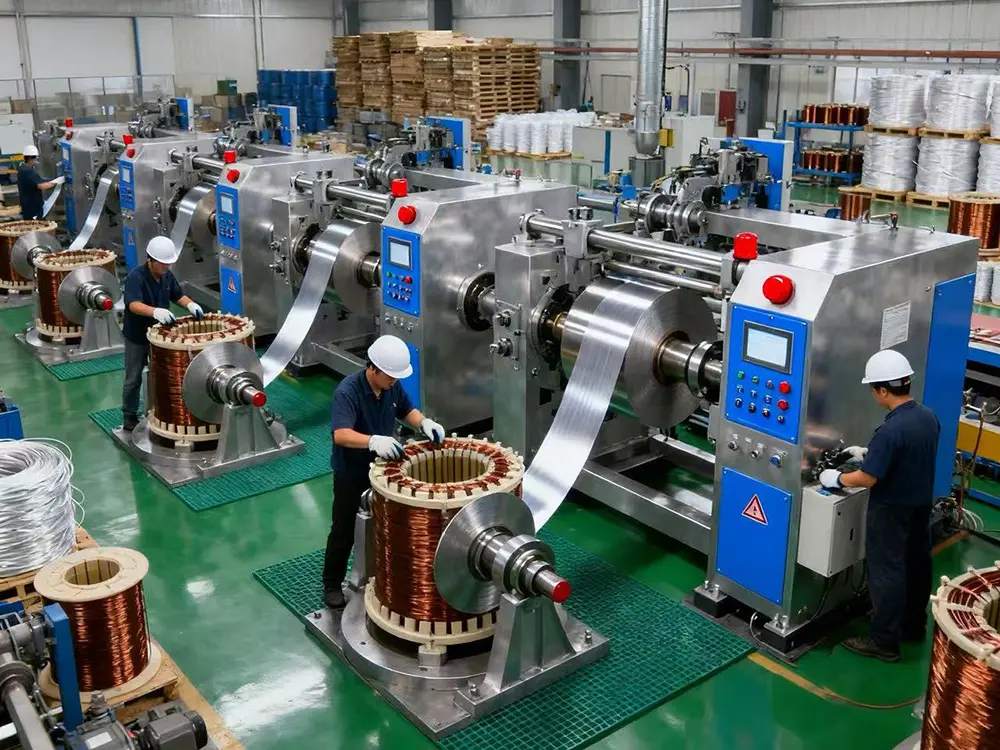
Utilizing high-voltage, double-layer or three-layer foil winding machines to tightly wind copper or aluminum foils with high dielectric strength insulation films.
Subjecting wound core structures to controlled nitrogen-purged atmosphere furnaces to relieve mechanical stress introduced during the winding phase, recovering magnetic properties.
Integrating high-voltage and low-voltage coils onto the core limbs. High-precision stacking and turning tables facilitate safe clamping and mechanical compression.
Extracting moisture from the solid insulation materials under high vacuum, followed by the injection of degassed, high-dielectric mineral or synthetic ester transformer oil.
Rigorous testing including ratio verification, insulation resistance, partial discharge testing, and impulse tests to verify structural compliance before shipment.
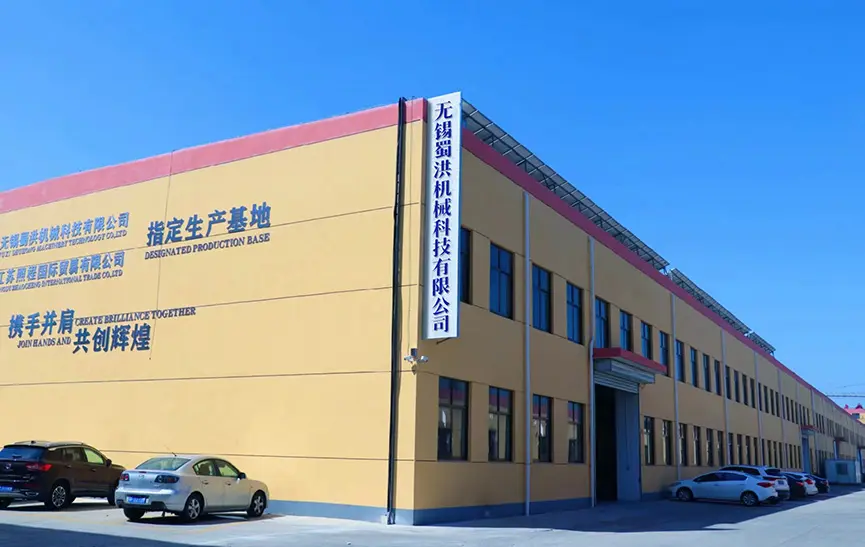
Founded in 2018 on the shores of Taihu Lake in Wuxi—a region renowned as the "Land of Fish and Rice"—Wuxi Shuhong Machinery Technology Co., Ltd. stands as a key high-tech enterprise at the intersection of electrical machinery R&D and industrial fabrication. The founder's journey is rooted in a deep, decade-long passion for mechanical engineering. Having progressed from front-line technical engineering roles up through corporate management, the founder witnessed the historic paradigm shift in China's manufacturing sector: transitioning from "following" international competitors to "running alongside," and now leading the charge in smart grid innovations.
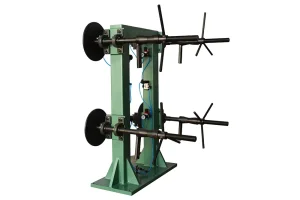
During a technical exchange for a State Grid project, the founder identified chronic points of failure in traditional power transformer design, specifically poor thermal management and short service life. High operating temperatures degraded insulation materials prematurely, causing premature outages and driving replacement costs. Capturing this core challenge, Wuxi Shuhong concentrated its R&D on developing winding machines, payoff stands, and alignment systems engineered to create next-generation, high-efficiency, energy-saving transformers.
By overcoming early capital resource limitations and technical research barriers, the team perfected winding tension control and mechanical alignment dynamics. The resulting machinery empowered customers to manufacture transformers with a 30% lower temperature rise and an extended 15-year operational lifespan. Today, Shuhong Machinery boasts a complete industrial chain spanning R&D, design, production, sales, and service, supplying components and machinery that power more than 2,000 substations worldwide.
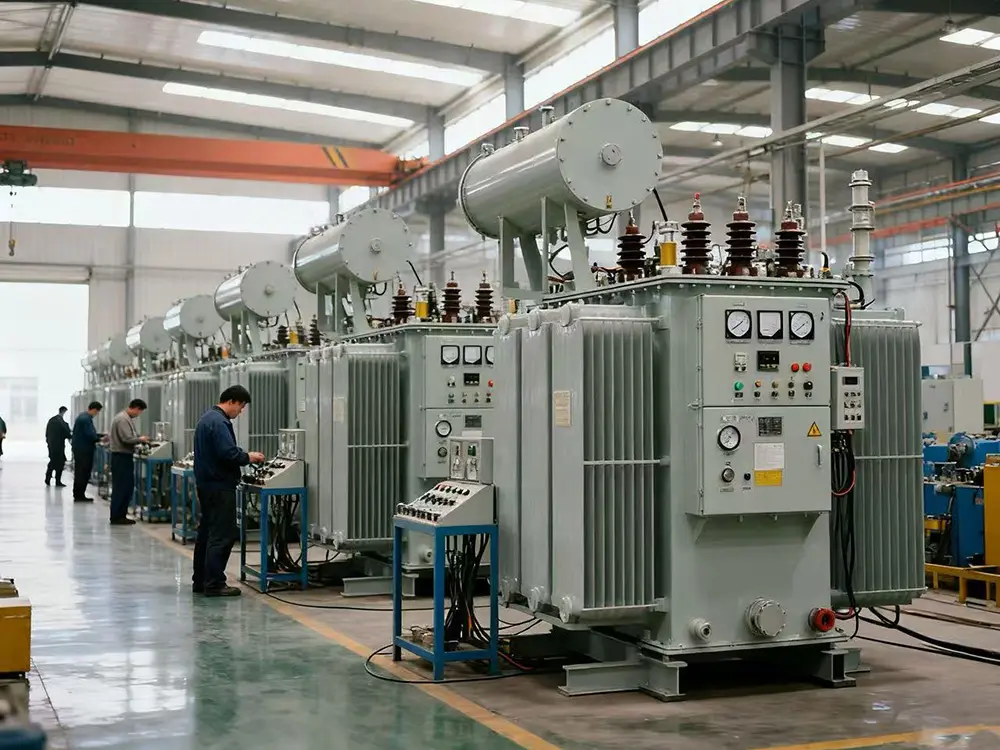
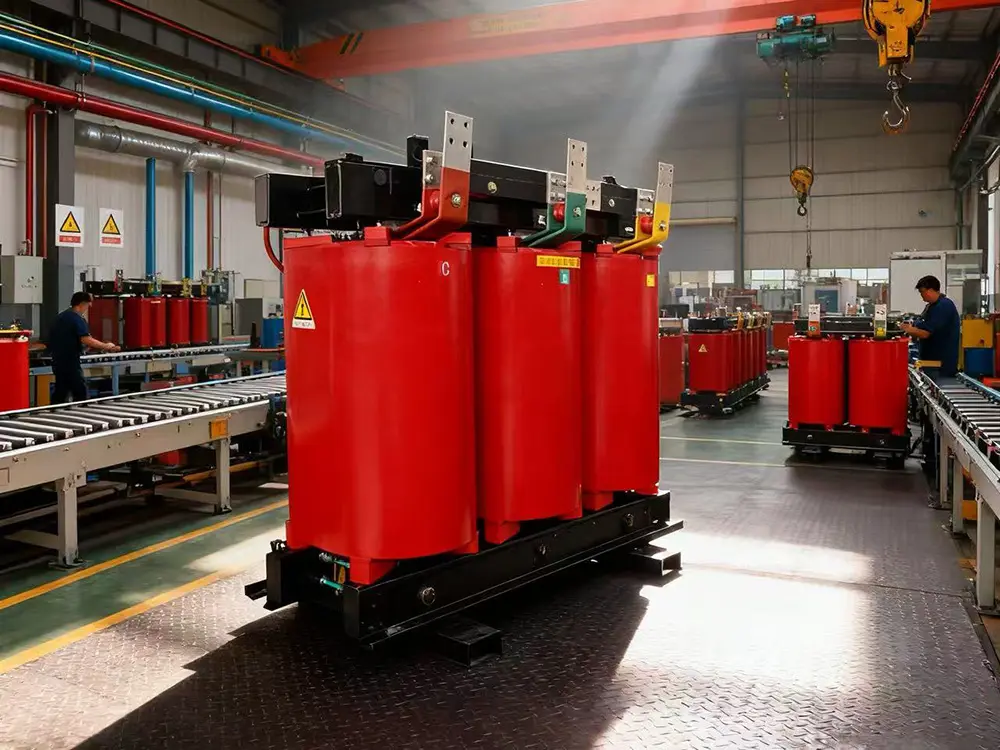
Global buyers are often confronted with the term "discount" and worry about quality trade-offs. However, in the context of China's electrical machinery sector, cost efficiency is not achieved by sacrificing materials, but rather through structural and geographical supply chain advantages. Wuxi Shuhong represents this unique model of high-value, cost-competitive production.
China is home to the world's most robust silicon steel, amorphous alloy, and copper processing facilities. Being situated in Jiangsu province puts Wuxi Shuhong in direct proximity to ultra-high-grade raw material suppliers, reducing domestic transport costs and ensuring constant material availability even during global supply line shocks.
The Yangtze River Delta industrial cluster hosts specialized sub-suppliers for every component, from high-temperature paper insulation (Nomex) to porcelain bushings and specialized cooling radiators. This dense network allows factories to procure auxiliary components on-demand with minimized lead times, maximizing factory floor throughput.
High automation mitigates labor variances. The utilization of Automatic Winding Machines for R-Type Planar Wound Cores and foil winding systems ensures that turns are laid with micrometer precision. Mechanical repeatability drastically lowers defect rates, contributing directly to lower overheads that are passed down to buyers.
The transformer sector is undergoing a massive evolutionary phase. Grid modernization projects are demanding smarter, greener, and safer equipment configurations.
Integration of optical fiber temperature sensors directly into the coil windings and installation of online dissolved gas analysis (DGA) modules to enable predictive maintenance and avoid catastrophic failures.
Transitioning away from mineral oils toward natural and synthetic ester fluids. These fluids possess high fire points (above 300°C), minimizing fire hazards in densely populated urban sub-stations, and are fully biodegradable.
With carbon tax penalties and strict utility efficiency limits worldwide, amorphous core transformers are becoming the mandated standard for rural networks and industrial facilities with fluctuating cyclic loads.
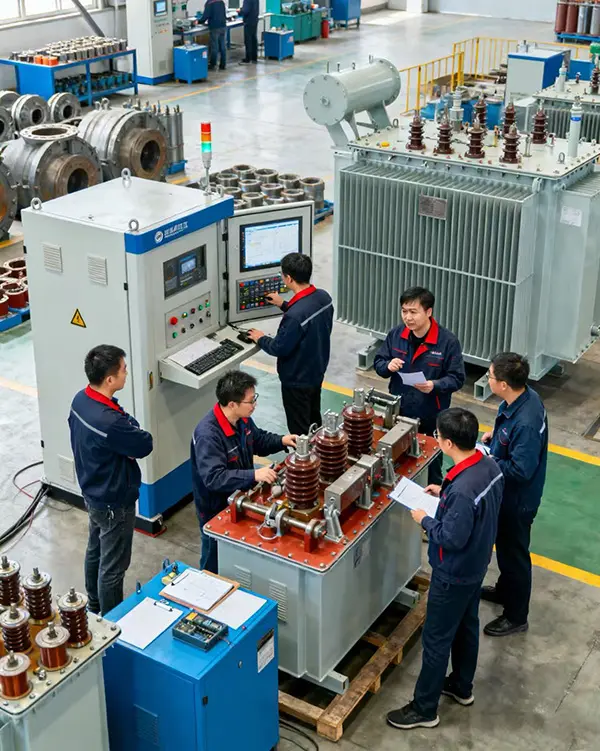
Power and distribution transformers operate across a wide array of environments. Each scenario requires specialized configurations to withstand environmental stressors and unique load characteristics.
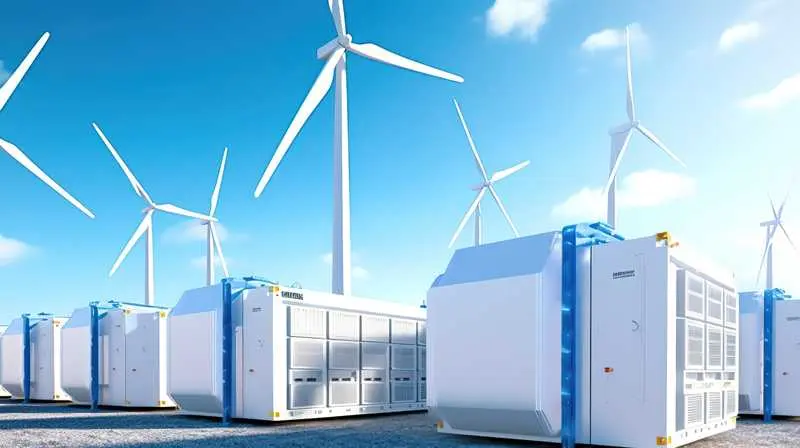
Wind and solar installations present highly variable loading patterns. Step-up transformers connected to solar inverters must resist harmonic distortions. Heavy-duty construction ensures the winding coils do not fatigue under cyclical load changes.
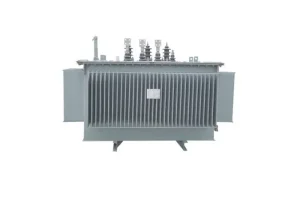
Arc furnaces, rolling mills, and chemical processing facilities place heavy thermal demands. Here, robust oil-immersed transformers equipped with high-efficiency cooling configurations (such as forced air/water heat exchangers) are mandatory to ensure continuous operations.
Urban substations demand compact form factors and ultra-low noise levels. 3D Triangular Rolled Core transformers fit this segment perfectly, offering space saving and quiet operations within residential and commercial zones.
In remote, low-occupancy rural regions, transformers run below capacity for extended periods. Amorphous alloy cores ensure that no-load losses remain low, saving utilities thousands of megawatt-hours annually.
At Wuxi Shuhong, success is driven by "People-Oriented, Collaborative Innovation." We prioritize team capability, providing specialized technical training and cultivating cross-departmental collaboration under advanced project management frameworks. Our incentive structures focus on merit and execution, ensuring every technician operates with absolute focus on quality control.
This rigorous alignment has enabled us to achieve global success, delivering advanced machinery and components for power grids, industrial plants, and utility substations across the globe.

Procuring medium and high-voltage grid equipment internationally requires a robust quality assurance framework. The following structured step-by-step guideline minimizes risk and ensures strict compliance with technical specifications:
Confirm that the manufacturing plant maintains updated certifications conforming to IEC 60076, IEEE standards, and country-specific frameworks (like CE, UL, or GB/T). Request detailed type test reports generated by accredited third-party laboratories (KEMA, CESI, or State Grid laboratories).
Inquire about the grade and source of the winding insulation system. Ensure that Class A, B, F, or H insulation papers are sourced from reputable manufacturers. High quality paper prevents early physical degradation from cyclic thermal stress.
The quality of a transformer depends directly on the machines used to make it. Verify if the factory utilizes advanced automated coiling machines, such as Double-layer Foil Winding Equipment or heavy-duty vertical coil winding stands, to avoid uneven wire tension and mechanical inconsistencies.
Do not evaluate procurement cost solely on initial capital expenditure. Combine initial cost with estimated no-load loss and load loss costs calculated over a 20 to 30 year operational lifecycle. Often, choosing a high-efficiency amorphous alloy or 3D rolled core yields massive savings within 3 to 5 years.
Find technical, mechanical, and commercial answers regarding power and distribution transformer manufacturing.
A 3D triangular rolled core features a continuous spiral winding layout without joint air gaps, balancing the magnetic path across three phases. This layout reduces no-load losses, decreases noise levels by 5 to 10 decibels, saves materials, and minimizes magnetic leakage.
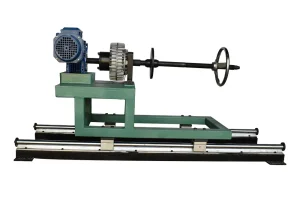
Consistent tension control prevents structural slippage and deformation in the coils. Variable tension leads to localized thermal pockets and stress, increasing risk of dielectric breakdown under high-voltage surges. Specialized payoff stands and automated winding units are required to keep tension uniform.
Amorphous alloy features a non-crystalline atomic structure, generating up to 80% lower hysteresis and eddy current losses than traditional silicon steel. While the raw material has a higher initial cost, the reduction in operational loss makes it highly economical over the long term.
Transformers undergo routine and type testing. Routine testing includes winding resistance measurements, voltage ratio checks, phase displacement validation, short-circuit impedance verification, no-load loss measurements, and insulation resistance checks. Specialized testing may also include partial discharge analysis and lightning impulse tests.
Discover our comprehensive collection of vertical and foil winding machines, pay-off stands, and custom-engineered power system parts.