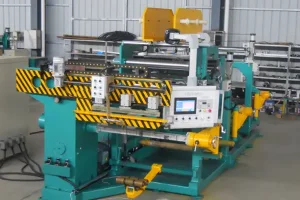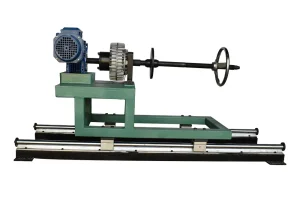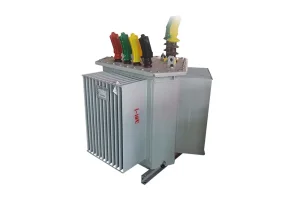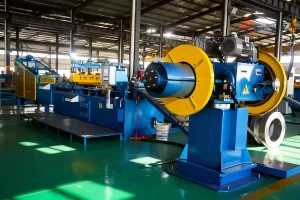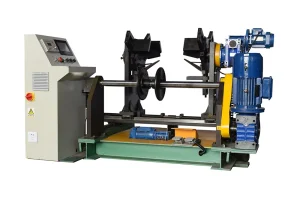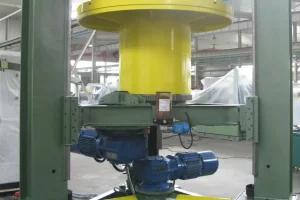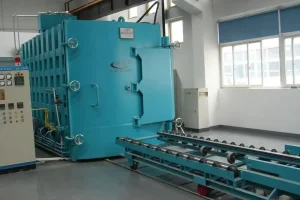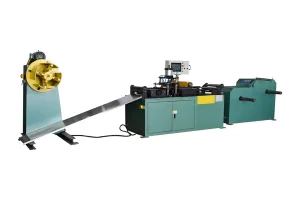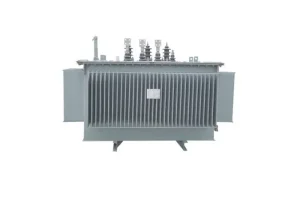
Explore our high-performance coil winding machines, pay-off systems, and precision metal treatment plants engineered to meet stringent global standards.
How Modern Smart Grids and Power Infrastructures drive the evolution of electromagnetic winding structures.
The rise of solar PV systems, offshore wind turbines, and utility-scale battery energy storage systems (BESS) requires custom voltage coils with higher tolerance to transient overvoltages and harmonic distortion. Modern manufacturers must implement advanced winding structures that minimize parasitic capacitance and skin effect losses under variable load profiles.
Coil longevity is directly linked to operating temperatures. By implementing state-of-the-art oil cooling ducts, high-temperature insulation papers (such as Nomex), and precise mechanical spacing, premium coil designs have achieved a 30% reduction in temperature rise. This development is vital for maintaining network safety and extending service lifespans beyond 15 years.
Global regulatory bodies like the EU EcoDesign and US DOE are setting strict targets for transformer standby losses. Transitioning from traditional silicon steel sheets to amorphous alloy cores, combined with 3D wound structures, reduces core losses by up to 70%. Custom voltage coils must adapt in configuration to maximize electromagnetic efficiency in these low-loss geometries.
In the current industrial ecosystem, custom voltage coils are not mere components; they are the heart of electrical transmission and distribution. The global commercial market is increasingly demanding and requires custom designs that accommodate various environments, from desert solar installations with high ambient temperatures to offshore wind farms exposed to high salinity and vibration. For procurement managers, finding a manufacturer that integrates design, raw material preparation, precision winding, thermal curing, and strict quality verification is crucial to ensuring structural reliability and minimizing total cost of ownership (TCO).
On the shores of the picturesque Taihu Lake lies Wuxi, known as the "Land of Fish and Rice." This beautiful land has nurtured countless enterprising enterprises, with Wuxi Shuhong Machinery Technology Co., Ltd. standing out among them. Since its establishment in 2018, Shuhong Machinery has consistently prioritized technological innovation and quality service, steadily advancing in the fields of electrical and plastic machinery, becoming a high-tech enterprise with both strength and reputation.
Shuhong Machinery originated from its founder's insight into machinery manufacturing. With over a decade in the industry (spanning from front-line technical roles to advanced corporate management), the founder witnessed domestic machinery shift from "following" to "running alongside" global peers, sensing the critical need for energy-efficient, intelligent upgrades. During a State Grid project exchange, the founder identified that traditional transformers suffered from flaws in temperature control and service life (harming power stability, raising costs) and noted new energy's higher equipment demands—thus focusing on R&D and manufacturing of high-efficiency, energy-saving transformers and custom voltage coil machinery.
Contact Our Engineers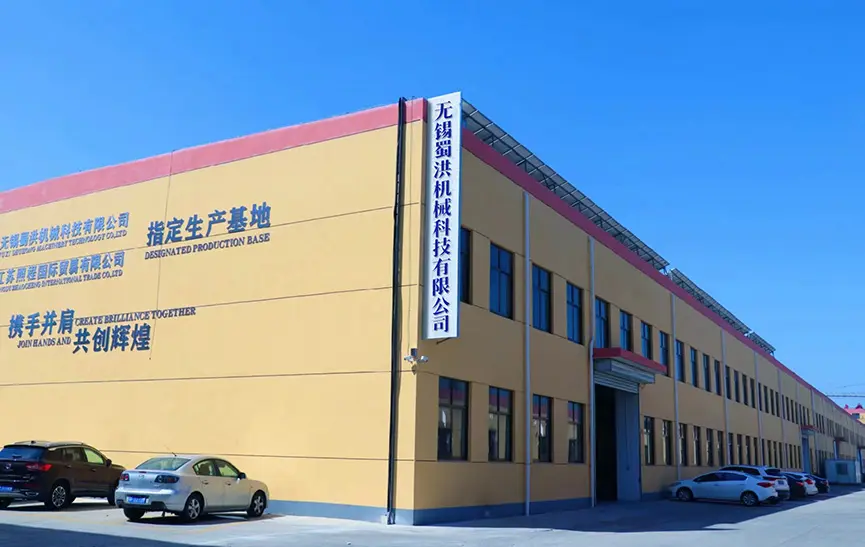
Securing supply chains with precision, resilience, and highly optimized manufacturing processes.
For international buyers, voltage coil procurement revolves around risk mitigation and system lifetime costs. Standard off-the-shelf options rarely suffice due to space restrictions, custom impedance parameters, and regional grid standards (like IEEE, IEC, and GB). Procurement engineering groups evaluate candidates on structural strength against short-circuit forces, insulation resistance, and the accuracy of physical spacing between coil layers. Traceability of raw materials—especially copper and aluminum purity, along with electrical grade silicon steel—is non-negotiable for Tier-1 utility contractors.
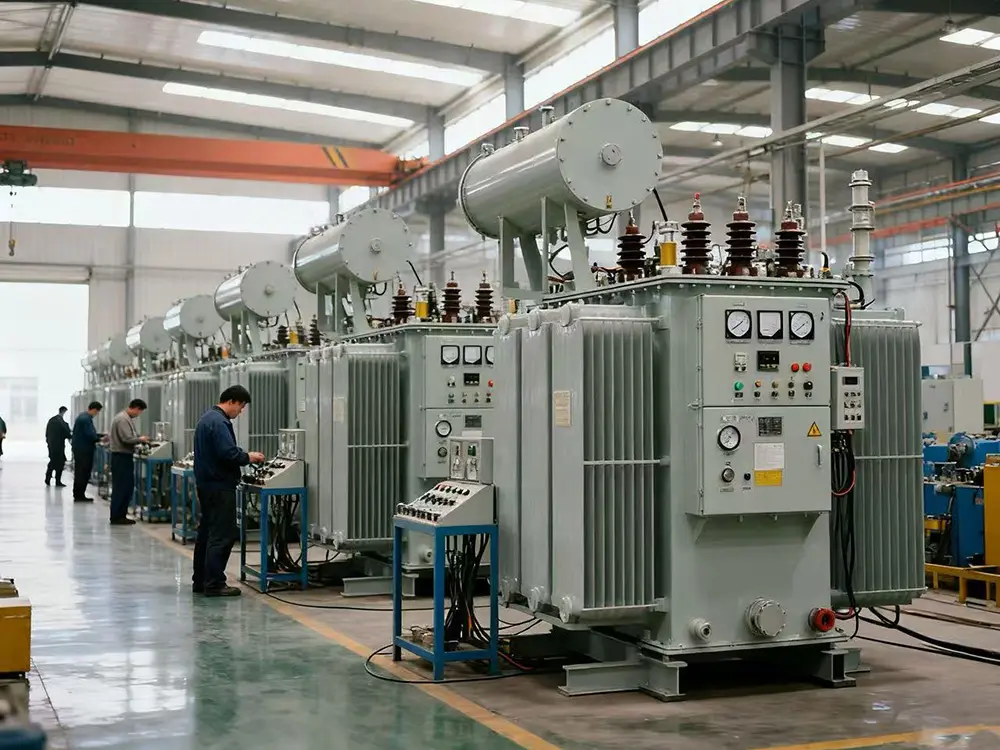
China's smart manufacturing hubs (such as Wuxi) have transitioned from manual, high-cost assembly lines to fully integrated Factory 4.0 ecosystems. This transformation combines high-precision CNC cross-cutting lines, digital winding controls, and computer-controlled vacuum annealing. This industrial resilience ensures that raw material price volatility is balanced by processing efficiencies. The result is consistent physical dimension control and repeatable electrical properties across massive production batches, reducing the failure rate of downstream transformers.
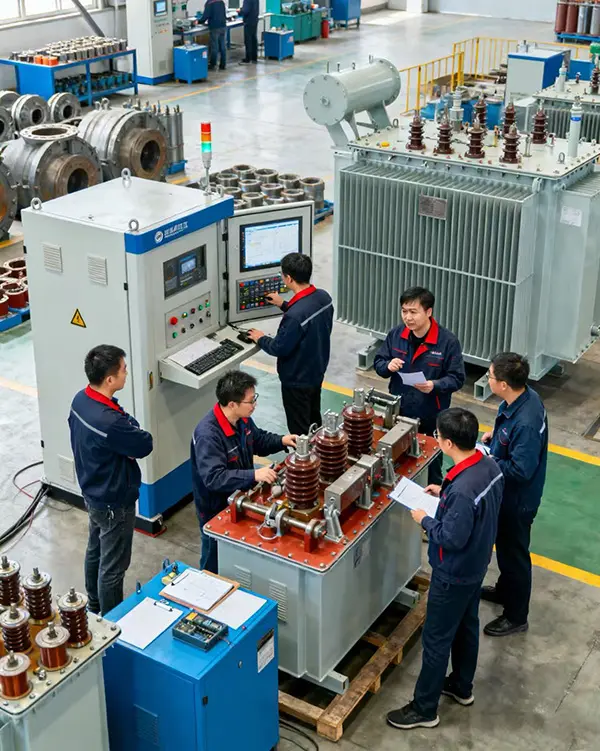
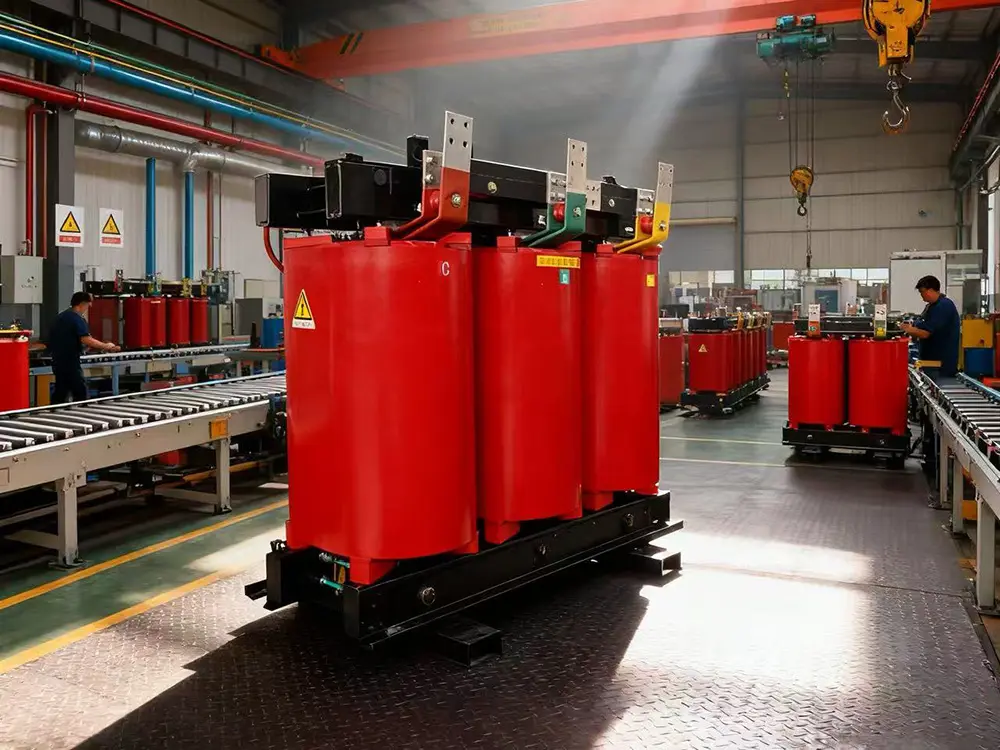
After years of development, Shuhong Machinery has established a complete R&D-design-production-sales-service industrial chain, with a professional engineering team and modern factories ensuring product quality. Focused on technological innovation, it leads the sector in insulation systems and thermal temperature control. Our manufactured components and systems have successfully passed domestic and international certifications. By overcoming funding and technical hurdles, the development team has optimized structural designs to achieve a stable transformer layout with high mechanical strength and excellent cooling capability.
Our management philosophy centers on "People-Oriented, Collaborative Innovation," which translates into rigorous quality controls at every station. We utilize cross-departmental collaboration platforms and project tracking systems to link incoming material inspection, precision winding, and insulation drying steps, assuring that final shipments comply with every detail of the custom specification.
Exploring custom-engineered applications across critical industrial, residential, and transport sectors.
Smart city installations demand compact, low-noise transformers. Coils with 3D triangular rolled designs allow smaller physical footings, permitting installations in underground municipal vaults and compact pad-mounted gear while retaining peak efficiency.
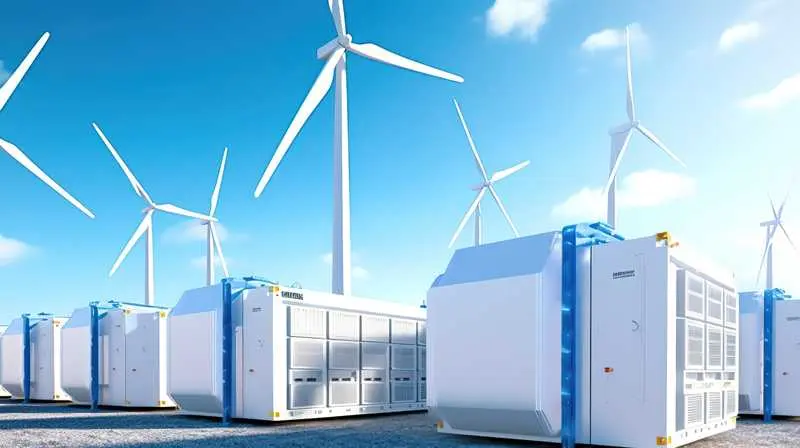
Wind and solar installations experience highly fluctuating daily load cycles. Our custom voltage coils feature reinforced insulation and optimized heat dissipation structures to protect against thermal degradation caused by peak midday solar generation.
Locomotive and metro traction substations experience repeated short-circuit events and sudden voltage surges. Custom foil-wound coils provide high structural rigidity, resisting the electromagnetic forces generated during high-traction acceleration.
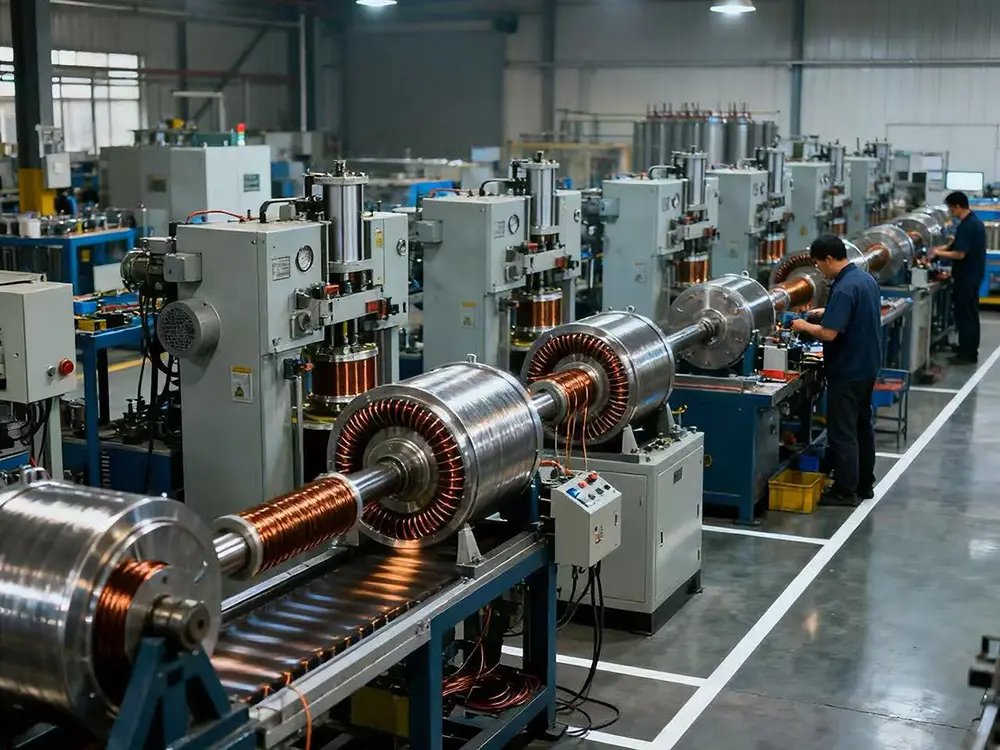
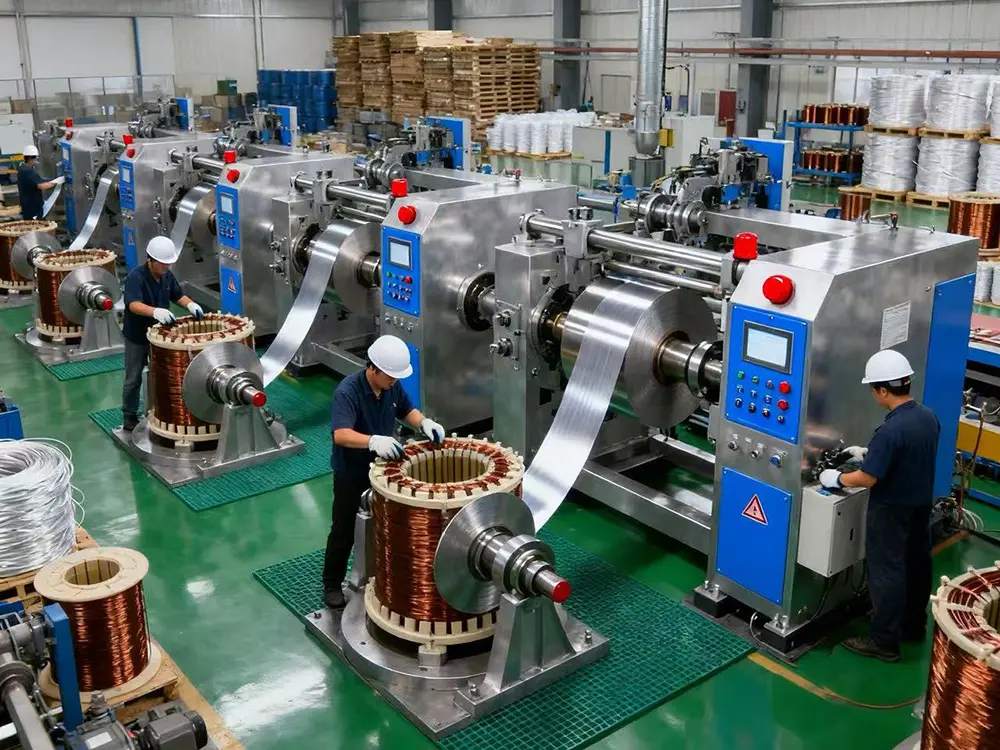
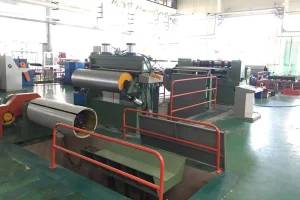
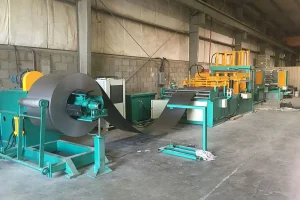
Our state-of-the-art machinery and processing technologies supporting high-precision coil and transformer fabrication.
A rigorous sequence of engineering operations ensures the quality of every coil we deliver.
Our production workflow is structured to optimize electrical efficiency and structural integrity. Standard coil processing starts with precision Material Cutting, followed by primary Winding structures using foil or high-purity magnetic wire. The cores then undergo controlled Annealing in high-vacuum furnaces to relieve structural stresses in the silicon steel.
Next, during the Coil Winding phase, advanced CNC machines position each layer accurately. The elements are then Assembled, thoroughly Dried in thermal chambers to extract moisture, subjected to specialized Oil Injection, and completed with comprehensive Quality Testing. This process ensures each coil stands up to demanding industrial environments.

Looking forward, Shuhong Machinery will uphold its core business philosophy of "People-oriented, Integrity-driven, Collaborative Innovation, and Quality First." We will continue to expand our focus on electrical and plastics machinery, boosting R&D investment to strengthen our technologies and launch more efficient, energy-saving, and intelligent products.
By working with global grid developers and leading material scientists, we aim to design next-generation magnetic components that meet tough global criteria, supporting both local grid development and international markets.
In-depth responses to frequent technical queries from utility operators and design engineers.
Explore our advanced CNC slitting lines, automatic winding machines, and specialized industrial furnaces designed to increase production speed.