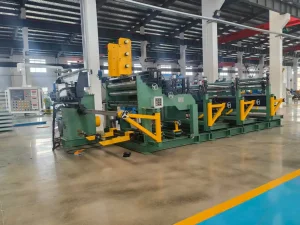
In the modern era of energy transition, Low Voltage (LV) and High Voltage (HV) electrical grids form the bedrock of global economic growth and industrial modernization. As cities scale and remote generation zones, like utility-scale photovoltaic farms and offshore wind farms, connect to distribution centers, the physical demands placed on distribution assets grow exponentially.
Low voltage electrical equipment (typically operating under 1kV AC) forms the vascular system of smart grids, routing power safely within manufacturing environments, microgrids, and data centers. High voltage infrastructure (ranging from 10kV to Ultra-High Voltage transmission networks exceeding 800kV) serves as the primary transmission corridor. The transition from high voltage transmission grids to local low-voltage grids requires extremely efficient, low-loss, and highly reliable transformer technology. Without precision-designed transformers and reliable core manufacturing machines, energy loss rates would skyrocket, causing critical failures and driving up operating expenses (OPEX).
Worldwide, utility operators, engineering procurement contractors (EPCs), and major industrial facilities face the challenge of updating aging infrastructure to lower total harmonic distortion (THD), minimize no-load losses, and ensure fire-safe, leak-free operating configurations. Consequently, selecting a partner who is both a skilled system manufacturer and a provider of heavy machinery is a crucial strategic step.
Situated on the scenic shores of Taihu Lake in Wuxi, long recognized as the "Land of Fish and Rice," Wuxi Shuhong Machinery Technology Co., Ltd. has established itself as an industry leader since its founding in 2018. The company has focused on technical innovation, product quality, and customized manufacturing services, developing robust solutions for both electrical equipment and plastic manufacturing markets.
Shuhong Machinery began with the vision of its founder, who has spent over a decade in the machinery manufacturing sector. Advancing from hands-on engineering roles into high-level system design and business operations management, the founder observed the shift in China's industrial manufacturing from replicating international technology to pioneering unique innovations.
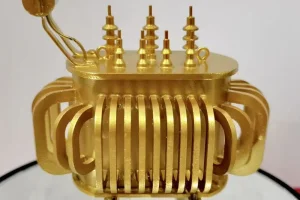
During a State Grid project exchange, the founder identified common vulnerabilities in traditional transformers: overheating, short service lifespans, and low energy efficiency under irregular wind or solar power load variations. These issues motivated the design team to develop energy-efficient transformers, eventually introducing systems that feature a 30% lower temperature rise and an expected 15-year operational lifespan under harsh industrial conditions.
Inquire About Custom OEM/ODM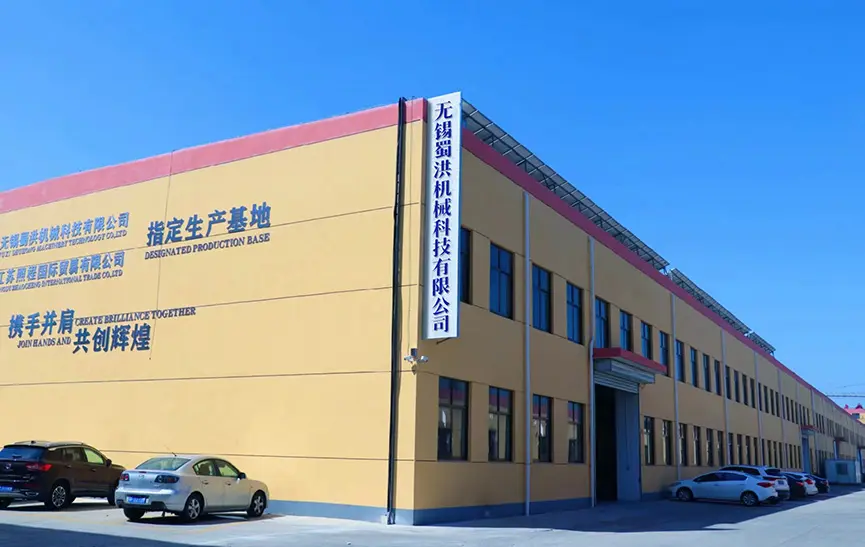
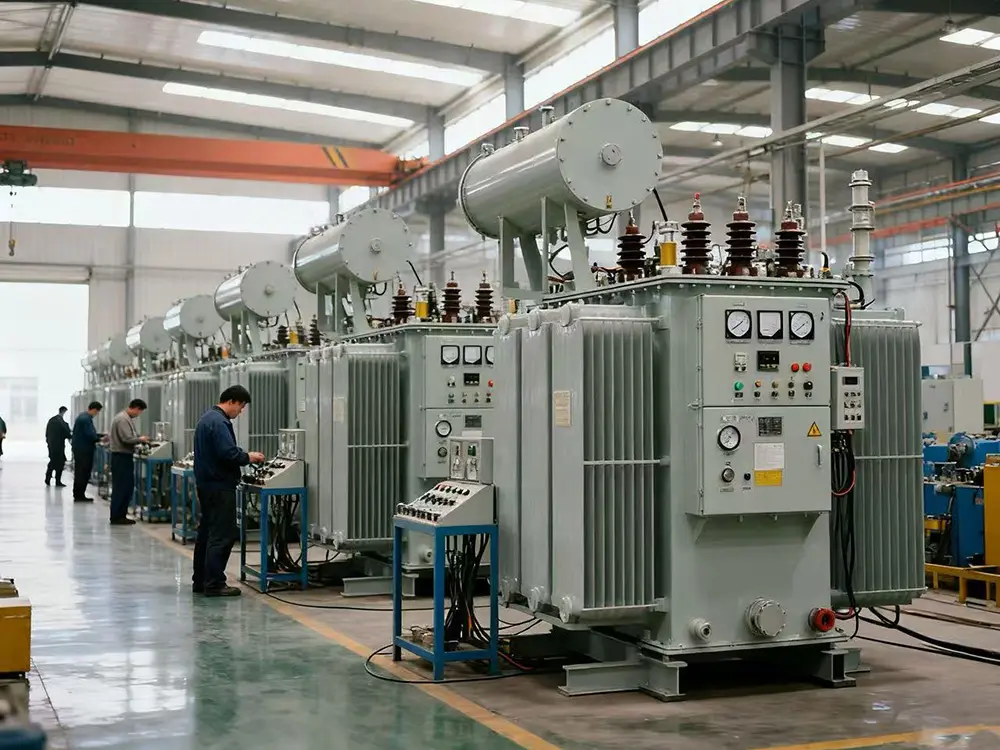
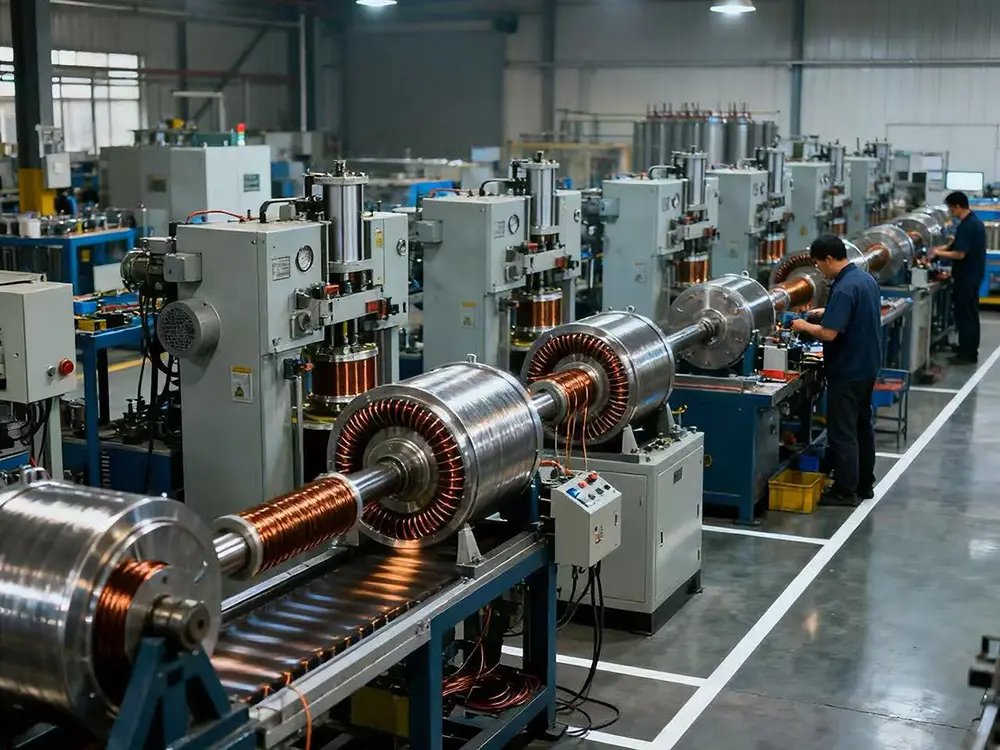
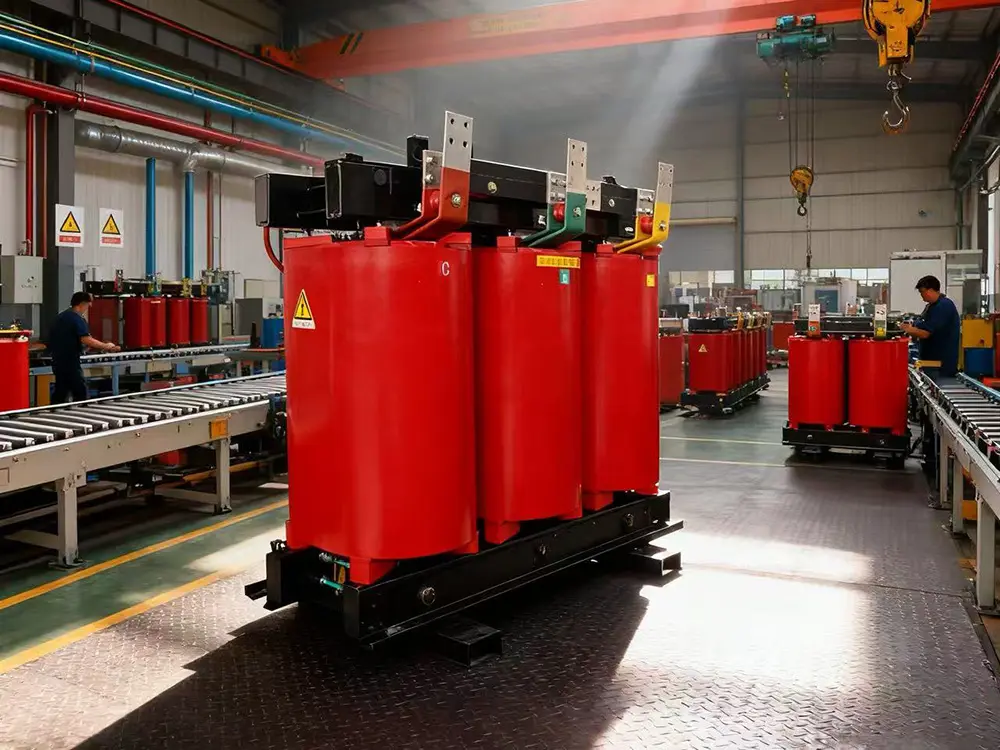
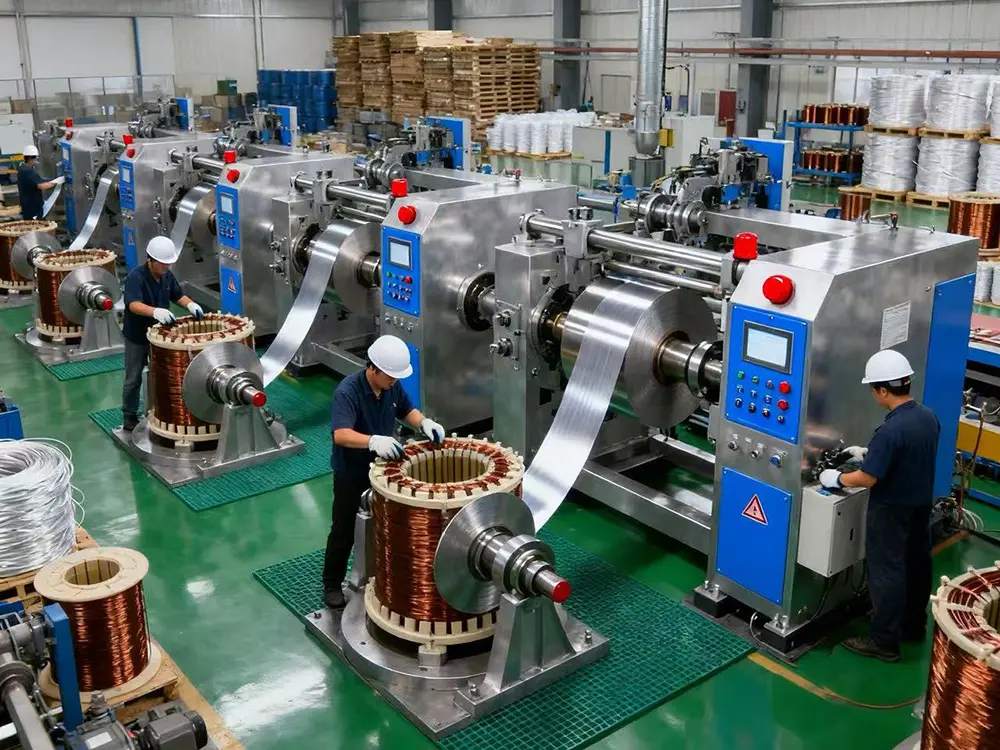
By integrating product design, mechanical engineering, raw material processing, assembly, and testing within a unified system, Shuhong Machinery maintains high-precision quality control and responsive custom design adjustments.
Wuxi's established manufacturing cluster provides direct access to high-grade non-oriented silicon steel, high-purity copper windings, and advanced CNC machining tools. This local supply chain efficiency helps keep raw material sourcing swift and production costs highly competitive.
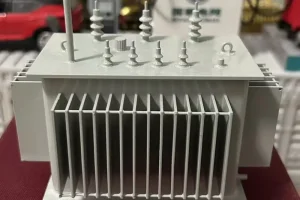
Shuhong's focus on insulation system structure and computational fluid dynamics (CFD) thermal simulation design addresses key causes of transformer degradation. Through optimization of cooling oil flow channels in oil-immersed systems and air circulation configurations in dry-type systems, Shuhong equipment achieves reliable heat dissipation. These designs have successfully met the technical specifications required for integration into State Grid substations.
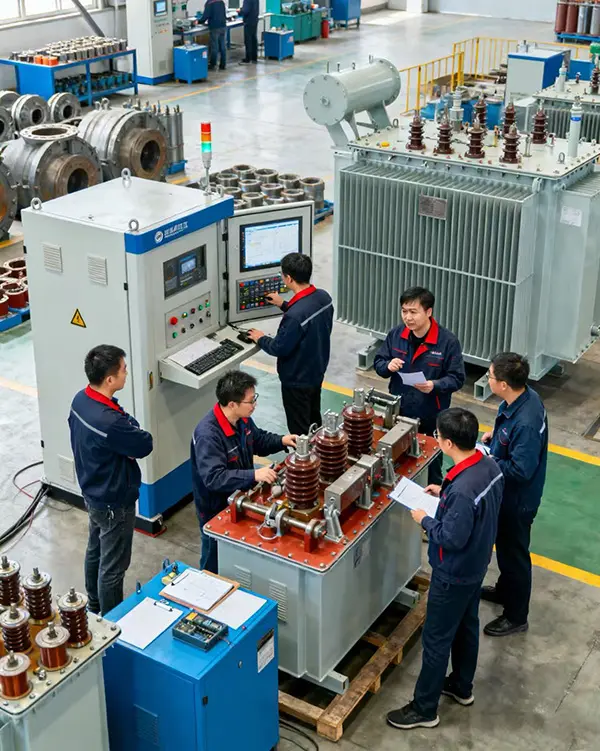
At Shuhong Machinery, "People-Oriented, Collaborative Innovation" is the core philosophy that drives our engineering and service capabilities.
From raw steel coil processing to load-testing verification, each transformer and winding machine undergoes structured validation to ensure compliance with design specifications.
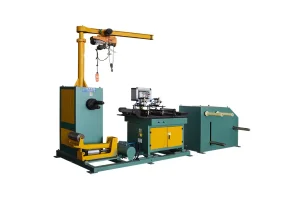
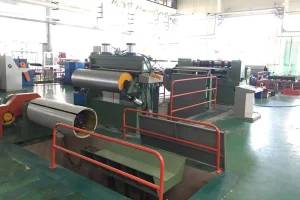
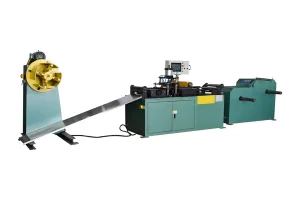
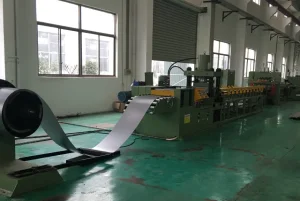
Precision slitting of CRGO silicon steel coils using high-accuracy CNC shear systems.
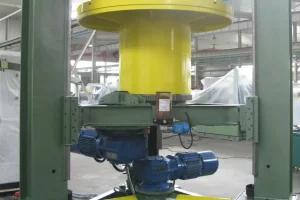
Automated 3D triangular core winding ensures uniform magnetic flux density.
Vacuum heat treatment to relieve internal mechanical stress and optimize magnetics.
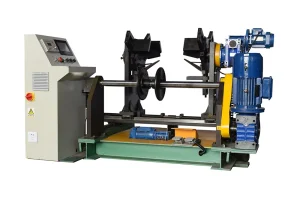
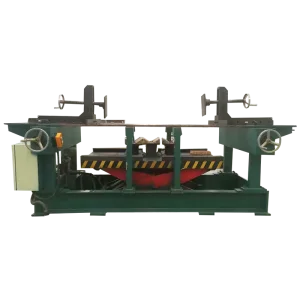
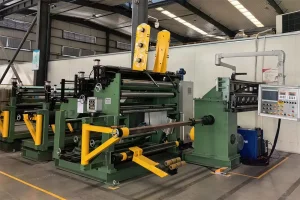
Foil and wire winding for high and low voltage stages using automated winding units.
Integrating core, coil windings, insulation barriers, and outer framing structural components.
Controlled heating chambers remove trace moisture from the insulation system.
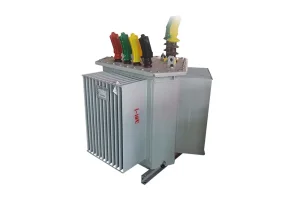
Vacuum oil filling for liquid-cooled systems ensures bubble-free insulation coverage.
Rigorous testing for insulation resistance, ratio parameters, and dielectric properties.
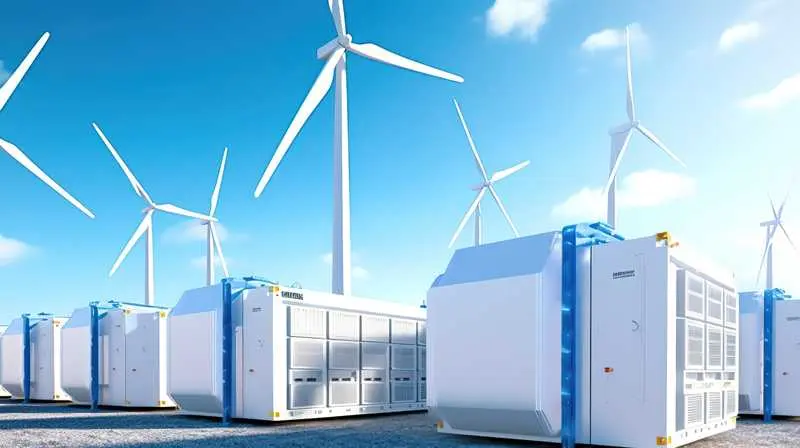
Low and high voltage systems require specific design features tailored to their operating environments. Standardized systems often fail to meet the performance, size, or safety demands of unique industrial settings.
Solar arrays and wind turbines operate under fluctuating weather conditions, exposing transformers to frequent voltage peaks and temperature cycles. Shuhong's low-loss 3D triangular wound core designs help mitigate core stress during period of variable power feed.
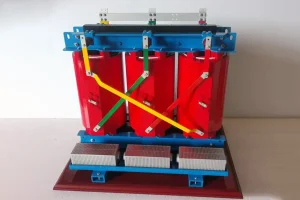
Critical data storage and computational hubs require continuous, high-quality power. Dry-type, non-flammable transformers are ideal for indoor installations, providing reliable voltage step-down close to server arrays without risk of oil leaks.
High-power operations like arc furnaces and structural rolling mills generate substantial electrical feedback and harmonics. Our custom winding and oil-immersed cooling systems are built to withstand high thermal loads and current spikes.
Procuring low and high-voltage equipment requires addressing varied international electrical codes, logistics challenges, and verification processes. Shuhong Machinery works closely with global purchasing teams to meet technical, regulatory, and mechanical compliance requirements.
| Critical Factors | Technical Standards & Details | Shuhong Factory Implementation |
|---|---|---|
| International Compliance | IEC 60076 (Power Transformers), IEEE C57 Series, GB/T standards. | All designs are calculated to meet specific regional requirements and certified by domestic testing institutes. |
| Magnetic Core Optimization | Cold Rolled Grain Oriented (CRGO) steel or amorphous metal alloys. | Core cutting is executed on automated slitting lines to reduce burrs to <0.02mm, minimizing eddy current generation. |
| Winding Precision | Precision alignment of copper foil or wire insulation layups. | Utilizes automated vertical and foil winding machines to eliminate manual winding tension irregularities. |
| Acceptance Testing (FAT) | Partial discharge testing, temperature rise evaluations, and short-circuit tests. | Full factory acceptance testing is documented and shared with clients prior to transport. |
A 3D triangular wound core features a continuous, joint-free design. This structure helps minimize gaps in the magnetic path, allowing for uniform flux distribution and reduced resistance. Compared to traditional stacked cores with joint gaps, this layout can reduce no-load losses by up to 25–30% and significantly lower operating noise levels.
Dry-type transformers are primarily used in indoor spaces, high-density urban developments, and environmentally sensitive areas where fire risk and oil leakage are critical safety concerns. They rely on ambient air or air-blast cooling and use solid insulation (like epoxy resin casting), eliminating the need for cooling oil and reducing routine maintenance requirements.
Our engineering team achieves this reduction through three primary design improvements: optimizing the cooling fluid or airflow channels using CFD simulation, selecting high-conductivity copper windings, and utilizing high-efficiency core structures to reduce heat generation at the source. Keeping operating temperatures lower directly extends the lifespan of the insulation system.
We customize our winding equipment to accommodate specific parameters including winding diameter limits, maximum coil length, wire/foil width and thickness tolerances, automated tension ranges, and computerized programmable logic controller (PLC) winding patterns. This allows manufacturers to adapt the machinery to their specific product portfolio.
Each unit is subjected to structured testing prior to shipment. This includes insulation resistance checks, winding ratio verification, phase angle diagnostics, dielectric strength tests, and load-loss measurements to confirm the system performs as specified.