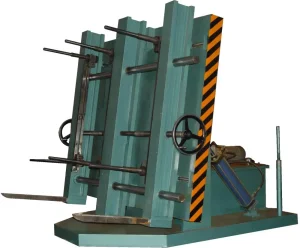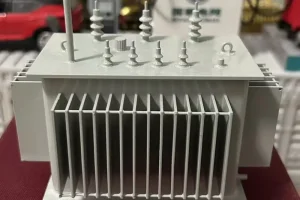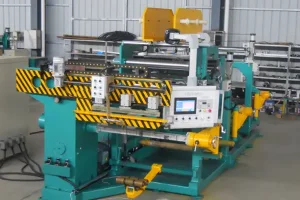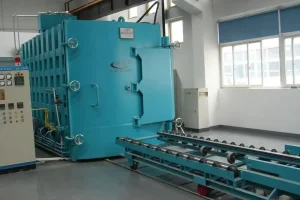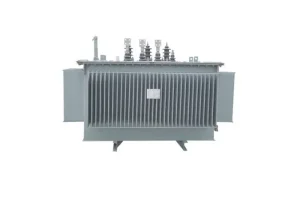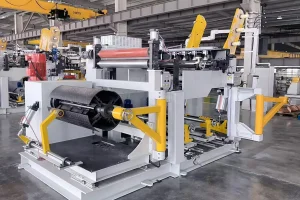
State-of-the-art winding, slitting, and processing units engineered to reduce transformer core losses and enhance structural winding integrity.
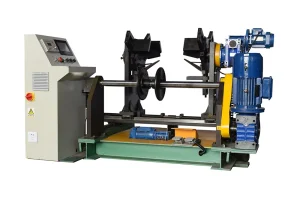
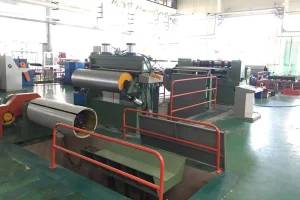
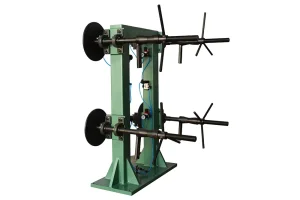
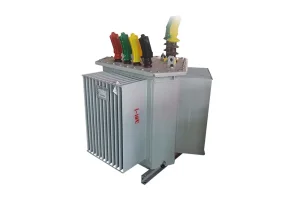
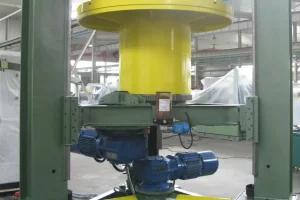
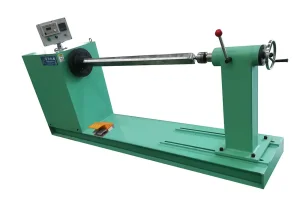
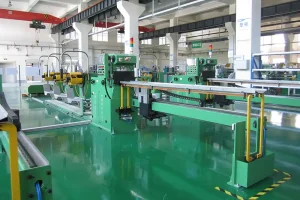
The transition toward decarbonized grids and smart-energy infrastructures has prompted an unprecedented global demand for high-efficiency electrical equipment. Within this context, manufacturing machinery for High Tension (HT) and Low Tension (LT) components occupies a critical space. Modern distribution networks require transformers that can handle steep voltage steps with minimal losses, making high-precision tension winding systems and optimized core cutting layouts absolutely vital.
Industrial operations are increasingly standardizing on 3D wound cores and amorphous alloys, which show a 60% to 80% reduction in no-load loss compared to traditional stacked silicon steel. This shift requires specialized automated horizontal winding devices, vertical winding machinery, and high-frequency annealing systems that operate within micron-level mechanical tolerances to preserve the material's orientation and electromagnetic properties.
Leading manufacturers like Wuxi Shuhong Machinery Technology Co., Ltd. bridge this gap by supplying equipment designed to control copper and aluminum foil tension accurately, ensuring complete elimination of air gaps and structural micro-defects in high-density windings.
Explore Engineering Spec Sheets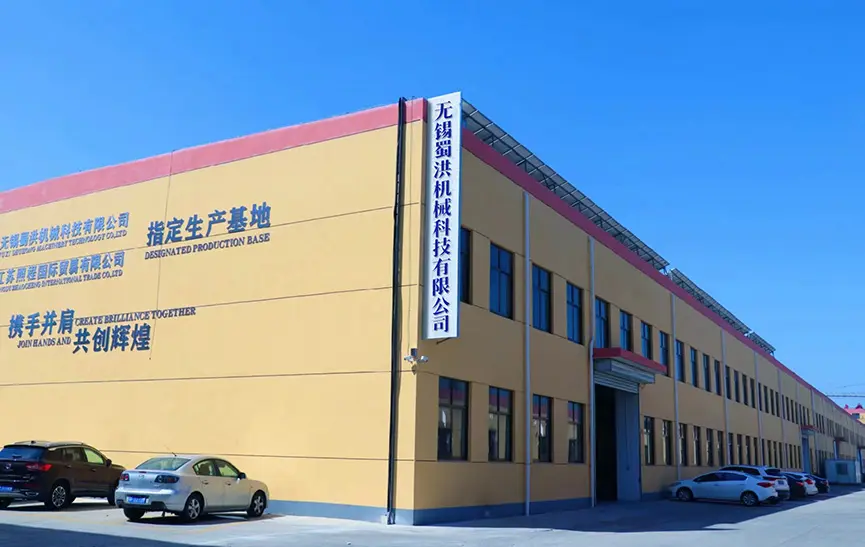
Our engineering values are backed by metrics that guarantee high efficiency, long operational lifespans, and safety compliance across over 2,000 substations.
Wuxi Shuhong Machinery Technology Co., Ltd. originated from its founder’s deep insight into heavy machinery manufacturing. With over a decade on the industry's frontlines—transitioning from hands-on technical roles to core executive management—our founder witnessed domestic Chinese machinery shift from a position of "following" to "running alongside" global peers. During this growth, he sensed a major, upcoming market need for energy-efficient, intelligent upgrades in transformer manufacturing.
During a critical State Grid project exchange, the founder observed that traditional transformers suffered from thermal dissipation flaws and short service lifespans. This directly harmed power grid stability and inflated operating costs for infrastructure operators. Recognizing that the integration of new energy sources required higher equipment standards, the founder established Shuhong Machinery in 2018 on the shores of Taihu Lake in Wuxi. The core focus: R&D and manufacturing of high-efficiency, energy-saving transformer winding systems and core slitting equipment.
Through persistent efforts, the engineering team worked round-the-clock in laboratories and workshops on functional models, developing customized horizontal and vertical winding machines that resolved thermal and tensioning challenges, lowering temperature rises by up to 30%.
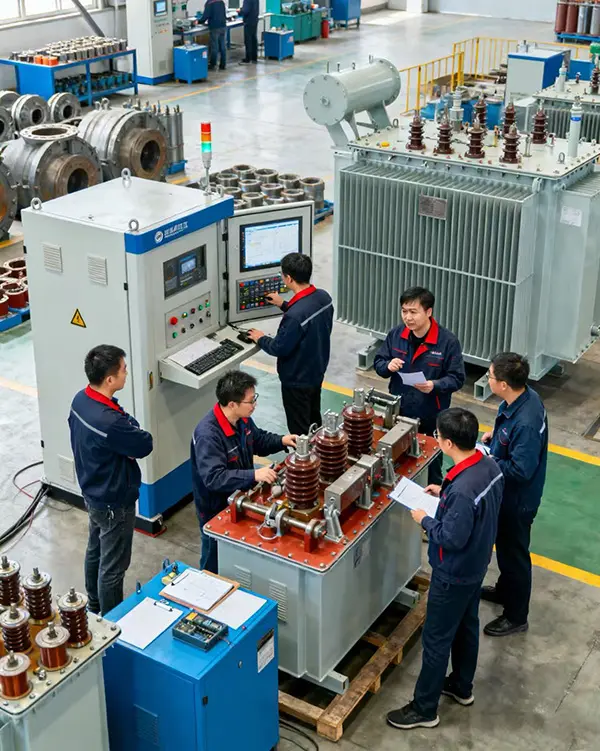
Our modern manufacturing workshops are equipped with high-precision fabrication tools that ensure zero deviation during construction.
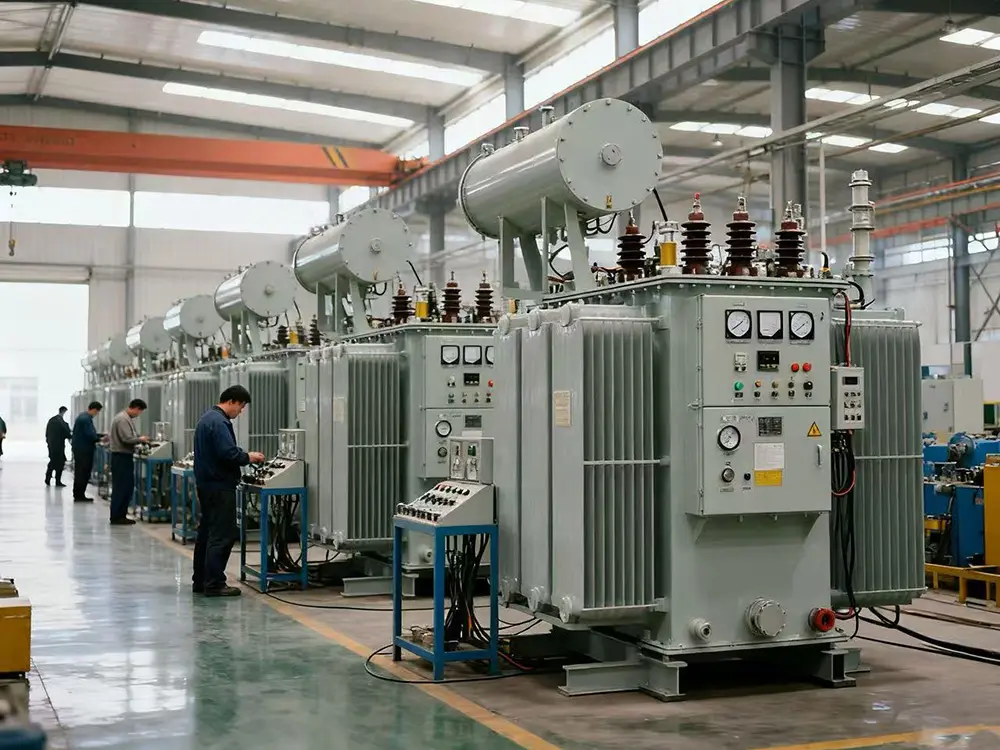
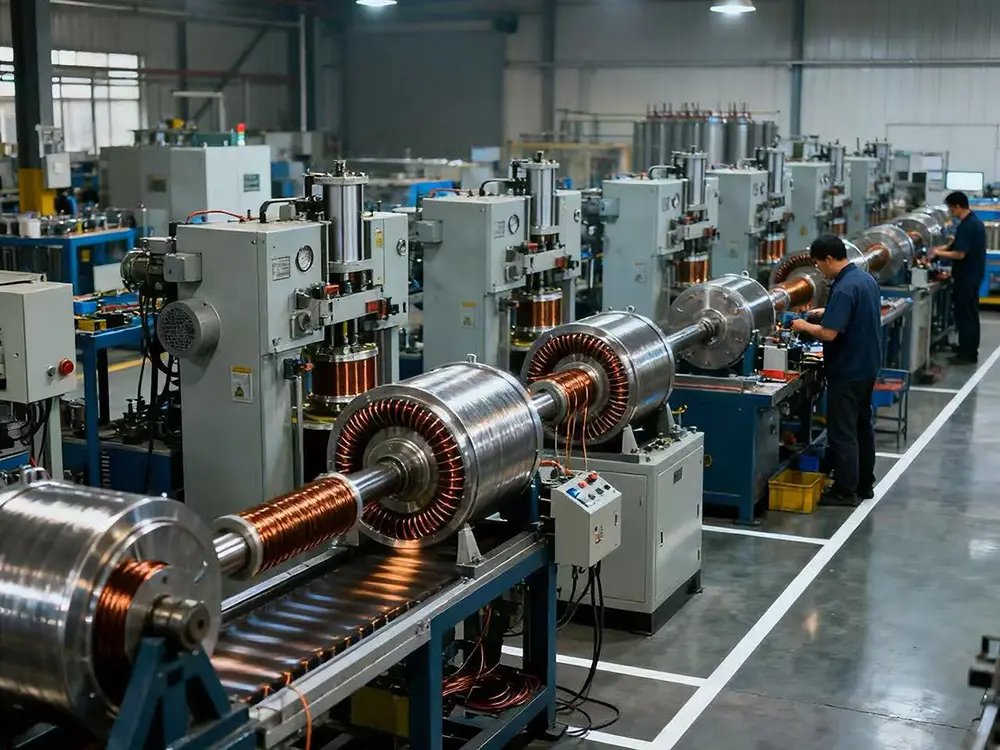
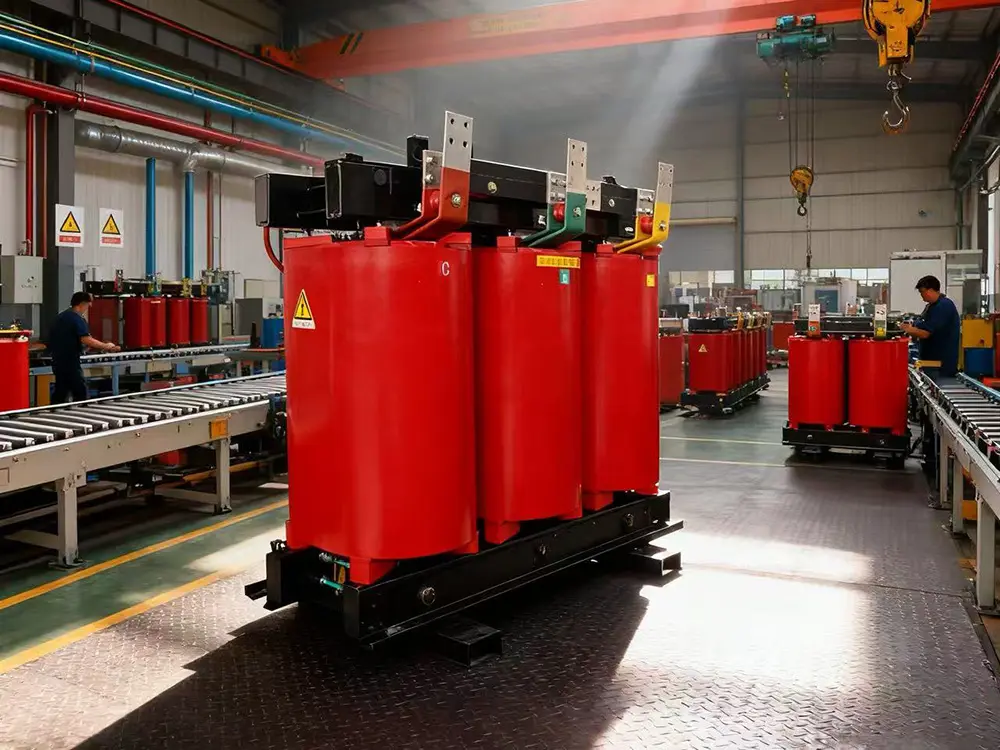
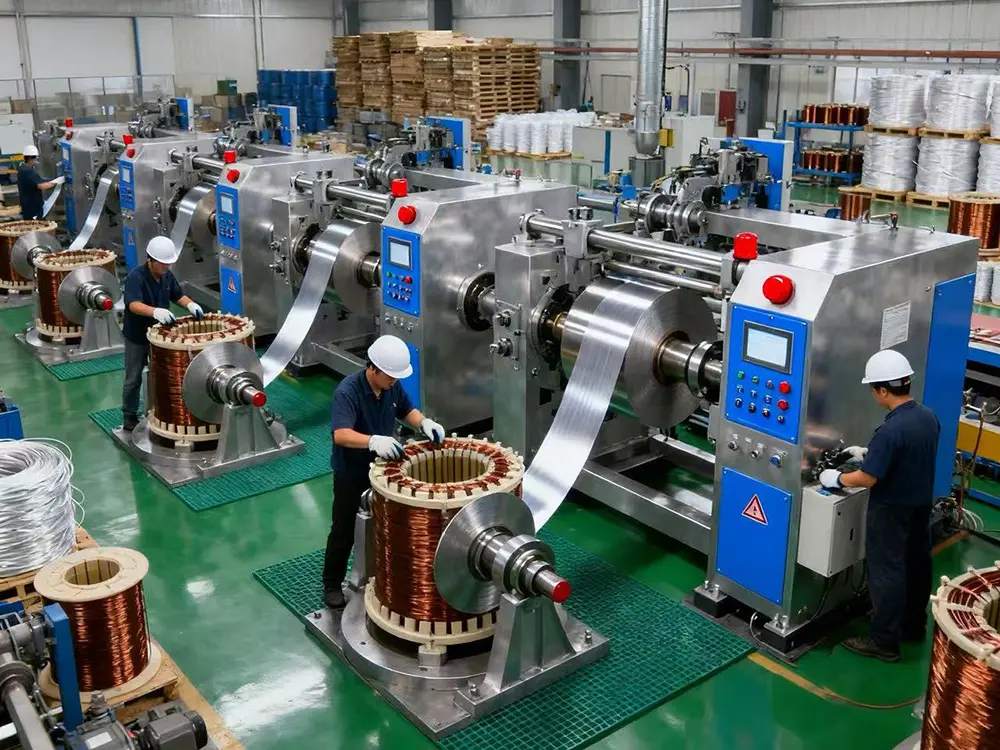
Achieving the electrical characteristics required in High Tension and Low Tension distribution grids demands absolute consistency across the manufacturing chain. Shuhong Machinery has designed a turnkey cycle that addresses core losses, insulation stress, and mechanical settling.
High-precision CNC slitting of raw silicon steel coils down to specified widths, keeping burrs below 0.02mm to reduce local core losses.
Controlled pay-off systems feed the wire into the winding area under constant tension, preventing stretching and insulation fractures.
Heat treating the wound cores to relieve mechanical stresses induced by slitting, restoring the magnetic permeability of the metal.
Utilizing vertical and horizontal winders to wrap High Tension and Low Tension coils around the core with high packing density.
Aligning the active elements, clamping, and thermal vacuum drying to eliminate all traces of moisture from the solid insulation.
Filling the tank under vacuum with degassed mineral oil, followed by impulse and load testing to guarantee long-term field stability.
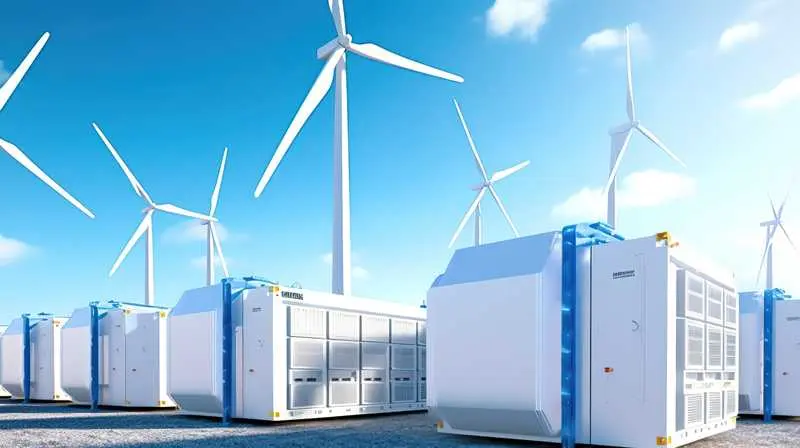
How next-generation materials and automation algorithms are reshaping the High Tension and Low Tension manufacturing sectors.
Amorphous metal ribbons (Fe-Si-B alloys) are replacing standard silicon steel sheets due to their non-crystalline atomic structure. This creates low magnetic coercivity and reduces core losses by nearly 75%. Wuxi Shuhong is adapting to this trend by engineering specialized CNC shearing systems that prevent micro-cracks along the fragile edges of amorphous alloy ribbons.
Standard stacked planar cores suffer from localized air gaps and structural discontinuities. The 3D triangular rolled configuration optimizes the magnetic circuit path, eliminating high-reluctance junctions. This results in quiet transformer operation (low decibel output) and a balanced three-phase magnetic circuit, reducing grid harmonics.
Maintaining tension during the winding of heavy gauge Low Tension foil is a critical production variable. Next-generation horizontal and vertical winders use closed-loop servo-pneumatic systems to dynamically adjust payoff speeds, keeping winding stress uniform and protecting thin insulation barriers from physical shear.
How Shuhong High Tension & Low Tension machines adapt to diverse industrial installations globally.
Renewable generation demands compact step-up transformers that can handle fluctuating electrical loads. The mechanical strength of High Tension winding coils made on Shuhong systems resists the strong electrodynamic forces generated during sudden current spikes from solar arrays and wind gusts.
For municipal grids, minimizing transmission loss is essential. Our 3D triangular rolled core machinery helps manufacturers build high-efficiency transformers that meet strict local standards (such as EU Eco-design, Tier 2, and US DOE standards).
Furnace transformers need to deliver very high current at low voltages (Low Tension). Foil winding equipment must handle thick copper or aluminum foils to manage thermal loads, ensuring that multiple foil layers align perfectly without micro-shifting.

We combine engineering expertise with reliable supply chain management to deliver stable, high-performance machinery.
All machinery components, hydraulic pumps, and CNC control interfaces are sourced from certified global partners to ensure long-term reliability and minimize maintenance downtime.
We support standard field protocols, enabling Shuhong machinery to integrate into existing SCADA or ERP systems for remote monitoring, predictive maintenance, and data analysis.
Our engineering team designs systems tailored to your specific core geometry, voltage levels, and floor space requirements, providing complete solutions from design to installation.
Expert responses addressing winding tension, core efficiency, material handling, and equipment configurations.
In High Tension (HT) windings, variable tension can stretch wire, thinning the insulation enamel and creating micro-voids that increase partial discharge risks under high voltage. In Low Tension (LT) foil windings, uneven tension leads to telescoping or edge wrinkling, causing uneven thermal distribution and localized hot spots during operation.
A 3D triangular rolled core features a continuous grain-oriented silicon steel structure without standard corner joints. This design minimizes the magnetic air gap, which reduces no-load loss by 25-30% and no-load current by up to 70%, while also lowering operating noise levels.
Mechanical cutting and slitting induce stress that alters the crystalline grain structure of silicon steel, increasing core losses. Vacuum annealing at temperatures over 800°C in an oxygen-free environment relieves these stresses and restores the material's magnetic permeability.
For high-efficiency applications, slitting burrs must be kept below 0.02 mm. Larger burrs can damage the interlaminar insulation coating, causing short circuits between laminations, increasing eddy currents, and causing localized overheating.
Horizontal winders are typically used for smaller distribution transformer coils and foil winding. Vertical winders are preferred for large power transformers, using gravity to help keep heavy, wide conductor coils aligned and tightly packed.
Explore our full line of manufacturing machinery, including slitting lines, horizontal winders, and heat treatment systems.