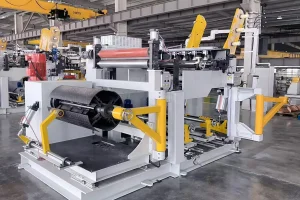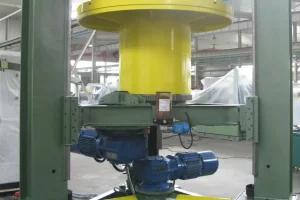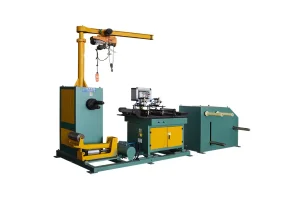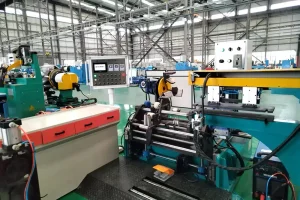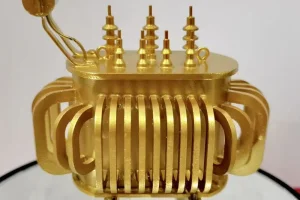
Explore high-performance coil manufacturing components, precision CNC slitters, and automatic welding lines engineered to scale global industrial power.
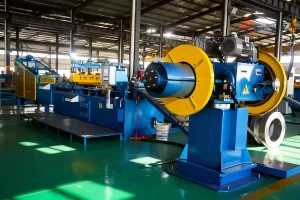
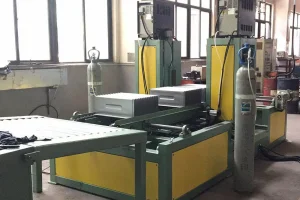
In the wake of the global energy transition, electromagnetic components serve as the critical infrastructure baseline. Advanced coil technology underpins everything from ultra-high voltage (UHV) power transmission grids to high-frequency power electronics deployed in electric vehicle (EV) drivetrains and renewable energy storage systems (BESS).
Traditional magnetic core designs and coil architectures are undergoing massive evolution. The industrial sector is quickly abandoning outdated, loss-heavy stacked laminate layouts in favor of highly optimized configurations, such as 3D triangular wound cores. These modern structures drastically improve electromagnetic flux distribution, minimize eddy currents, and slash structural sound emissions. As global distribution grids face strict mandates to lower thermal dissipation and improve energy efficiency, selecting state-of-the-art coil winders and precision cutting systems has become a baseline operational requirement.
Today's procurement strategies center on obtaining machinery capable of processing high-permeability silicon steel with absolute accuracy. Minimizing localized material stress and keeping tolerances to micro-levels is vital, as even microscopic microstructural variations can scale core loss profiles.
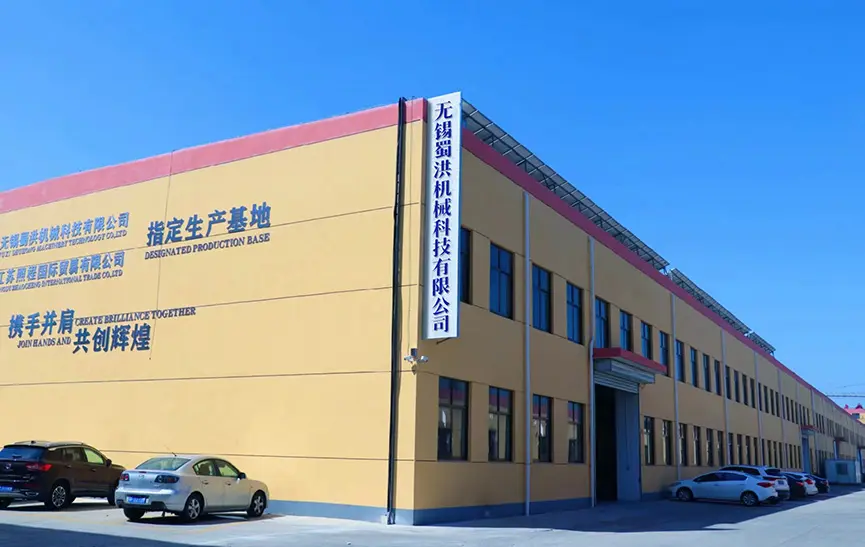
Why the Yangtze River Delta industrial cluster acts as the global locus for electrical processing machinery innovation and economic scaling.
Wuxi Shuhong leverages a highly integrated localized ecosystem, linking high-grade silicon steel suppliers directly to CNC precision machine tool factories. This proximity drastically cuts down lead times, from initial blueprinting to factory acceptance testing (FAT).
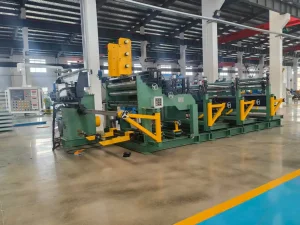
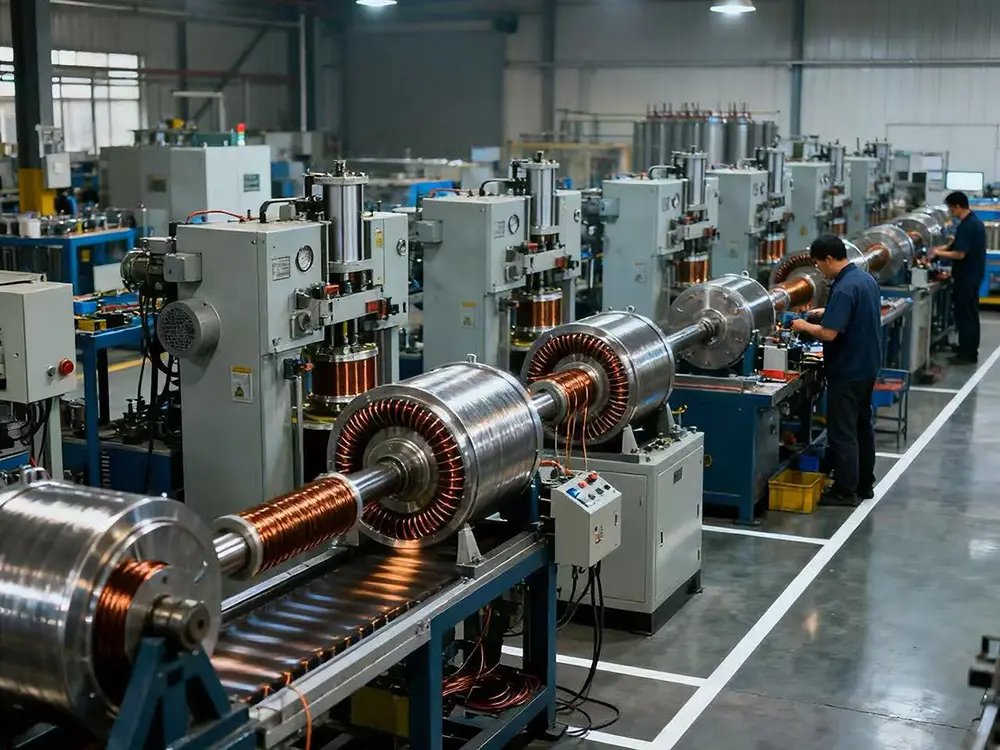
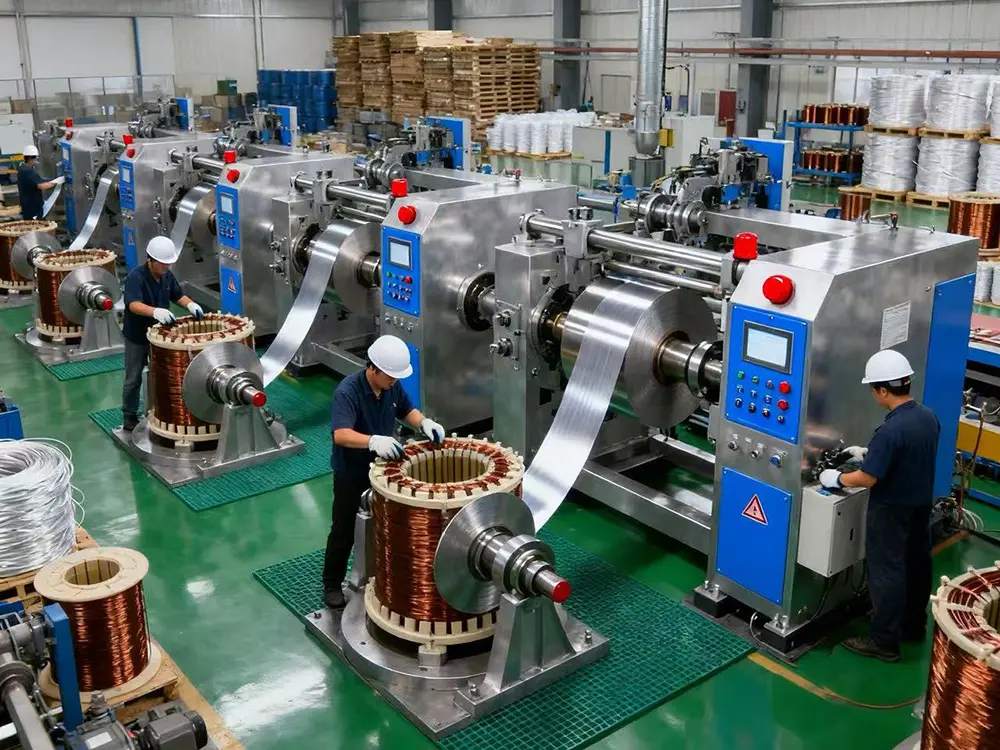
Leveraging automatic foil and wire winders reduces manual labor by up to 70%. Servo-driven tension controls maintain ideal wire alignment, guaranteeing high dimensional repeatability while preventing insulation wear.
By streamlining engineering workflows across massive localized production footprints, Chinese manufacturers provide advanced CNC line configurations at highly competitive pricing, accelerating the return on investment for international buyers.
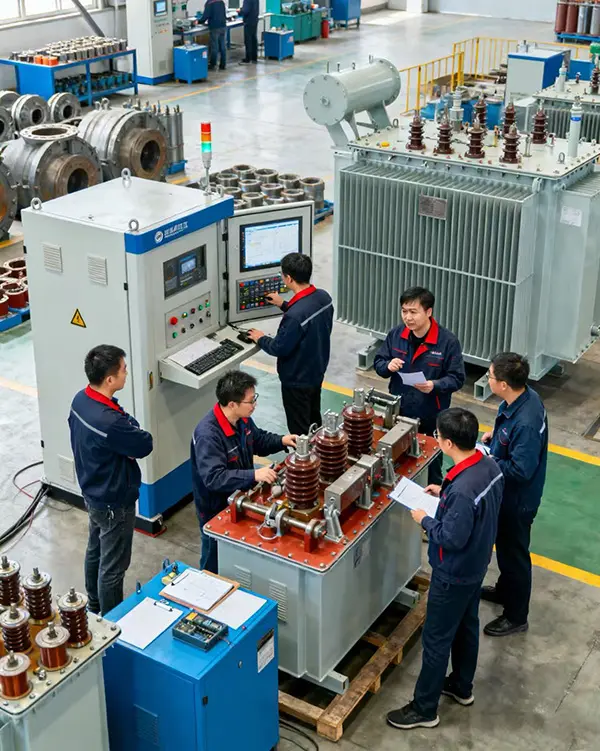
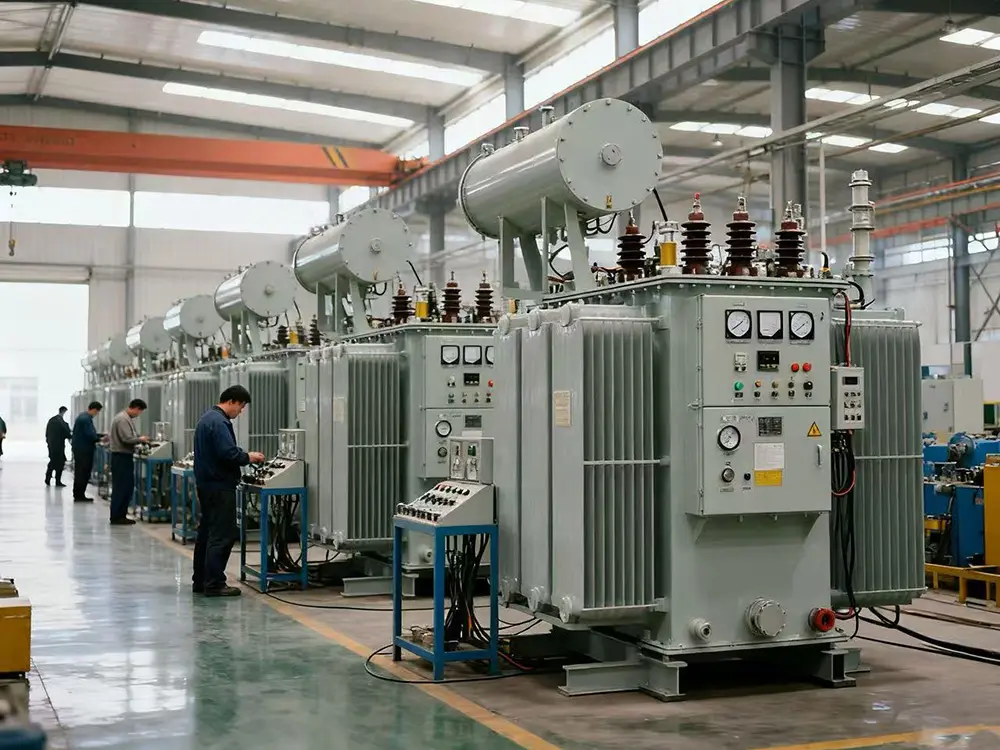
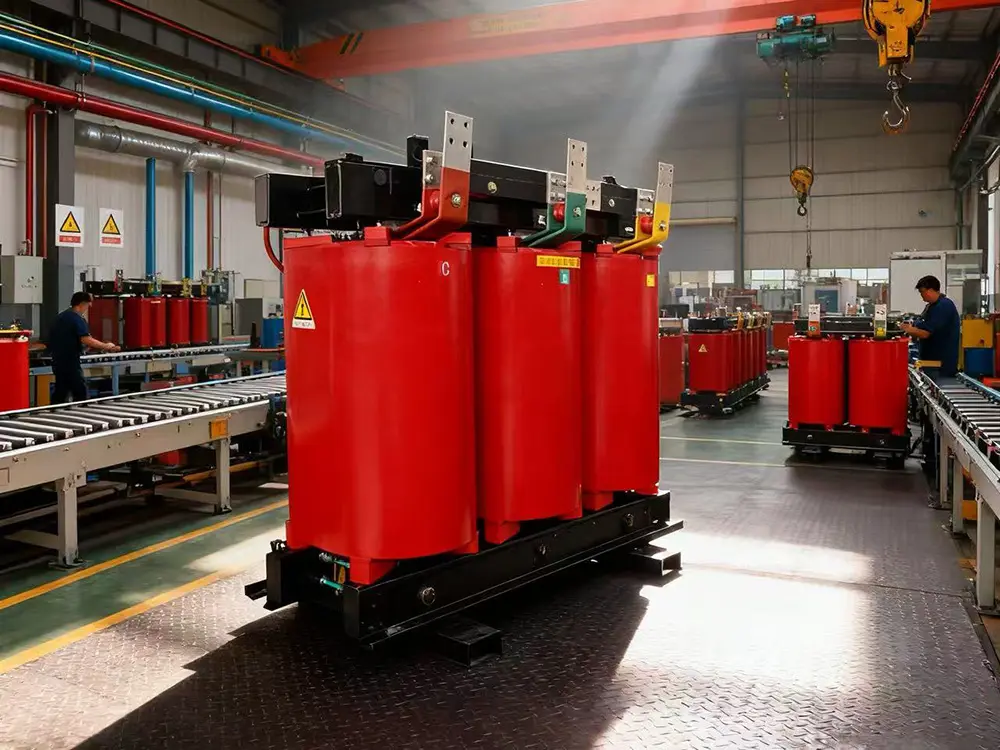
Deeply Developing the Machinery Industry, Empowering the Future of Energy
Located on the shores of the picturesque Taihu Lake in Wuxi, a region known as the "Land of Fish and Rice," Wuxi Shuhong Machinery Technology Co., Ltd. has established itself as an industry leader. Founded in 2018, Shuhong Machinery has consistently prioritized technological innovation and premium service quality. As a high-tech enterprise, we design and manufacture machinery solutions for the electrical, power system, and plastic processing industries.
The foundation of Shuhong Machinery stems from our founder's technical background. Spending over a decade working on the frontlines of machinery manufacturing—from hands-on technical roles to corporate management—our founder witnessed domestic manufacturing transition from "following" to "running alongside" global peers, predicting the surge in demand for energy-efficient, automated power systems.
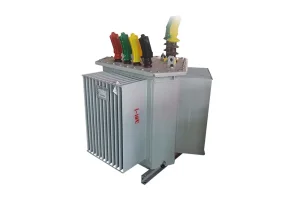
During a technical exchange for a State Grid project, the founder identified structural thermal and insulation flaws in traditional stacked core transformer designs. These inefficiencies shortened operational life and compromised grid reliability under high-load cycles. Motivated to address these issues, Shuhong's engineering team worked around the clock to develop a transformer line that reduces temperature rise by 30% and guarantees a 15-year operational lifespan under peak conditions.
Demonstrated engineering excellence backed by verified field performance metrics globally.
Custom coil processing and winding configurations engineered for specific operational environments worldwide.
Solar Inverters & Wind Step-up Transformers: Wind farm installations require transformers that can handle high harmonic distortion and variable loads. Shuhong's three-layer foil winding machines produce rugged coils that resist the severe thermal stress and mechanical vibrations typical of wind turbine nacelles.
Subterranean & Pad-Mounted Systems: Metropolitan areas mandate low-noise, compact power transformer footprints. Utilizing 3D triangular wound cores ensures symmetrical three-phase flux distribution, helping city utilities meet strict municipal noise level standards.
Arc Furnaces & Metal Refining: Industrial environments demand heavy-duty, high-current step-down transformers. Automated foil wound coils ensure robust short-circuit current carrying capabilities, protecting factories from grid failures and reducing unplanned downtime.
The quality of high-voltage coil components relies on absolute precision throughout every step of production. Our facility maintains a rigorous manufacturing sequence that ensures dimensional accuracy and insulation integrity, eliminating the root causes of premature electrical failure in the field.
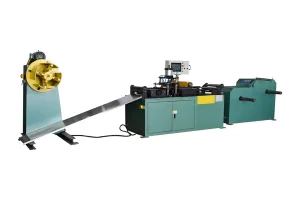
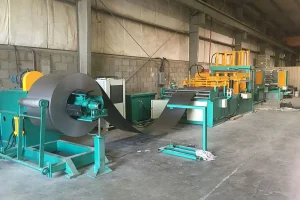
Silicon steel sheets are slit into precise geometries using ultra-sharp CNC cross-cutting lines to minimize edge burrs and protect core magnetics.
Silicon steel bands are wound to shape and heat-treated to relieve mechanical stresses, restoring optimal magnetic domain alignment.
Conductive copper or aluminum foils are wound onto the insulated cores using closed-loop tension control systems.
Wound coils are integrated with high-density pressboard insulation and pre-dried to remove residual ambient moisture.
Transformers undergo hot vacuum oil filling to eliminate bubble voids, followed by high-voltage dielectric impulse testing.
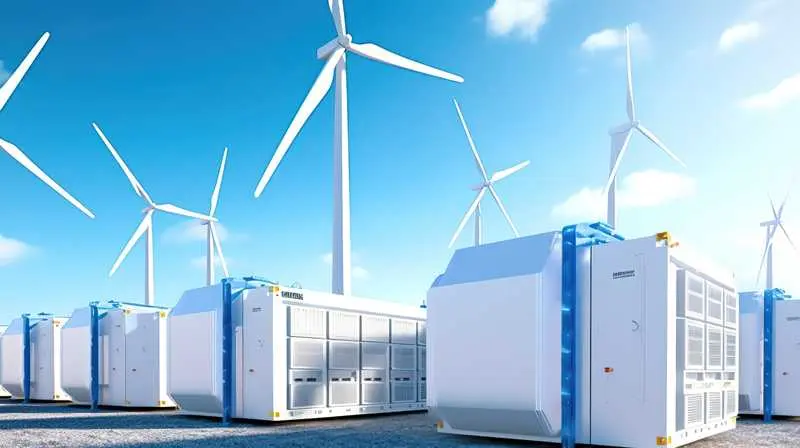
Our ISO 9001:2015 certified testing lab subjects every completed winding assembly to load loss calibration, partial discharge testing, and acoustic evaluations. This rigorous testing ensures all components meet the specifications required by international utilities and industrial standards.
Key standards and evaluations engineering procurement directors utilize to assess Chinese machinery manufacturing partners.
Procurement teams must ensure that coil winding machinery and finished transformer models comply with IEC 60076, IEEE C57, and CE directives. These certificates guarantee the insulation ratings and short-circuit mechanical durability required for North American and European grid deployments.
To prevent interlayer insulation breakdown, modern procurement requirements specify tension systems controlled by precision microprocessors. The foil winding machinery must dynamic adjust feed speed and foil tension to prevent localized stress concentration.
Procurement strategies prioritize supplier partnerships that provide remote system updates, PLC diagnostic protocols, and local installation supervision. Ensuring the availability of critical machine spares (such as slitting blades and welding heads) minimizes long-term operational risk.
Looking forward, Shuhong Machinery will uphold its core business philosophy of "People-oriented, Integrity-driven, Collaborative Innovation, and Quality First." We plan to deepen our focus on electrical and plastics machinery, expanding R&D investment to strengthen our core technologies. Our pipeline includes launching next-generation, high-efficiency, energy-saving, and intelligent winding solutions designed for smart-grid networks.
Furthermore, the company will expand domestic and international markets, cooperating with global industry leaders. We strive to build an internationally competitive machinery brand that contributes to the modernization of global energy infrastructure.

Get technical answers to common queries regarding core winding machines, silicon steel processing, and procurement options.
3D triangular wound cores feature a continuous, gap-free construction that matches the natural direction of magnetic flux. This design reduces core losses (no-load loss) by up to 25%-30%, minimizes magnetic resistance, and lowers noise levels compared to standard stacked silicon steel laminations.
Our foil winding machines utilize a closed-loop pneumatic/servo tension control system. Precision sensors continuously monitor the tension of the copper or aluminum foil as it unwinds. The PLC controller dynamically adjusts magnetic powder brakes or servo motors, keeping winding tension within a ±1% tolerance band. This precision prevents layer slipping and conductor stretching.
Bending and winding silicon steel strips causes localized mechanical stress, which deforms the metal's crystalline structure and reduces its magnetic permeability. Placing the wound cores in a vacuum annealing furnace at 750°C to 800°C relieves these stresses, restoring optimal magnetic performance and lowering no-load losses.
Our CNC cross-cutting lines are designed to process conventional cold-rolled grain-oriented (CRGO) silicon steel sheets, with thicknesses ranging from 0.18 mm to 0.35 mm. High-precision carbide slitting blades and advanced servo drives ensure high-speed operations while keeping burr heights under 0.02 mm.
We achieve this long service life through a combination of thermal optimization and insulation integrity. Our designs feature efficient oil ducts that improve heat dissipation, reducing peak temperatures by 30%. In addition, using premium insulation materials and vacuum drying/oil injection processes prevents moisture entry, protecting the transformer's interior from dielectric breakdown over long-term operation.
Yes, our automated winders feature programmable PLC systems that store custom winding profiles. Operators can easily input specific core diameters, layer numbers, and axial heights. The machines adjust wire-guiding travels and pitch measurements automatically, accommodating bespoke manufacturing demands.
Explore high-capacity industrial systems designed to improve efficiency and scale production for energy distribution components.